By Invitation Only!

F/5.6, 1/500, ISO 200.

Mallard Female

Why do barbers make good drivers?

They know all the shortcuts.

Interesting Fact: During egg-laying phase, she lines the nest with grasses, leaves, and twigs from nearby. She also pulls tall vegetation over to conceal herself and her nest. After incubation begins, she plucks down feathers from her breast to line the nest and cover her eggs. The finished nest is about a foot across, with a bowl for the eggs that is 1–6 inches deep and 6–9 inches across. ( https://www.allaboutbirds.org/guide/Mallard/lifehistory )

I Am Happy To See You!

F11.0, 1/500, ISO 400.

Ruddy Ducks

What do you call a bee that lives in America?

A USB

Interesting Fact: Ruddy Ducks are very aggressive toward each other and toward other species, especially during the breeding season. Unlike most ducks, they form pairs only after arriving on the breeding grounds each year. Males perform unusual courtship displays in which they stick their tails straight up while striking their bills against their inflated necks, creating bubbles in the water as air is forced from their feathers. They punctuate the end of the display with a belch-like call. ( https://www.allaboutbirds.org/guide/Ruddy_Duck/lifehistory )


Let’s Get Soaking Wet!

F/5.6, 1/500, ISO320.

American Robin

What did the bartender say after a book walked into the bar?

“Please, no stories!”

Interesting Fact: Robins eat a lot of fruit in fall and winter. When they eat honeysuckle berries exclusively, they sometimes become intoxicated. ( https://www.allaboutbirds.org/guide/American_Robin )

Caution Chicks At Play! 

F/5.6, 1/1000, ISO 200.

Wild Turkeys Chicks

What did the mama turkey say to her naughty son?

If your papa could see you now, he’d turn over in his gravy!

Interesting Fact: Male Wild Turkeys provide no parental care. Newly hatched chicks follow the female, who feeds them for a few days until they learn to find food on their own. As the chicks grow, they band into groups composed of several hens and their broods. Winter groups sometimes exceed 200 turkeys. ( https://www.allaboutbirds.org/guide/Wild_Turkey/lifehistory )

Hanging Out Is Highly Recommended In This Area

F/8.0, 1/250, ISO 250.

Marsh Wren

What did one brick say to the one above it?

You’re too hard on me.

Interesting Fact: Marsh Wrens pick insects and spiders from stems and leaves of marsh vegetation. They tend to forage close to water, but occasionally fly up to catch a passing insect.  ( https://www.allaboutbirds.org/guide/Marsh_Wren/lifehistory )

You Can’t Control Everything Your Hair Was Put On Your Head To Remind You Of That!

F/11.0, 1/500, ISO 200.

Snowy Egret

Did you hear about the restaurant on the moon?

They’ve got great food, but no atmosphere.

Interesting Fact: The Snowy Egret eats mostly aquatic animals, including fish, frogs, worms, crustaceans, and insects. It often uses its bright yellow feet to paddle in the water or probe in the mud, rounding up prey before striking with its bill.  ( https://www.allaboutbirds.org/guide/Snowy_Egret/lifehistory )


Check Out Deez Nuts!

F/6.3, 1/80, ISO 400. 

Downy Woodpecker

What is the difference between beer nuts and deer nuts?

Beer nuts cost a buck twenty-five. Deer nuts are under a buck!

Interesting Fact: Downy Woodpeckers eat mainly insects, including beetle larvae that live inside wood or tree bark as well as ants and caterpillars. They eat pest insects including corn earworm, tent caterpillars, bark beetles, and apple borers. About a quarter of their diet consists of plant material, particularly berries, acorns, and grains. ( https://www.allaboutbirds.org/guide/Downy_Woodpecker/lifehistory )

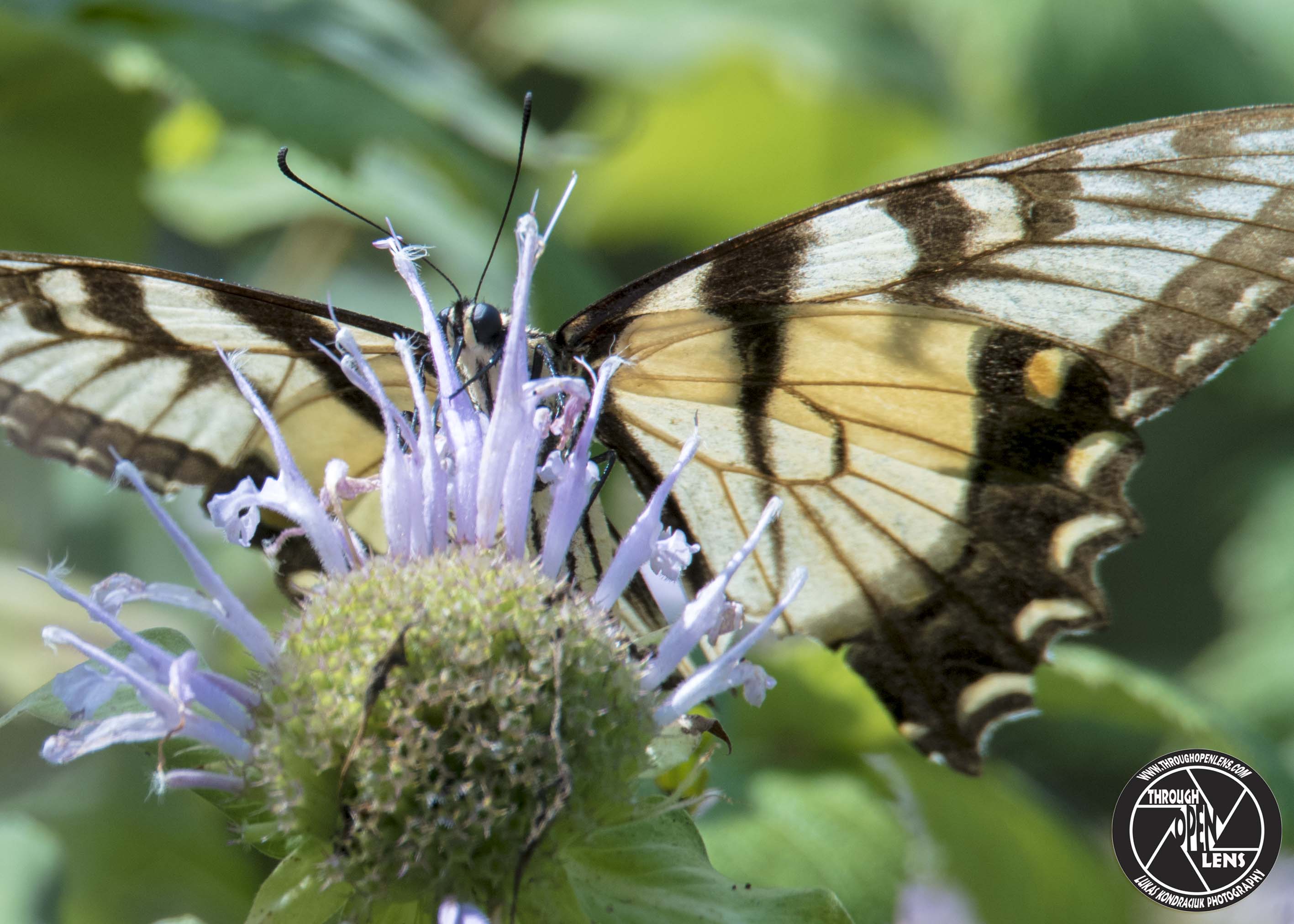
I Don’t Have A Short Attention Span, I Just… Oh, Look A Butterfly!

F/9.0, 1/320, ISO 250.

Butterfly

Why was the broom late?

It over swept!

Interesting Fact: Butterflies in their adult stage can live from a week to nearly a year depending on the species. Many species have long larval life stages while others can remain dormant in their pupal or egg stages and thereby survive winters.[30] The Melissa Arctic (Oeneis melissa) overwinters twice as a caterpillar.[31] Butterflies may have one or more broods per year. The number of generations per year varies from temperate to tropical regions with tropical regions showing a trend towards multivoltinism. ( https://en.wikipedia.org/wiki/Butterfly )


I Have Chills All Over My Body.

F/10.0, 1/400, ISO 320.

Red-winged Blackbird

Which runs faster, hot or cold?

Hot. Everyone can catch cold.

One California subspecies of the Red-winged Blackbird lacks the yellow borders to the red shoulders (epaulets) and has been dubbed the “bicolored blackbird.” Some scientists think this plumage difference may help Red-winged Blackbirds recognize each other where their range overlaps with the similar Tricolored Blackbird. ( https://www.allaboutbirds.org/guide/Red-winged_Blackbird/lifehistory )


Lifeguards Are On Duty, Try Not To Die!

F/8.0, 1/250, ISO 200.

Turkey Vultures

What did the hot dog say after the race?

I’m a winer!

Interesting Fact: Turkey Vultures eat carrion, which they find largely by their excellent sense of smell. Mostly they eat mammals but are not above snacking on reptiles, other birds, amphibians, fish, and even invertebrates. They prefer freshly dead animals, but often have to wait for their meal to soften in order to pierce the skin. They are deft foragers, targeting the softest bits first and are even known to leave aside the scent glands of dead skunks. ( https://www.allaboutbirds.org/guide/Turkey_Vulture/lifehistory )