By Invitation Only!

F/5.6, 1/500, ISO 200.

Mallard Female

Why do barbers make good drivers?

They know all the shortcuts.

Interesting Fact: During egg-laying phase, she lines the nest with grasses, leaves, and twigs from nearby. She also pulls tall vegetation over to conceal herself and her nest. After incubation begins, she plucks down feathers from her breast to line the nest and cover her eggs. The finished nest is about a foot across, with a bowl for the eggs that is 1–6 inches deep and 6–9 inches across. ( https://www.allaboutbirds.org/guide/Mallard/lifehistory )

I Am Happy To See You!

F11.0, 1/500, ISO 400.

Ruddy Ducks

What do you call a bee that lives in America?

A USB

Interesting Fact: Ruddy Ducks are very aggressive toward each other and toward other species, especially during the breeding season. Unlike most ducks, they form pairs only after arriving on the breeding grounds each year. Males perform unusual courtship displays in which they stick their tails straight up while striking their bills against their inflated necks, creating bubbles in the water as air is forced from their feathers. They punctuate the end of the display with a belch-like call. ( https://www.allaboutbirds.org/guide/Ruddy_Duck/lifehistory )


Never Bend Your Head. Always Hold It High. Look The World Straight In The Eye.

F/10.0, 1/400, ISO 320.

Curve-billed Thrasher

A wife says, “Hey! Look at that funny guy whose been drinking a lot.”

The husband responds, “Who is he?”

The wife answers, “Well, five years ago, he was my boyfriend and I denied him for marriage.”

The husband says, “Oh my God! He’s still celebrating his freedom!”

Interesting Fact: The Curve-billed Thrasher that lives in the Sonoran Desert of Arizona and northwestern Mexico looks different than the form that lives in the Chihuahuan Desert of Texas and central Mexico, and they may be separate species. The Texas and eastern bird has a lighter breast, more contrasting spots, pale wingbars, and white tail corners. The more western form has a grayer breast with less obvious spots, inconspicuous wingbars, and smaller, more grayish tail corners. ( https://www.allaboutbirds.org/guide/Curve-billed_Thrasher/lifehistory )

TAIL Me What You Think?

F/8.0, 1/250, ISO 200.

Great-tailed Grackle

Why did Frosty the snowman want a divorce?

Because he thought his wife was a flake

Interesting Fact: In winter, enormous flocks of both male and female Great-tailed Grackles gather in “roost trees.” These winter roosts can contain thousands of individuals, with flocks of up to half a million occurring in sugarcane fields in Texas’s Rio Grande Valley. (  https://www.allaboutbirds.org/guide/Great-tailed_Grackle/overview  )

I Have Chills All Over My Body.

F/10.0, 1/400, ISO 320.

Red-winged Blackbird

Which runs faster, hot or cold?

Hot. Everyone can catch cold.

One California subspecies of the Red-winged Blackbird lacks the yellow borders to the red shoulders (epaulets) and has been dubbed the “bicolored blackbird.” Some scientists think this plumage difference may help Red-winged Blackbirds recognize each other where their range overlaps with the similar Tricolored Blackbird. ( https://www.allaboutbirds.org/guide/Red-winged_Blackbird/lifehistory )


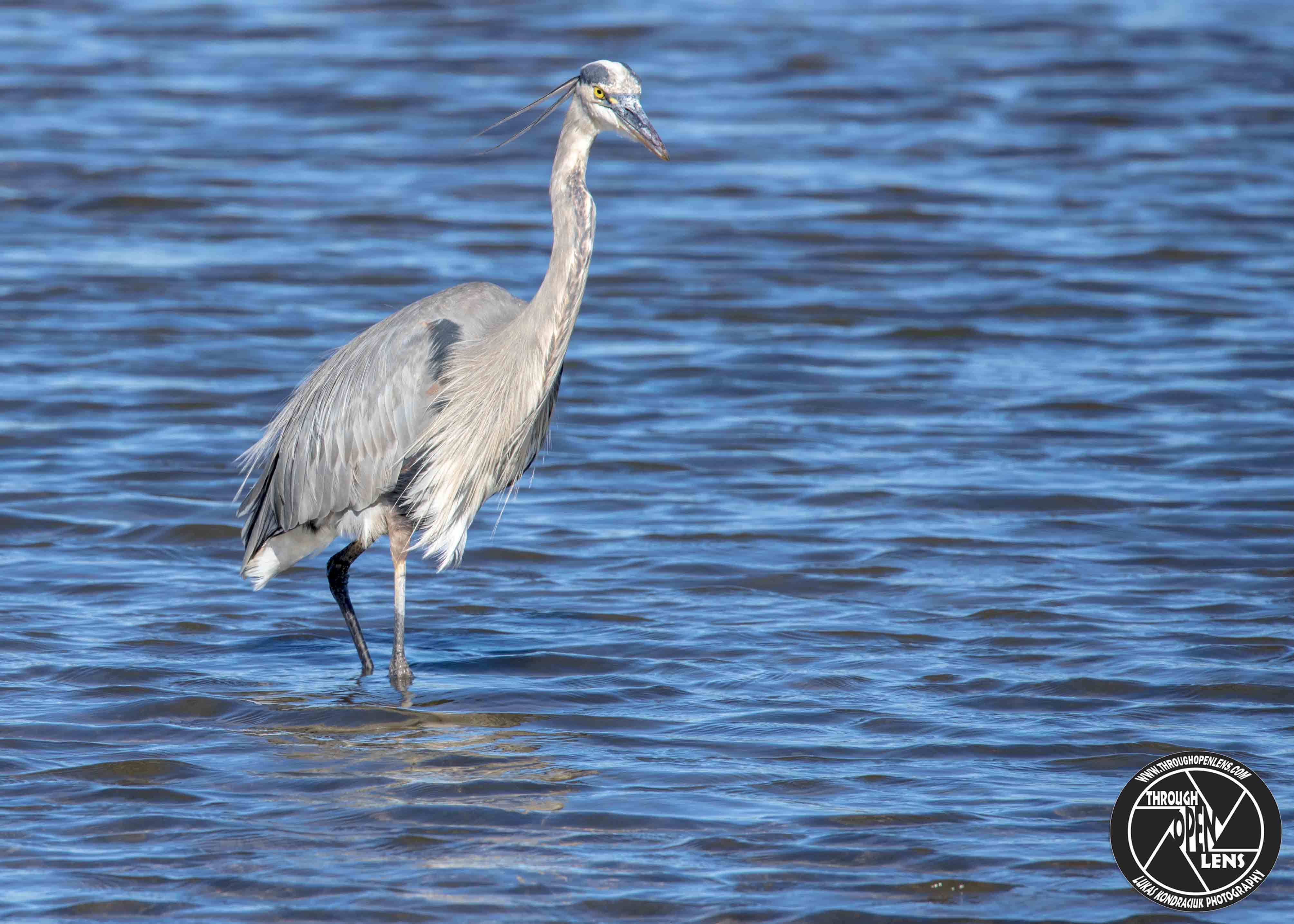
I Enjoy Long Romantic Walks On The Beach

F/10.0, 1/400, ISO 250.

Great Blue Heron 

Why did the fish blush?

Because it saw the ocean’s bottom.

Interesting Fact: Great Blue Herons forage, usually alone, across much of the U.S. This largest of the North American herons wades slowly or stands stock still, peering into the water for prey. In flight the Great Blue Heron folds it neck into an “S” shape and trails its long legs behind, dangling them as it prepares to land or when courting. ( https://www.allaboutbirds.org/guide/Great_Blue_Heron/lifehistory )


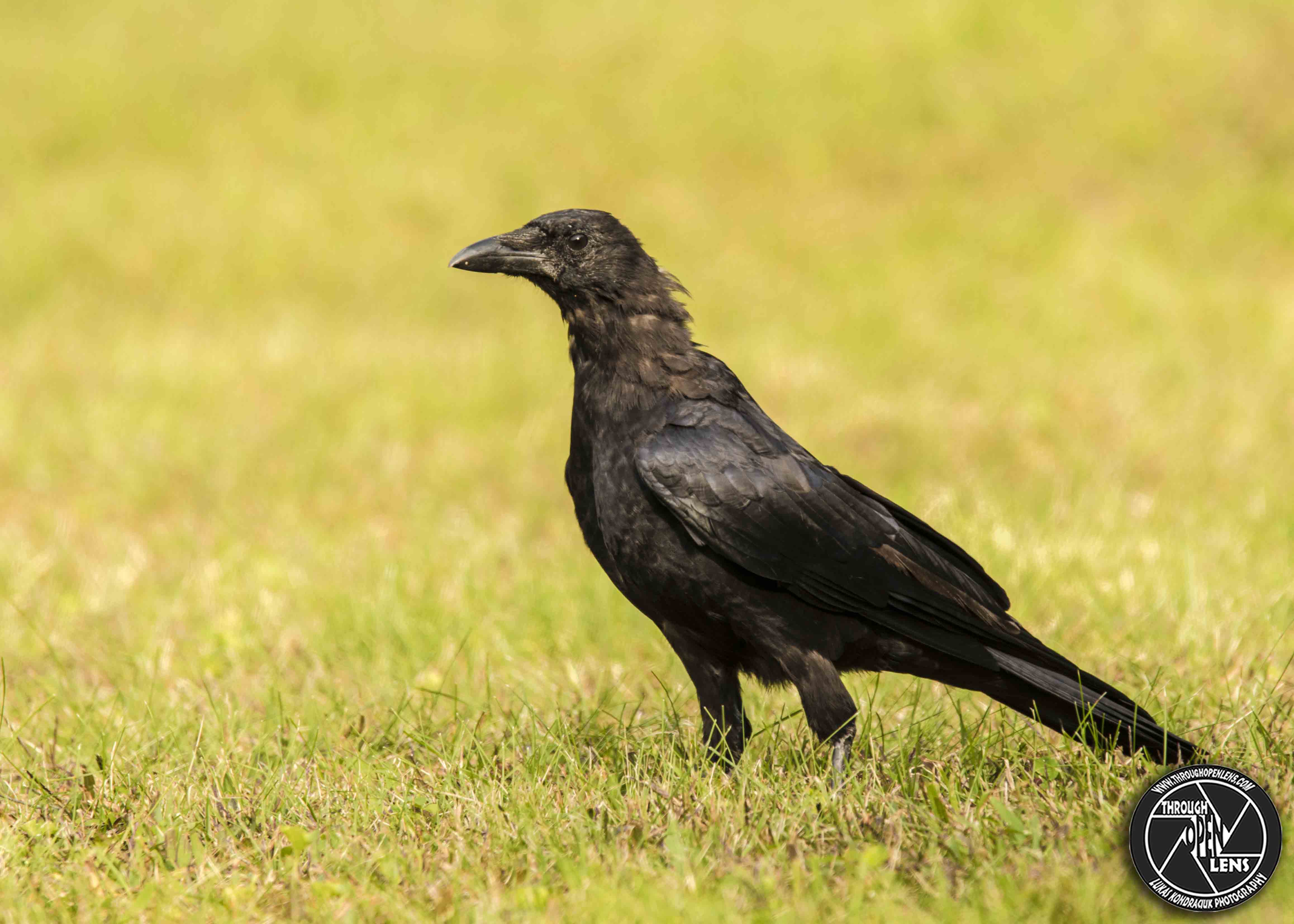
Everyone Is Annoyed With My Singing

F/8.0, 1/250, ISO 250.

American Crow

What did the crow use to break into a car?

A Crowbar.

Interesting Fact: American Crows congregate in large numbers in winter to sleep in communal roosts. These roosts can be of a few hundred up to two million crows. Some roosts have been forming in the same general area for well over 100 years. In the last few decades some of these roosts have moved into urban areas where the noise and mess cause conflicts with people. ( https://www.allaboutbirds.org/guide/American_Crow/lifehistory )

I’ve Always Loved The Idea Of Not Being What People Expect Me To Be

F/ 6.3, 1/160, ISO 200.

Willow Flycatcher

A termite walks into a bar and asks

“Is the bar tender here?”

Interesting Fact: Flycatchers don’t learn their songs from their parents like many other birds. Instead flycatchers hatch knowing their songs. Scientists tested this by raising Willow Flycatchers in captivity while letting them listen to an Alder Flycatcher sing its free beer song. Despite hearing this song all day, Willow chicks grew up to sing their species’ own fitz-bew. ( https://www.allaboutbirds.org/guide/Willow_Flycatcher/lifehistory )

Be Yourself Everyone Is Already Taken!

F/7.1, 1/200, ISO 320.

Killdeer

Why do golfers wear two pairs of pants?

In case they get a hole in one!

Interesting Fact: Killdeer lay their eggs into an empty nest but add other materials later on. Some of these items they pick up as they are leaving and toss over their shoulder into the nest. In one nest in Oklahoma, people found more than 1,500 pebbles had accumulated this way. ( https://www.allaboutbirds.org/guide/Killdeer/lifehistory )


Time To Start Dabbling!

F/10.0, 1/400, ISO 400.

Northern Shoveler 

What do you call a dinosaur that sits on nails?

Megasaurus (mega sore ass).

Interesting Fact: Northern Shoveler pairs are monogamous, and remain together longer than pairs of other dabbling duck species. ( https://www.allaboutbirds.org/guide/Northern_Shoveler/lifehistory )