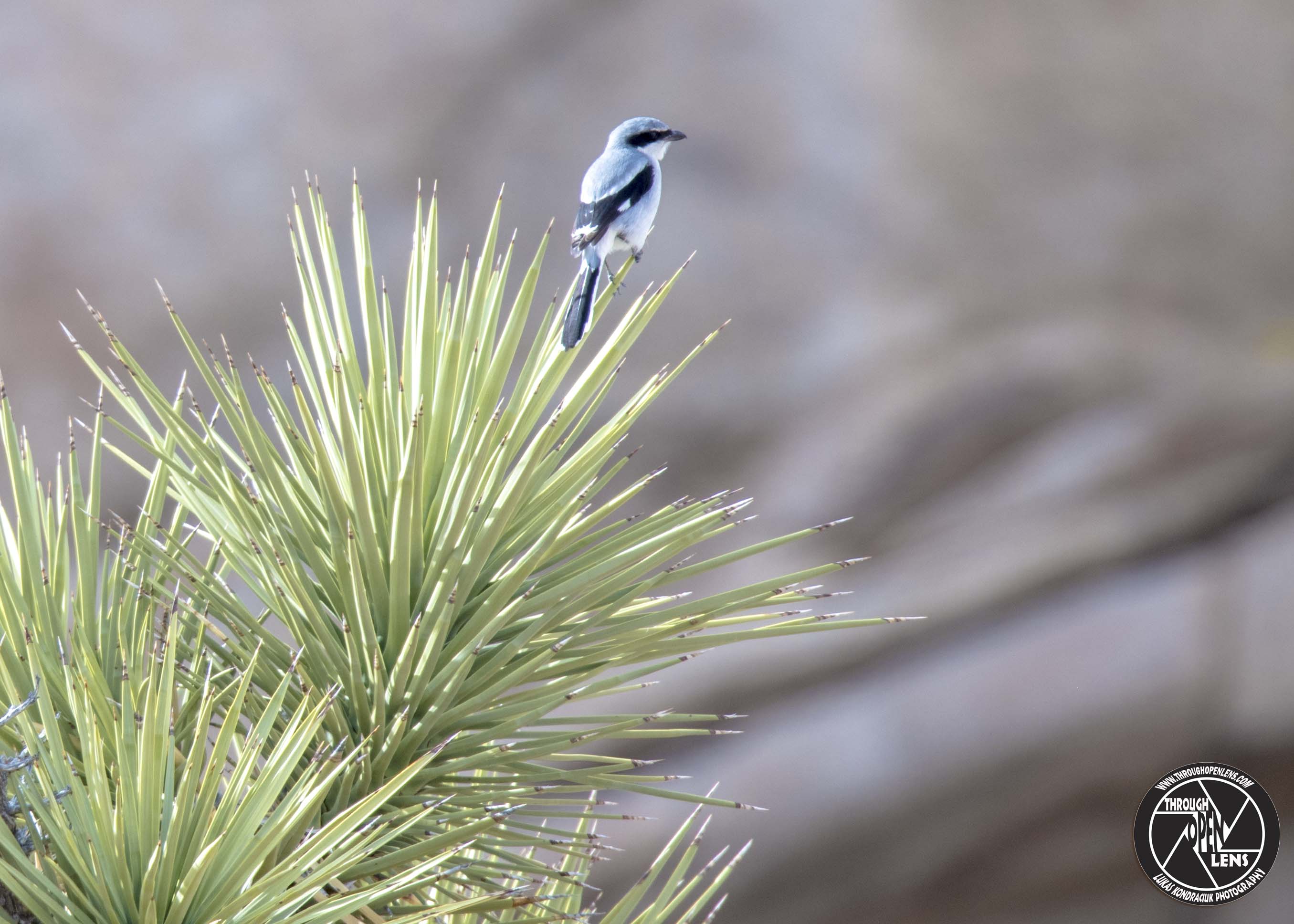
Life Is Like A Cactus, Full Of Pricks, But Also Very Beautiful.

F/8.0, 1/250, ISO 250.

Loggerhead Shrike

What is a soldiers least favorite month of the year?

March

Interesting Fact: Loggerhead Shrikes impale noxious prey such as monarch butterflies and eastern narrow-mouthed toads—then wait for up to three days to eat them, which allows time for the poisons to break down. These shrikes also eat the heads and abdomens of toxic lubber grasshoppers, while discarding the insect’s poisonous thorax. ( https://www.allaboutbirds.org/guide/Loggerhead_Shrike )


In Three Words I Can Sum Up Everything I’ve Learned About Life. IT GOES ON.

F/6.3, 1/640, ISO 200.

Canvesback

What do you call it when you have your Grandma on speed dial?

Instagram

Interesting Fact: Canvasbacks are social outside of the breeding season; they gather in large rafts by the thousands to tens of thousands. Only when winter food is scarce or clumped do they defend foraging areas against other Canvasbacks. ( https://www.allaboutbirds.org/guide/Canvasback/lifehistory )


I Was Going To Give You A Nesty Look… But I See You Already Have One…

osprey-1

F/7.1, 1/800, ISO 200.

Osprey

Why doesn’t Dracula have any friends?

Because he is a pain in the neck.

Interesting Fact: An Osprey may log more than 160,000 migration miles during its 15-to-20-year lifetime. Scientists track Ospreys by strapping lightweight satellite transmitters to the birds’ backs. The devices pinpoint an Osprey’s location to within a few hundred yards and last for 2-3 years. During 13 days in 2008, one Osprey flew 2,700 miles—from Martha’s Vineyard, Massachusetts, to French Guiana, South America.  ( https://www.allaboutbirds.org/guide/Osprey/lifehistory )

Will You Be My Valentine?!

F/6.3, 1/1000, ISO 450.

Mute Swan

What do you call a funny chicken?

A comedi-hen

Interesting Fact: Mute Swans form long-lasting pair bonds. Their reputation for monogamy along with their elegant white plumage has helped establish them as a symbol of love in many cultures. ( https://www.allaboutbirds.org/guide/Mute_Swan/lifehistory )

Bonus Valentine Facts:  Feb. 14 was officially designated St. Valentine’s Day in 1537 by King Henry VII of England. ( http://www.ibtimes.com/valentines-day-facts-history-fun-ideas-free-burritos-singles-awareness-other-things-1813226 )

I Came In Like A Wrecking Ball!

F/6.3, 1/500, ISO 400.

Black capped Chickadee 

Can your mother predict the future with cards?

Yes! She takes one look at my report card and tells me what will happen when my father gets home.

Interesting Fact: Chickadees are active, acrobatic, curious, social birds that live in flocks, often associating with woodpeckers, nuthatches, warblers, vireos, and other small woodland species. They feed on insects and seeds, but seldom perch within several feet of one another while taking food or eating. Flocks have many calls with specific meanings, and they may contain some of the characteristics of human language. ( https://www.allaboutbirds.org/guide/Black-capped_Chickadee/lifehistory )

Do Whatever Floats Your Boat… As Long As It Doesn’t Sink Mine.

F/5.6, 1/200, ISO 100.

California Sea Lion

A man walks into a bar where the only other occupant is a seal.
he orders a beer and hears the seal say “I like your tie.” confused the man ignores the seal.
But every few minutes the seal calls out another complement.
When the bartender comes the man asks “what’s with the mammal?”
to that the bartender replies “oh that is our seal of approval”

Interesting Fact: California sea lions may hunt continuously for up to 30 hours, with each dive lasting three to five minutes. ( http://animals.nationalgeographic.com/animals/mammals/california-sea-lion/ )

That Ducking Motherquacker!

F/10.0, 1/1600, ISO 800. 

Common Merganser

What’s the secret to telling a good postman joke?

It’s all in the delivery

Interesting Fact: Males chase each other during communal courtship displays, sometimes bumping or striking each other. Females sometimes lay their eggs in other ducks’ nests, including other Common Mergansers as well as Hooded Mergansers or Common Goldeneyes.  ( https://www.allaboutbirds.org/guide/Common_Merganser/lifehistory )

Keep On Knockin!

F/8.0, 1/800, ISO 800.

Red-Bellied Woodpecker 

What did one traffic light say to the other?

Don’t look at me while I’m changing!

Interesting Fact: These birds often stick to main branches and trunks of trees, where they hitch in classic woodpecker fashion, leaning away from the trunk and onto their stiff tail feathers as they search for food hiding in bark crevices. ( https://www.allaboutbirds.org/guide/Red-bellied_Woodpecker/lifehistory )


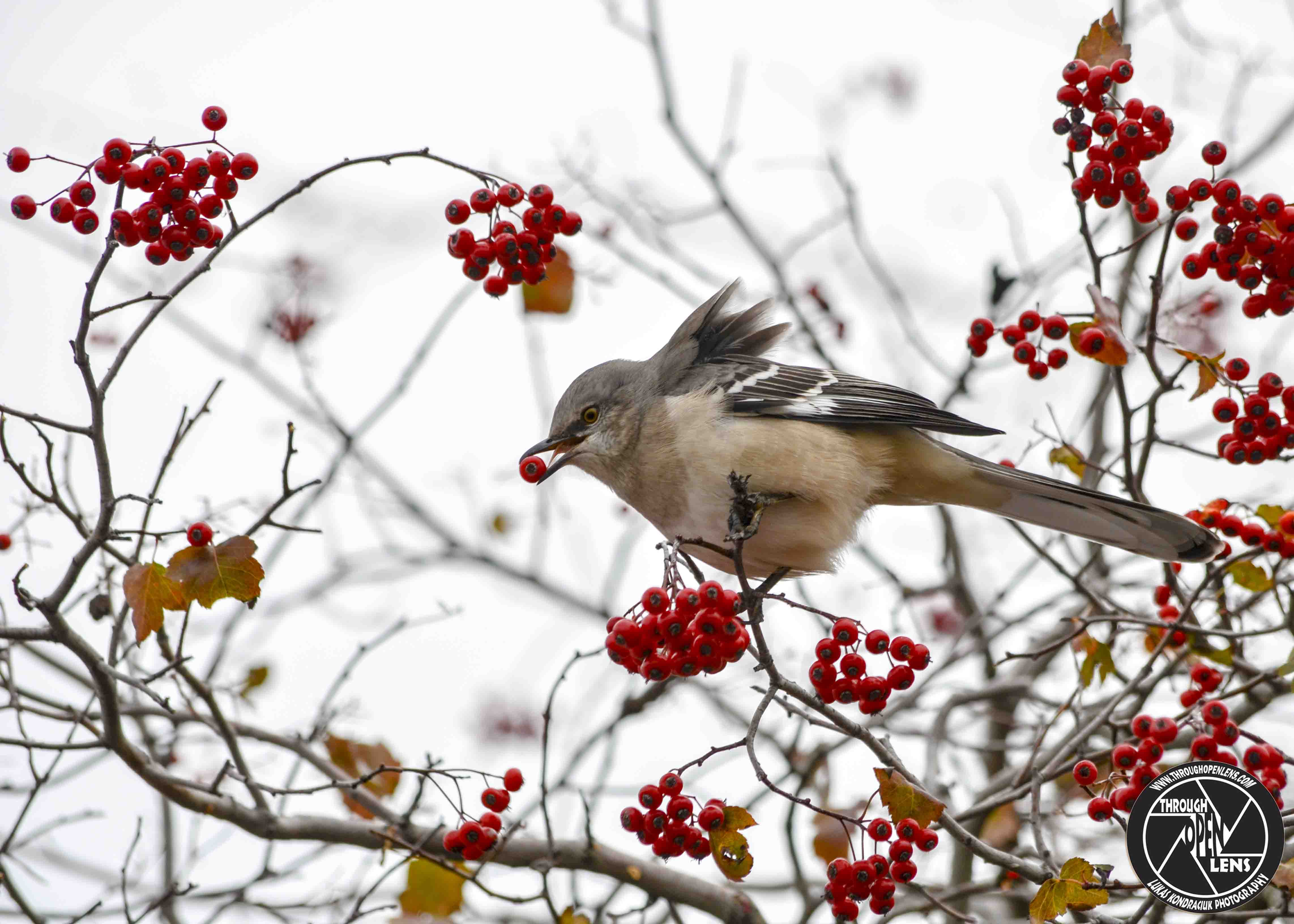
Hush, little baby, don’t say a word, Mama’s gonna buy you a mockingbird

F/7.1, 1/800, ISO 200.

Northern Mockingbird

Why shouldn’t you fart in an Apple Store?

They don’t have Windows.

Interesting Fact: Northern mockingbirds tend to imitate other birds and sounds they hear.  This bird is very territorial and will not hesitate to attack intruders.  ( https://americanexpedition.us/northern-mockingbird-facts-photos-and-information )

I’m So Tired All The Time… I’ve Got Too Many Feeders On My Plate.

annas-hummingbird

F/5.6, 1/80, ISO 200.

Anna’s Hummingbird

Why did the computer break up with the internet?

There was no “Connection”.

Interesting Fact:  The dive display of the Anna’s Hummingbird lasts about 12 seconds, and the male may fly to a height of 40 m (131 feet) during the display. He starts by hovering two to four meters (6-13 feet) in front of the display object (hummingbird or person), and then climbs in a wavering fashion straight up. He plummets in a near-vertical dive from the top of the climb and ends with an explosive squeak within half a meter of the display object. He then makes a circular arc back to the point where he began. On sunny days the dives are oriented so that the sun is reflected from the iridescent throat and crown directly at the object of the dive. ( https://www.allaboutbirds.org/guide/Annas_Hummingbird/lifehistory )