Let The Sea Set You Free.

F/13.0, 1/640, ISO 400.

Common Terns

Why was the math textbook so sad?

He had a lot of problems!

Interesting Fact: The Common Tern is sometimes called the sea swallow. A group of common terns are collectively known as a “committee” of terns. ( http://identify.whatbird.com/mwg/_/0/identify.whatbird.com/obj/465/overview/Common_Tern.aspx )


Listen To Me Meow!

Gray Catbird

F/5.6, 1/125, ISO1400.

Son: Dad I am cold!

Dad: Go stand in the corner it’s 90 degrees.

Interesting Fact:  The male Gray Catbird uses his loud song to proclaim his territory. He uses a softer version of the song when near the nest or when a bird intrudes on his territory. The female may sing the quiet song back to the male. ( https://www.allaboutbirds.org/guide/Gray_Catbird )

You Are Young. So Shut Up, And Enjoy Life.

F/5.6, 1/500, ISO 400.

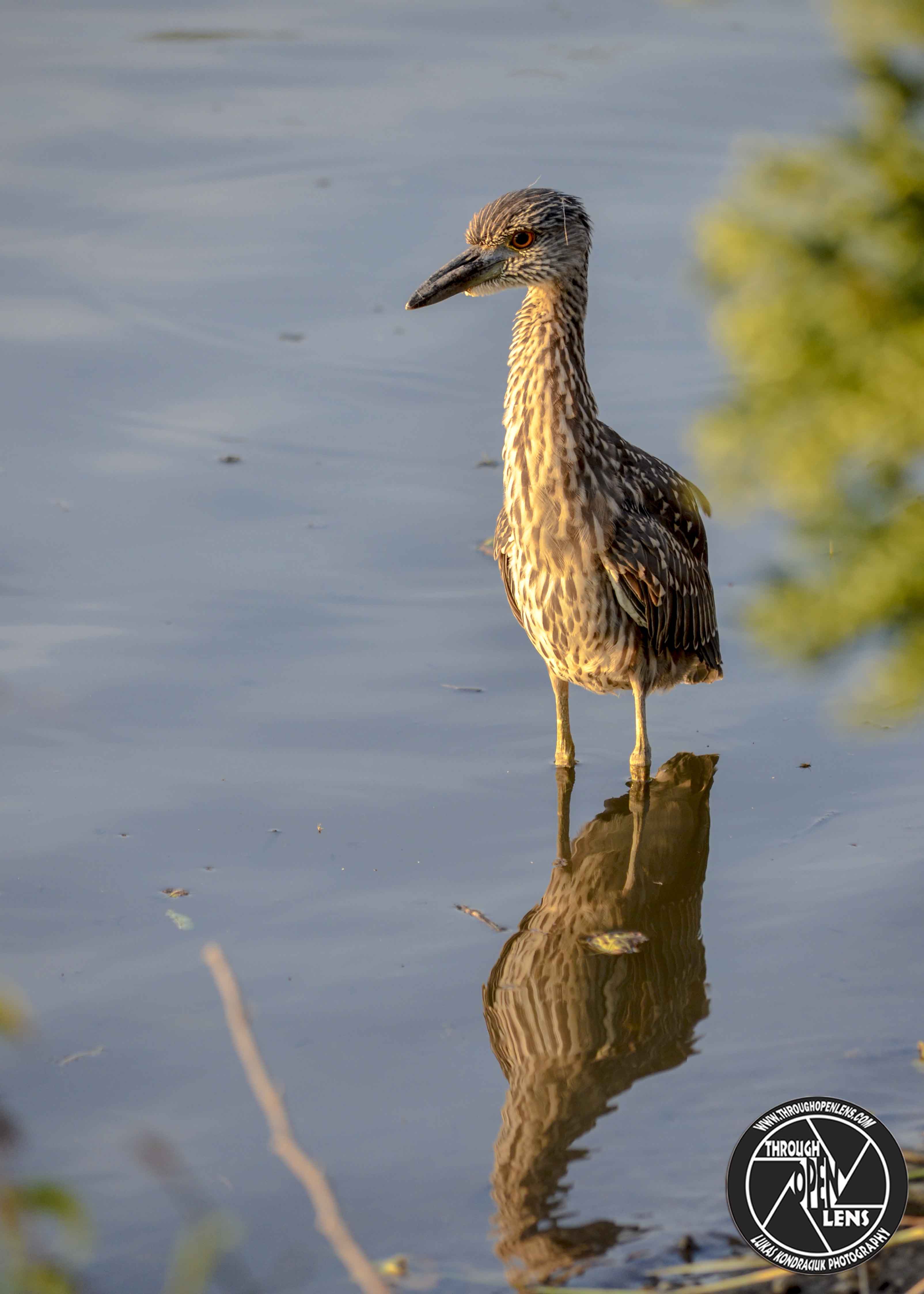
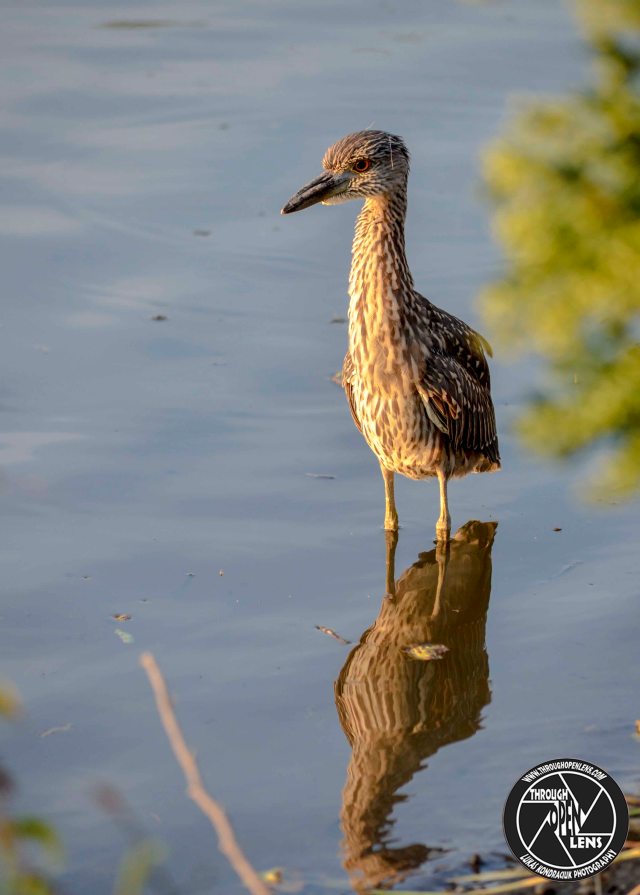
Yellow-crowned Night-Heron ( Juvenile ) 

Why was the baby strawberry crying?

Because her mom and dad were in a jam

Interesting Fact: Foraging birds stand still or slowly stalk crabs and other prey along shorelines, marshes, and fields. Once in striking range they lunge at their prey and seize it in their bill. They swallow small prey whole, but often shake apart, crush, or spear larger prey. They forage on their own, typically keeping other individuals at a distance of 15 feet or more. Courting Yellow-crowned Night-Herons make display flights around their colonies, sometimes with the neck conspicuously extended. Courting pairs make a neck-stretching display, slowly raising and then quickly pushing the head back between its shoulders, while fanning the long shoulder plumes. Males do this first and females sometimes follow. ( https://www.allaboutbirds.org/guide/Yellow-crowned_Night-Heron )

Sunshine Is My Favorite Accessory!

F/8.0, 1/250, ISO 100.

California Sea Lion 

What did E.T.’s mother say to him when he got home?

Where on Earth have you been?

Interesting Fact: The sea lion’s ancient ancestors, like those of whales and dolphins, lived on land. The modern animal is well adapted to an aquatic environment, with its streamlined body and powerful flippers. (The rear flippers rotate forward to allow a California sea lion to move surprisingly well on land.) California sea lions also boast thick layers of blubber to insulate their bodies from the chill of marine waters. ( https://www.nationalgeographic.com/animals/mammals/c/california-sea-lion/ )


Hey Go Nuts Today!

F/6.3, 1/640, ISO 200.

Eastern Gray Squirrel

Why do squirrels swim on their backs?

To keep their nuts dry.


Interesting Fact: Squirrels are extremely intelligent creatures. They are known to put on elaborate bogus food burying displays to deceive onlookers. The fake burials are to trick potential thieves, such as other squirrels or birds, into thinking that they have stored their food stock there. Any observers planning on taking the stash will then focus on the bogus burial site, allowing the squirrel to bury the real stash elsewhere safely ( http://www.onekind.org/be_inspired/animals_a_z/squirrel/ )


It’s Not Easy Being Green

F/6.3, 1/60, ISO 640.

Northern Green Frog

What’s the difference between a cat and a frog?

A Cat has nine lives but a Frog croaks every night!

Interesting Fact:  The northern green frog (Lithobates clamitans melanota[2]) is a subspecies of the green frog, Lithobates clamitans. It is native to the northeastern North America and has been introduced to British Columbia.[3] Its mating call sounds like the single note of a plucked banjo. It is also quite common in the pet trade. ( https://en.wikipedia.org/wiki/Northern_green_frog )

I Am Your Evil Knocker!

F/7.1, 1/200, ISO 320.

Hispaniolan Woodpecker

Two friends are talking:

“My ex updated her status on Facebook to standing on the edge of a cliff. ”

“So I poked her.”

Interesting Fact: Unlike most woodpeckers, the Hispaniolan woodpecker is a social species that takes advantage of having a large number of individual adult birds in the colony to protect a nesting bank or tree. There may be twenty pairs of birds in a colony, with several nesting in the same tree. The nests are excavated in trunks and branches, and discarded holes are reused by parrots, parakeets, trogons, the Antillean piculet and the golden swallow. ( https://en.wikipedia.org/wiki/Hispaniolan_woodpecker )


Just The Two Of Us!

F/11.0, 1/500, ISO 320.

Mourning Dove

Two girlfriends are chatting:

My ex-husband was very responsible.

If anything went wrong, he was usually responsible for it.

Interesting Fact: The Mourning Dove is the most widespread and abundant game bird in North America. Every year hunters harvest more than 20 million, but the Mourning Dove remains one of our most abundant birds with a U.S. population estimated at 350 million. ( https://www.allaboutbirds.org/guide/Mourning_Dove/ )


Funny How Everything Goes Your Way When You Stop Giving A F*ck!

F/6.3, 1/160, ISO 125.

Tricolored Heron

Where do sheep go for summer vacation?

The Baa-hamas

Interesting Fact: Angsty teenagers aren’t just a human phenomenon. As Tricolored Herons get older they often lunge and snap at their parents when they arrive at the nest with food. To appease the youngsters, parents greet them with bows.  ( https://www.allaboutbirds.org/guide/Tricolored_Heron/overview )  

Life Is Good Take It Slow

F/7.1, 1/200, ISO 200.

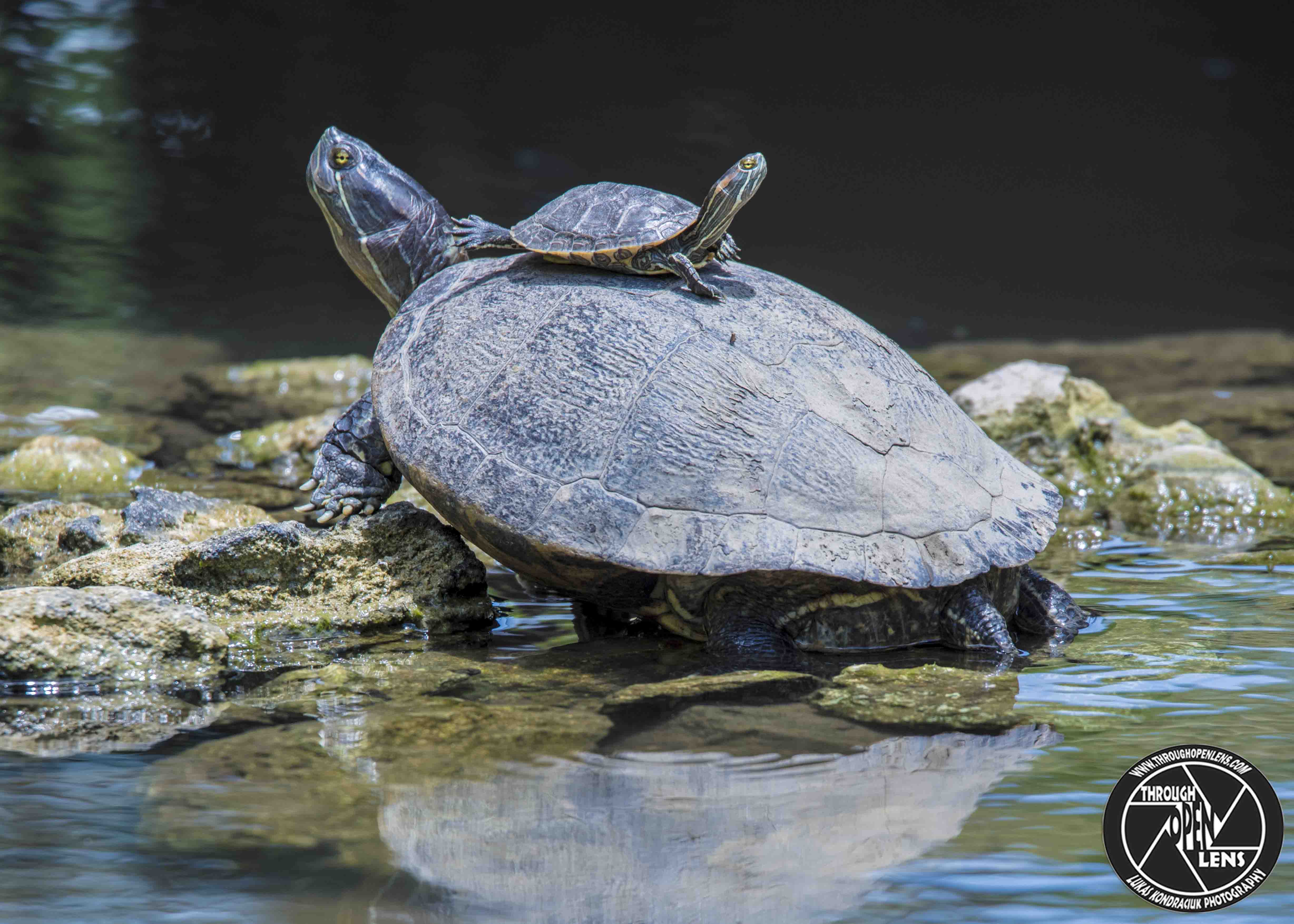
Hispaniolan slider

What do sheep do on nice summer days?

Go to a baa-baa-cue.

Interesting Fact: Unlike red-eared sliders, they do not have red patches on their heads. They have distinct light and dark stripes on their necks, feet, and tails. The tops of their shells are brown and the bottoms are yellow. ( https://en.wikipedia.org/wiki/Hispaniolan_slider )