How Is My Posture?

F/6.3, 1/125, ISO 320.

Ruby-crowned Kinglet 

Why did the skeleton go to the BBQ?

To get some spare ribs!

Interesting Fact:  Breeding pairs of Ruby-Crowned Kinglets stay together for two months, until their chicks fledge. Ruby-Crowned Kinglets use their long, bubbly, and amazingly loud songs to establish territories; this is more energy efficient than chasing and less dangerous than fighting. They can be recognized by a constant flicking of their wings. ( https://www.allaboutbirds.org/guide/Ruby-crowned_Kinglet/lifehistory )



The Juice Is Worth The Squeeze!

F/11.0, 1/500, ISO 320.

House Finch

What do you call a fake noodle?

An impasta.

Interesting Fact: A highly social bird, the House Finch is rarely seen alone outside of the breeding season, and may form flocks as large as several hundred birds. House Finches feed mainly on the ground or at feeders or fruiting trees. At rest, they commonly perch on the highest point available in a tree, and flocks often perch on power lines. ( https://www.allaboutbirds.org/guide/House_Finch/lifehistory )

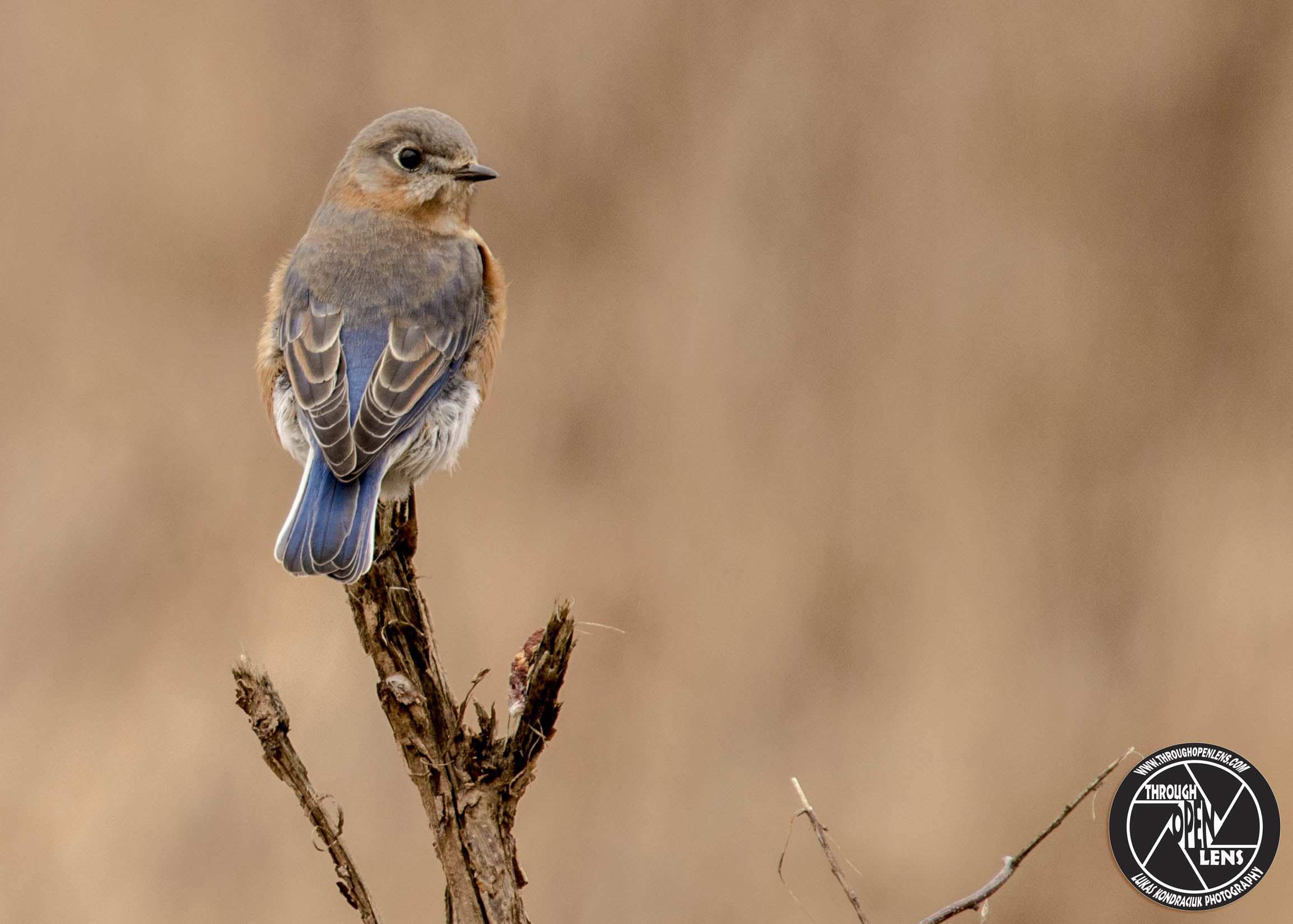
You’re My Boy Blue!

F/7.1, 1/200, ISO 400.

Eastern Bluebird

Why don’t they play poker in the jungle?

Too many cheetahs.

Interesting Fact: This small, brightly colored thrush typically perches on wires and fence posts overlooking open fields. The birds forage by fluttering to the ground to grab an insect, or occasionally by catching an insect in midair. Bluebirds can sight their tiny prey items from 60 feet or more away. They fly fairly low to the ground, and with a fast but irregular pattern to their wingbeats. ( https://www.allaboutbirds.org/guide/Eastern_Bluebird/lifehistory )


Let’s Dance!

F/10.0, 1/400, ISO 320.

Greater Yellowlegs & Green-Winged Teal Duck ( Female ) 

Why did the Vampire get fired from the Blood Bank?

He was caught drinking on the job.

Interesting Fact: The Greater Yellowlegs walks with a distinctive high-stepping gait across wetlands when foraging, occasionally dashing forward in pursuit of a prey item. Compared to other shorebirds, the Greater Yellowlegs is often rather solitary. ( https://www.allaboutbirds.org/guide/Greater_Yellowlegs/lifehistory )


You Can’t Make Everybody Happy. You’re Not Pizza!

F/8.0, 1/250, ISO 250.

Dark-Eyed Junco  

Why aren’t there any famous skeletons?

They’re a bunch of no bodies.

Interesting Fact: When foraging, Dark-eyed Juncos typically hop (rather than walk) on the ground, pecking or scratching at the leaf litter, or flit very low in underbrush gleaning food from twigs and leaves. They sometimes fly up from the ground to catch insects from tree trunks. ( https://www.allaboutbirds.org/guide/Dark-eyed_Junco/lifehistory )


I’m Feeling A Little Froggy!

F/6.3, 1/50, ISO 500.

Southern Leopard Frog

Want to hear a dirty joke?

The white horse fell in the mud.

Interesting Fact: This frog lives in many types of shallow freshwater habitat and sometimes in slightly brackish water. It is usually found close to water but it can stay on dry land for long periods of time.[8] During warmer months it moves away from the water for most of the time.[10] It is mostly nocturnal,[10] but it can be active during the day and the night, especially during rainfall. It breeds in the winter and spring, and sometimes in the fall; heavy periods of rainfall trigger breeding.[8] The egg mass is connected to aquatic vegetation.[9] It typically nests communally in cooler weather, and individually in warmer weather.[11][12] Eggs hatch in 4 days to nearly two weeks.[10] The tadpoles take 50 to 75 days to develop to adulthood. ( https://en.wikipedia.org/wiki/Southern_leopard_frog )

I Feel Proud To Be A Bird!

F/10.0, 1/400, ISO 400.

Yellow-Rumped Warbler

What’s a vampire’s favorite fruit?

Neck-tarine

Interesting Fact: In winter, Yellow-rumped Warblers join flocks and switch to eating berries from fruiting shrubs. Sometimes the flocks are enormous groups consisting entirely of Yellow-rumped Warblers. If another bird gets too close, Yellow-rumped Warblers indicate the infraction by holding the body horizontally, fanning the tail, and raising it to form a right angle with its body. ( https://www.allaboutbirds.org/guide/Yellow-rumped_Warbler/lifehistory )

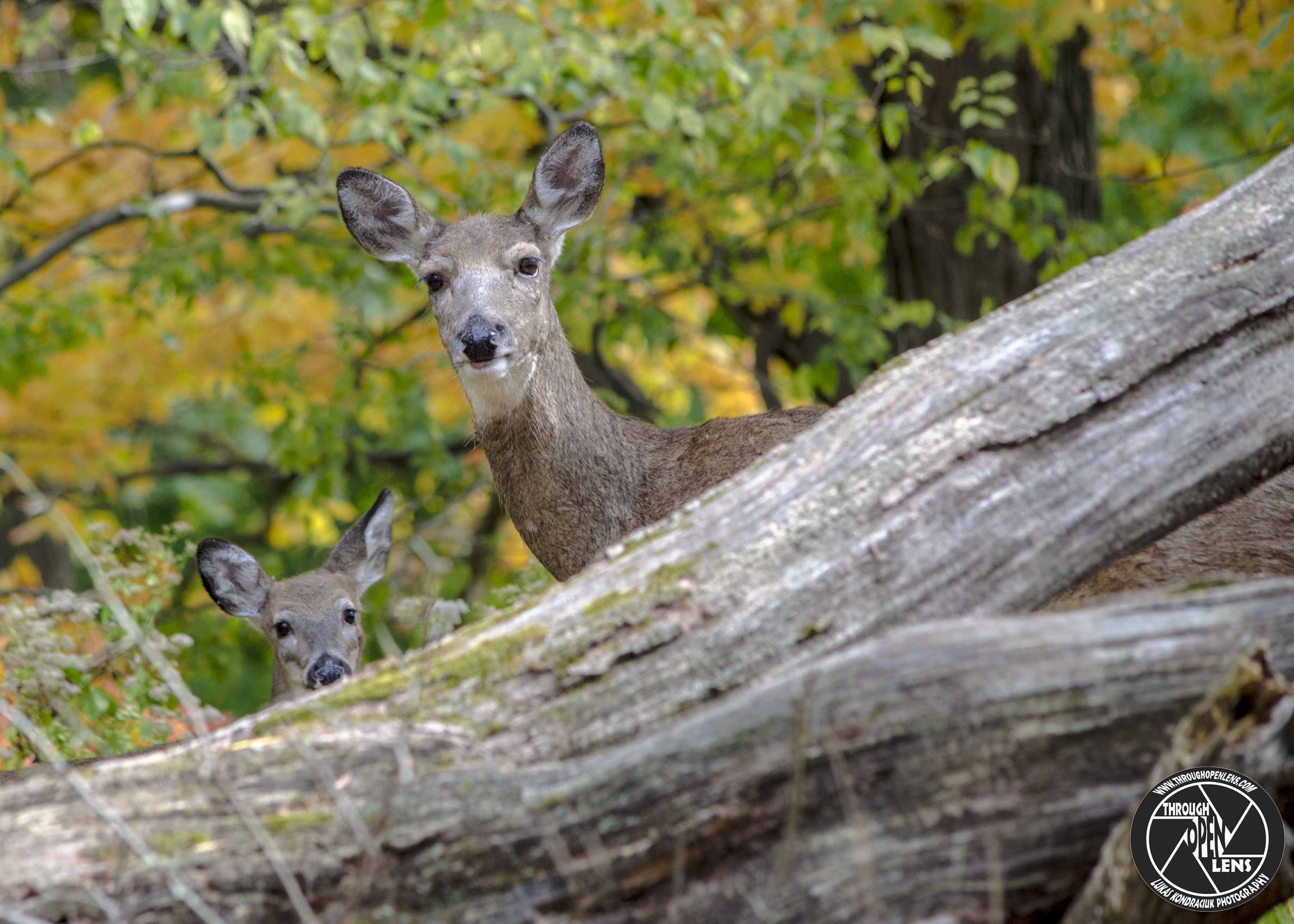
Sometimes They Come Back Again!

F/5.0, 1/250, ISO 400.

White-Tailed Deer

Where do old bowling balls end up?

In the gutter!

Interesting Fact: The fawn is also weaned by the time it loses its spots. By November the average whitetail male fawn will weigh close to 80 to 85 pounds, and the female fawn will weigh 75 to 80 pounds. As the spots disappear, the fawn’s coat also changes from its reddish color to a grayish winter coat. The buck fawn’s face grows a bit darker in color but the belly remains white. ( http://www.the-whitetail-deer.com/whitetail-deer-fawns.html )


I Know A Morse Code!

F/6.3, 1/640, ISO 2200.

Yellow-Bellied Sapsucker

Why are gold fish orange?

The water makes them rusty!

Interesting Fact: The Yellow-bellied Sapsucker is the only woodpecker in eastern North America that is completely migratory. Although a few individuals remain throughout much of the winter in the southern part of the breeding range, most head farther south, going as far south as Panama. Females tend to migrate farther south than do males. ( https://www.allaboutbirds.org/guide/Yellow-bellied_Sapsucker/overview )

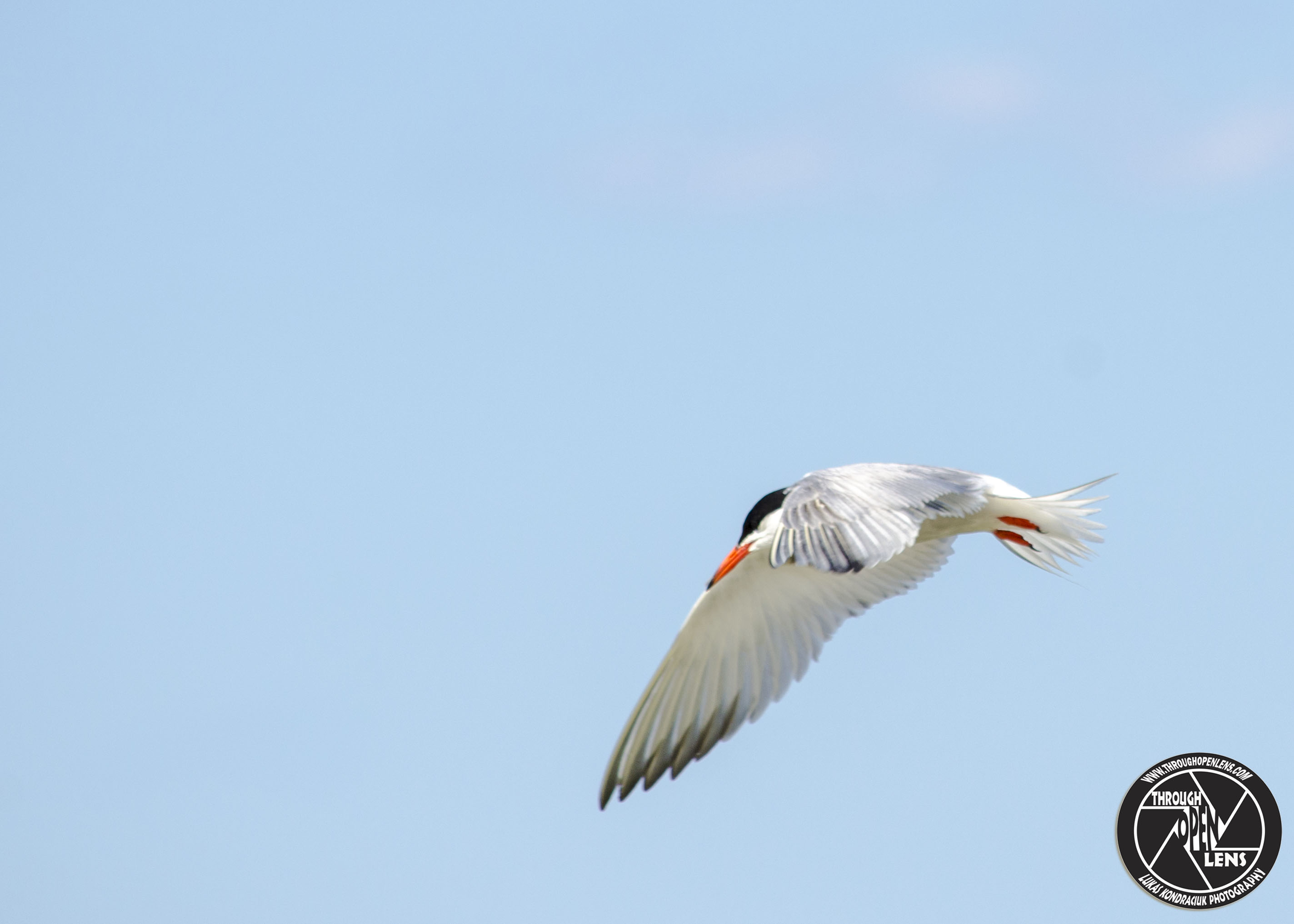
F.L.Y. ( First Love Yourself )

F/7.1, 1/800, ISO 200.

Common Tern

Why do you always see teen girls in groups of three?

Because they literally can’t even.

Interesting Fact: Males and females make a small scrape on the ground. Females add dead vegetation that has washed onshore, shell fragments, bones, stones, and sometimes plastic to the nest scrape before and after laying eggs.  ( https://www.allaboutbirds.org/guide/Common_Tern/lifehistory )