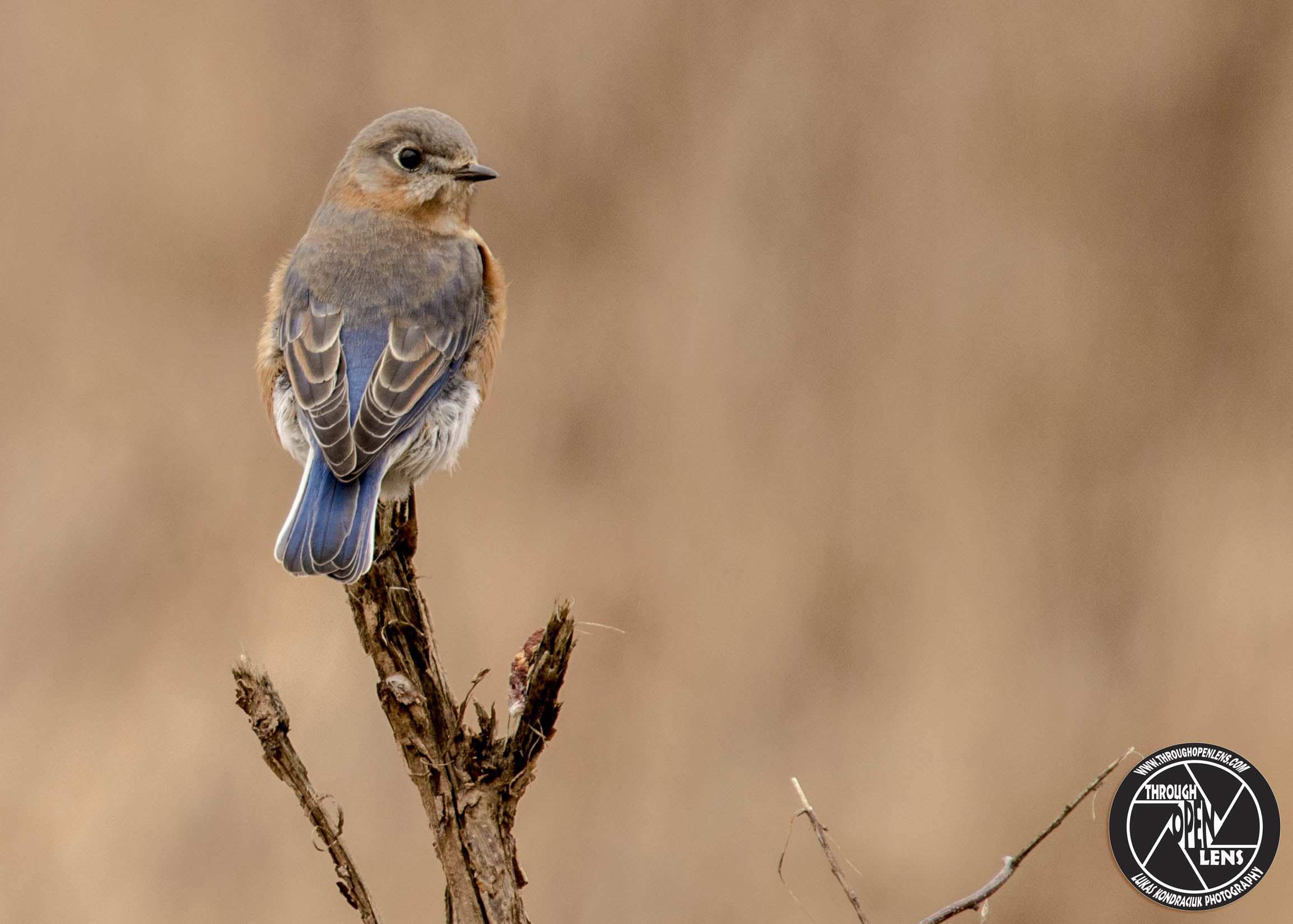
You’re My Boy Blue!

F/7.1, 1/200, ISO 400.

Eastern Bluebird

Why don’t they play poker in the jungle?

Too many cheetahs.

Interesting Fact: This small, brightly colored thrush typically perches on wires and fence posts overlooking open fields. The birds forage by fluttering to the ground to grab an insect, or occasionally by catching an insect in midair. Bluebirds can sight their tiny prey items from 60 feet or more away. They fly fairly low to the ground, and with a fast but irregular pattern to their wingbeats. ( https://www.allaboutbirds.org/guide/Eastern_Bluebird/lifehistory )
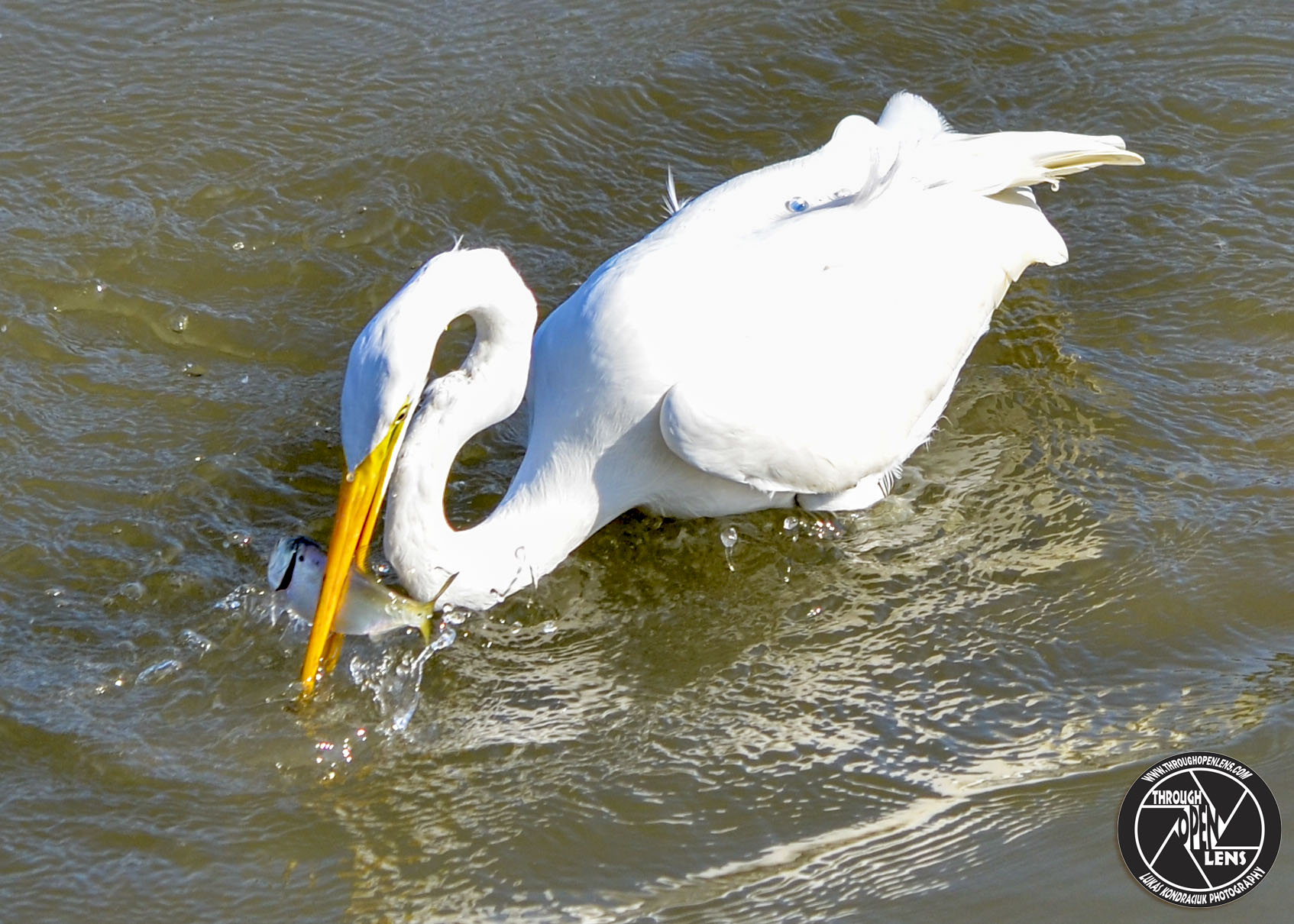


May The Fish Be With You!

F/6.3, 1/640, ISO 200.

Great Egret 

What did the ghost teacher say to her class?

Watch the board and I’ll go through it again.

Interesting Fact: Visit a pond or coastal marsh and look for an all-white bird—slightly smaller than a Great Blue Heron, with black legs and a yellow bill. It may be wading slowly or standing stock-still, peering intently at the water as it searches for fish. If you live outside of the species’ breeding range, you may still see Great Egrets in late summer as they move about widely before heading to their wintering grounds. ( https://www.allaboutbirds.org/guide/Great_Egret )


Caution Chicks At Play! 

F/5.6, 1/1000, ISO 200.

Wild Turkeys Chicks

What did the mama turkey say to her naughty son?

If your papa could see you now, he’d turn over in his gravy!

Interesting Fact: Male Wild Turkeys provide no parental care. Newly hatched chicks follow the female, who feeds them for a few days until they learn to find food on their own. As the chicks grow, they band into groups composed of several hens and their broods. Winter groups sometimes exceed 200 turkeys. ( https://www.allaboutbirds.org/guide/Wild_Turkey/lifehistory )

What The Hell Am I Looking At?!

F/6.3, 1/160, IOS 320.

Wild Turkey

Why do turkeys eat so little?

Because they are always stuffed!

Interesting Fact:They usually roost in flocks, but sometimes individually. Courting males gobble to attract females and warn competing males. They display for females by strutting with their tails fanned, wings lowered, while making nonvocal hums and chump sounds. Males breed with multiple mates and form all-male flocks outside of the breeding season, leaving the chick-rearing to the females, The chicks travel in a family group with their mother, often combining with other family groups to form large flocks of young turkeys accompanied by two or more adult females. ( https://www.allaboutbirds.org/guide/Wild_Turkey/lifehistory )

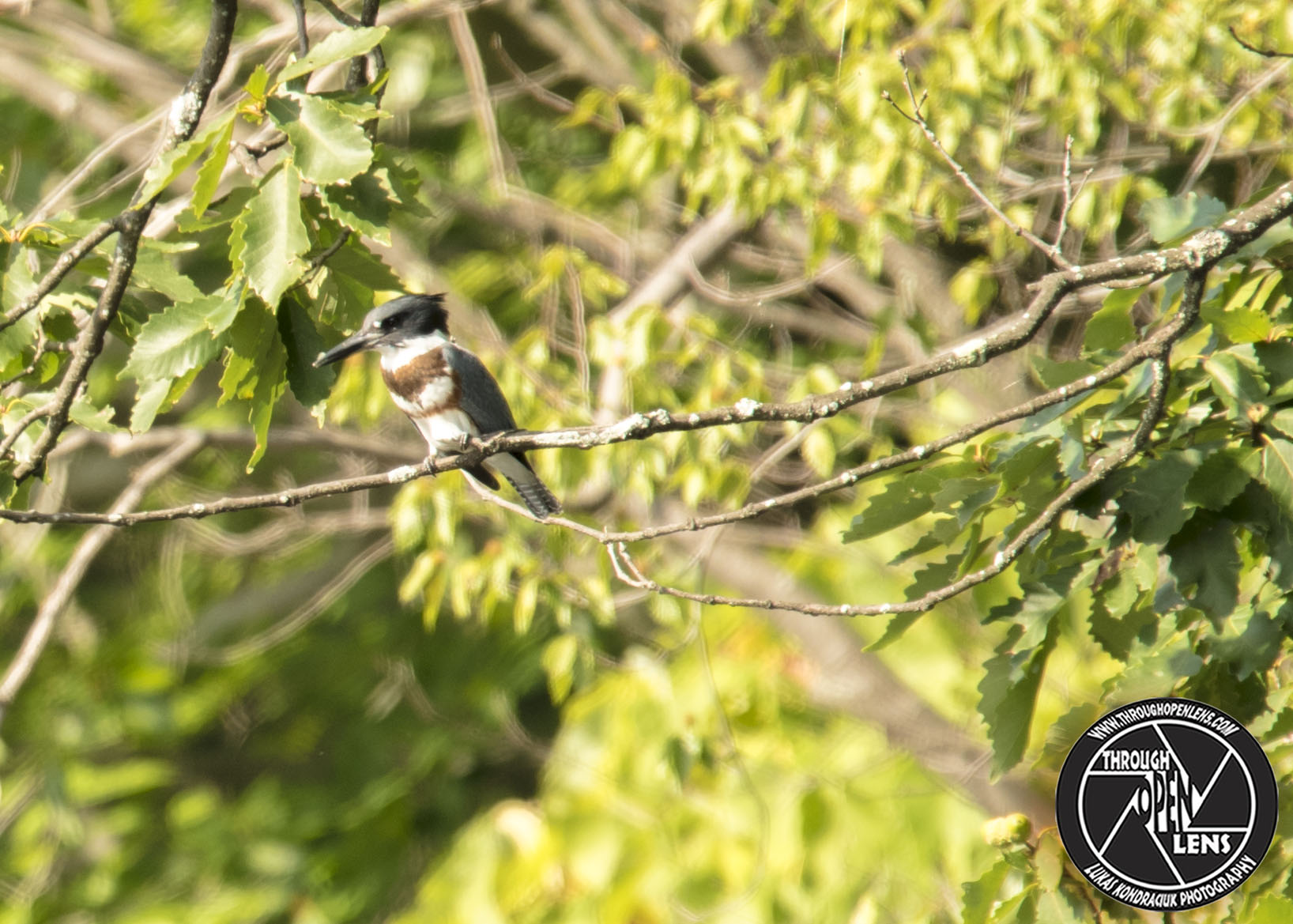
They Don’t Call Me King For Nothing

F/7.1, 1/200, ISO 200.

Belted Kingfisher

What is a baby’s motto?

If at first you don’t succeed cry cry again!

Interesting Fact: The breeding distribution of the Belted Kingfisher is limited in some areas by the availability of suitable nesting sites. Human activity, such as road building and digging gravel pits, has created banks where kingfishers can nest and allowed the expansion of the breeding range. ( https://www.allaboutbirds.org/guide/Belted_Kingfisher/lifehistory )

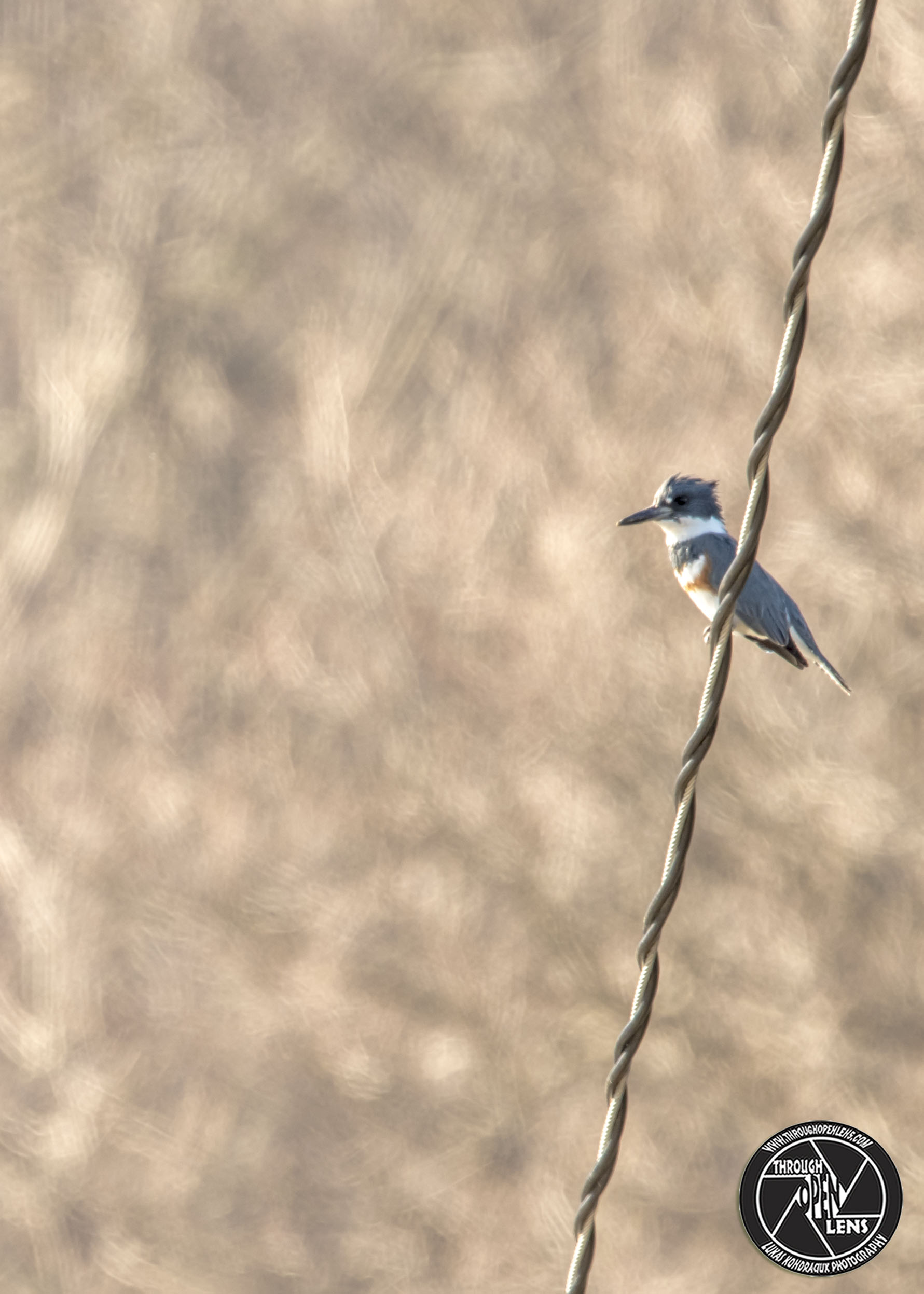
It’s Good To Be The King

F/7.1, 1/200, ISO 250.

Belted Kingfisher

What do you call a pig that does karate?

A pork chop.

Interesting Fact: Belted Kingfishers excavate burrows in earthen banks, usually avoiding ones with vegetation (especially trees, whose roots get in the way of digging). They generally choose a bank near water, but may use a ditch, road cut, landfill, sand pit, or gravel pit far from water. A pair may select a nest site during courtship, usually high in the bank where floodwaters are unlikely to reach. The male probes the bank with his bill, flying back and forth to the female, who calls continuously from a nearby perch. ( https://www.allaboutbirds.org/guide/Belted_Kingfisher/lifehistory )

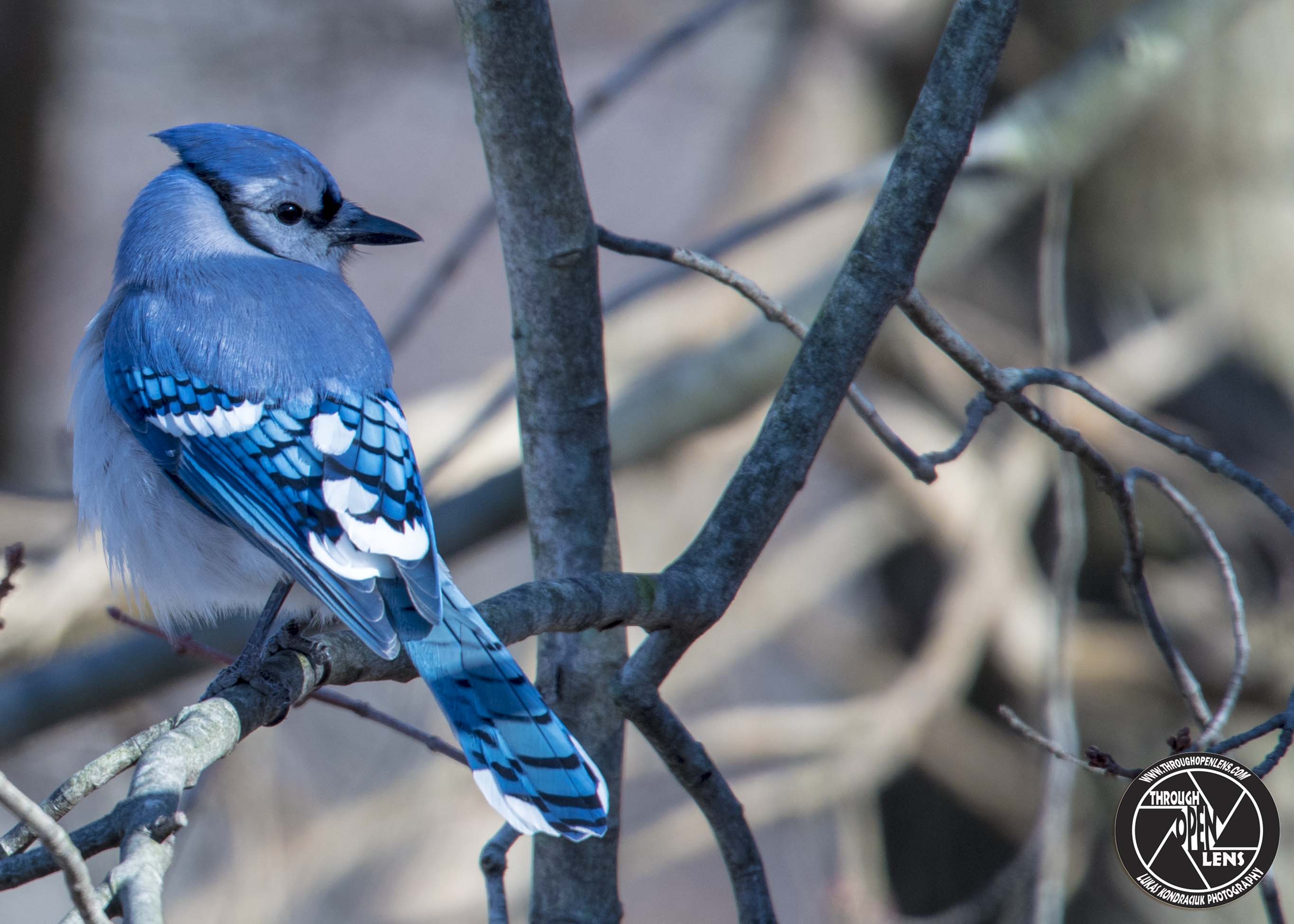
Blue You Away!

F/7.1, 1/200, ISO 250.

Blue Jay 

Why do ghosts have so much trouble dating?

Women can see right through them.

Interesting Fact: This common, large songbird is familiar to many people, with its perky crest; blue, white, gray, and black plumage; and noisy calls. Blue Jays are known for their intelligence and complex social systems, and have tight family bonds. They often mate for life, remaining with their social mate throughout the year. ( https://www.allaboutbirds.org/guide/Blue_Jay/lifehistory )


Giggity, Giggity, Quack!

F/11.0, 1/500, ISO 500.

Ruddy Duck

What did the calculator say to the cashier?

You can count on me.

Interesting Fact:  Most males pair up with one female each for the duration of the breeding season, but some take multiple mates. Their eggs are proportionally the largest of all waterfowl. The ducklings hatch well-developed and active, receiving minimal care from the mother and none from the father. ( https://www.allaboutbirds.org/guide/Ruddy_Duck/lifehistory )

REMEMBER! You Are What You Eat!

HAPPY THANKSGIVING EVERONE!!!

F/7.1, 1/200, ISO 400.

Wild Turkey Female

What did the turkey say to the computer?

Google, Google, Google

Interesting Fact: The female scratches a shallow depression in the soil, about 1 inch deep, 8–11 inches wide, and 9–13 inches long. Wild Turkeys use only the dead leaves or other plant materials already present at the nest site. ( https://www.allaboutbirds.org/guide/Wild_Turkey/lifehistory )


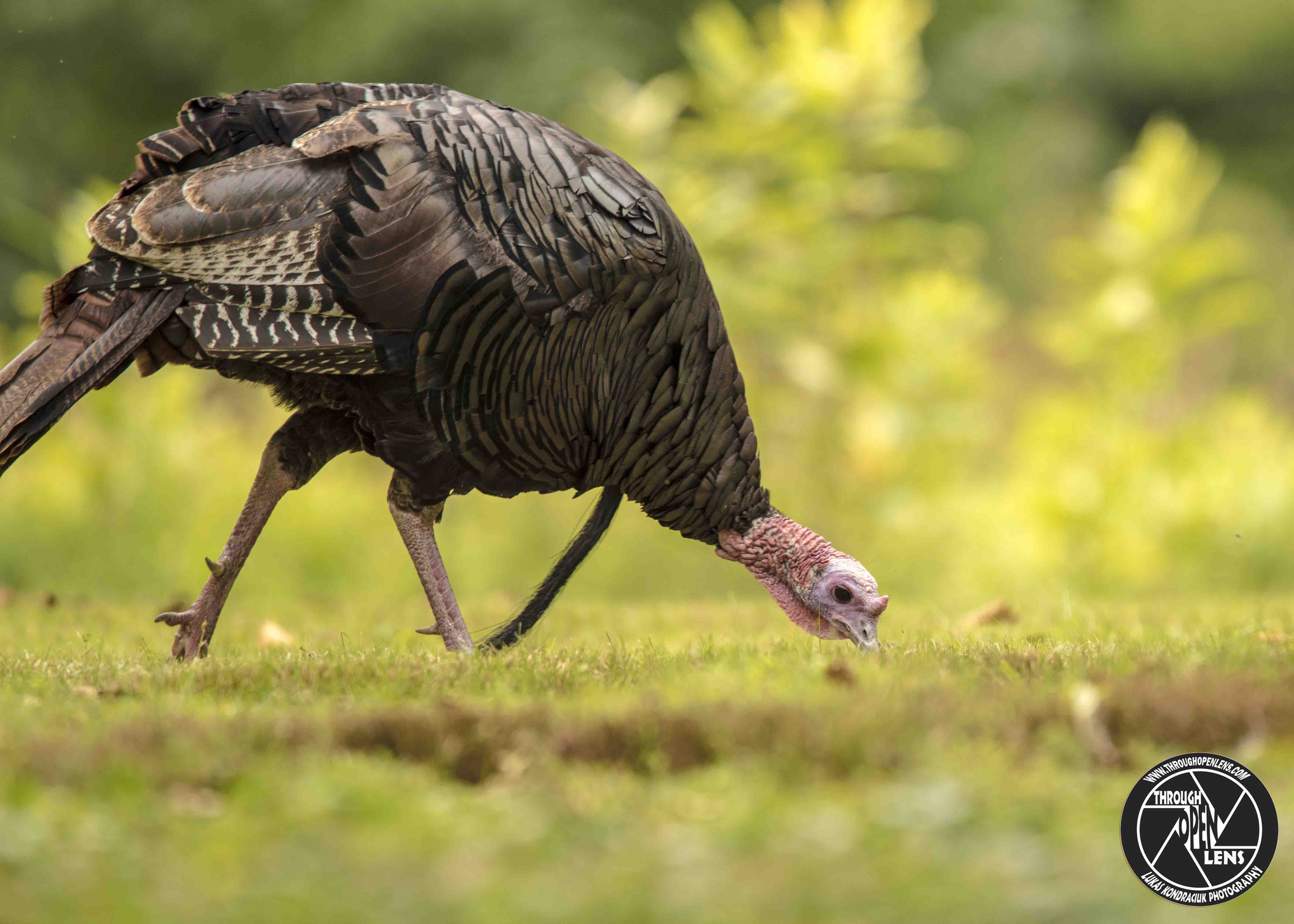
Don’t Forget To Set Your Scales Back 15 lbs Tonight.

F/6.3, 1/50, ISO 500.

Wild Turkey Male

What happened then the Turkey got into a fight?

He got the stuffing knocked out of him.

Interesting Fact: They display for females by strutting with their tails fanned, wings lowered, while making nonvocal hums and chump sounds. Males breed with multiple mates and form all-male flocks outside of the breeding season, leaving the chick-rearing to the females, The chicks travel in a family group with their mother, often combining with other family groups to form large flocks of young turkeys accompanied by two or more adult females. ( https://www.allaboutbirds.org/guide/Wild_Turkey/lifehistory )