I Am Happy To See You!

F11.0, 1/500, ISO 400.

Ruddy Ducks

What do you call a bee that lives in America?

A USB

Interesting Fact: Ruddy Ducks are very aggressive toward each other and toward other species, especially during the breeding season. Unlike most ducks, they form pairs only after arriving on the breeding grounds each year. Males perform unusual courtship displays in which they stick their tails straight up while striking their bills against their inflated necks, creating bubbles in the water as air is forced from their feathers. They punctuate the end of the display with a belch-like call. ( https://www.allaboutbirds.org/guide/Ruddy_Duck/lifehistory )

 

Once You Stop Chasing The Wrong Things, The Right Ones Catch You.

F/9.0, 1/320, ISO 160.

Wood Duck

How does a man show he’s planning for the future?

He buys two cases of Beer instead of one.

Interesting Fact: Wood ducks cavities are typically places where a branch has broken off and the tree’s heartwood has subsequently rotted. Woodpecker cavities are used less frequently. Wood Ducks cannot make their own cavities. The nest tree is normally situated near to or over water, though Wood Ducks will use cavities up to 1.2 miles from water. ( https://www.allaboutbirds.org/guide/Wood_Duck/lifehistory )


Quack, Damn You!

F/7.1, 1/200, ISO 160.

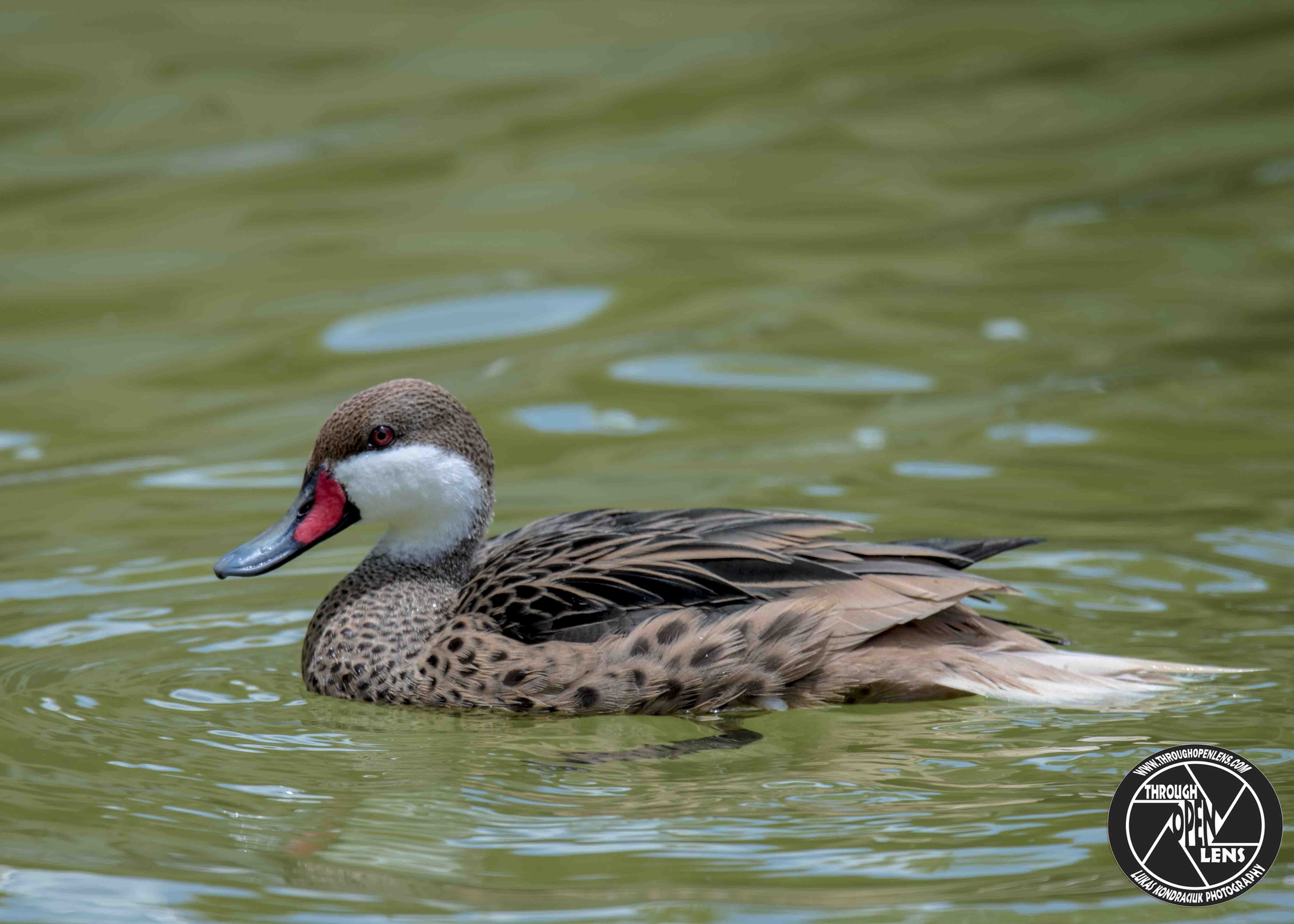
White-Cheeked Pintail 

Did you hear the one about the airplane?

Oh, never mind, it’s probably over your head.

Joke provided by:  Russell Smith ecstaticeclectica.com

Interesting Fact: The White-cheeked Pintail was first described in 1758 by Carolus Linnaeus, Swedish botanist, physician and zoologist. ( http://identify.whatbird.com/obj/1029/overview/White-cheeked_Pintail.aspx )


Time To Start Dabbling!

F/10.0, 1/400, ISO 400.

Northern Shoveler 

What do you call a dinosaur that sits on nails?

Megasaurus (mega sore ass).

Interesting Fact: Northern Shoveler pairs are monogamous, and remain together longer than pairs of other dabbling duck species. ( https://www.allaboutbirds.org/guide/Northern_Shoveler/lifehistory )


Quit Staring AT Me!

F/6.3, 1/80, ISO 500.

Common Gallinule

What do u call a police officer that works in bed?

A undercover cop.

Interesting Fact: Males and females construct a wide bowl of grasses and sedges. Males tend to collect most of the nesting material while females arrange and anchor it to emergent vegetation near the water’s edge. Common Gallinule nests are around 10–12 inches wide.  ( https://www.allaboutbirds.org/guide/Common_Gallinule/lifehistory )

Little Duckies Need Some Snackies

F/5.6, 1/160, ISO 100.

Mallard Female with Ducklings

Who earns a living driving their customers away?

A taxi driver.

Interesting Fact:  The female forms a shallow depression or bowl on the ground in moist earth. She does not carry material to the nest but rather pulls vegetation she can reach toward her while sitting on nest. During egg-laying phase, she lines the nest with grasses, leaves, and twigs from nearby. She also pulls tall vegetation over to conceal herself and her nest. After incubation begins, she plucks down feathers from her breast to line the nest and cover her eggs. The finished nest is about a foot across, with a bowl for the eggs that is 1–6 inches deep and 6–9 inches across. ( https://www.allaboutbirds.org/guide/Mallard/lifehistory )


Everything In Your Life Is Reflection Of A Choice You Have Made, If You Want A Difrent Result, Make A Different Choice.

F/10.0, 1/400, ISO 320, Photoshop CS6.

Mute Swan

A pirate was on his ship and his watchman comes to him and says, “1 enemy ship on the horizont.”

The captain says, “Bring me my red shirt, no men get injured or die.”

So the watchman comes to him and asks, “Why did you want your red shirt?”

The captain says, “Because if i get injured they won’t see and keep on fighting.”

So the watchman comes to him again and says, “20 enemy ships on the horizont.”

The captain says, “Bring me my brown pants.”

Interesting Fact:  Mute Swans can adapt to degraded habitat and actually benefit from the spread of the invasive common reed Phragmites australis, which flourishes in disturbed sites. As the reeds spread into lakes and ponds, the swans can build nests farther offshore in the reed beds, where they’re safer from egg predators. ( https://www.allaboutbirds.org/guide/Mute_Swan/lifehistory )

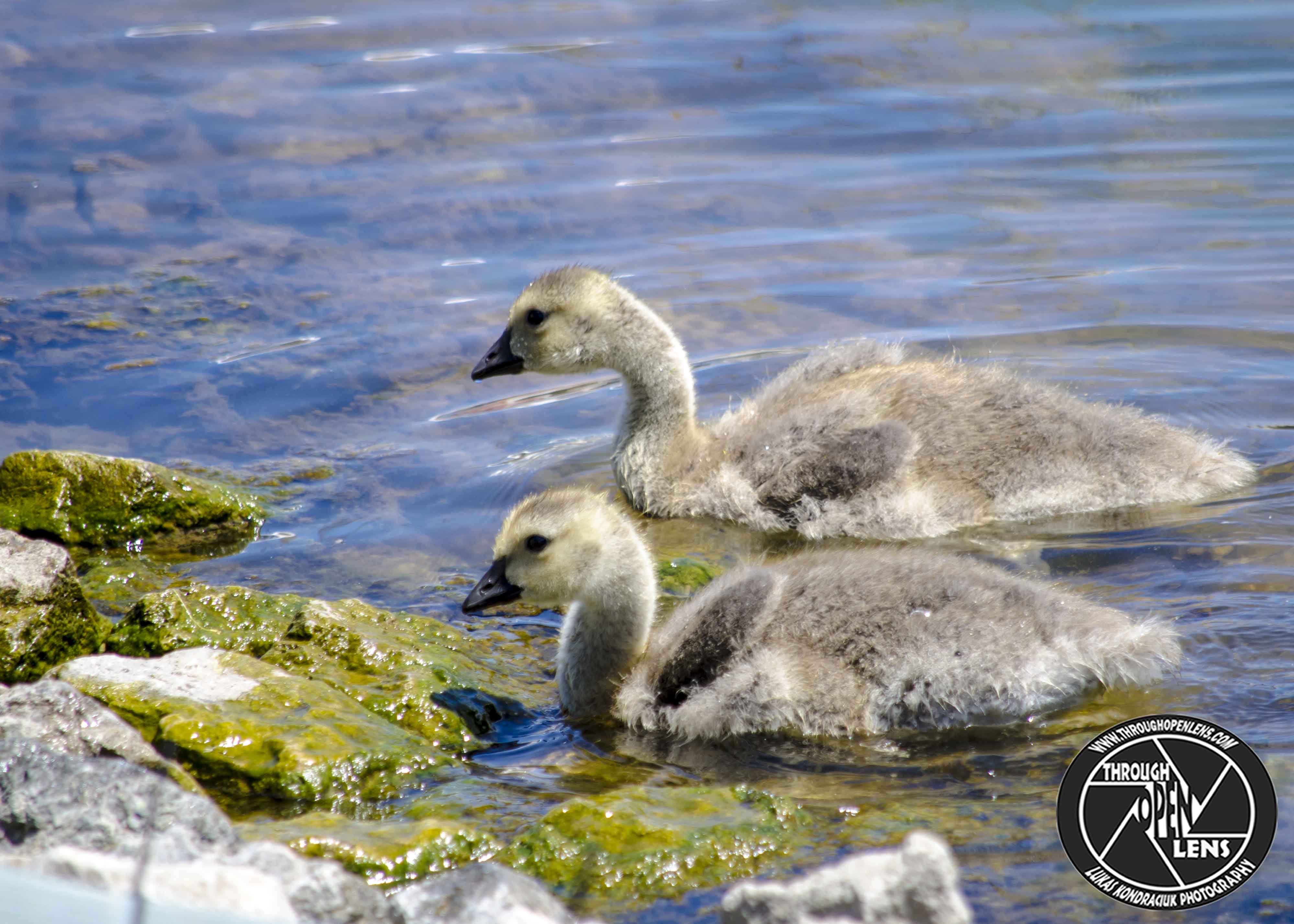
Baby Time!

F/5.6, 1/320, ISO 100.

Canada Goose Goslings

What did the blanket say to the bed?

Don’t worry, I’ve got you covered!

Interesting Fact: Canada Geese eat grain from fields, graze on grass, and dabble in shallow water by tipping forward and extending their necks underwater. During much of the year they associate in large flocks, and many of these birds may be related to one another. They mate for life with very low “divorce rates,” and pairs remain together throughout the year. Geese mate “assortatively,” larger birds choosing larger mates and smaller ones choosing smaller mates; in a given pair, the male is usually larger than the female. Most Canada Geese do not breed until their fourth year; less than 10 percent breed as yearlings, and most pair bonds are unstable until birds are at least two or three years old. Extra-pair copulations have been documented. ( https://www.allaboutbirds.org/guide/Canada_Goose/lifehistory )

For That Reason, I’M OUT!

F/8.0, 1/250, ISO 160.

Common Gallinule

Wanna hear a joke about construction?

Never mind, I’m still working on it.

Interesting Fact: Common Gallinules nest in marshes, lakes, and ponds with emergent vegetation. They tend to build nests on top of thick mats of aquatic plants near the water’s edge, but sometimes nest in trees or shrubs. ( https://www.allaboutbirds.org/guide/Common_Gallinule/lifehistory )

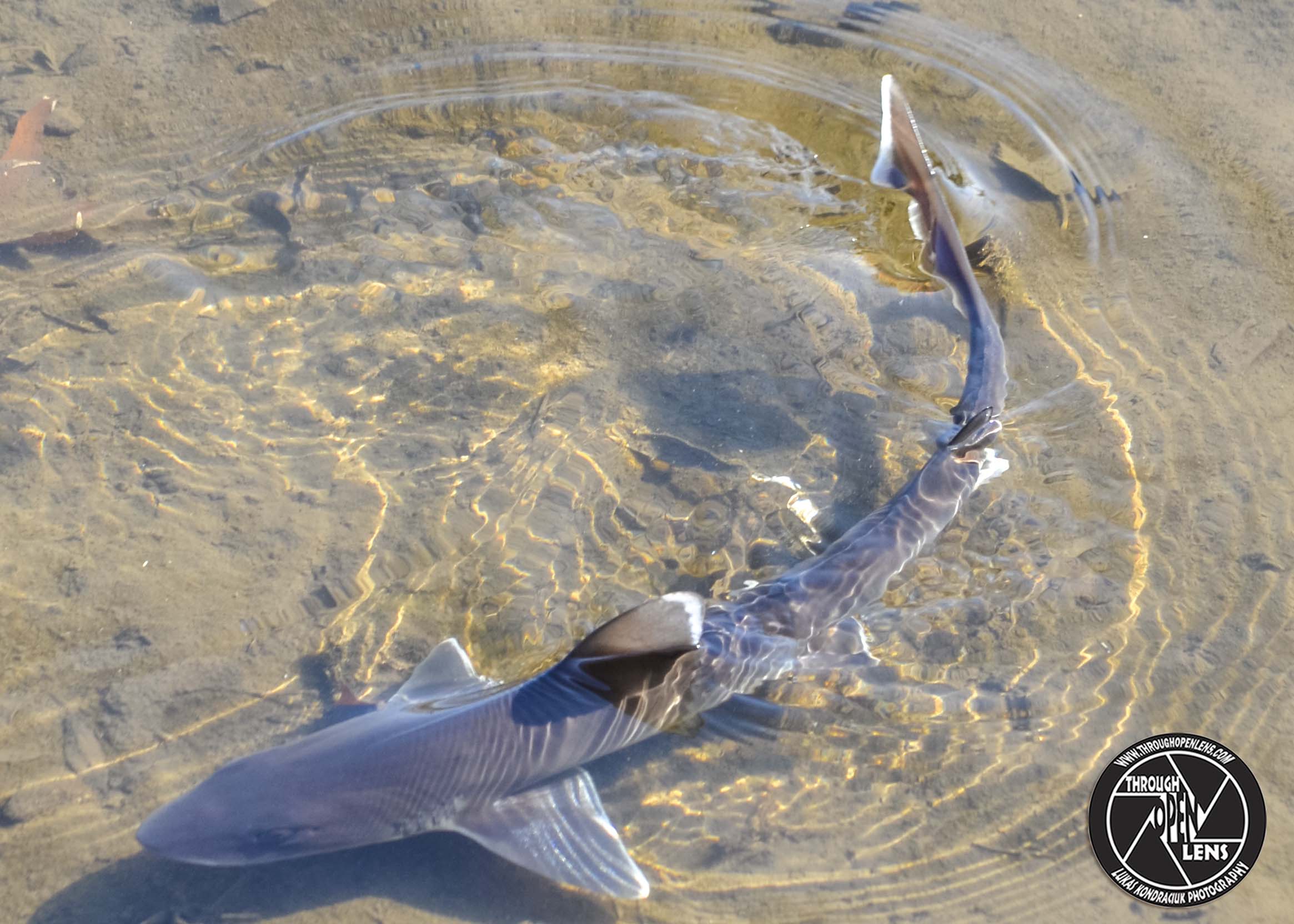
Sharks Aren’t The Bad Guys. If Some Stranger Entered My House In Just A SPEEDO, I Would Probably Attack Him Too.

Shark Week 

F/5.6, 1/500, ISO 360.

Spiny Dogfish Shark

What is a sharks favorite sci-fi show?

Shark Trek

Interesting Fact: Spiny dogfish are bottom-dwellers. They are commonly found at depths of around 50–149 m (164–489 ft), but have been found deeper than 700 m (2,300 ft). ( https://en.m.wikipedia.org/wiki/Spiny_dogfish )