We Go Together Like Copy And Paste.

F/10.0, 1/1600, ISO 800.

Common Mergansers

Why can’t you trust an atom?

They make up everything.

Interesting Fact: The female chooses the nest site, which is usually in a natural cavity or woodpecker hole in a live or dead tree, up to 100 feet off the ground and within a mile of water. Common Mergansers nest less frequently in rock crevices, old sheds, chimneys, lighthouses, holes in banks, holes in the ground, hollow logs, and burrows. ( Common Merganser Life History, All About Birds, Cornell Lab of Ornithology)


50 Shades Of Red In My Eyes

F/ 6.3, 1/640, ISO 200.

Canvasback 

What type of book has only characters and no story?

A telephone book.

Interesting Fact: A large diving duck, the Canvasback breeds in prairie potholes and winters on ocean bays. Its sloping profile distinguishes it from other ducks. ( https://www.allaboutbirds.org/guide/Canvasback/id )

Double Trouble!

Mute Swan

F/ 5.6, 1/1250, ISO 400.

Mute Swan 

What did the nose say to the finger?

Stop picking on me. 

Interesting Fact: The Mute Swan is reported to mate for life. However, changing of mates does occur infrequently, and swans will remate if their partner dies. If a male loses his mate and pairs with a young female, she joins him on his territory. If he mates with an older female, they go to hers. If a female loses her mate, she remates quickly and usually chooses a younger male.  ( https://www.allaboutbirds.org/guide/Mute_Swan/lifehistory )

Haters Will See You Walking On Water And Say It Is Because You Can’t Swim

F/11.0, 1/500, ISO 250.

Great Egret

Worker calls in to his Boss:

Worker: I can’t come to work today. I’m sick

Boss: Oh yea! What’s wrong with you now?

Worker: I have anal glaucoma.

Boss: What the hell is that?

Worker: I just can’t see my ass working today.

Interesting Fact: Great Egrets fly slowly but powerfully: with just two wingbeats per second their cruising speed is around 25 miles an hour. ( http://www.allaboutbirds.org/guide/great_egret/lifehistory )

Splash Down!

F/8.0, 1/2000, ISO 800.

Common Merganser 

Why was the math book so sad?

It had a lot of problems.

Interesting Fact: Common Mergansers spend much of their time afloat, loafing, fishing, and often sleeping on open water. They may form flocks of up to 75 individuals. They often swim in small groups along the shoreline, dipping their heads underwater to search for prey and then diving with a slight leap. Often when one bird dives in a large group, the others follow the leader and disappear. ( Common Merganser Life History, All About Birds, Cornell Lab of Ornithology )


Dive Dive Dive!!!

F/9.0, 1/320, ISO 340.

Common Loon ( Nonbreeding adult )

Have you read the book about anti-gravity?

It’s impossible to put down!

Interesting Fact: The Common Loon is flightless for a few weeks after molting all of its wing feathers at the same time in midwinter. ( Common Loon Overview, All About Birds, Cornell Lab of Ornithology )

A Good Joke Always Quacks Me Up!

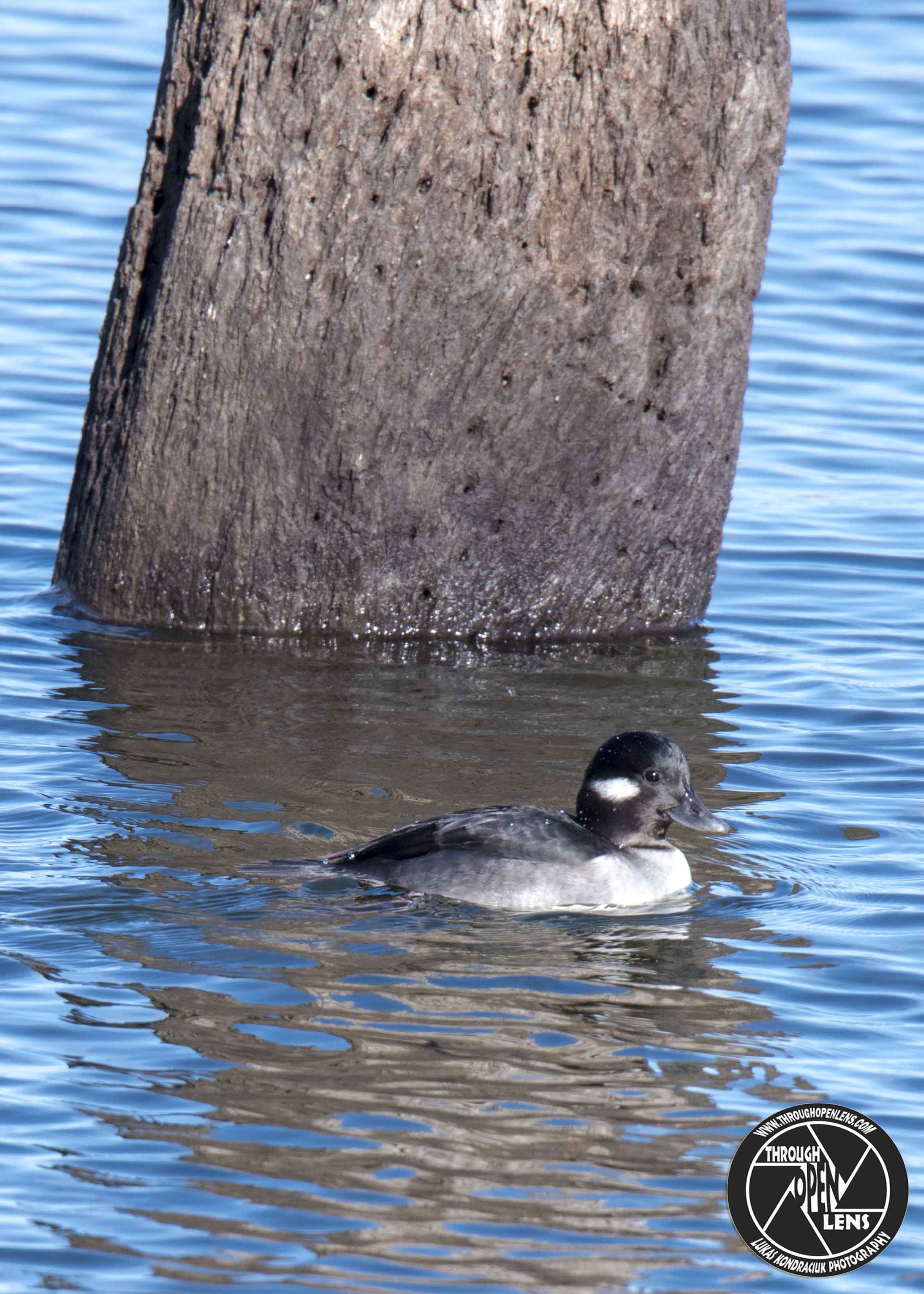
F/10.0, 1/400, ISO 320.

Bufflehead Duck ( Female )

Why couldn’t the bicycle stand up by itself?

It was two tired.

Interesting Fact: They hold their wings tightly against their bodies underwater and use only their feet to propel themselves. At the end of a dive, they may bob to the surface like a cork. Throughout the day they alternate between bouts of feeding, swimming alertly, preening, and sleeping. ( Bufflehead Life History, All About Birds, Cornell Lab of Ornithology )


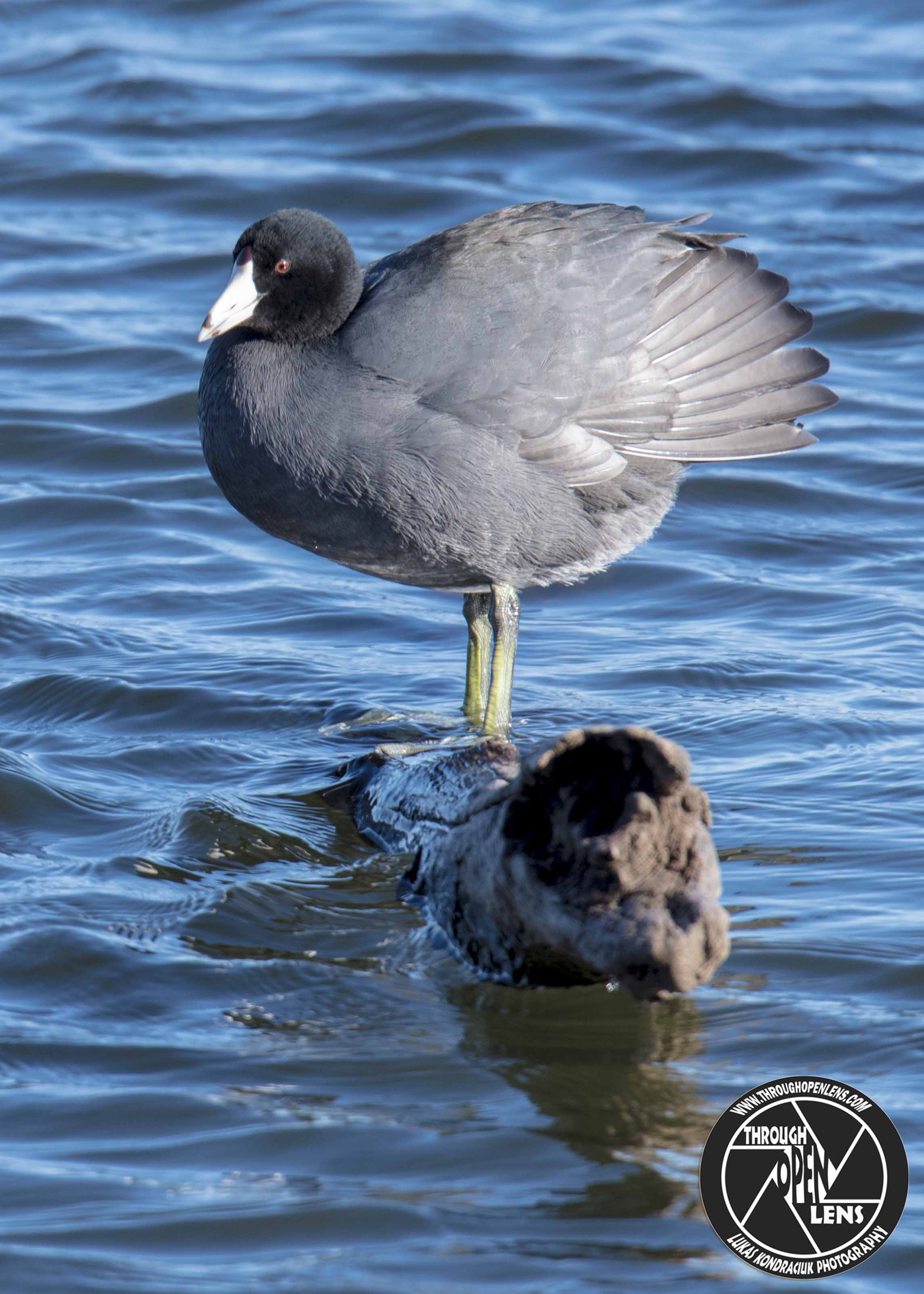
Stand Tall, Stand Proud. Know That You Are Unique And Magnificent. You Do Not Need The Approval Of Others.

F/9.0, 1/320, ISO 320.

American Coot 

How do you get a squirrel to like you?

Act like a nut.

Interesting Fact: The ecological impact of common animals, like this ubiquitous waterbird, can be impressive when you add it all up. One estimate from Back Bay, Virginia, suggested that the local coot population ate 216 tons (in dry weight) of vegetation per winter. ( American Coot Overview, All About Birds, Cornell Lab of Ornithology )


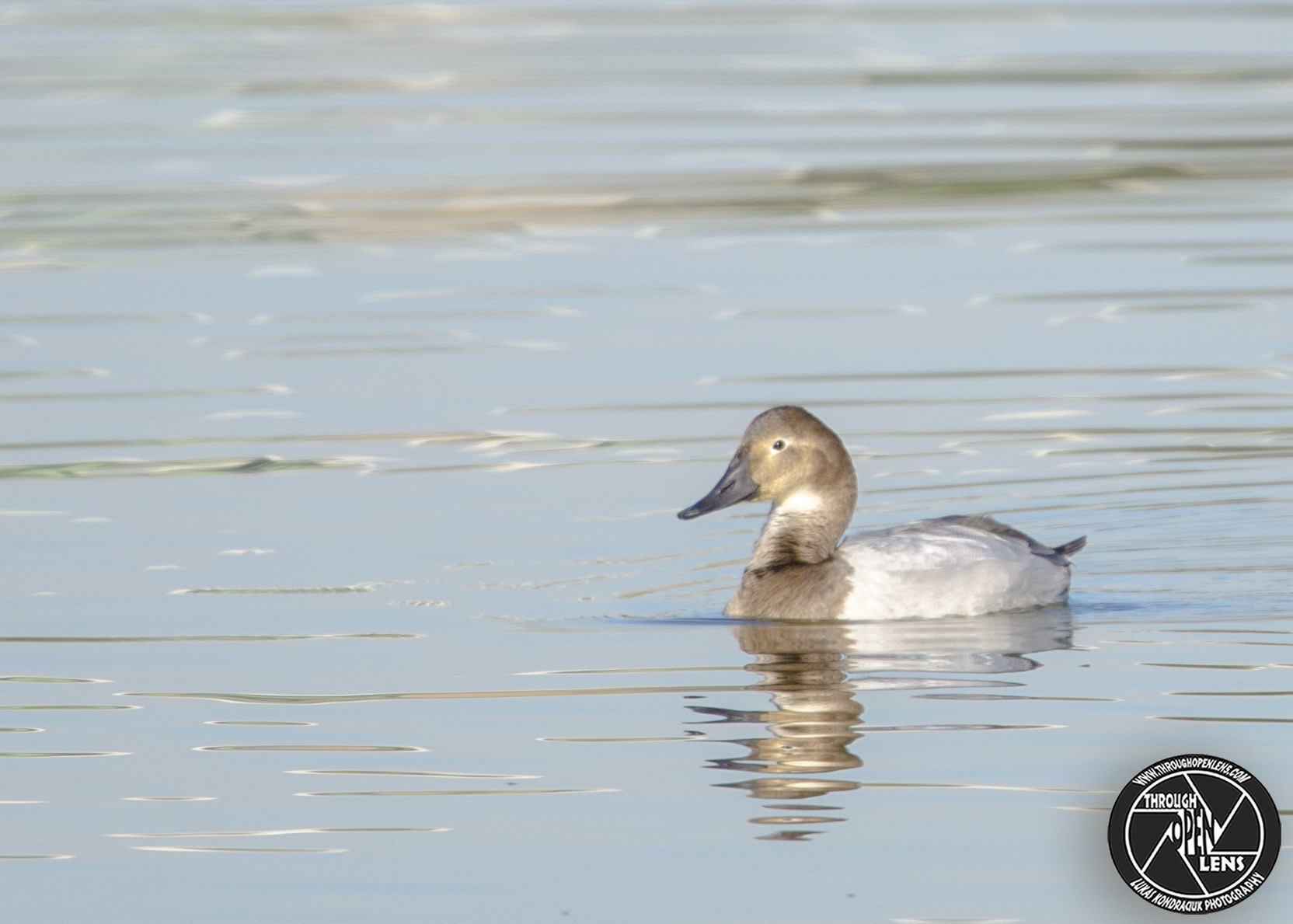
I Will, I Will, Quack You!

F/6.3, 1/640, ISO 200.

Canvasback ( Female ) 

Guy in a restaurant calls a waiter over

Guy: “Waiter, I am outraged. There is one hair in my soup.”

Waiter: “And what do you expect for this price? A whole wig?!”

Interesting Fact: The breeding habitat of the canvasback is in North Americaprairie potholes. The bulky nest is built from vegetation in a marsh and lined with down. Loss of nesting habitat has caused populations to decline. The canvasback usually takes a new mate each year, pairing in late winter on ocean bays.[5] It prefers to nest over water on permanent prairie marshes surrounded by emergent vegetation, such as cattails and bulrushes, which provide protective cover. Other important breeding areas are the subarctic river deltas in Saskatchewan and the interior of Alaska. ( https://en.wikipedia.org/wiki/Canvasback )

People That Take Advice From Duck Are Downright Loony

F/10.0, 1/400, ISO 800.

Common Loon ( Nonbreeding adult )

What computer sings the best?

A Dell.

Interesting Fact: Loons are agile swimmers, but they move pretty fast in the air, too. Migrating loons have been clocked flying at speeds more than 70 mph. ( https://www.allaboutbirds.org/guide/Common_Loon/lifehistory )