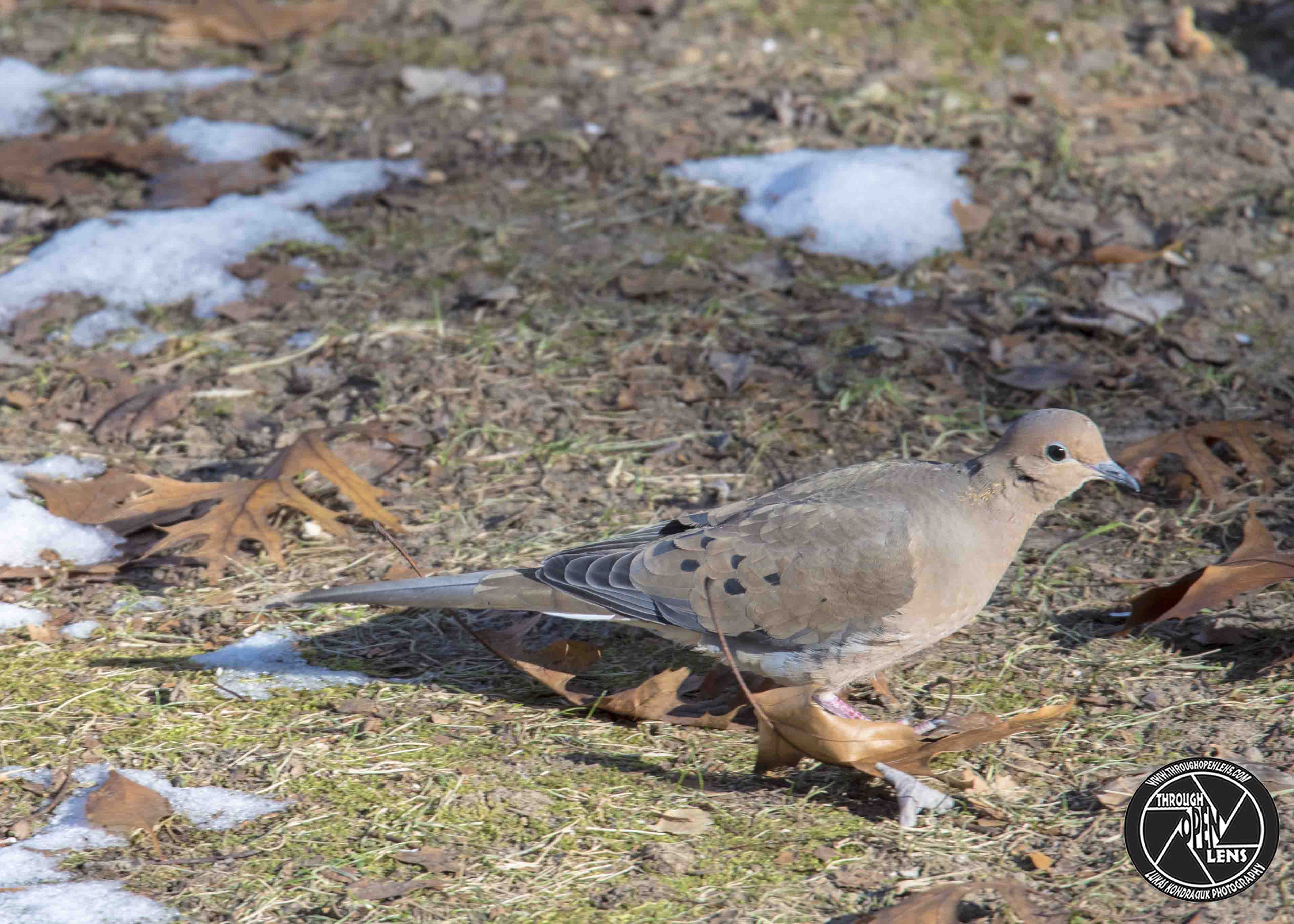
Out For A Run!

F/8.0, 1/250, ISO 250.

Mourning Dove

Why did the picture go to jail?

Because it was framed.

Interesting Fact:  Perhaps one reason why Mourning Doves survive in the desert: they can drink brackish spring water (up to almost half the salinity of sea water) without becoming dehydrated the way humans would. ( https://www.allaboutbirds.org/guide/Mourning_Dove )

Release The Quackin!

ring-necked-ducks

F/11.0, 1/500, ISO 500.

Ring-necked Ducks

Why shouldn’t you write with a broken pencil?

Because it’s pointless!

Interesting Fact: During fall migration, Ring-necked Ducks can form immense flocks. Several hundred thousand congregate each fall on certain lakes in Minnesota to feed on wild rice. ( https://www.allaboutbirds.org/guide/Ring-necked_Duck/lifehistory )

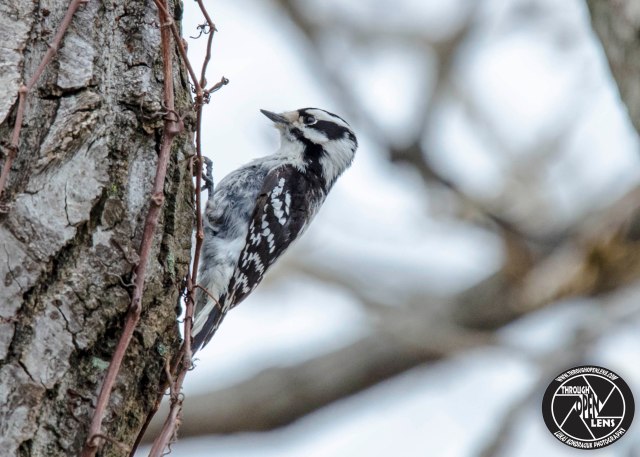
I Am In To Head Banging, What Music Do you Like?

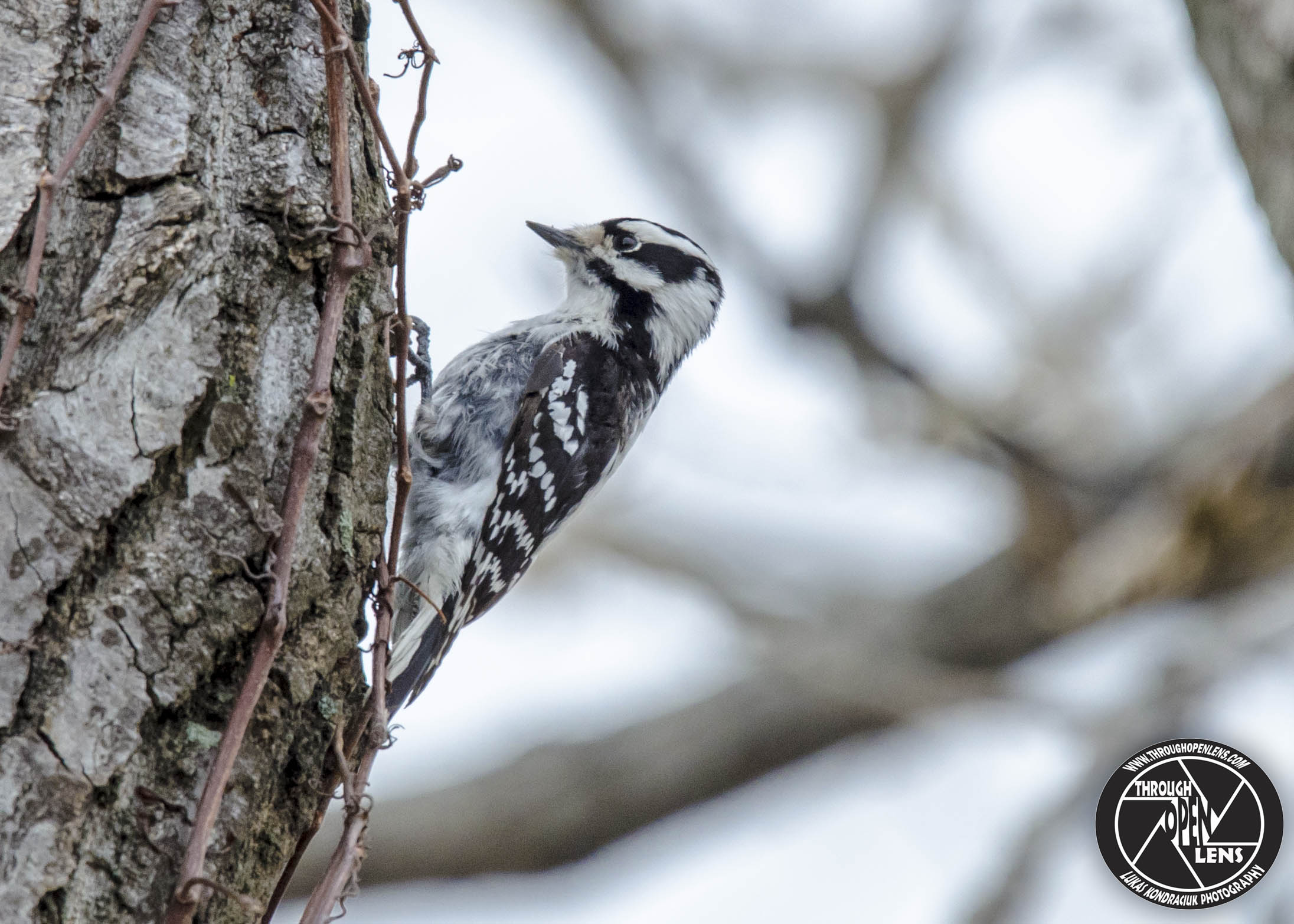
downy-woodpecker-2

F/6.3, 1/1000, ISO 800.

Downy Woodpecker

There are three guys in a helicopter and they each get to choose what they want to throw out.

The first guys chooses an apple. So he takes an apple and throws it out.

The second guy chooses a brick. So he takes a brick and throws it out.

The third guy chooses a grenade. So he pulls the pin and throws it out.

They land a while later and are walking along when they find a man rubbing his head.

They ask, “What happened to you?”

He answers, “An apple hit me on the head.”

They’re walking along again and find a man lying unconscious on the ground.

They ask the cop, “What happened to him?”

He answers, “A brick hit him on the head.”

They’re walking again, when they find a man laughing hysterically.

They ask, “What happened to you?”

He answers, “I farted and the house blew up behind me!”

Interesting Fact: In winter Downy Woodpeckers are frequent members of mixed species flocks. Advantages of flocking include having to spend less time watching out for predators and better luck finding food from having other birds around. ( https://www.allaboutbirds.org/guide/Downy_Woodpecker/lifehistory )

GERONIMO!

F/ 6.3, 1/1000, ISO 640.

Great Blue Heron

A magician was performing on cruise ship and each night while performing his pet parrot keeps saying:

“its up his sleeve”

” its in his pocket”.

“its in his shoe”.

“in his pants”.

Etc. and the magician was loosing his patience. one night while performing his tricks the ships boilers blew and the ship sank, the lucky magician was able to grab onto a ships table and float on the sea for a few days. the parrot in the mean time seemed non plussed and was looking quizzically at the magician for a few days whilst drifting. On the 4th day the parrots looks at his master and says:

“I give up… what did you do with the ship?”

Interesting Fact: Great Blue Herons have specialized feathers on their chest that continually grow and fray. The herons comb this “powder down” with a fringed claw on their middle toes, using the down like a washcloth to remove fish slime and other oils from their feathers as they preen. Applying the powder to their underparts protects their feathers against the slime and oils of swamps. ( https://www.allaboutbirds.org/guide/Great_Blue_Heron/lifehistory )

A song told me to Deck the Halls…so I did! Mr.and Mrs. Hall are not very happy!

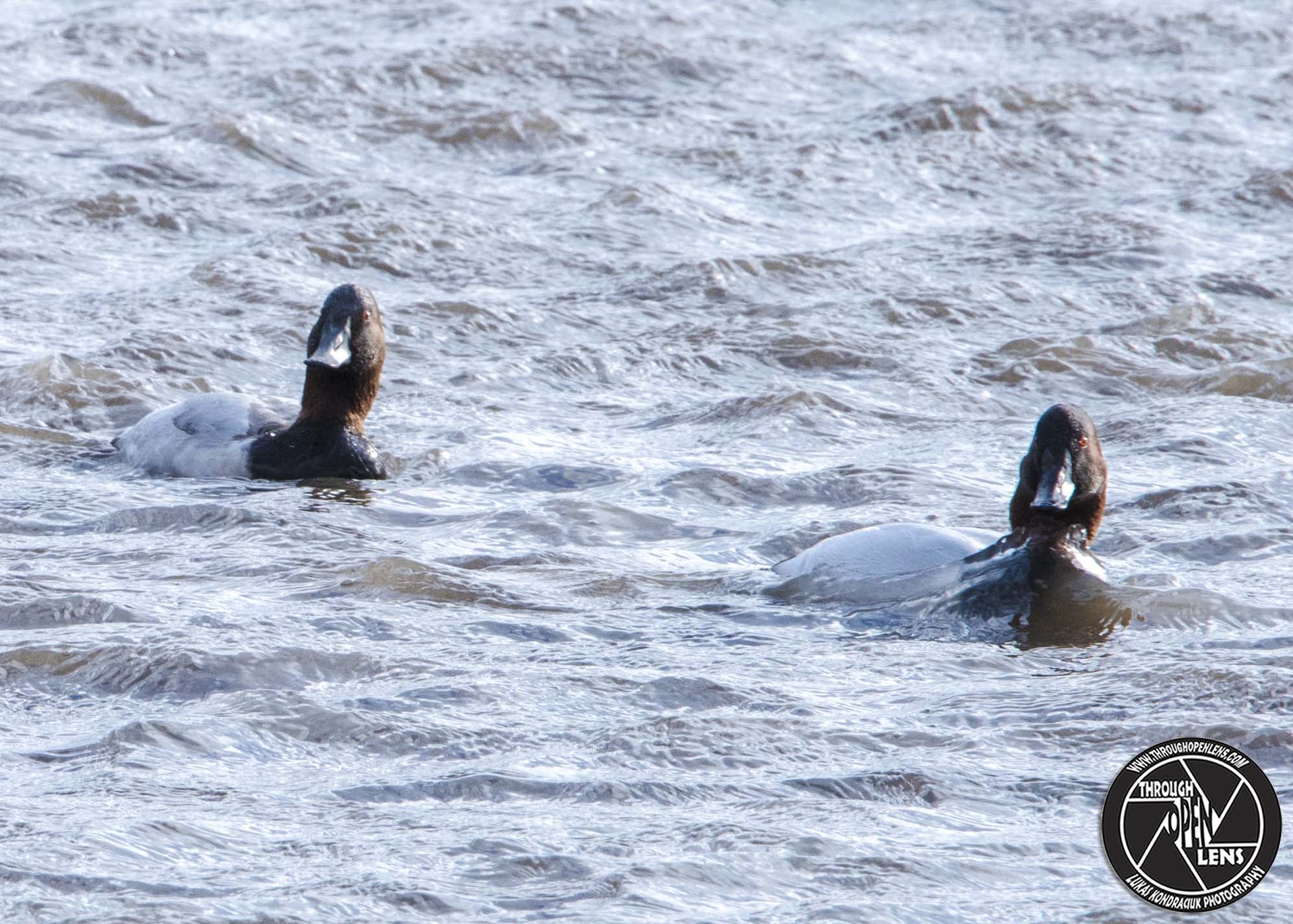
F/11.0, 1/500, ISO 500.

Canvasback 

Did you hear the joke about the roof?

Never mind, it’s over your head!

Interesting Fact: Canvasbacks are diving ducks at home in the water, seldom going ashore to dry land. They sleep on the water with their bill tucked under the wing, and they nest on floating mats of vegetation. To get airborne Canvasbacks need a running start, but once in the air they are strong and fast fliers, clocking airspeeds of up to 56 miles per hour. ( https://www.allaboutbirds.org/guide/Canvasback/lifehistory )

With The New Day Comes New Strength And New Thoughts

F/11.0, 1/500, ISO 400.

Cedar Waxwing

What do you call a cow that eats your grass?

A lawn moo-er.

Interesting Fact: The name “waxwing” comes from the waxy red secretions found on the tips of the secondaries of some birds. The exact function of these tips is not known, but they may help attract mates. ( https://www.allaboutbirds.org/guide/Cedar_Waxwing/lifehistory )

Don’t Questions My Parenting!

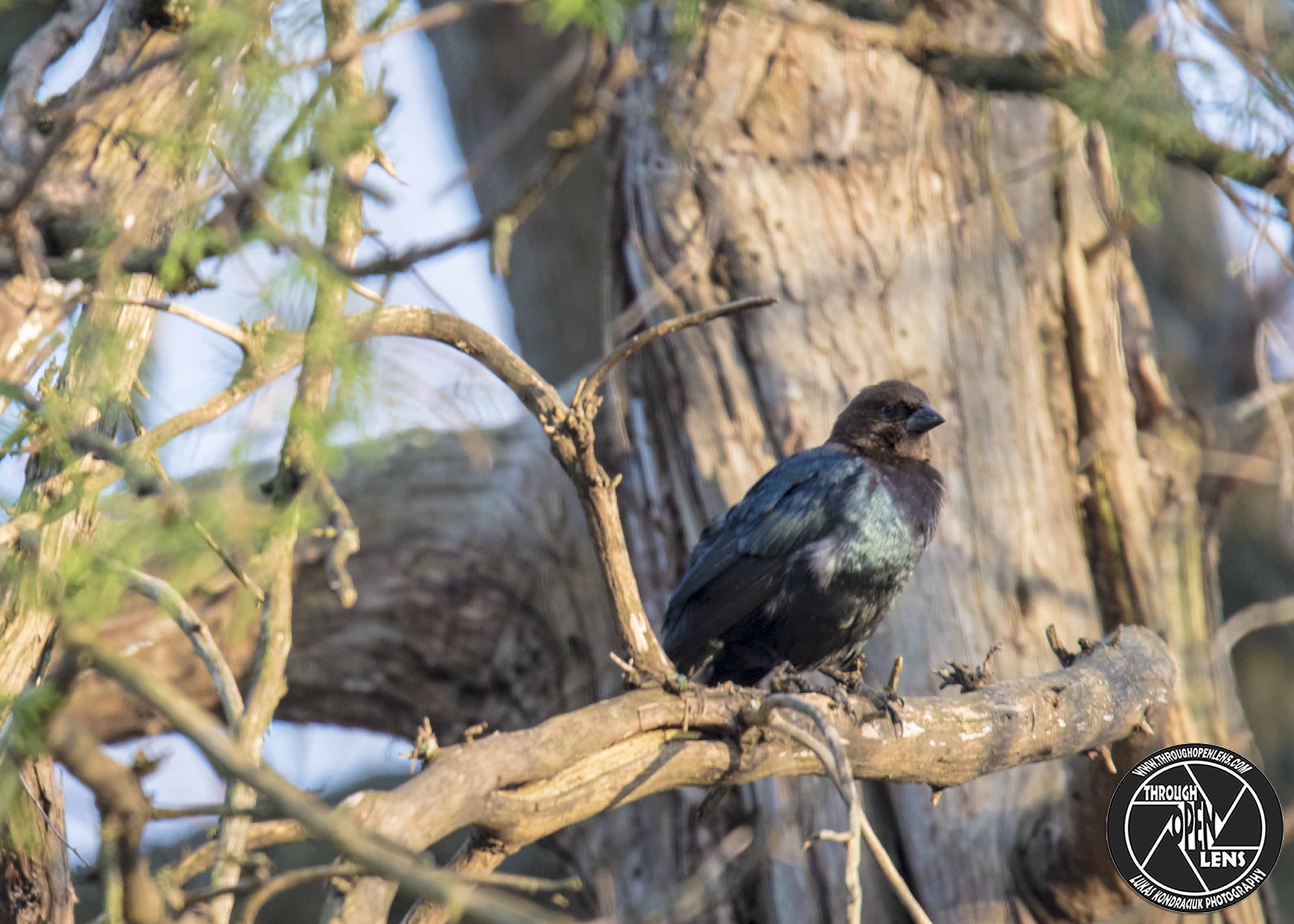
F/6.3, 1/80, ISO 500.

Brown-headed Cowbird

I’ve just opened a new restaurant called Karma.

There’s no menu, we just give you what you deserve.

Interesting Fact: The Brown-headed Cowbird is North America’s most common “brood parasite.” A female cowbird makes no nest of her own, but instead lays her eggs in the nests of other bird species, who then raise the young cowbirds. ( https://www.allaboutbirds.org/guide/Brown-headed_Cowbird )

Here I Am Rock You Like A Hurricane!

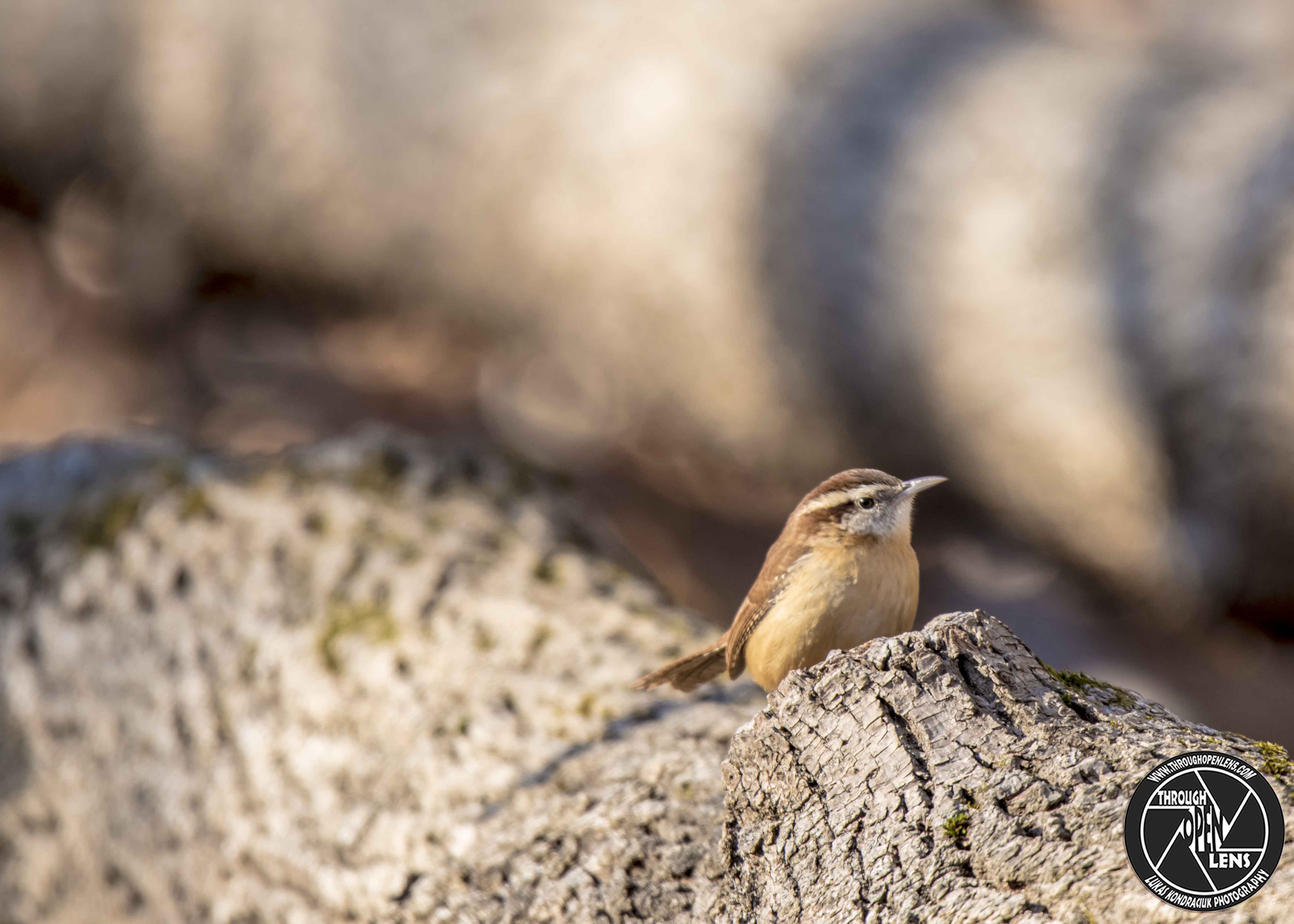
F/8.0, 1/125, ISO 400.

Carolina Wren

What did one autumn leaf say to the other?

I’m falling for you.

Interesting Fact: They climb up vines, trunks, and branches, poking into squirrel nests and probing nooks and crannies in search of insects. Carolina Wrens use their curved bills to turn over decaying vegetation and to hammer and shake apart large bugs. They roost in bird boxes, abandoned hornet nests, hanging plants, garages, barns, old nests, and other shelters. A weak flyer, this wren makes brief, quick aerial forays over short distances. Pairs stay bonded year-round, with no vacation from singing or defending territory. ( https://www.allaboutbirds.org/guide/Carolina_Wren/lifehistory )

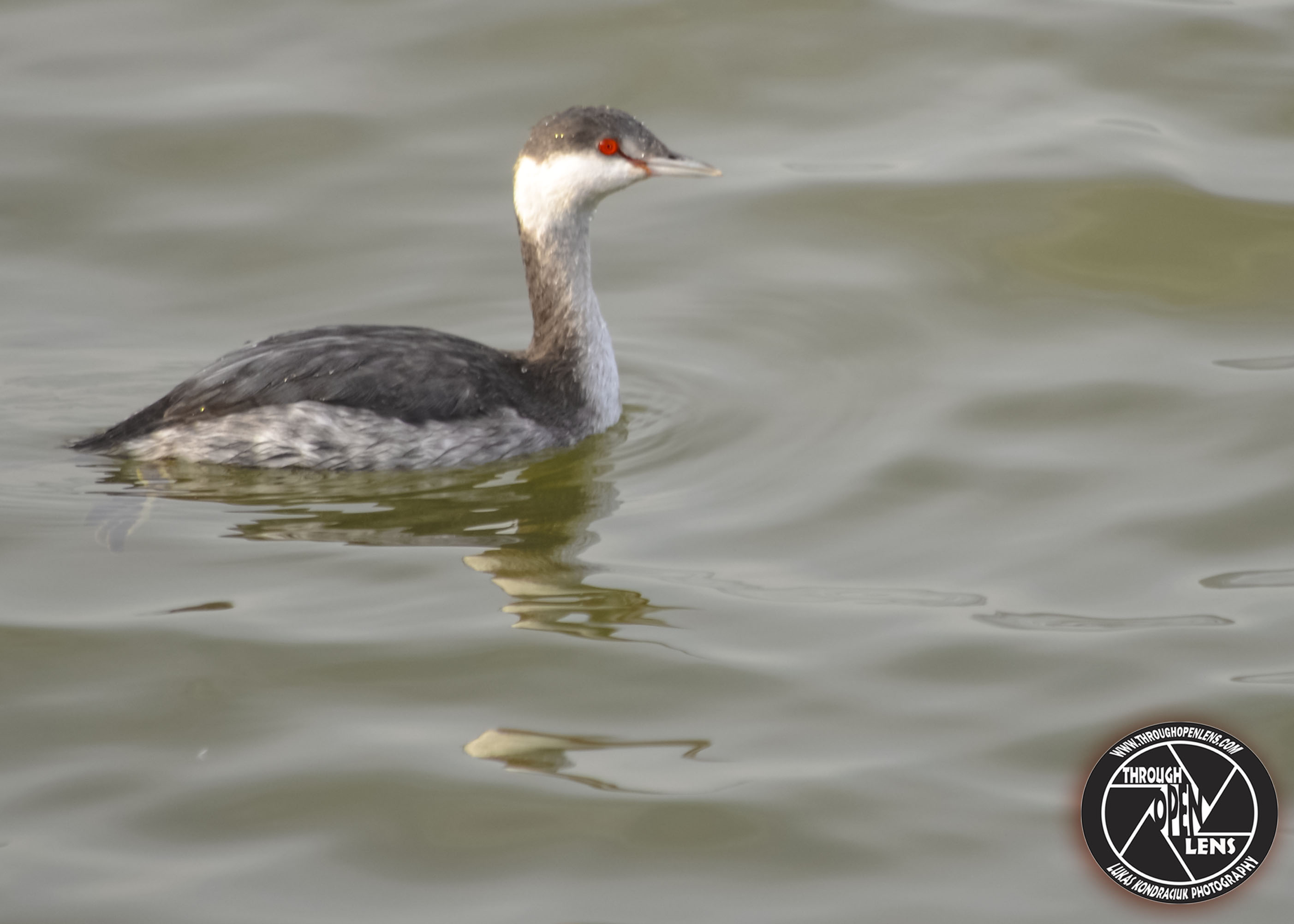
If I’m Going To Get Wet, I May As Well Swim.

horned-grebe

F/5.6, 1/200, ISO 500.

Horned Grebe

Why won’t they allow elephants in public swimming pools?

Because they might let down their trunks.

Interesting Fact: The Horned Grebe regularly eats some of its own feathers, enough that its stomach usually contains a matted plug of them. This plug may function as a filter or may hold fish bones in the stomach until they can be digested. The parents even feed feathers to their chicks to get the plug started early. ( https://www.allaboutbirds.org/guide/Horned_Grebe/lifehistory )

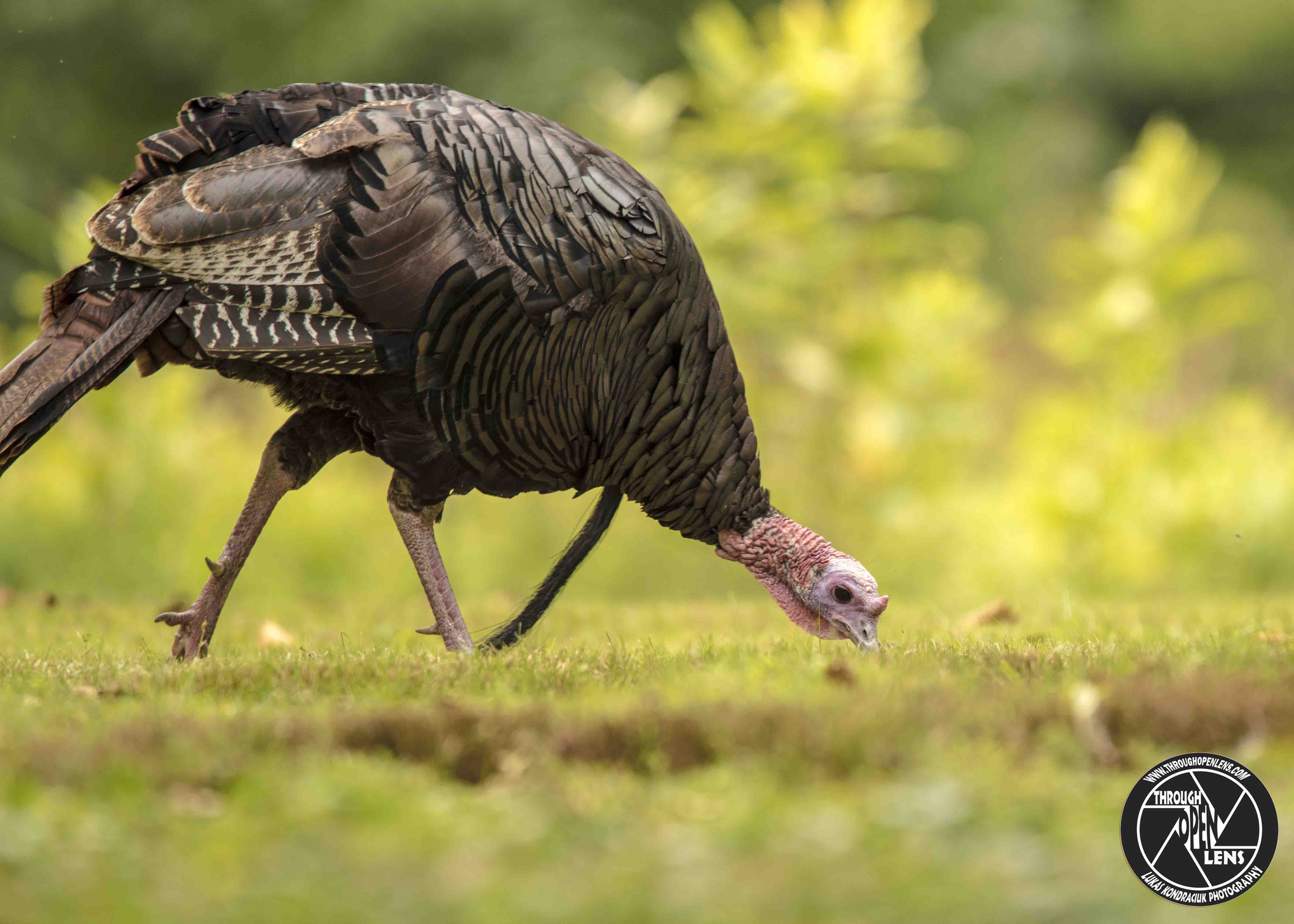
REMEMBER! You Are What You Eat!

HAPPY THANKSGIVING EVERONE!!!

F/7.1, 1/200, ISO 400.

Wild Turkey Female

What did the turkey say to the computer?

Google, Google, Google

Interesting Fact: The female scratches a shallow depression in the soil, about 1 inch deep, 8–11 inches wide, and 9–13 inches long. Wild Turkeys use only the dead leaves or other plant materials already present at the nest site. ( https://www.allaboutbirds.org/guide/Wild_Turkey/lifehistory )