Keep Off My Grass!

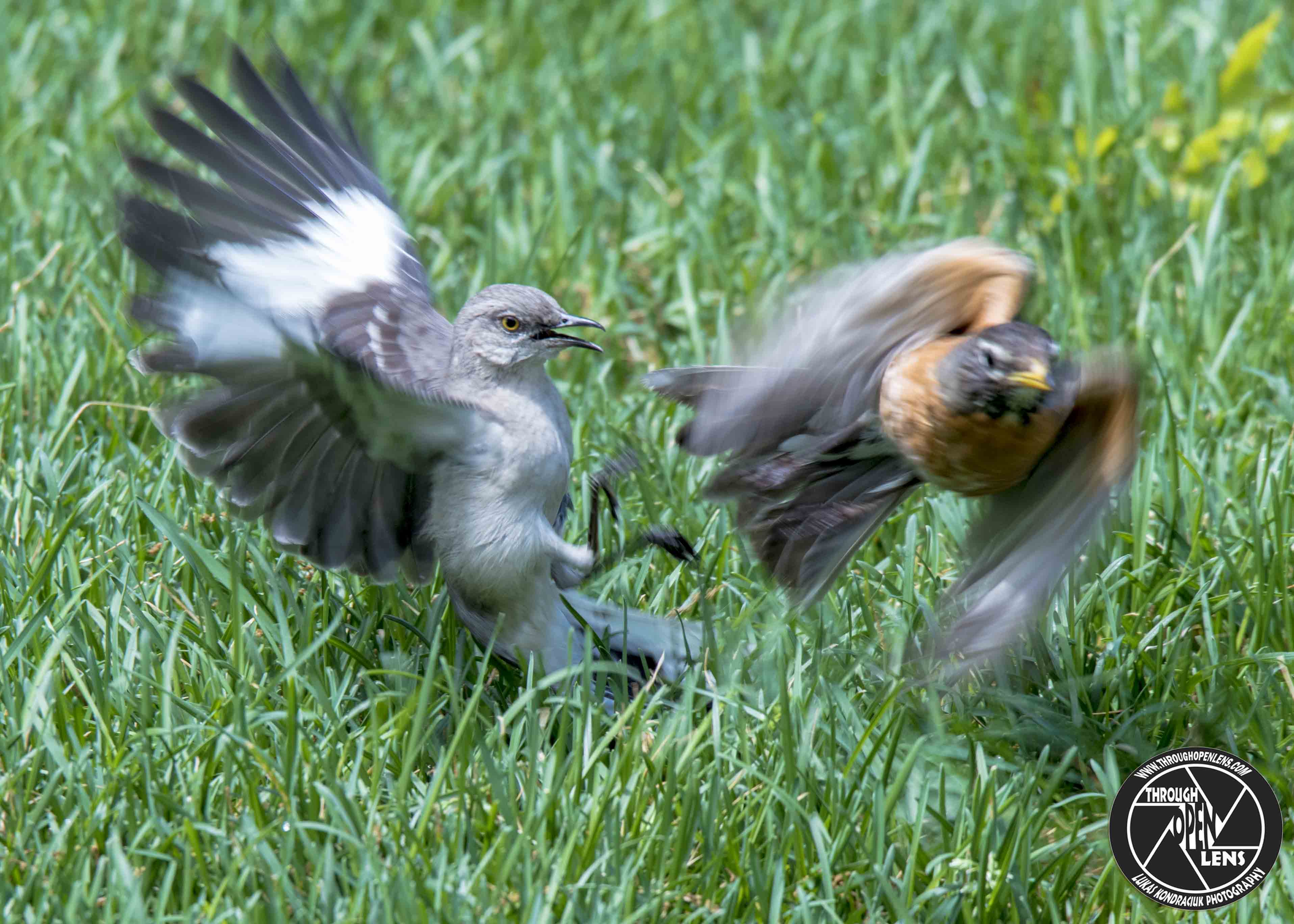
F/8.0, 1/250, ISO 400.

Northern Mockingbird vs American Robin

Why should you keep away from dermatologists?

They make rash decisions.

Interesting Fact: Mockingbirds are also territorial around other bird species as well as dogs and cats. The flight style of mockingbirds is variable but typically leisurely, with showy wingbeats. Sometimes Northern Mockingbirds simply drop quickly from a perch with their wings folded. ( https://www.allaboutbirds.org/guide/Northern_Mockingbird/lifehistory# )


What Was That?!

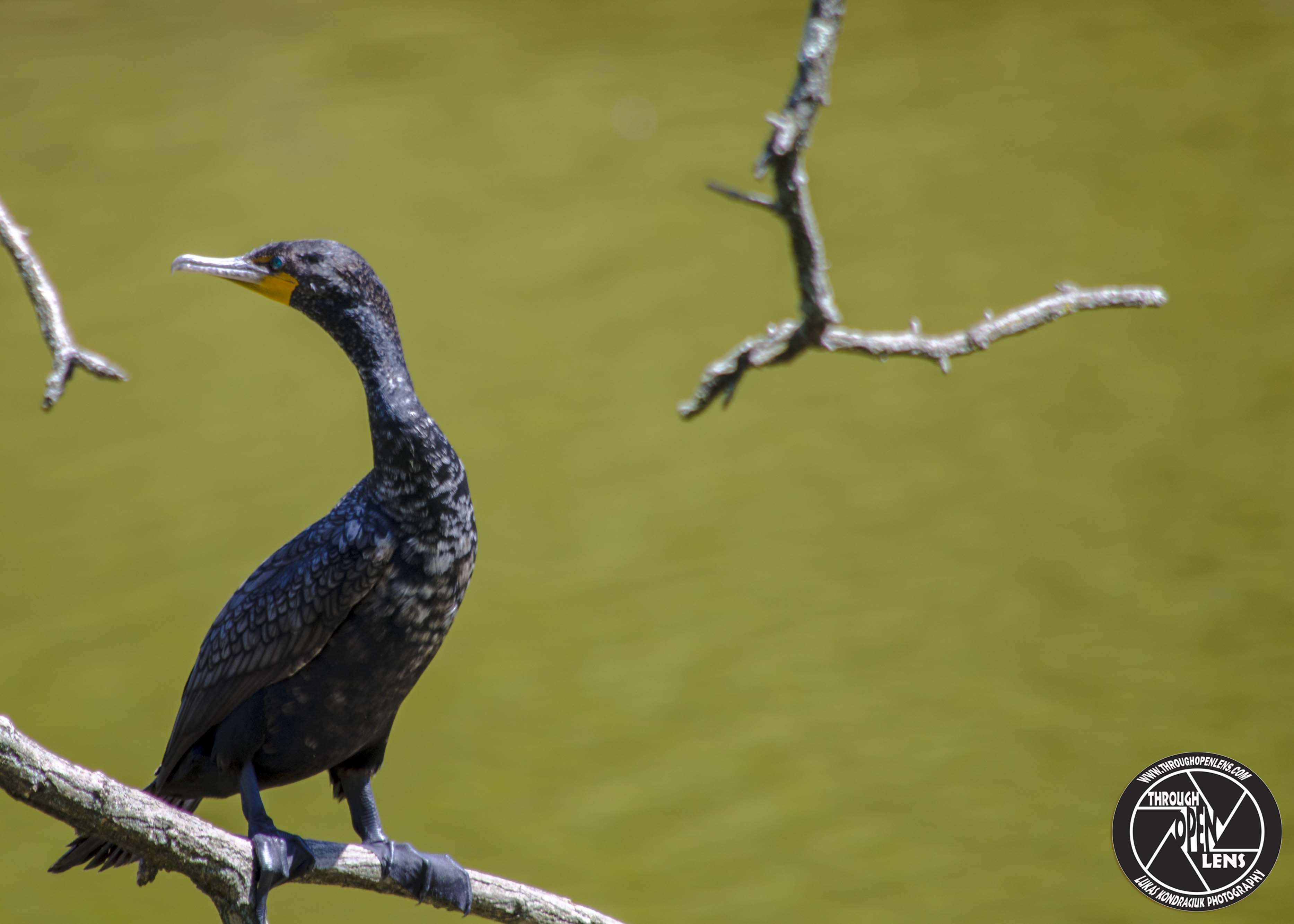
F/5.6,1/160, ISO 100.

Double-crested Cormorant

What is the difference between the government and the Mafia?

One of them is organized.

Interesting Fact: Double-crested cormorants are gregarious birds that are almost always near water. Their main two activities are fishing and resting, with more than half their day spent on the latter. When at rest, a cormorant will choose an exposed spot on a bare branch or a windblown rock, and often spread its wings out, which is thought to be a means of drying their feathers after fishing. ( https://www.allaboutbirds.org/guide/Double-crested_Cormorant/lifehistory )


I Am Here For You!

F/9.0, 1/320, ISO 250.

American Goldfinch

What can you serve but never eat?

A volleyball.

Interesting Fact: Paired-up goldfinches make virtually identical flight calls; goldfinches may be able to distinguish members of various pairs by these calls. ( https://www.allaboutbirds.org/guide/American_Goldfinch )

Shh… I’m Hiding From Negative People.

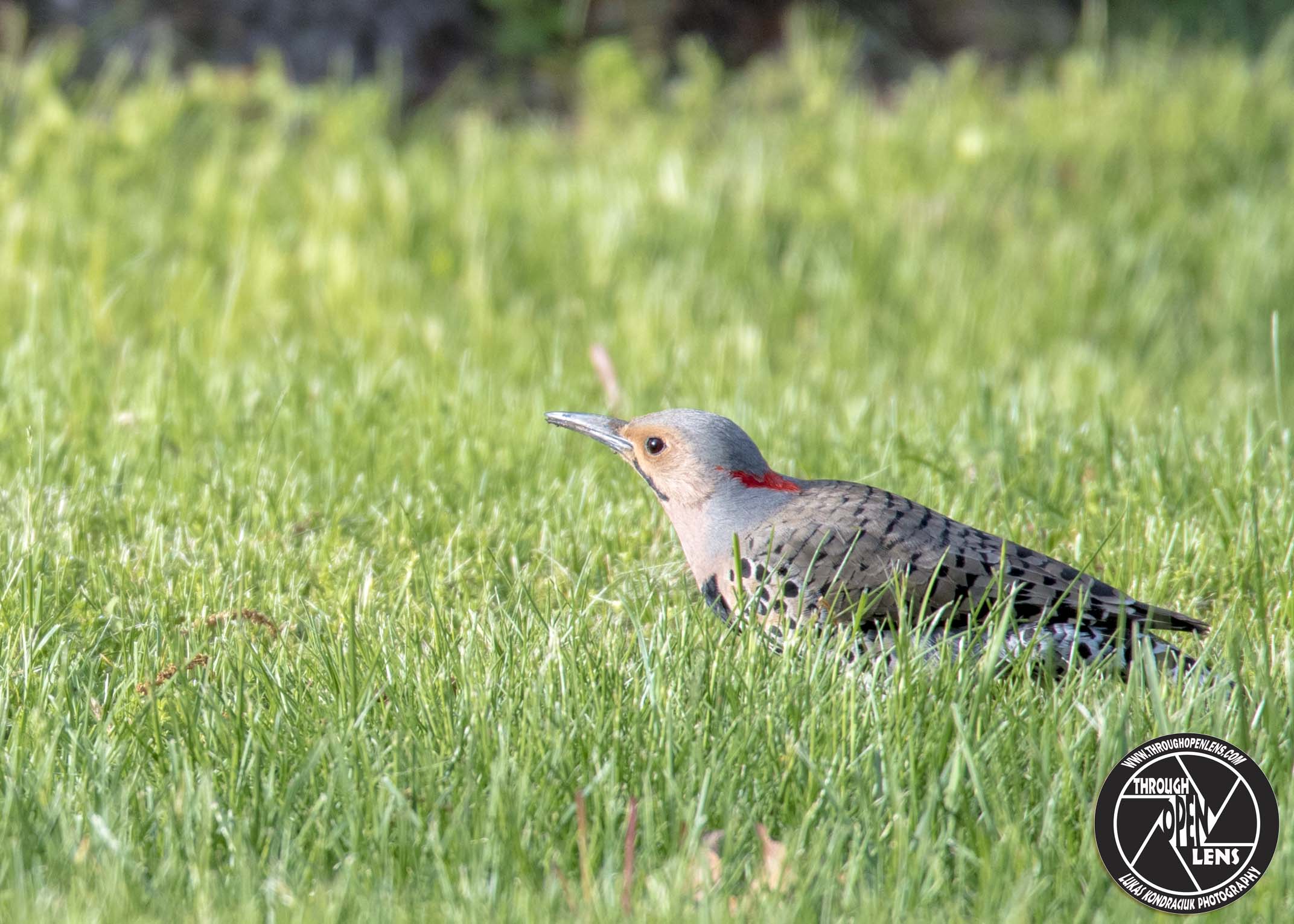
F/8.0, 1/250, ISO 320.

Northern Flicker 

What did the math text book say to the Shakespeare text book?

I’ve already got a lot of problems, and I don’t need any of your drama.

Interesting Fact: Although it can climb up the trunks of trees and hammer on wood like other woodpeckers, the Northern Flicker prefers to find food on the ground. Ants are its main food, and the flicker digs in the dirt to find them. It uses its long barbed tongue to lap up the ants. ( https://www.allaboutbirds.org/guide/Northern_Flicker/ )


Heeeey!

F/6.3, 1/125, ISO 500.

Blue Jay

What kind of shoes do ninjas wear?

Sneakers.

Interesting Fact:  They often mate for life, remaining with their social mate throughout the year. Only the female incubates; her mate provides all her food during incubation. For the first 8–12 days after the nestlings hatch, the female broods them and the male provides food for his mate and the nestlings. ( https://www.allaboutbirds.org/guide/Blue_Jay/lifehistory )

I Can Fly! What’s Your Superpower?

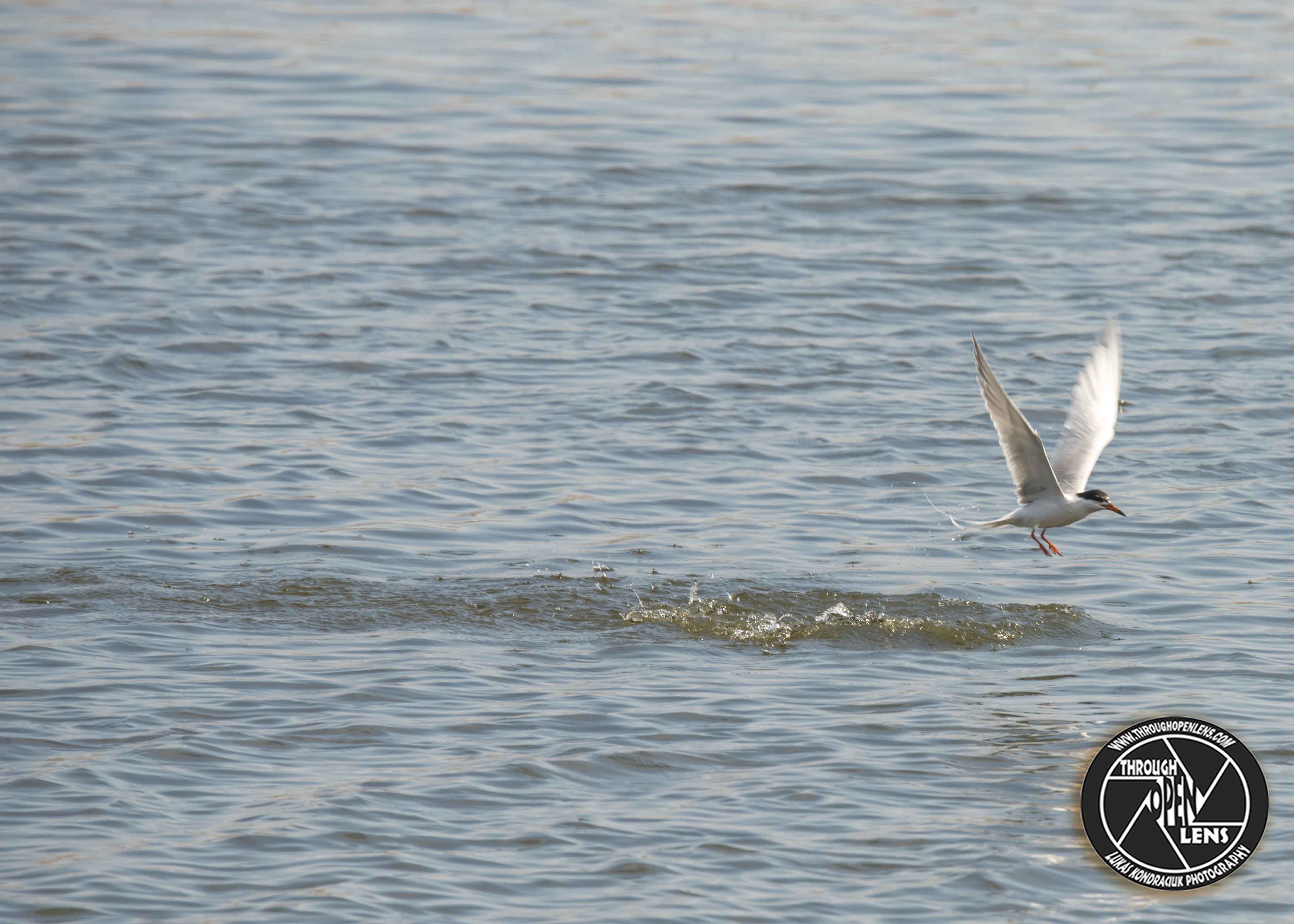
F/10.0, 1/400, ISO 160.

Common Tern

What do you call cheese that is not yours?

Nacho Cheese

Interesting Fact: Plunges into water from flight; may hover briefly before plunging. ( https://www.allaboutbirds.org/guide/Common_Tern/lifehistory )

Don’t Be Such A Turkey!

F/7.1, 1/200, ISO 500.

Wild Turkeys

Why did the toilet paper roll down the hill?

Because it wanted to get to the bottom.

Interesting Fact: Wild Turkeys nest on the ground in dead leaves at the bases of trees, under brush piles or thick shrubbery, or occasionally in open hayfields. ( https://www.allaboutbirds.org/guide/Wild_Turkey/lifehistory )


I Wanna Rock!

F/6.3, 1/100, ISO 500.

Chipping Sparrow

Why do fish live in salt water?

Because pepper makes them sneeze.

Interesting Fact: In summer, male Chipping Sparrows defend territories against other Chipping Sparrows, but often tolerate other species as long as they don’t go too near the nest. After the breeding season, Chipping Sparrows form flocks of several dozen, foraging together among grasses and at bird feeders. Their flight pattern is energetic, straight, and only slightly undulating. ( https://www.allaboutbirds.org/guide/Chipping_Sparrow/lifehistory )


I Run To Burn Off The Crazy!

F/11.0, 1/500, ISO 200.

Snowy Egret

Why do mummies make excellent spies?

They’re good at keeping things under wraps.

Interesting Fact: Male Snowy Egrets fight for breeding territories, choose nest sites, and perform noisy courtship displays to attract mates. A ring of other egrets often gathers around a displaying male as he pumps his body up and down, points his bill skyward, and calls. He also performs aerial displays, including one that ends with him dropping toward the ground while tumbling around and around. ( https://www.allaboutbirds.org/guide/Snowy_Egret/lifehistory )


Oops, Wrong Tern!

F/7.1, 1/800, ISO 200.

Common Tern

What did the stamp say to the envelope?

Stick with me and we will go places!

Interesting Fact:  The incubating adult Common Tern flies off its nest to defecate 5-50 m (16-160 ft) away. It deposits its feces indiscriminately in nearby water or on the territories of other terns. ( https://www.allaboutbirds.org/guide/Common_Tern/lifehistory )