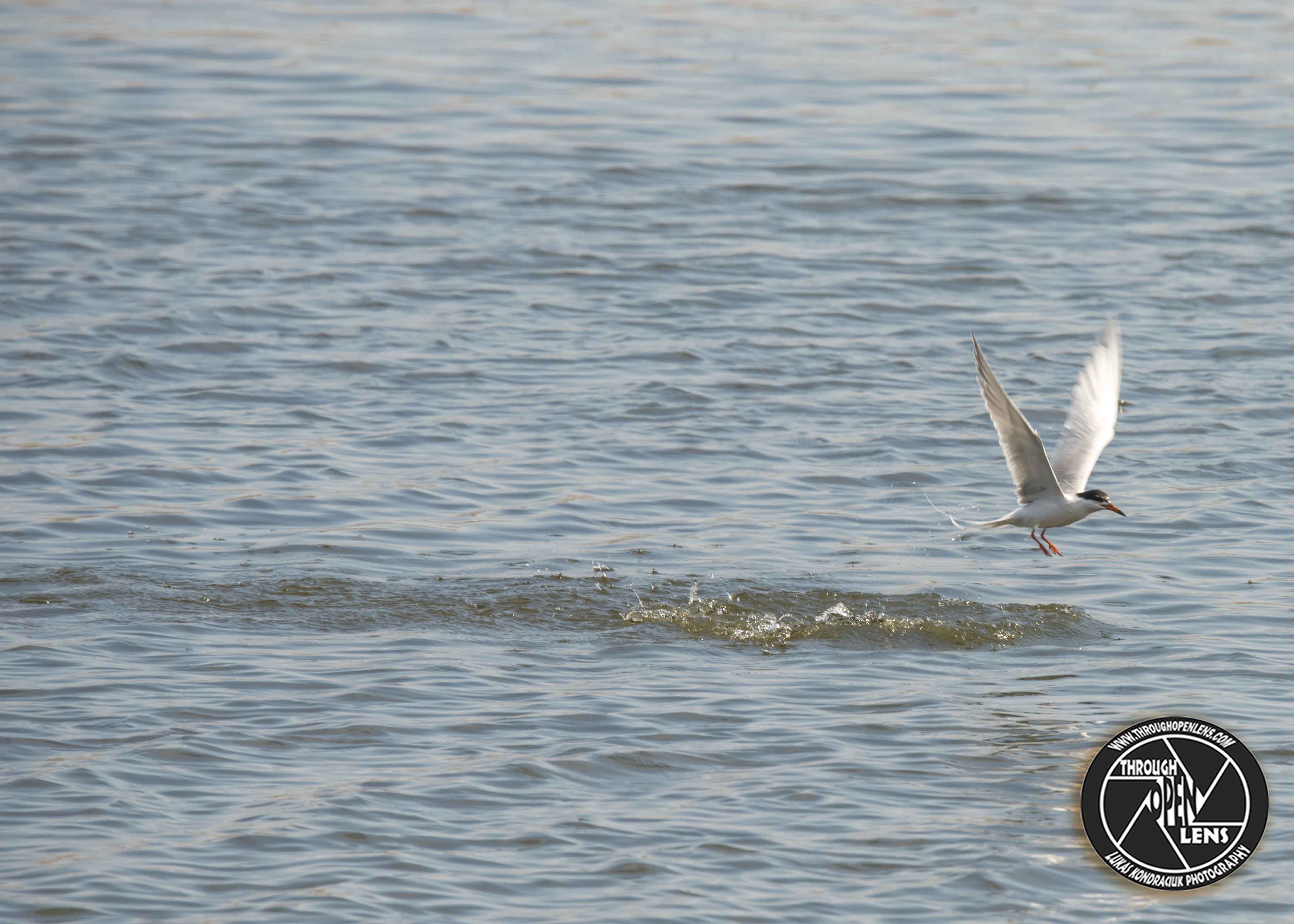
F/10.0, 1/400, ISO 160.
Common Tern
What do you call cheese that is not yours?
Nacho Cheese
Interesting Fact: Plunges into water from flight; may hover briefly before plunging. ( https://www.allaboutbirds.org/guide/Common_Tern/lifehistory )

F/10.0, 1/400, ISO 160.
Common Tern
What do you call cheese that is not yours?
Nacho Cheese
Interesting Fact: Plunges into water from flight; may hover briefly before plunging. ( https://www.allaboutbirds.org/guide/Common_Tern/lifehistory )

F/7.1, 1/800, ISO 200.
Common Tern
What did the stamp say to the envelope?
Stick with me and we will go places!
Interesting Fact: The incubating adult Common Tern flies off its nest to defecate 5-50 m (16-160 ft) away. It deposits its feces indiscriminately in nearby water or on the territories of other terns. ( https://www.allaboutbirds.org/guide/Common_Tern/lifehistory )

F/10.0, 1/400, ISO 200.
Great Egret
What did the inventor of the door knocker win?
The no bell prize.
Interesting Fact: The male builds a nest platform from long sticks and twigs before pairing up with a female, and then both members of the pair may collaborate to complete the nest, though the male sometimes finishes it himself. The nest is up to 3 feet across and 1 foot deep. It is lined with pliable plant material that dries to form a cup structure. They don’t typically reuse nests from year to year. ( https://www.allaboutbirds.org/guide/Great_Egret/lifehistory )

F/11.0 , 1/500, ISO 320.
Northern Harrier
Why are the middle ages sometimes called the Dark Ages?
Because they had so many knights.
Interesting Fact: Northern Harriers usually fly slowly and low over the ground, their wings held in a V-shape as they glide. Most males have either one mate or two mates at a time, but some have up to five mates when food is abundant. Each male courts females and advertises his territory by performing sky-dancing displays: undulating, rollercoaster-like flights up to 1,000 feet off the ground, sometimes covering more than half a mile. ( https://www.allaboutbirds.org/guide/Northern_Harrier/lifehistory )
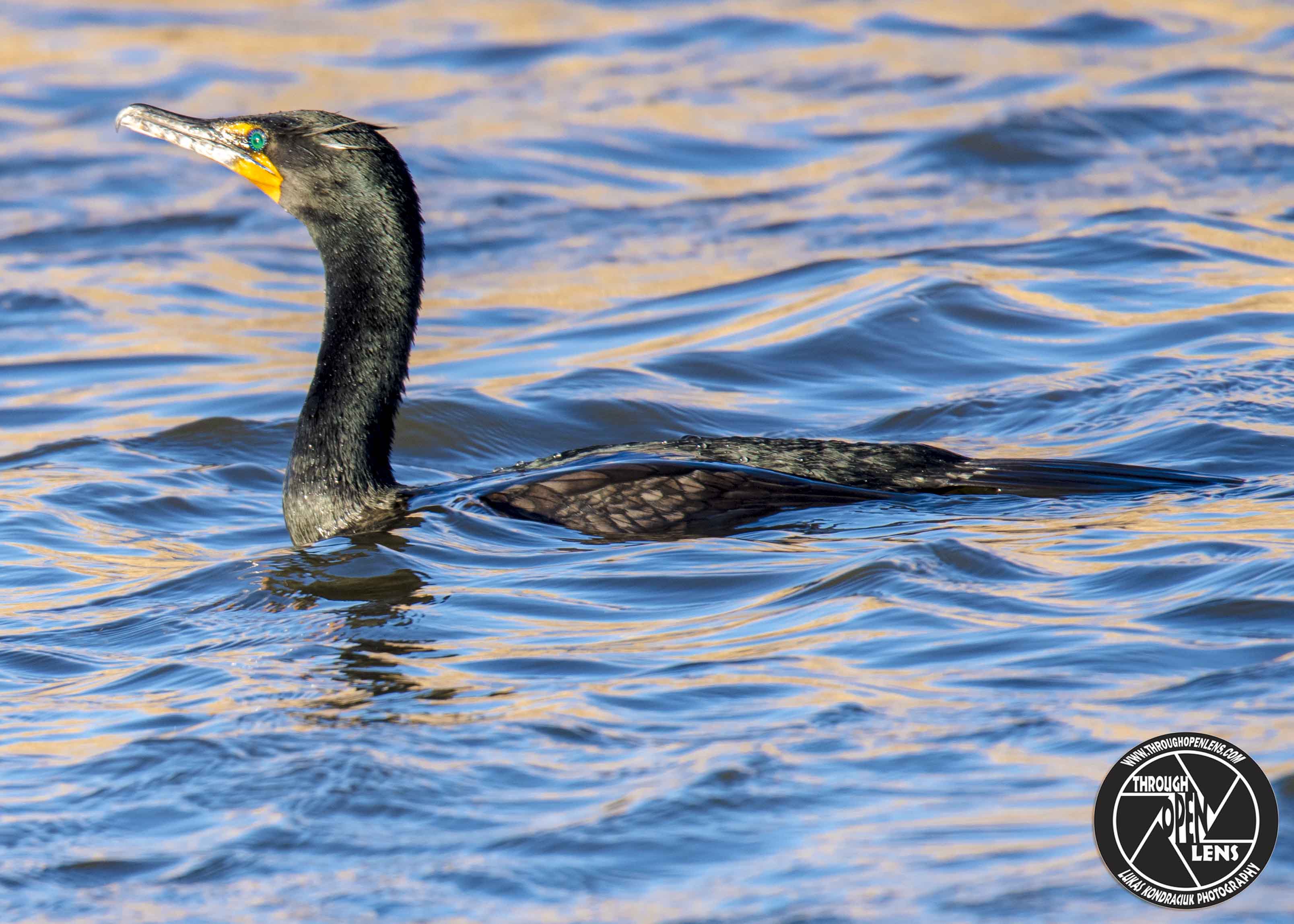
F/9.0, 1/320, ISO 320.
Double-crested Cormorant
What did one toilet say to the other toilet?
You look a bit flushed.
Interesting Fact: Double-crested Cormorant nests often are exposed to direct sun. Adults shade the chicks and also bring them water, pouring it from their mouths into those of the chicks. ( https://www.allaboutbirds.org/guide/Double-crested_Cormorant )

F/14.0, 1/800, ISO 640.
Northern Shoveler
To whom do fish go to borrow money?
The loan shark!
Interesting Fact: They are fairly social ducks, occurring in groups with shovelers and other dabbling ducks, especially during the winter. During the breeding season, they are less tolerant of other shovelers encroaching on their territory. Defensive males often chase intruders on the water and in the air. ( https://www.allaboutbirds.org/guide/Northern_Shoveler/lifehistory )

F/6.3, 1/800, ISO 640.
Double crested Cormorant
What do you call a witch at the beach?
A sand-witch!
Interesting Fact: Cormorants have less preen oil than other birds, so their feathers can get soaked rather than shedding water like a duck’s. Though this sounds like a liability, this is thought to be an adaptation that helps cormorants hunt underwater more effectively. ( https://www.allaboutbirds.org/guide/Double-crested_Cormorant/lifehistory )

F/6.3, 1/1000, ISO 500.
Great Blue Heron
Why was Frosty told to leave the grocery store?
Because he was caught picking his nose in the produce isle.
Interesting Fact: Despite their impressive size, Great Blue Herons weigh only 5 to 6 pounds thanks in part to their hollow bones—a feature all birds share. ( https://www.allaboutbirds.org/guide/Great_Blue_Heron/overview )

F/6.3, 1/500, ISO 250.
Northern Pintail Duck
A man walks into an army surplus store and asks if they have any camouflage jackets.
“Yes, we do,” replies the assistant. “But we can’t find any of them.”
Interesting Fact: The female makes several scrapes in the ground before she starts building the nest, ultimately choosing the last scrape made. She slowly adds grasses and down to the depression while laying eggs to form a shallow bowl approximately 7–10 inches wide and 2–4 inches deep. ( https://www.allaboutbirds.org/guide/Northern_Pintail/lifehistory )

F/10.0, 1/1600, ISO 800.
Canada Goose
How do we know that insects are so clever?
Because they always know when your eating outside!
Interesting Fact: They mate for life with very low “divorce rates,” and pairs remain together throughout the year. Geese mate “assortatively,” larger birds choosing larger mates and smaller ones choosing smaller mates; in a given pair, the male is usually larger than the female. ( https://www.allaboutbirds.org/guide/Canada_Goose/lifehistory )
 Through Open Lens