I Peck You!

F/9.0, 1/200, ISO 160.

Hairy Woodpecker

What did the blanket say to the bed?

Don’t worry, I’ve got you covered!

Interesting Fact: Hairy Woodpeckers sometimes drink sap leaking from wells in the bark made by sapsuckers. They’ve also been seen pecking into sugar cane to drink the sugary juice. ( https://www.allaboutbirds.org/guide/Hairy_Woodpecker/lifehistory )
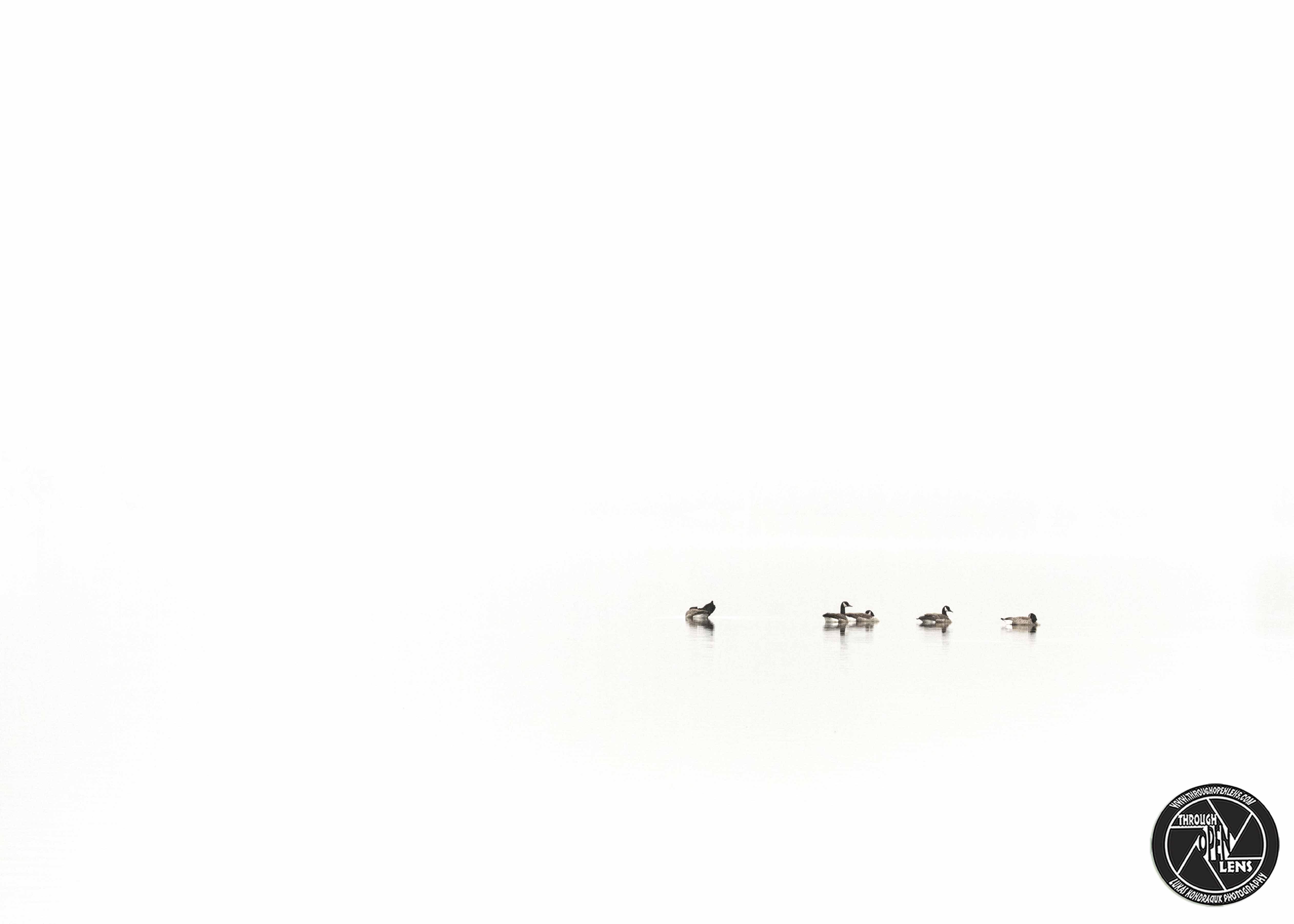
The Fog Always Lifts.

F/9.0, 1/320, ISO 800.

Canada Goose

What do clouds do when they become rich?

A. They make it rain!

Interesting Fact: Nest Placement on the ground, usually on a muskrat mound or other slightly elevated site, near water. They prefer a spot from which they can have a fairly unobstructed view in many directions. Female selects the site and does much of nest construction. She adds down feathers and some body feathers beginning after the second egg is laid. She does all the incubation while her mate guards her and the nest.  ( https://www.allaboutbirds.org/guide/Canada_Goose/lifehistory )

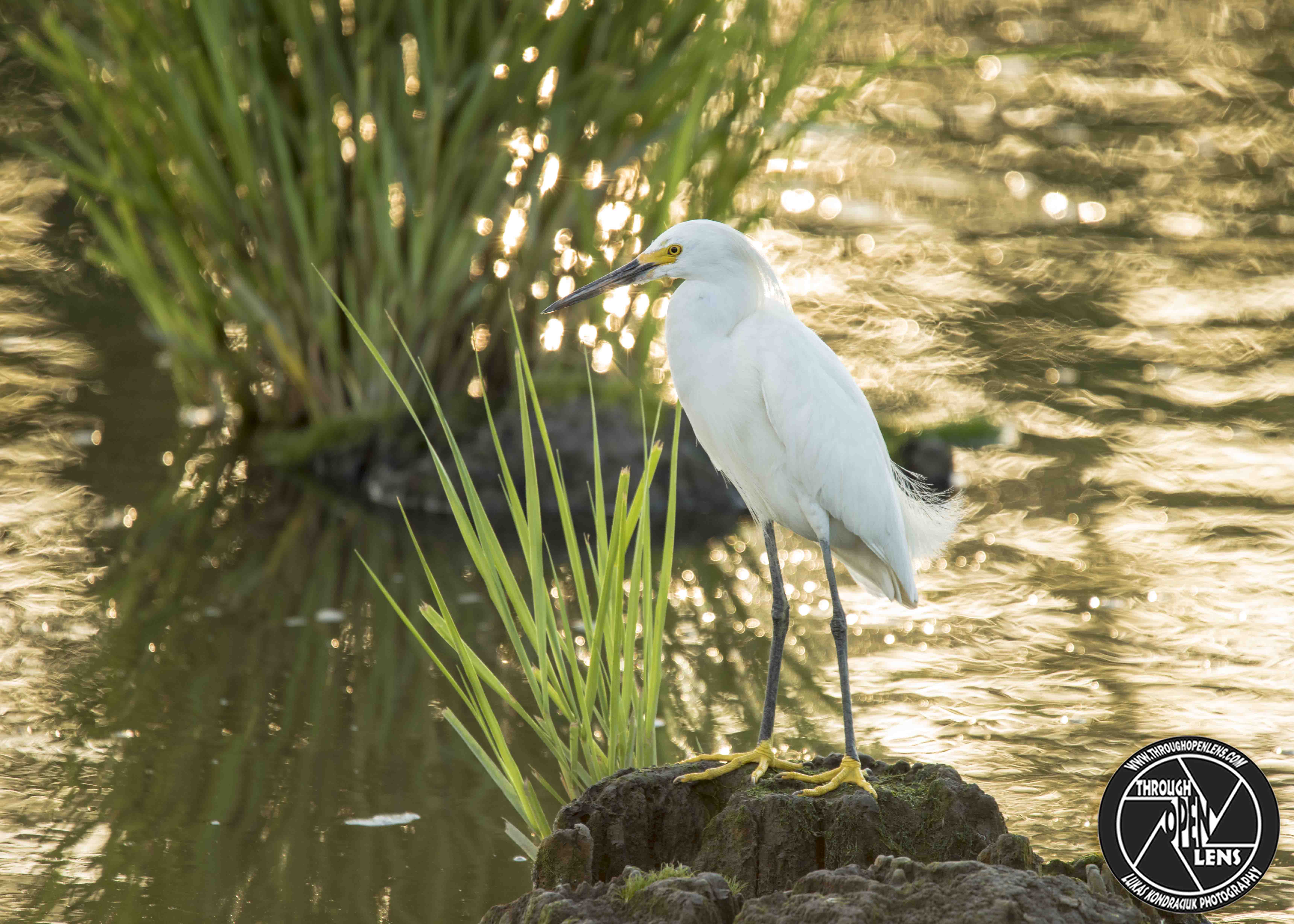
Leave A Little Sparkle Wherever You Go!

F/6.3, 1/160, ISO 250.

Snowy Egret

What does a pig put on its paper cut?

Oinkment!

Interesting Fact: The Snowy Egret eats mostly aquatic animals, including fish, frogs, worms, crustaceans, and insects. It often uses its bright yellow feet to paddle in the water or probe in the mud, rounding up prey before striking with its bill. Snowy Egrets feed while standing, walking, running, or hopping, and they may vibrate their bills, sway their heads, or flick their wings as part of prey gathering. They even forage while hovering. ( https://www.allaboutbirds.org/guide/Snowy_Egret/lifehistory )

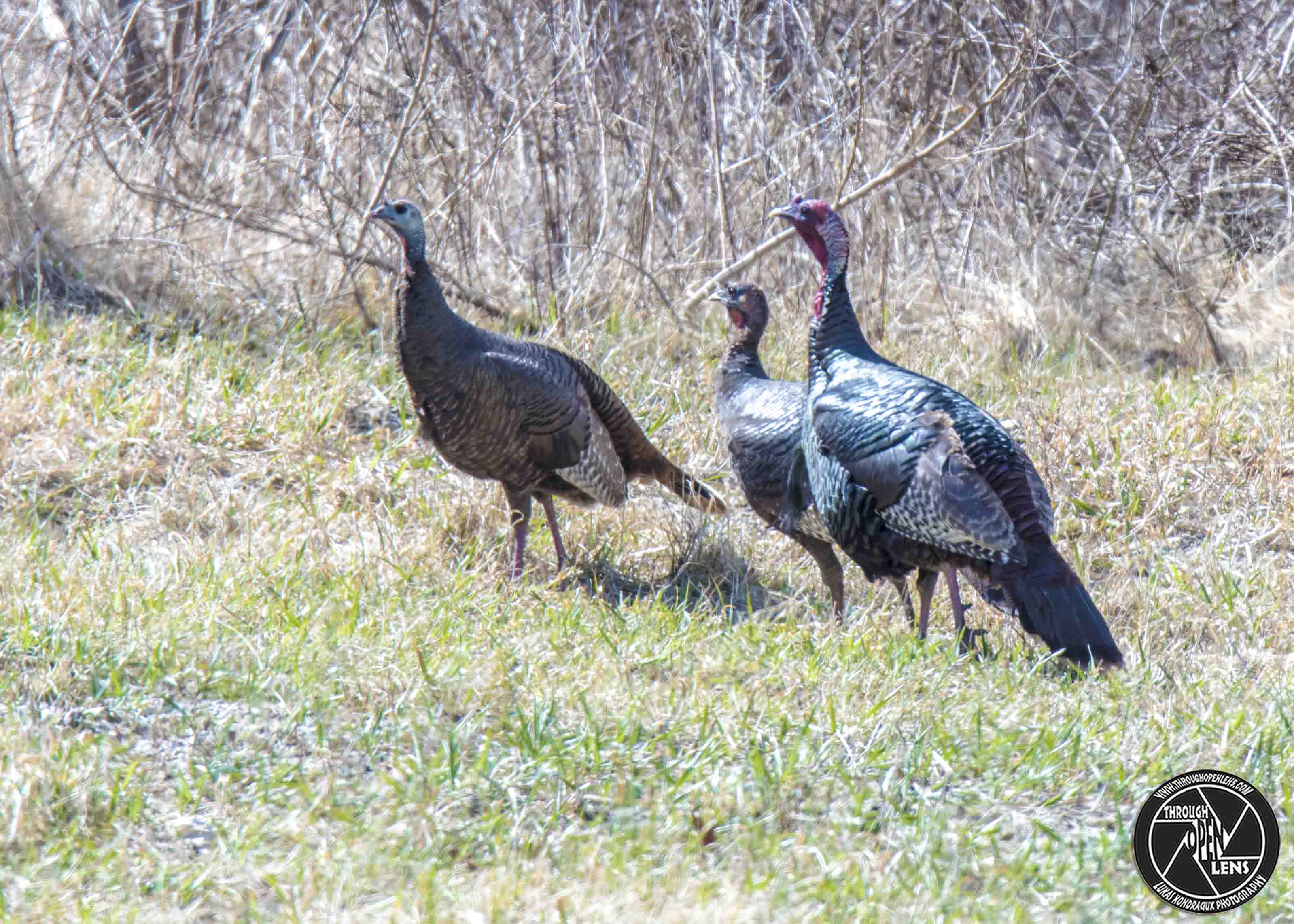
Wild Bunch!

F/9.0, 1/320, ISO 320.

Wild Turkeys

Why couldn’t the leopard play hide and seek?

Because he was always spotted.

Interesting Fact: The female scratches a shallow depression in the soil, about 1 inch deep, 8–11 inches wide, and 9–13 inches long. Wild Turkeys use only the dead leaves or other plant materials already present at the nest site. ( https://www.allaboutbirds.org/guide/Wild_Turkey/lifehistory )


Daydreaming Again!

F/8.0, 1/250, ISO 160.

Hispaniolan Woodpecker

Bacon and eggs walk into a bar and order a beer,

the bartender says sorry, we don’t serve breakfast.

Interesting Fact: This woodpecker is quite vocal, emitting a range of sounds including yapping, squeaking, rolling and nasal calls. Drumming is done only occasionally. ( https://en.wikipedia.org/wiki/Hispaniolan_woodpecker )

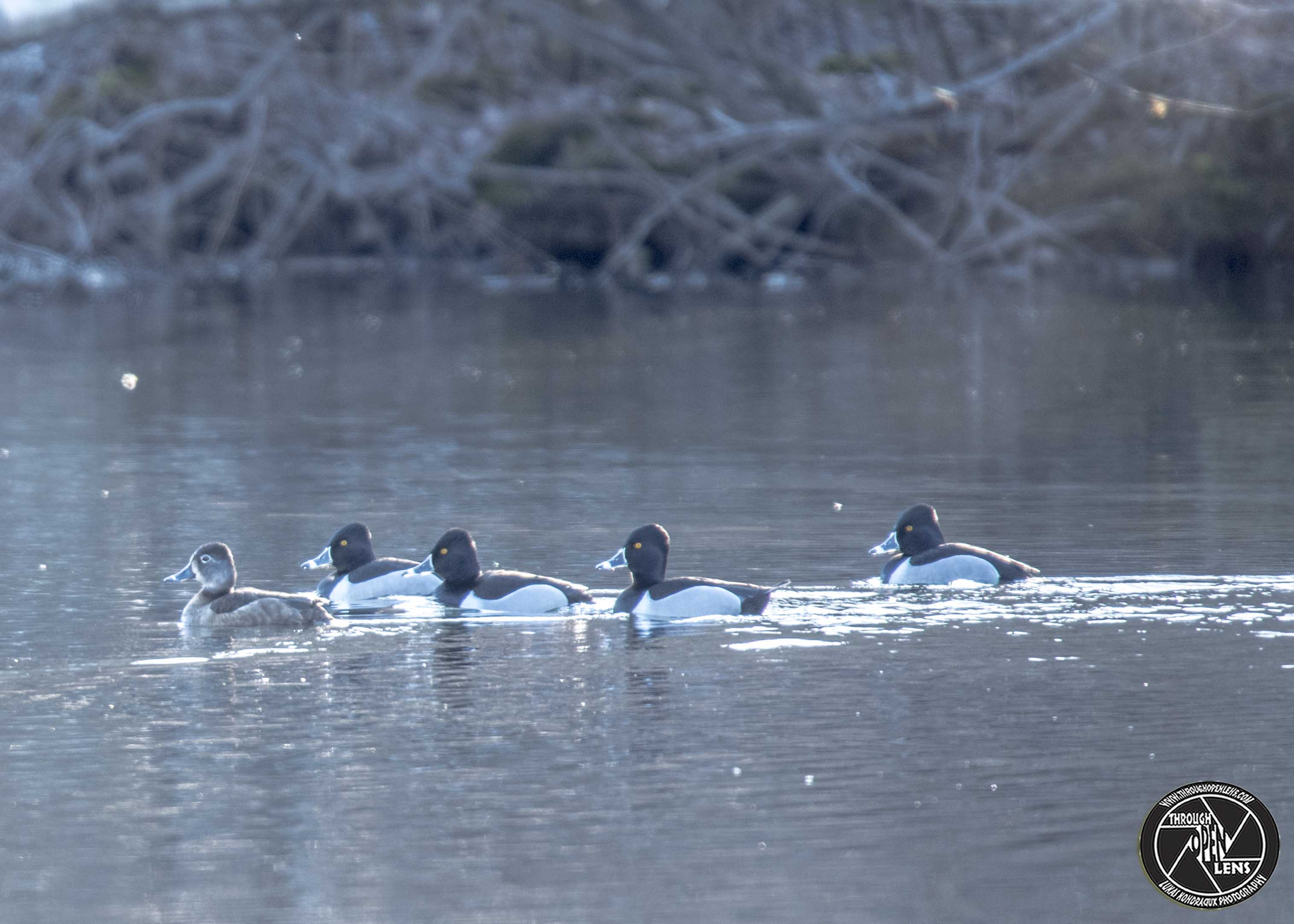
One Lucky Gal!

F/6.3, 1/250, ISO 500.

Ring-necked Duck

Why can’t you hear a pterodactyl in the bathroom?

Because it has a silent pee.

Interesting Fact: Ring-necked Ducks put their nests among dense sedges and other emergent plants in marshes. Pairs choose these sites by swimming at the vegetation edge or by making low circling flights over potential spots. They typically build their nests directly over the water or on floating vegetation; this helps protect the nests from land-based predators. ( https://www.allaboutbirds.org/guide/Ring-necked_Duck/lifehistory )

Empty Nest? Celebrate it! You Are Now Free As A Bird!

F/8.0, 1/250, ISO 320.

Great Blue Heron

Why did the policeman smell bad?

He was on duty.

Interesting Fact: Great Blue Herons nest mainly in trees, but will also nest on the ground, on bushes, in mangroves, and on structures such as duck blinds, channel markers, or artificial nest platforms. Males arrive at the colony and settle on nest sites; from there, they court passing females. Colonies can consist of 500 or more individual nests, with multiple nests per tree built 100 or more feet off the ground. ( https://www.allaboutbirds.org/guide/Great_Blue_Heron/lifehistory )

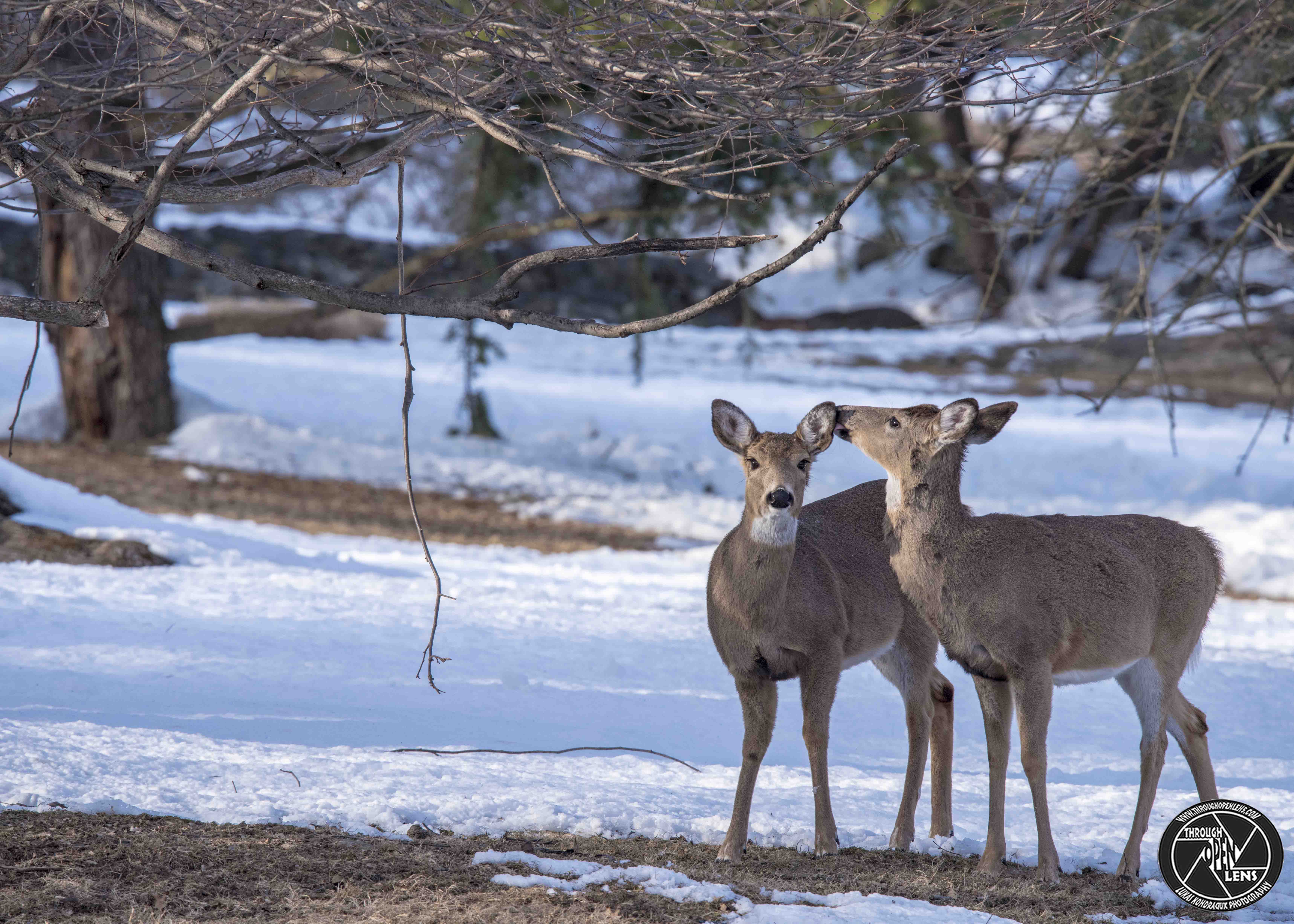
Let Me Tell You A Secret.

F/10.0, 1/400, ISO 640.

White-Tailed Deer

Who did Bambi invite to his birthday party?

His nearest and deer-est friends.

Interesting Fact: Although most often thought of as forest animals depending on relatively small openings and edges, white-tailed deer can equally adapt themselves to life in more open prairie, savanna woodlands, and sage communities as in the Southwestern United States and northern Mexico. These savanna-adapted deer have relatively large antlers in proportion to their body size and large tails. Also, a noticeable difference exists in size between male and female deer of the savannas. The Texas white-tailed deer (O. v. texanus), of the prairies and oak savannas of Texas and parts of Mexico, are the largest savanna-adapted deer in the Southwest, with impressive antlers that might rival deer found in Canada and the northern United States. Populations of Arizona (O. v. couesi) and Carmen Mountains (O. v. carminis) white-tailed deer inhabit montane mixed oak and pine woodland communities.[21] The Arizona and Carmen Mountains deer are smaller, but may also have impressive antlers, considering their size. The white-tailed deer of the Llanos region of Colombia and Venezuela (O. v. apurensis and O. v. gymnotis) have antler dimensions similar to the Arizona white-tailed deer.  ( https://en.wikipedia.org/wiki/White-tailed_deer )

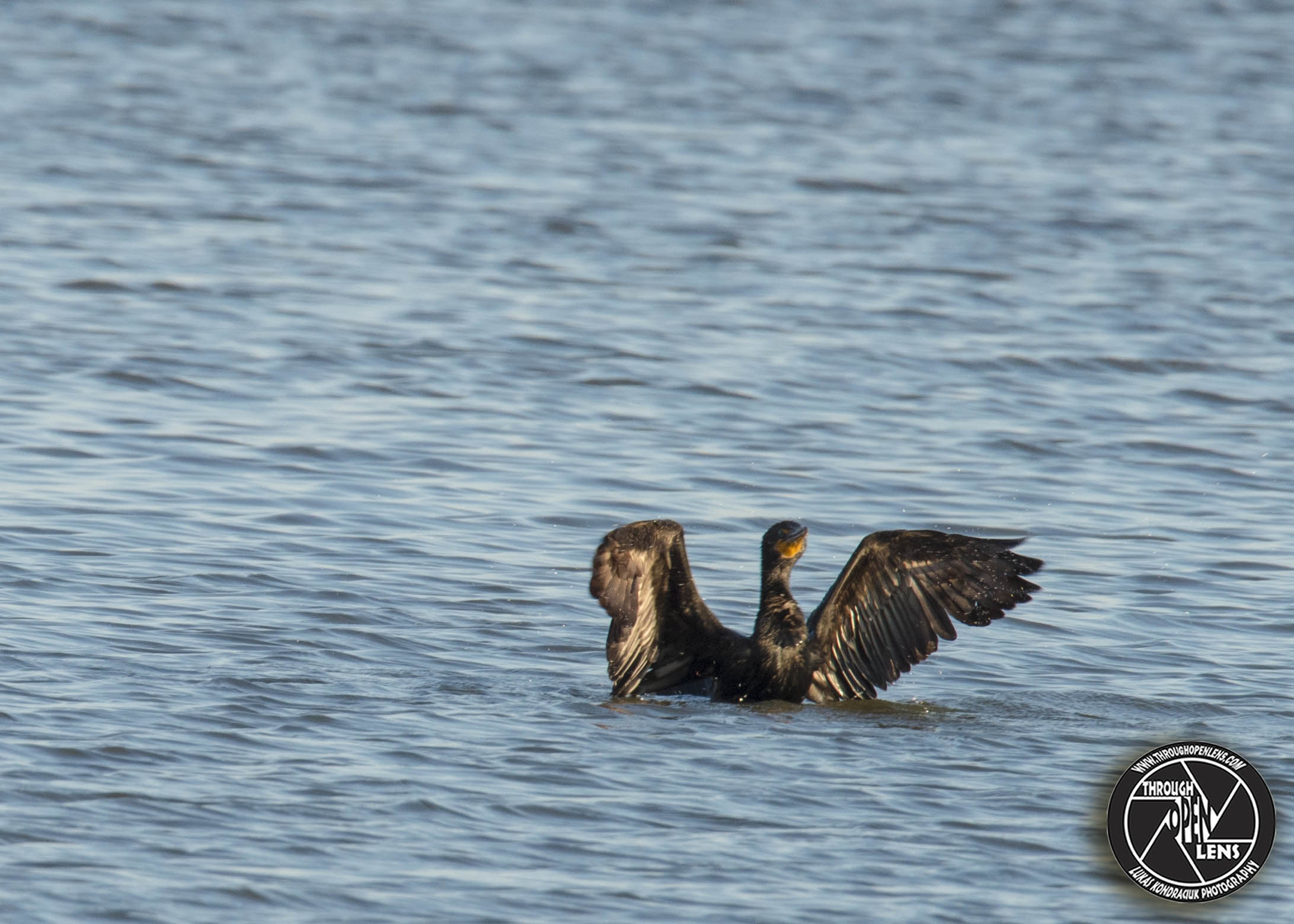
I’m Over Here!

F/13.0, 1/640, ISO 320.

Double-crested Cormorant

Teacher called on a student in the classroom:

Teacher: Name two days of the week that start with “t”.

Student: Today and Tomorrow

Interesting Fact: Double-crested Cormorant nests often are exposed to direct sun. Adults shade the chicks and also bring them water, pouring it from their mouths into those of the chicks. ( https://www.allaboutbirds.org/guide/Double-crested_Cormorant/lifehistory )

Look, I Found Your Business…. It Was All Up In Mine Again!

F/7.1, 1/200, ISO 320.

Northern Cardinal ( Female )

How do you make a lemon drop?

Just let it fall.

Interesting Fact: Northern Cardinals eat mainly seeds and fruit, supplementing these with insects (and feeding nestlings mostly insects). Common fruits and seeds include dogwood, wild grape, buckwheat, grasses, sedges, mulberry, hackberry, blackberry, sumac, tulip-tree, and corn. Cardinals eat many kinds of birdseed, particularly black oil sunflower seed. They also eat beetles, crickets, katydids, leafhoppers, cicadas, flies, centipedes, spiders, butterflies, and moths. ( https://www.allaboutbirds.org/guide/Northern_Cardinal/lifehistory )