Hey Autocorrect! Quit Tampering With My Curse Words, You Mother Forklift!

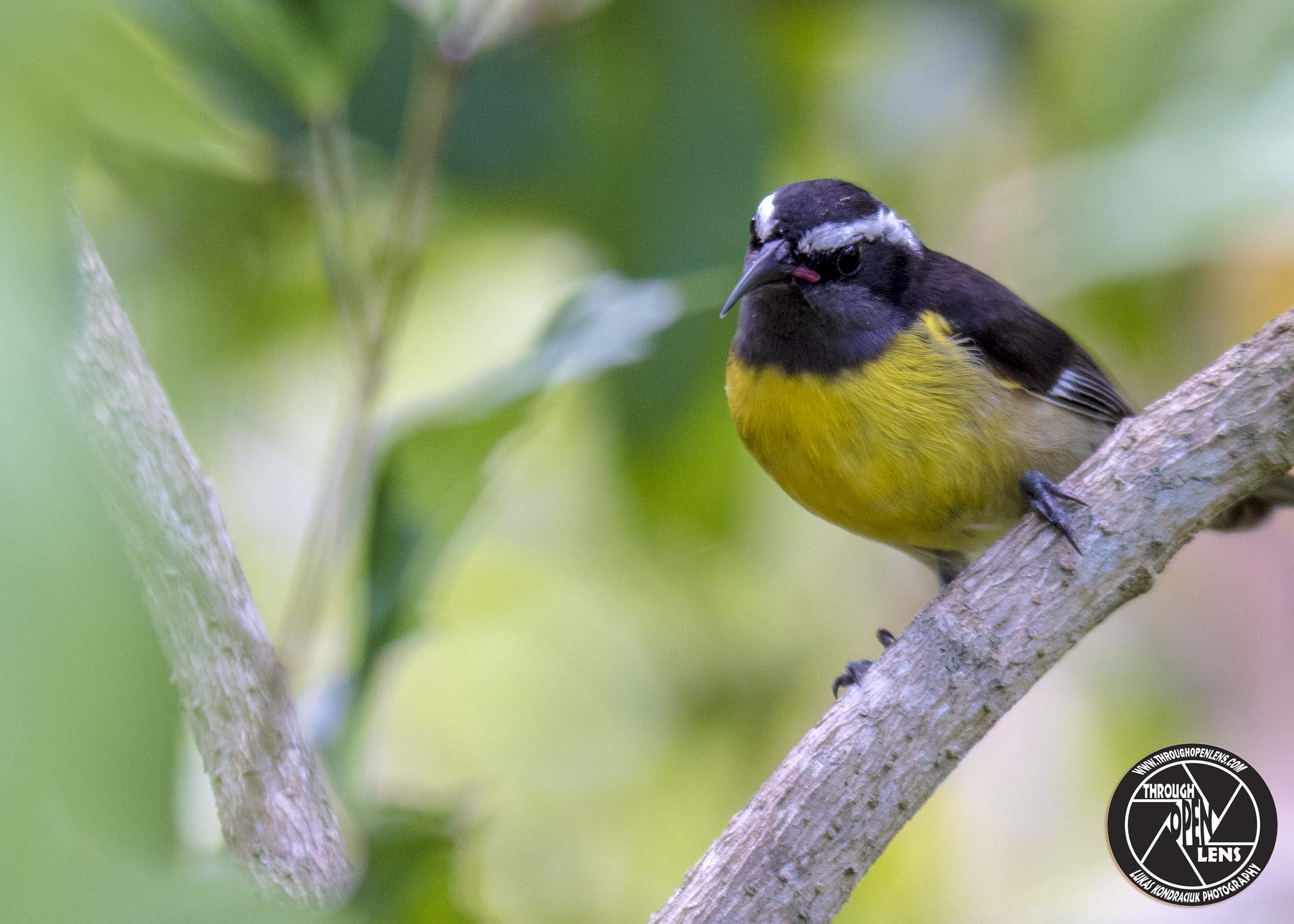
F/5.6, 1/100, ISO 640.

Bananaquit

Why did the fly fall off the toilet?

It got pissed off.

Interesting Fact: The bananaquit is known for its ability to adjust remarkably to human environments. It often visits gardens and may become very tame. Its nickname, the sugar bird, comes from its affinity for bowls or bird feeders stocked with granular sugar, a common method of attracting these birds.[19] The bananaquit builds a spherical lined nest with a side entrance hole, laying up to three eggs, which are incubated solely by the female.[4] It may also build its nest in human-made objects, such as lampshades and garden trellises. The birds breed all year regardless of season and build new nests throughout the year. ( https://en.wikipedia.org/wiki/Bananaquit )


A Wise Duck Once Told Me “QUACK” And He Meant It!

F/7.1, 1/200, ISO 125.

White-cheeked pintail

Why did the student wear eye-glasses in math class?

It improved DiVision!

Interesting Fact: White-cheeked Pintail: Large, heavily spotted dark and light brown duck with striking white cheek patches, blue bill with bright red base, buff pointed tail. Legs and feet are blue-gray. Feeds on aquatic plants, small invertebrates. Swift direct flight with strong rapid wing beats. AKA Bahama Duck. ( https://identify.whatbird.com/obj/1029/overview/White-cheeked_Pintail.aspx )

Sing… The World Needs Your Music In It.

F/9.0, 1/320, ISO 320.

Eastern Wood-Pewee

Why can’t you write with a broken pencil?

Because it’s pointless.

Interesting Fact: The Eastern Wood-Pewee’s lichen-covered nest is so inconspicuous that it often looks like a knot on a branch. ( https://www.allaboutbirds.org/guide/Eastern_Wood-Pewee )


Sleeping Beauty.

F/6.3, 1/160, ISO 200.

Common Snapping Turtle

What do you get when you mix an elephant with a rhino?

Elephino!!!

Joke complementary of: robinwrites

F/5.6, 1/125, ISO 200.

F/5.6, 1/500, ISO 400.

Interesting Fact: Snapping turtles ambush their prey from the bottom of the water. Fish mistake their tongue for warms and viola dinner is served. yum

Sorry… We Are Busy Sunbathing.

F/8.0, 1/250, ISO 320.

Red-Eared Slider Turtle

What did the Sewage Worker say to his apprentice?

Urine for a surprise.

Interesting Fact: Red-eared sliders do not hibernate, but actually brumate; while they become less active, they do occasionally rise to the surface for food or air. Brumation can occur to varying degrees. In the wild, red-eared sliders brumate over the winter at the bottoms of ponds or shallow lakes. They generally become inactive in October, when temperatures fall below 10 °C (50 °F).[9] During this time, the turtles enter a state of sopor, during which they do not eat or defecate, they remain nearly motionless, and the frequency of their breathing falls. Individuals usually brumate underwater, but they have also been found under banks and rocks, and in hollow stumps. In warmer winter climates, they can become active and come to the surface for basking. When the temperature begins to drop again, however, they quickly return to a brumation state. Sliders generally come up for food in early March to as late as the end of April. ( https://en.wikipedia.org/wiki/Red-eared_slider )

Everyday May Not Be Good, But There Is Something Good In Everyday.

F/9.0, 1/250, ISO 320.

Muskrat

Why did the dog sit in the shade?

Because he didn’t want to be a hot dog!

Interesting Fact: Native Americans have long considered the muskrat to be a very important animal. Some predict winter snowfall levels by observing the size and timing of muskrat lodge construction.[26]  In several Native American creation myths, the muskrat dives to the bottom of the primordial sea to bring up the mud from which the earth is created, after other animals have failed in the task. ( https://en.wikipedia.org/wiki/Muskrat#Behavior )


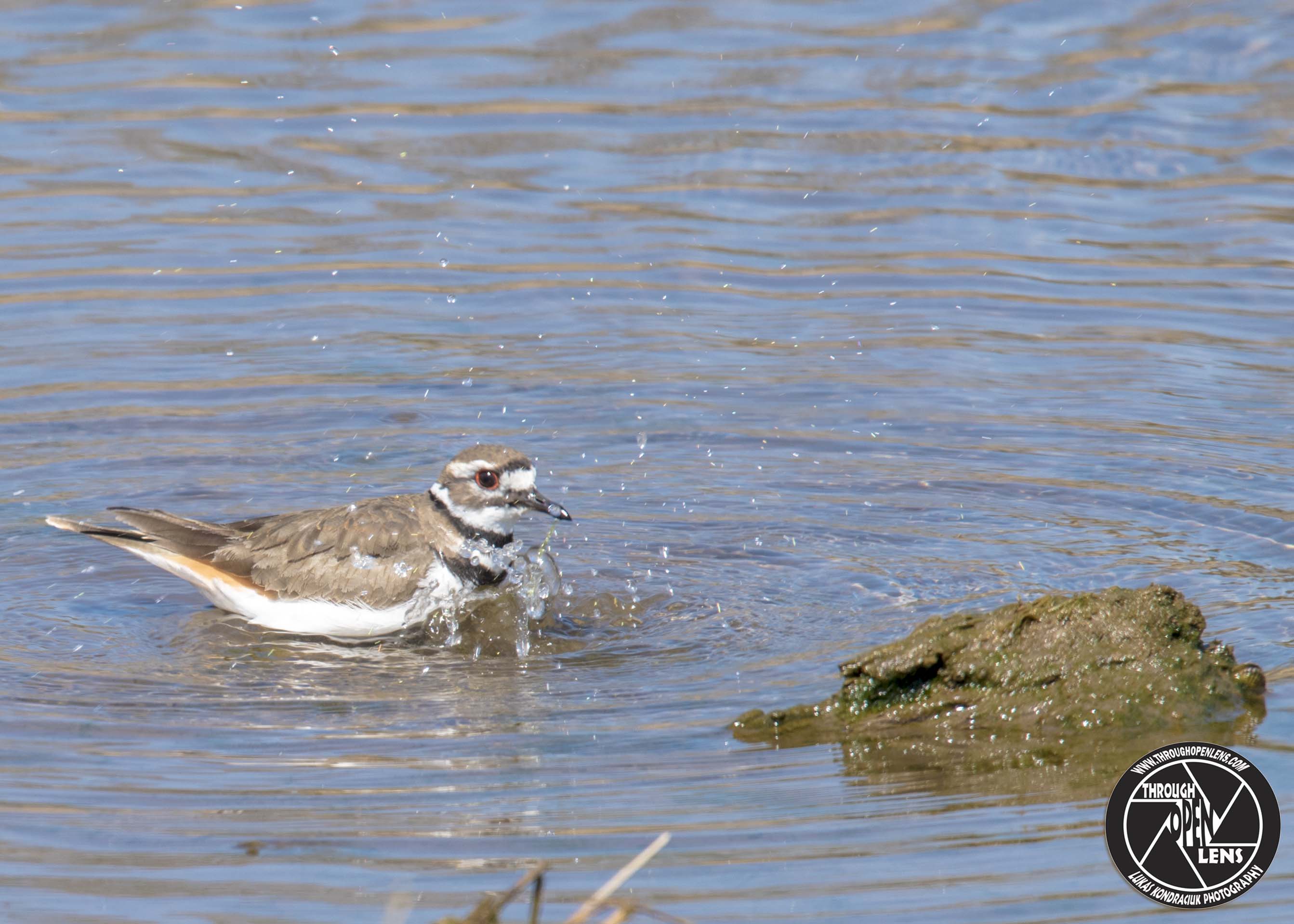
Make A Splash!

F/9.0, 1/320, ISO 200.

Killdeer

How does a man take a bubble bath?

He eats beans for dinner.

Interesting Fact: Often seen in dry, flat landscapes, running and halting on the ground in search of insects and earthworms. Although the Killdeer is common around human habitation it is often shy, at first running away rather than flying. ( https://www.allaboutbirds.org/guide/Killdeer/lifehistory )

Hey, these are my nuts!

F/5.6, 1/160, ISO 800.

Eastern Chipmunk

Why did the skeleton burp?

Because it didn’t have the guts to fart.

Interesting Fact: A chipmunk’s cheeks can expand to three times the size of its head and they have pouches in their cheeks where they hold their food until they get back to store it in their burrows ( http://www.pets4homes.co.uk/pet-advice/fun-interesting-facts-about-chipmunks.html )


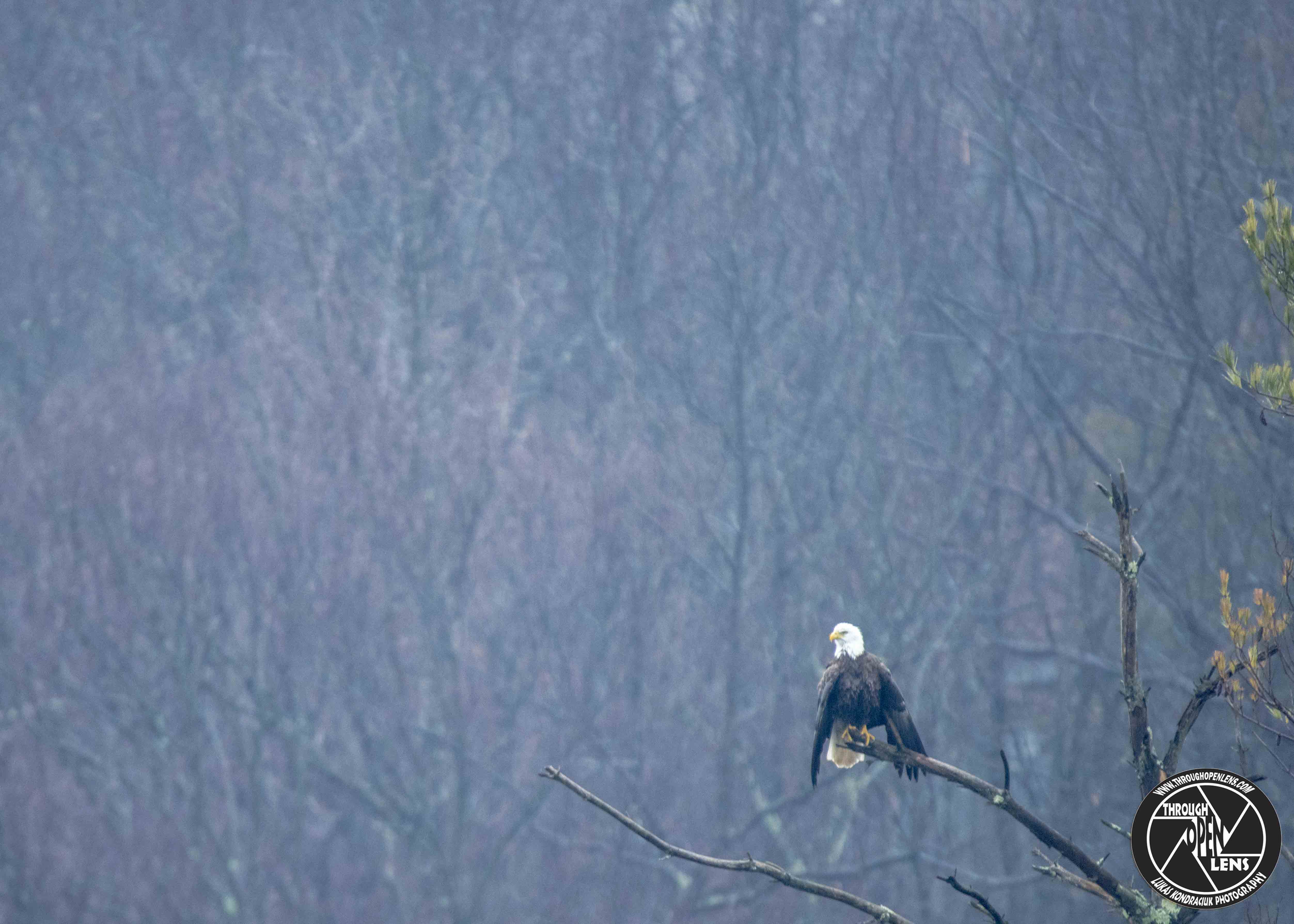
It’s Much Easier Sitting Down In The Chair..

F/6.3, 1/60, ISO 1250.

Bald Eagle

What is the difference between a good lawyer and a great lawyer?

A good lawyer knows the law and a great lawyer knows the judge!

Interesting Fact: Bald Eagles are powerful fliers—soaring, gliding, and flapping over long distances. In one of several spectacular courtship displays, a male and female fly high into the sky, lock talons, and cartwheel downward together, breaking off at the last instant to avoid crashing to earth. ( https://www.allaboutbirds.org/guide/Bald_Eagle/lifehistory )

Peck Me If You Can!

F/9.0, 1/1250, ISO 800.

Red-Bellied Woodpecker

Why did the owl, owl?

Because the woodpecker would peck ‘er!

Interesting Fact: A Red-bellied Woodpecker can stick out its tongue nearly 2 inches past the end of its beak. The tip is barbed and the bird’s spit is sticky, making it easier to snatch prey from deep crevices. Males have longer, wider-tipped tongues than females, possibly allowing a breeding pair to forage in slightly different places on their territory and maximize their use of available food. ( https://www.allaboutbirds.org/guide/Red-bellied_Woodpecker/lifehistory )