I Am Not Going To Making Duck Face For You!

F/9.0, 1/320, ISO 250.

Common Eider ( Males )

What did Detective Duck say to his partner?

“Let’s quack this case!”

Interesting Fact: A famous colony lives on the Farne Islands in Northumberland, Britain. These birds were the subject of one of the first ever bird protection laws, established by Saint Cuthbert in the year 676. About 1,000 pairs still nest there every year. ( https://identify.whatbird.com/obj/1095/overview/Common_Eider.aspx )

Hold It Until We Find A Clean Car!

F/10.0, 1/400, ISO 200. 

Brown Pelican

How do you make holy water?

Boil the hell out of it!

Interesting Fact: Though they have an awkward gait on land, Brown Pelicans are strong swimmers and masterful fliers. They fly to and from their fishing grounds in V-formations or lines just above the water’s surface. They and the closely related Peruvian Pelican are the only pelican species to perform spectacular head-first dives (typically ending in a huge splash visible from far away) to trap fish.  ( https://www.allaboutbirds.org/guide/Brown_Pelican/lifehistory )

Something’s Stuck In My Butt Quack…

F/8.0, 1/250, ISO 160.

Common Eider ( Females ) 

What do you call a duck that steals?

A robber ducky.

Interesting Fact: Mother Common Eiders lead their young to water, and often are accompanied by nonbreeding hens that participate in chick protection. Broods often come together to form “crèches” of a few to over 150 ducklings. Attacks by predators may cause several broods to cluster together into a crèche. Once formed, a crèche tends to stay together throughout the brood rearing period, although some of the different females attending it may leave.  ( https://www.allaboutbirds.org/guide/Common_Eider/ )

You Quack Me Up!

F/9.0, 1/320, ISO 250.

Northern Shoveler

At what time does a duck wake up?

At the quack of dawn.

Interesting Fact: When flushed off the nest, a female Northern Shoveler often defecates on its eggs, apparently to deter predators. ( https://www.allaboutbirds.org/guide/Northern_Shoveler/overview )

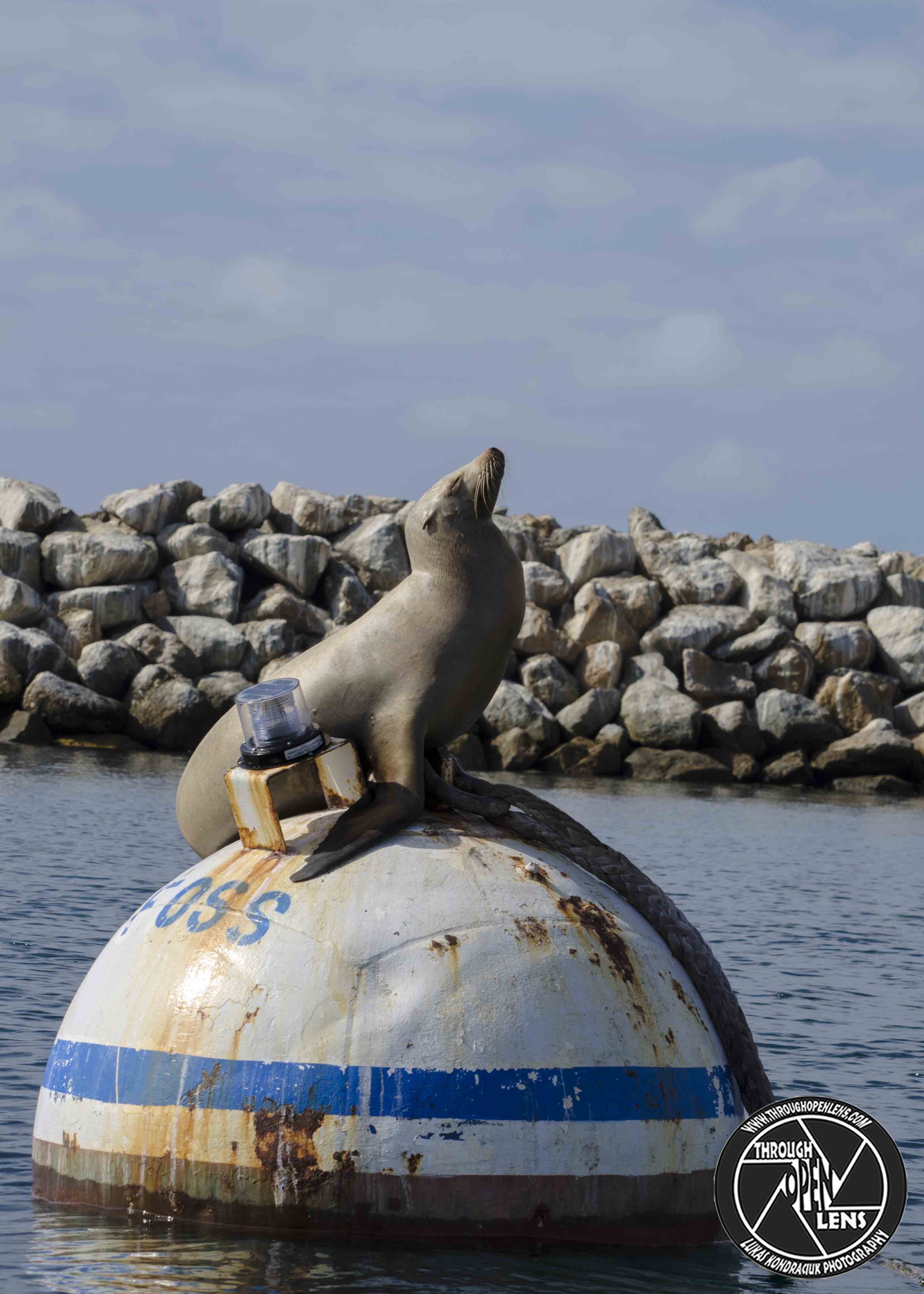
Catching Some Rays And Then Making Some Waves!

F/9.0, 1/320, ISO 100.

California Sea Lion

What do you call a seal in the desert?

Lost.

Interesting Fact:  The California sea lion is a sleek animal, faster than any other sea lion or seal. These eared seals top out at speeds of some 25 miles (40 kilometers) an hour. ( http://animals.nationalgeographic.com/animals/mammals/california-sea-lion/ )

Gonzo Would Be Jealous!

F/7.1, 1/800, ISO 200.

Whimbrel

What Do You Call a Beach that Keeps Losing Sand?

A Shore Loser.

Interesting Fact: In many regions, the primary winter food of the Whimbrel is crab. The curve of the Whimbrel’s bill nicely matches the shape of fiddler crab burrows. The bird reaches into the crab’s burrow, extracts the crab, washes it if it is muddy, and sometimes breaks off the claws and legs before swallowing it. Indigestible parts are excreted in fecal pellets.  ( https://www.allaboutbirds.org/guide/Whimbrel/lifehistory )


I Would Cry But Mascara Is Designer

green-winged-teal

F/6.3, 1/500, ISO 360.

Green-Winged Teal

Men are like mascara, any sign of emotion and they’re running.

Interesting Fact: Green-winged Teals have closely spaced, comblike projections called lamellae around the inner edge of the bill. They use them to filter tiny invertebrates from the water, allowing the birds to capture smaller food items than other dabbling ducks. ( https://www.allaboutbirds.org/guide/Green-winged_Teal/lifehistory )

I Am Very Saucy, You Can Call Me Duck Sauce.

ruddy-duck-2

F/10.0, 1/320, ISO 400.

Ruddy Duck

Why did the scarecrow get promoted?

Because he was outstanding in his field.

Interesting Fact: Pleistocene fossils of Ruddy Ducks, at least 11,000 years old, have been unearthed in Oregon, California, Virginia, Florida, and Illinois. ( https://www.allaboutbirds.org/guide/Ruddy_Duck/lifehistory )


I Am Going To Wing It!

double-crested-cormorant

F/ 5.6, 1/500, ISO 220.

Double-crested Cormorant

What do you call a fly without wings?

A walk

Interesting Fact: Accumulated fecal matter below nests can kill the nest trees. When this happens, the cormorants may move to a new area or they may simply shift to nesting on the ground. ( https://www.allaboutbirds.org/guide/Double-crested_Cormorant/lifehistory )

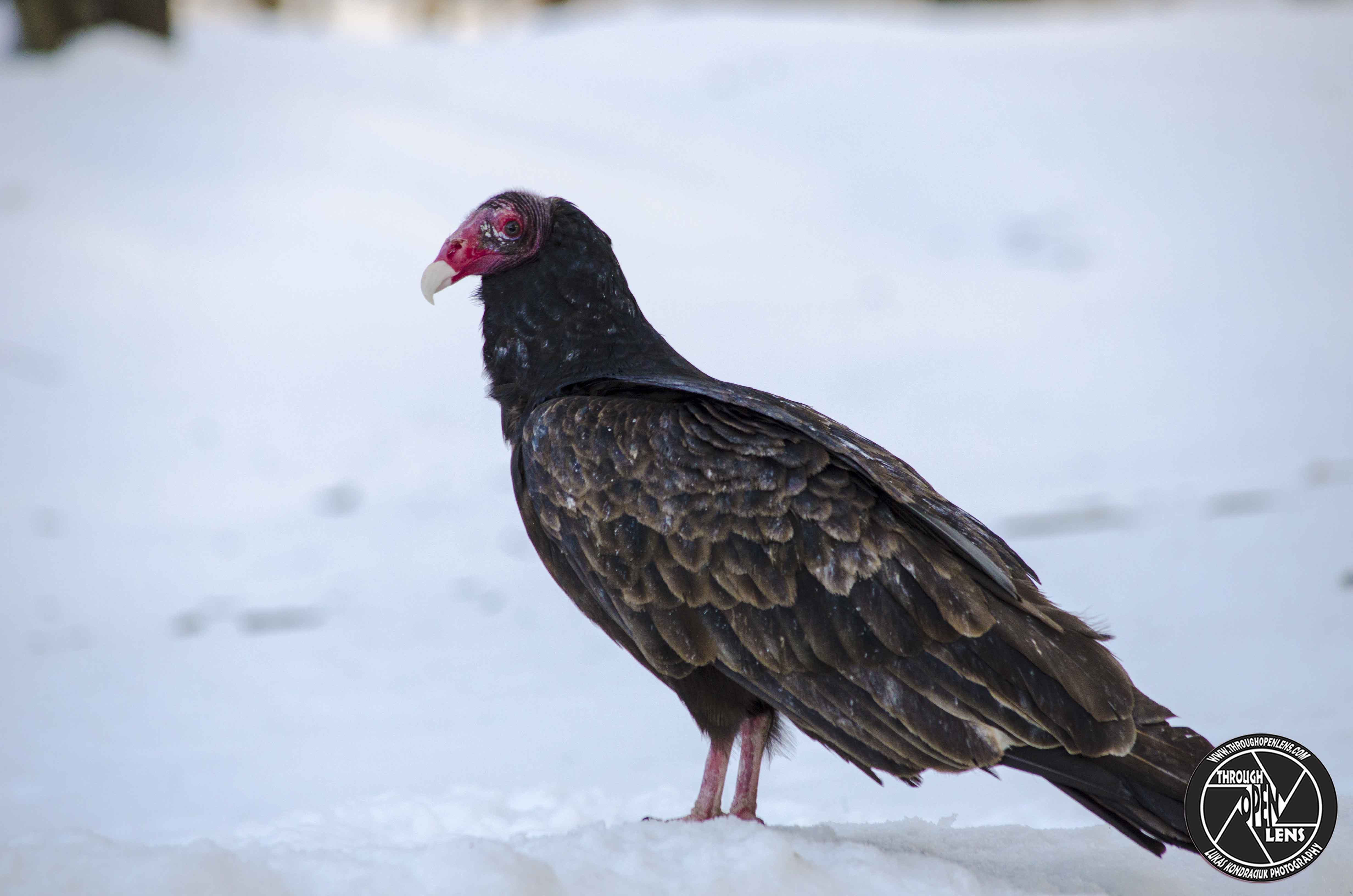
Whatchoo Wanna Do Tonight?!

F/5.6, 1/500, ISO 280

Turkey Vulture

Why do birds fly south in the fall?

Because it’s too far to walk.

Interesting Fact: The Turkey Vulture’s distinctive slow, teetering flight style probably helps the bird soar at low altitudes, where it is best able to use its nose to find carrion. At other times they may soar high on thermals and form mixed flocks or kettles. On the ground they move with ungainly hops and are less agile than Black Vultures. ( https://www.allaboutbirds.org/guide/Turkey_Vulture/lifehistory )