Life Is So Much Easier When You Just Chill Out.

F/8.0, 1/250, ISO 500.

Greater Yellowlegs

Why are trees very forgiving?

Because in the Fall they “Let It Go” and in the Spring they “turn over a new leaf”.

Interesting Fact: The Greater Yellowlegs nest is a simple depression in the moss or peat, sometimes lined with leaves and lichen. The finished nest is about 6 inches across and the inner cup is about an inch deep. ( https://www.allaboutbirds.org/guide/Greater_Yellowlegs/lifehistory )

Come Swim With Me!

F/5.6, 1/500, ISO 250.

Horned Grebe

What is a witch’s favorite subject in school?

Spelling.

Interesting Fact:  Like most grebes, the small chicks of the Horned Grebe frequently ride on the backs of their swimming parents. The young ride between the wings on the parent’s back, and may even go underwater with them during dives. ( https://www.allaboutbirds.org/guide/Horned_Grebe/lifehistory )

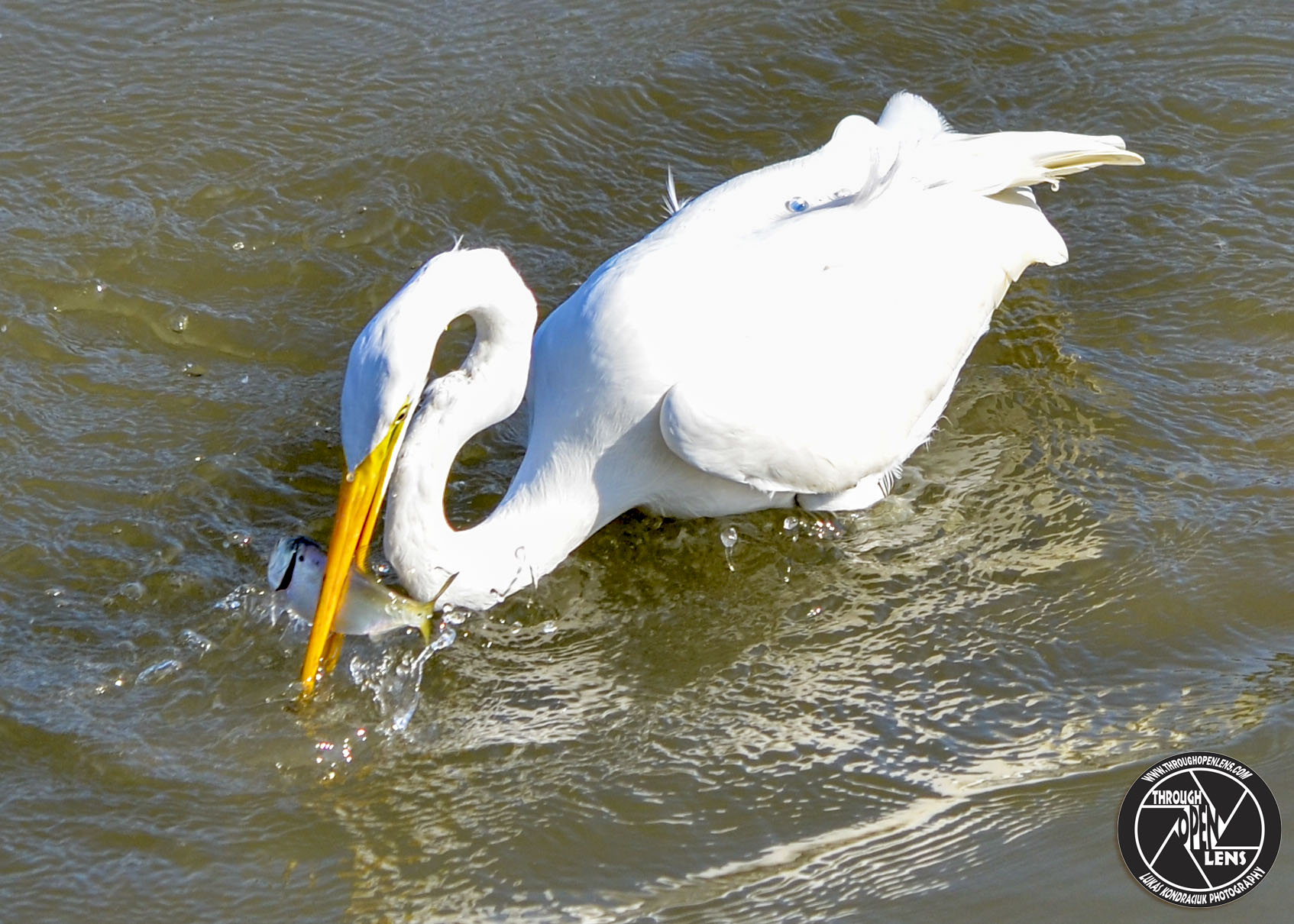
May The Fish Be With You!

F/6.3, 1/640, ISO 200.

Great Egret 

What did the ghost teacher say to her class?

Watch the board and I’ll go through it again.

Interesting Fact: Visit a pond or coastal marsh and look for an all-white bird—slightly smaller than a Great Blue Heron, with black legs and a yellow bill. It may be wading slowly or standing stock-still, peering intently at the water as it searches for fish. If you live outside of the species’ breeding range, you may still see Great Egrets in late summer as they move about widely before heading to their wintering grounds. ( https://www.allaboutbirds.org/guide/Great_Egret )


Should We Drink Today… Or Drink Today And Tomorrow… We are Confused!

F/6.3, 1/640, ISO 200.

Greater Yellowlegs

Why do ghosts carry tissues?

Because they have BOOOOgers.

Interesting Fact: The Greater Yellowlegs nests on the ground often at the base of short, coniferous trees. Nests from the previous year are occasionally reused in subsequent years.  ( https://www.allaboutbirds.org/guide/Greater_Yellowlegs/lifehistory )


I Need A Hug!

F/5.6, 1/500, ISO 200.

Double-Crested Cormorant 

What do birds do on their free time?

They check their Twitter account.

Interesting Fact: Double-crested cormorants are gregarious birds that are almost always near water. Their main two activities are fishing and resting, with more than half their day spent on the latter. When at rest, a cormorant will choose an exposed spot on a bare branch or a windblown rock, and often spread its wings out, which is thought to be a means of drying their feathers after fishing. ( https://www.allaboutbirds.org/guide/Double-crested_Cormorant/lifehistory )


By Invitation Only!

F/5.6, 1/500, ISO 200.

Mallard Female

Why do barbers make good drivers?

They know all the shortcuts.

Interesting Fact: During egg-laying phase, she lines the nest with grasses, leaves, and twigs from nearby. She also pulls tall vegetation over to conceal herself and her nest. After incubation begins, she plucks down feathers from her breast to line the nest and cover her eggs. The finished nest is about a foot across, with a bowl for the eggs that is 1–6 inches deep and 6–9 inches across. ( https://www.allaboutbirds.org/guide/Mallard/lifehistory )

I Am Happy To See You!

F11.0, 1/500, ISO 400.

Ruddy Ducks

What do you call a bee that lives in America?

A USB

Interesting Fact: Ruddy Ducks are very aggressive toward each other and toward other species, especially during the breeding season. Unlike most ducks, they form pairs only after arriving on the breeding grounds each year. Males perform unusual courtship displays in which they stick their tails straight up while striking their bills against their inflated necks, creating bubbles in the water as air is forced from their feathers. They punctuate the end of the display with a belch-like call. ( https://www.allaboutbirds.org/guide/Ruddy_Duck/lifehistory )


Once You Stop Chasing The Wrong Things, The Right Ones Catch You.

F/9.0, 1/320, ISO 160.

Wood Duck

How does a man show he’s planning for the future?

He buys two cases of Beer instead of one.

Interesting Fact: Wood ducks cavities are typically places where a branch has broken off and the tree’s heartwood has subsequently rotted. Woodpecker cavities are used less frequently. Wood Ducks cannot make their own cavities. The nest tree is normally situated near to or over water, though Wood Ducks will use cavities up to 1.2 miles from water. ( https://www.allaboutbirds.org/guide/Wood_Duck/lifehistory )


Welcome To The Jungle We Got Fun And Games!

F/7.1, 1/160, ISO 250.

Tricolored Heron

What is a mattress favorite season?

Spring.

Interesting Fact: Tricolored Herons gracefully walk through wetlands as other herons do, but they also run after fish with sharp turns and stops, balancing with their wings. They tend to forage alone or at the edge of flocks of wading birds. ( https://www.allaboutbirds.org/guide/Tricolored_Heron/lifehistory )

Don’t Talk With Your Mouth Full!

F/6.3, 1/160, ISO 160.

Green Heron

What is the only time a man thinks about a candlelight dinner?

When the power goes off.

Interesting Fact: They defend breeding areas from each other and from birds like crows and grackles that prey on their nests. Other predators include snakes and raccoons. Both the male and female brood and feed the chicks, which may stay with their parents for more than a month after leaving the nest, as they learn to forage. ( https://www.allaboutbirds.org/guide/Green_Heron/lifehistory )