Welcome To The Jungle We Got Fun And Games!

F/9.0, 1/320, ISO 800.

Hispaniolan Amazon Parrots

What is a mattress’ favorite season?

Spring.

Interesting Fact: Its natural habitats are subtropical or tropical dry forestsubtropical or tropical moist lowland forest, subtropical or tropical moist montane forest, and plantations. It is threatened in its home range by habitat loss and the capture of individuals for the pet trade. ( https://en.wikipedia.org/wiki/Hispaniolan_amazon )
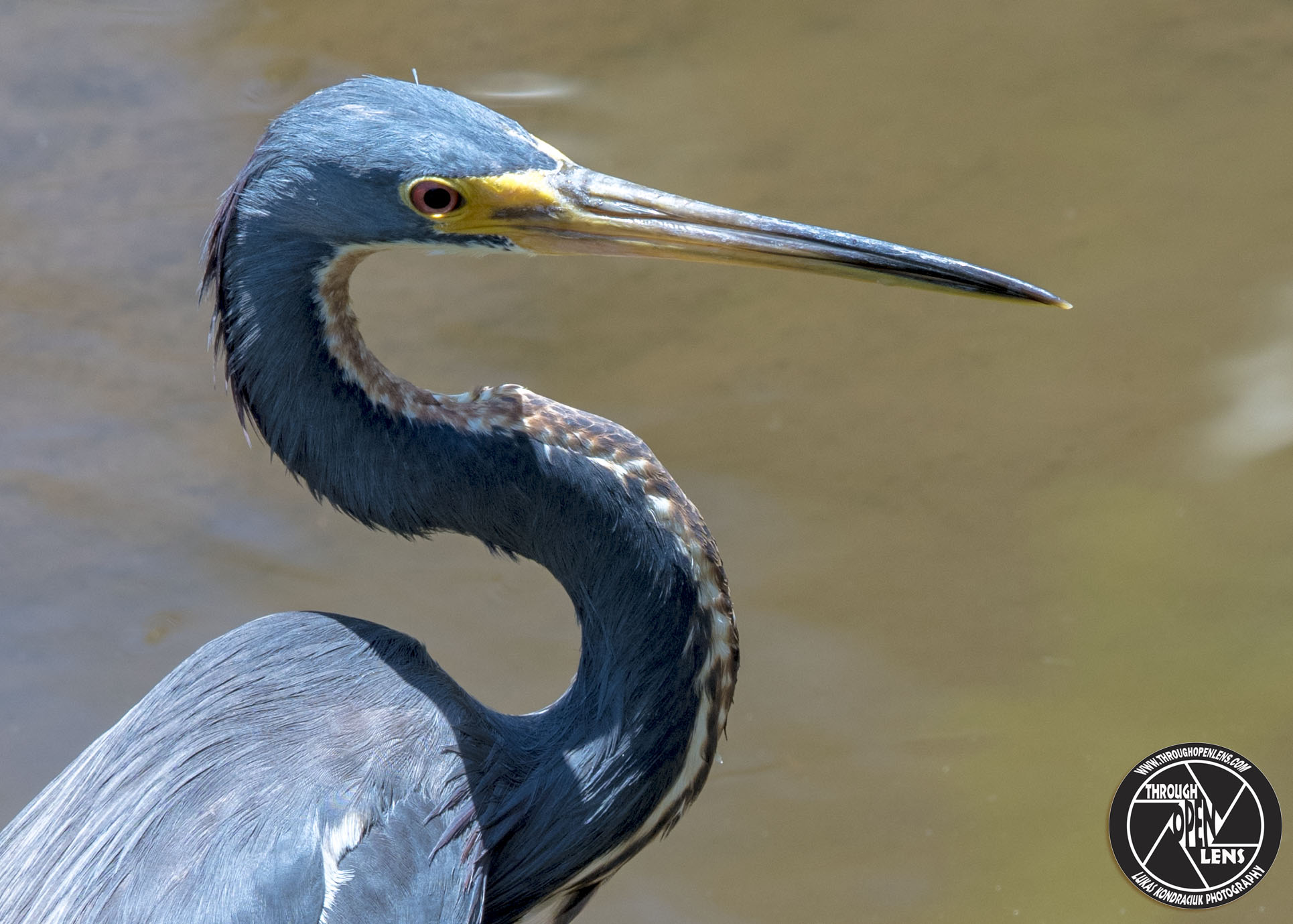
“S” Stands For Both SADNESS And SMILE. It’s Up To You How You Wanna See It.

F/8.0, 1/250, ISO 250.

Tricolored-Heron

Why did the worker get fired from the calendar factory?

He took a day off.

Interesting Facts: Although they are solitary foragers, they nest in colonies often with other herons and egrets. At the colony males are aggressive toward all individuals that come near the nest site, but gradually let a female enter during courtship. Aggressive posturing includes calling, stretching the neck straight up, fluffing up the crest feathers, holding the wings below and away from the body, fighting and jabbing in midair, and shaking twigs. Males court females near the nest site. Males bow down, grab a twig, and then stretch the head straight up while snapping the bill. ( https://www.allaboutbirds.org/guide/Tricolored_Heron/lifehistory )

Heeeey!

F/6.3, 1/125, ISO 500.

Blue Jay

What kind of shoes do ninjas wear?

Sneakers.

Interesting Fact:  They often mate for life, remaining with their social mate throughout the year. Only the female incubates; her mate provides all her food during incubation. For the first 8–12 days after the nestlings hatch, the female broods them and the male provides food for his mate and the nestlings. ( https://www.allaboutbirds.org/guide/Blue_Jay/lifehistory )

It’s The Little Things That Makes Life Big

F/5.0, 1/60, ISO 320.

White-Tailed Deer Fawn

How do you save a deer during hunting season?

You hang on for deer life.

Interesting Fact: White-tailed deer hide their fawns on the forest floor or in tall grass to keep them safe. ( http://www.nationalgeographic.com/animals/mammals/w/white-tailed-deer/ )

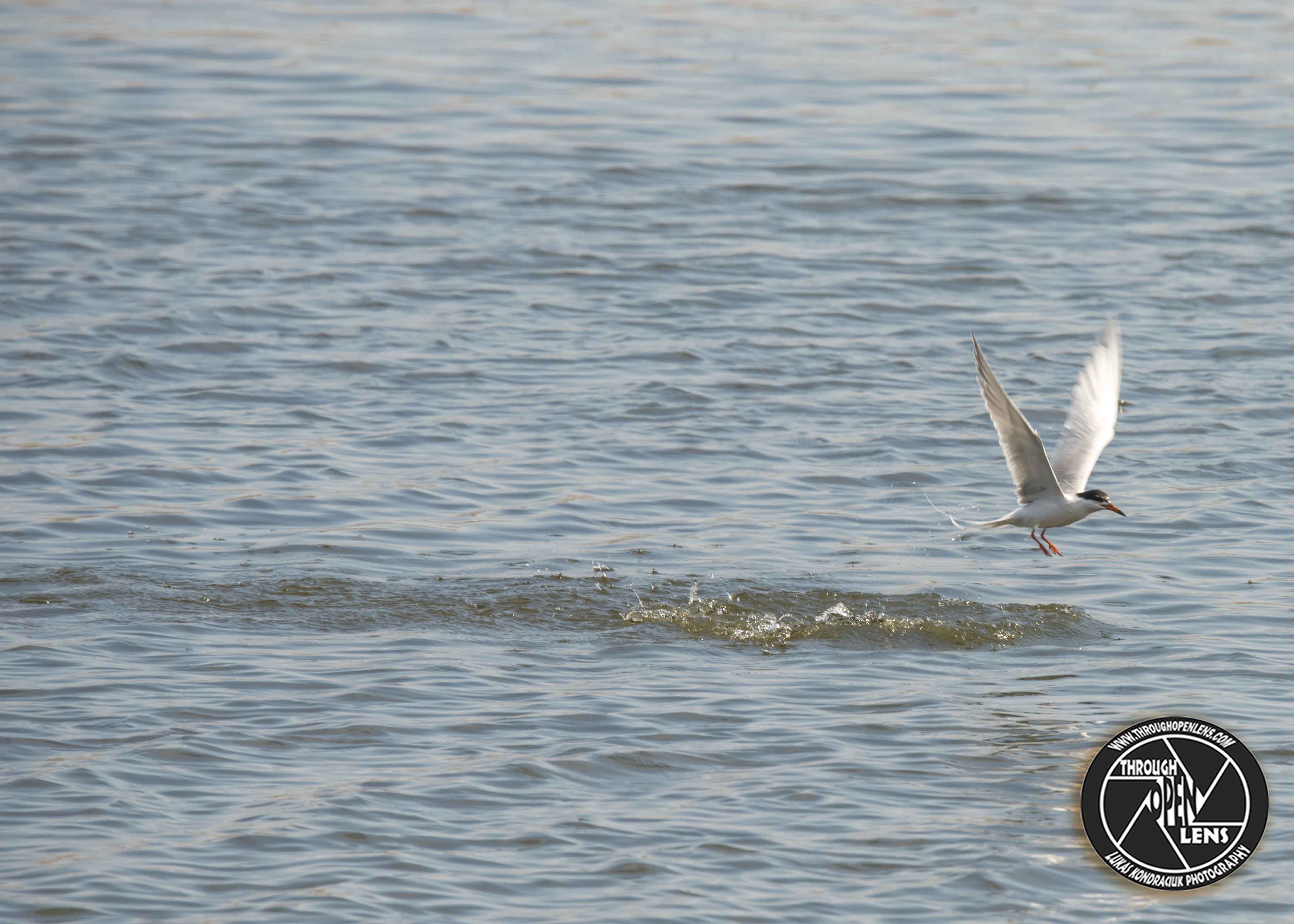
I Can Fly! What’s Your Superpower?

F/10.0, 1/400, ISO 160.

Common Tern

What do you call cheese that is not yours?

Nacho Cheese

Interesting Fact: Plunges into water from flight; may hover briefly before plunging. ( https://www.allaboutbirds.org/guide/Common_Tern/lifehistory )

Ask Us About Our Hole?

F/6.3, 1/125, ISO 320.

Eastern chipmunks

What do you call a rooster who wakes you up at the same time every morning?

An alarm cluck!

Interesting Fact: The eastern chipmunk defends its burrow and lives a solitary life, except during mating season. Females usually produce one or two litters of three to five young.[5] The two breeding seasons are from February to April and from June to August. During the winter, the chipmunk may enter long periods of torpor, but does not truly hibernate. ( https://en.wikipedia.org/wiki/Eastern_chipmunk )


Don’t Be Such A Turkey!

F/7.1, 1/200, ISO 500.

Wild Turkeys

Why did the toilet paper roll down the hill?

Because it wanted to get to the bottom.

Interesting Fact: Wild Turkeys nest on the ground in dead leaves at the bases of trees, under brush piles or thick shrubbery, or occasionally in open hayfields. ( https://www.allaboutbirds.org/guide/Wild_Turkey/lifehistory )


I Wanna Rock!

F/6.3, 1/100, ISO 500.

Chipping Sparrow

Why do fish live in salt water?

Because pepper makes them sneeze.

Interesting Fact: In summer, male Chipping Sparrows defend territories against other Chipping Sparrows, but often tolerate other species as long as they don’t go too near the nest. After the breeding season, Chipping Sparrows form flocks of several dozen, foraging together among grasses and at bird feeders. Their flight pattern is energetic, straight, and only slightly undulating. ( https://www.allaboutbirds.org/guide/Chipping_Sparrow/lifehistory )


Mouth Full!

F/7.1, 1/160, ISO 320.

American Robin

Why are vampires so easy to fool?

Because they are suckers.

Interesting Fact: An American Robin can produce three successful broods in one year. On average, though, only 40 percent of nests successfully produce young. Only 25 percent of those fledged young survive to November. From that point on, about half of the robins alive in any year will make it to the next. Despite the fact that a lucky robin can live to be 14 years old, the entire population turns over on average every six years. ( https://www.allaboutbirds.org/guide/American_Robin/lifehistory )

I May Look Calm, But In My Head I’ve Killed You 3 Times.

F/10.0, 1/400, ISO 200.

Osprey

What do lawyers wear to court?

Lawsuits!

Interesting Fact: The Osprey readily builds its nest on manmade structures, such as telephone poles, channel markers, duck blinds, and nest platforms designed especially for it. Such platforms have become an important tool in reestablishing Ospreys in areas where they had disappeared. In some areas nests are placed almost exclusively on artificial structures. ( https://www.allaboutbirds.org/guide/Osprey/lifehistory )