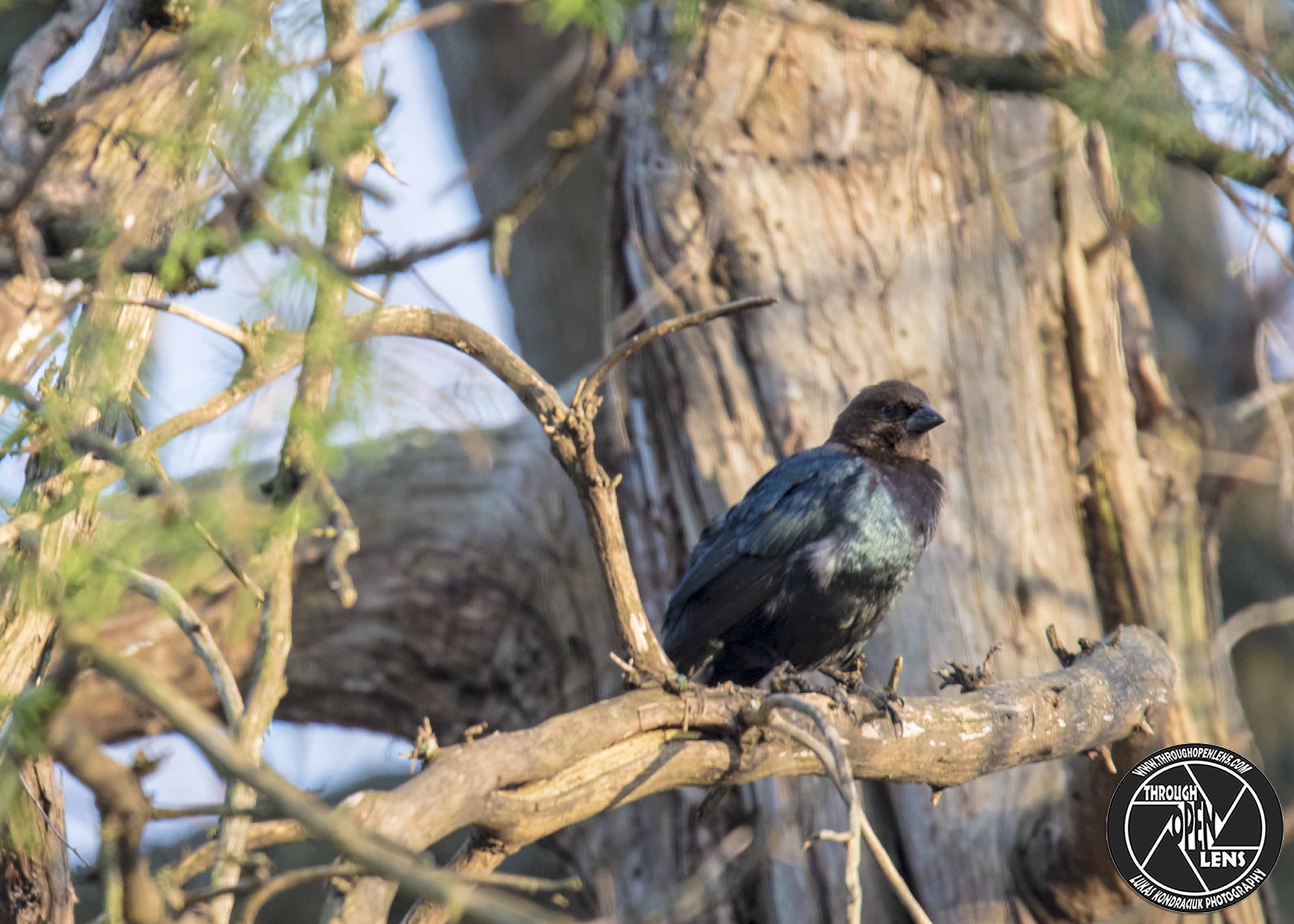
Don’t Questions My Parenting!

F/6.3, 1/80, ISO 500.

Brown-headed Cowbird

I’ve just opened a new restaurant called Karma.

There’s no menu, we just give you what you deserve.

Interesting Fact: The Brown-headed Cowbird is North America’s most common “brood parasite.” A female cowbird makes no nest of her own, but instead lays her eggs in the nests of other bird species, who then raise the young cowbirds. ( https://www.allaboutbirds.org/guide/Brown-headed_Cowbird )

It Time To Get My Beak Wet!

F/9.0, 1/250, ISO 640.

Common Loon ( Nonbreeding adult )

Where do snowmen keep their money?

In snow banks.

Interesting Fact: Loons are like airplanes in that they need a runway for takeoff. In the case of loons, they need from 30 yards up to a quarter-mile (depending on the wind) for flapping their wings and running across the top of the water in order to gain enough speed for lift-off. ( https://www.allaboutbirds.org/guide/Common_Loon )

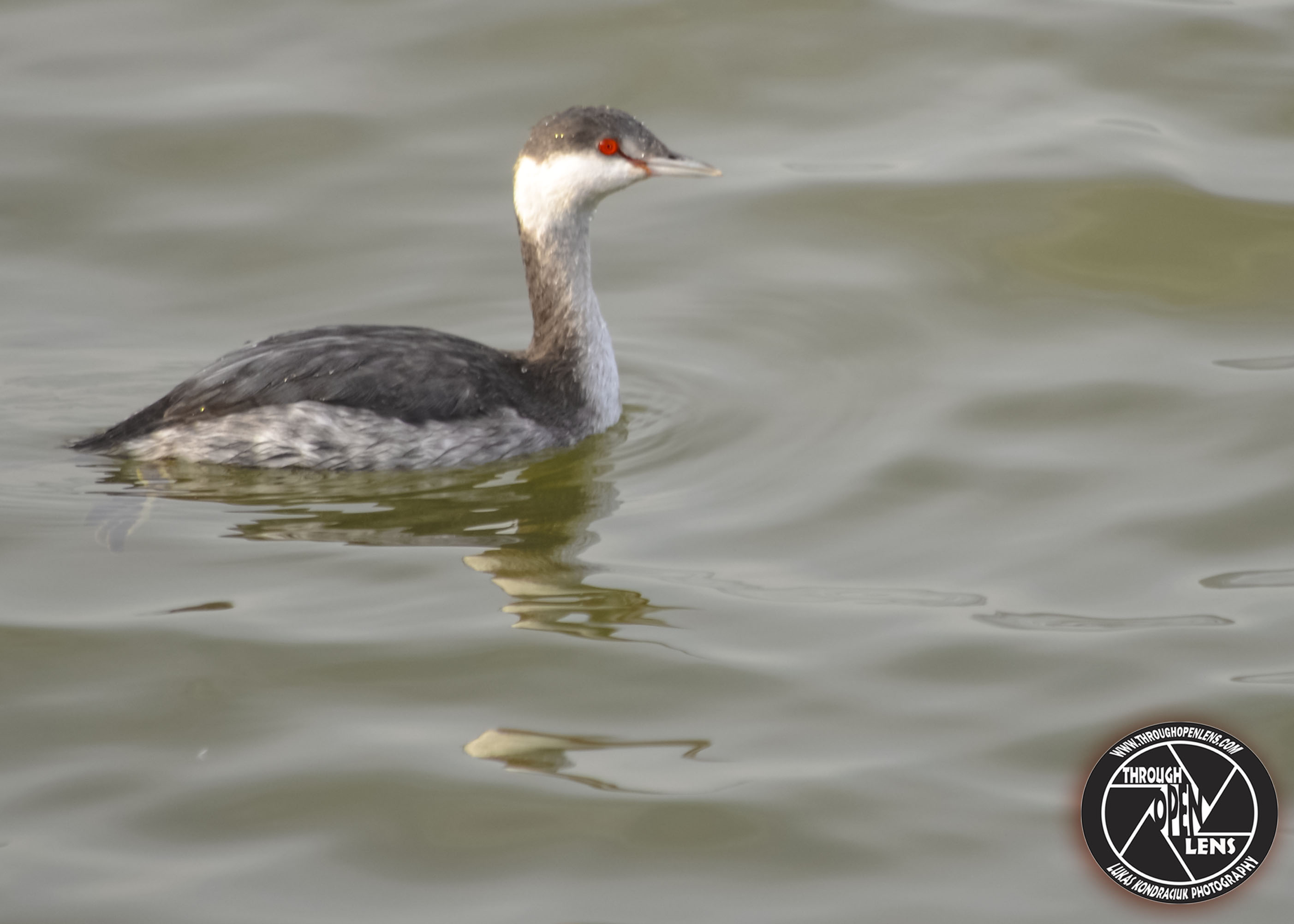
If I’m Going To Get Wet, I May As Well Swim.

horned-grebe

F/5.6, 1/200, ISO 500.

Horned Grebe

Why won’t they allow elephants in public swimming pools?

Because they might let down their trunks.

Interesting Fact: The Horned Grebe regularly eats some of its own feathers, enough that its stomach usually contains a matted plug of them. This plug may function as a filter or may hold fish bones in the stomach until they can be digested. The parents even feed feathers to their chicks to get the plug started early. ( https://www.allaboutbirds.org/guide/Horned_Grebe/lifehistory )

Got An Itch That I Can’t Reach!

F/10.0, 1/400, ISO 320.

Mallard

What do you call a duck that steals?

A robber ducky.

Interesting Fact: Mallards nest on the ground on dry land that is close to water; nests are generally concealed under overhanging grass or other vegetation. Occasionally, Mallards nest in agricultural fields, especially alfalfa but also winter wheat, barley, flax, and oats. Both urban and wild populations readily nest in artificial nesting structures. Pairs search for nest sites together, typically on evening flights circling low over the habitat. Occasionally nests are placed on floating mats of vegetation or woven into plant stems that rise out of the water. ( https://www.allaboutbirds.org/guide/Mallard/lifehistory )

Don’t Look Back With Regret, Look Foward With Hope.

F/10.0, 1/400, ISO 160.

Black-capped Chickadee

What do you call a gorilla wearing ear-muffs?

Anything you like! He can’t hear you!

Interesting Fact: There is a dominance hierarchy within flocks. Some birds are “winter floaters” that don’t belong to a single flock—these individuals may have a different rank within each flock they spend time in. ( https://www.allaboutbirds.org/guide/Black-capped_Chickadee/lifehistory

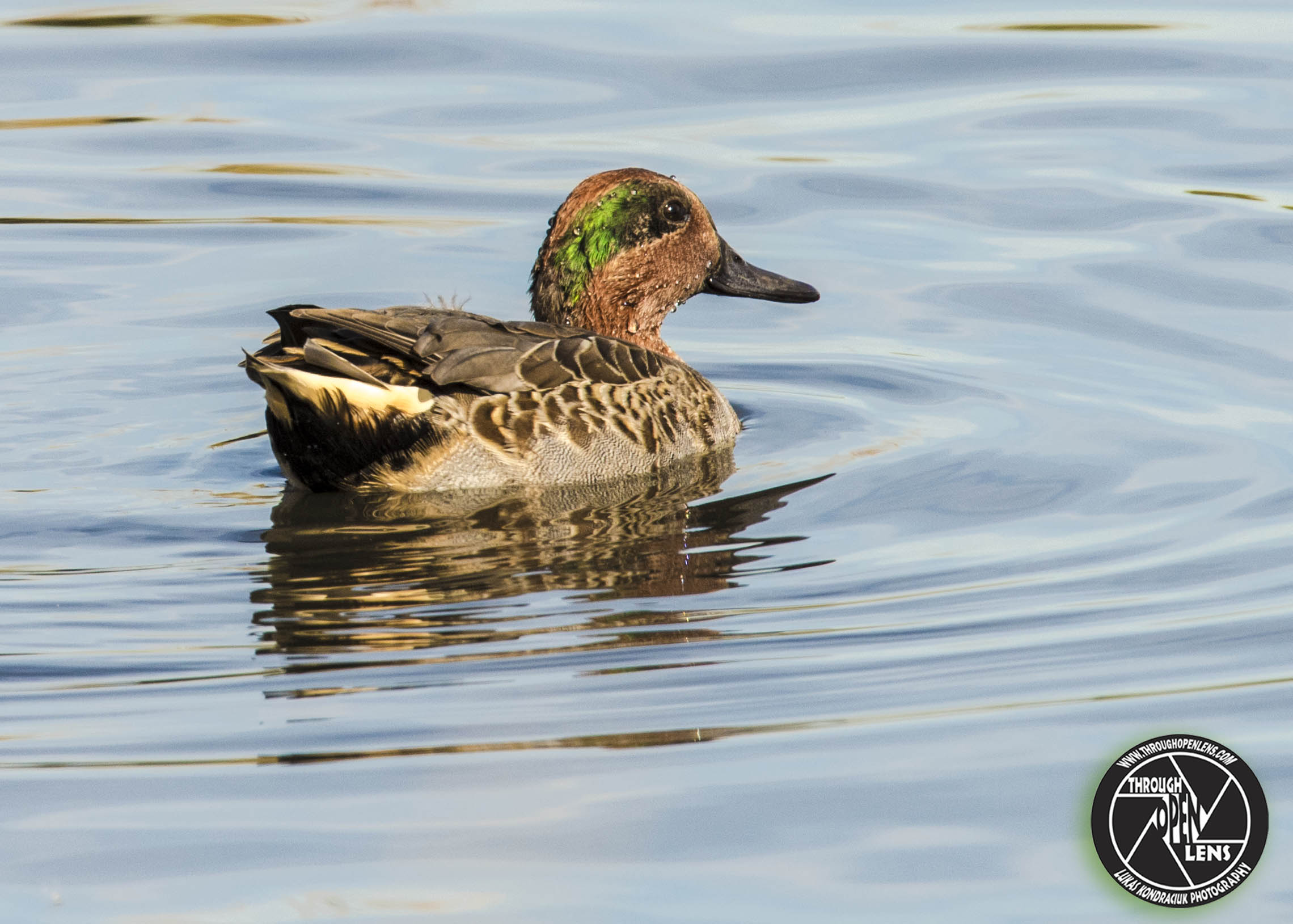
Swim, Duck, Swim!

F/11.0, 1/500, ISO 320.

Green-Winged Teal

Why aren’t there any famous skeletons?

They’re a bunch of no bodies.

Interesting Fact:  The oldest known Green-winged Teal was at least 20 years and 3 months, based on banding data. It was a female banded in 1941 in Oklahoma, and recovered by a hunter 1960 in Missouri. ( https://www.allaboutbirds.org/guide/Green-winged_Teal/lifehistory )

I Got A Headache!

F/8.0, 1/250, ISO  320.

Downy Woodpecker

What’s the problem with twin witches?

You never know which witch is which.

Interesting Fact: Downy Woodpeckers nest in dead trees or in dead parts of live trees. They typically choose a small stub (averaging around 7 inches in diameter) that leans away from the vertical, and place the entrance hole on the underside. Nest trees are often deciduous and the wood is often infected with a fungus that softens the wood, making excavating easier. ( https://www.allaboutbirds.org/guide/Downy_Woodpecker/lifehistory )


Music Helps Me Escape From The Reality I Live In

F/6.3, 1/320, ISO 400.

Song Sparrow

What did the Mummy movie director say when the final scene was done?

Ok, that’s a wrap.

Interesting Fact:  Some scientists think that Song Sparrows of wet, coastal areas have darker plumage as a defense against feather mites and other decay agents that thrive in humid climates. The darker plumage contains more of a pigment called melanin, which makes feathers tougher and harder to degrade than lighter, unpigmented feathers. ( https://www.allaboutbirds.org/guide/Song_Sparrow/lifehistory )

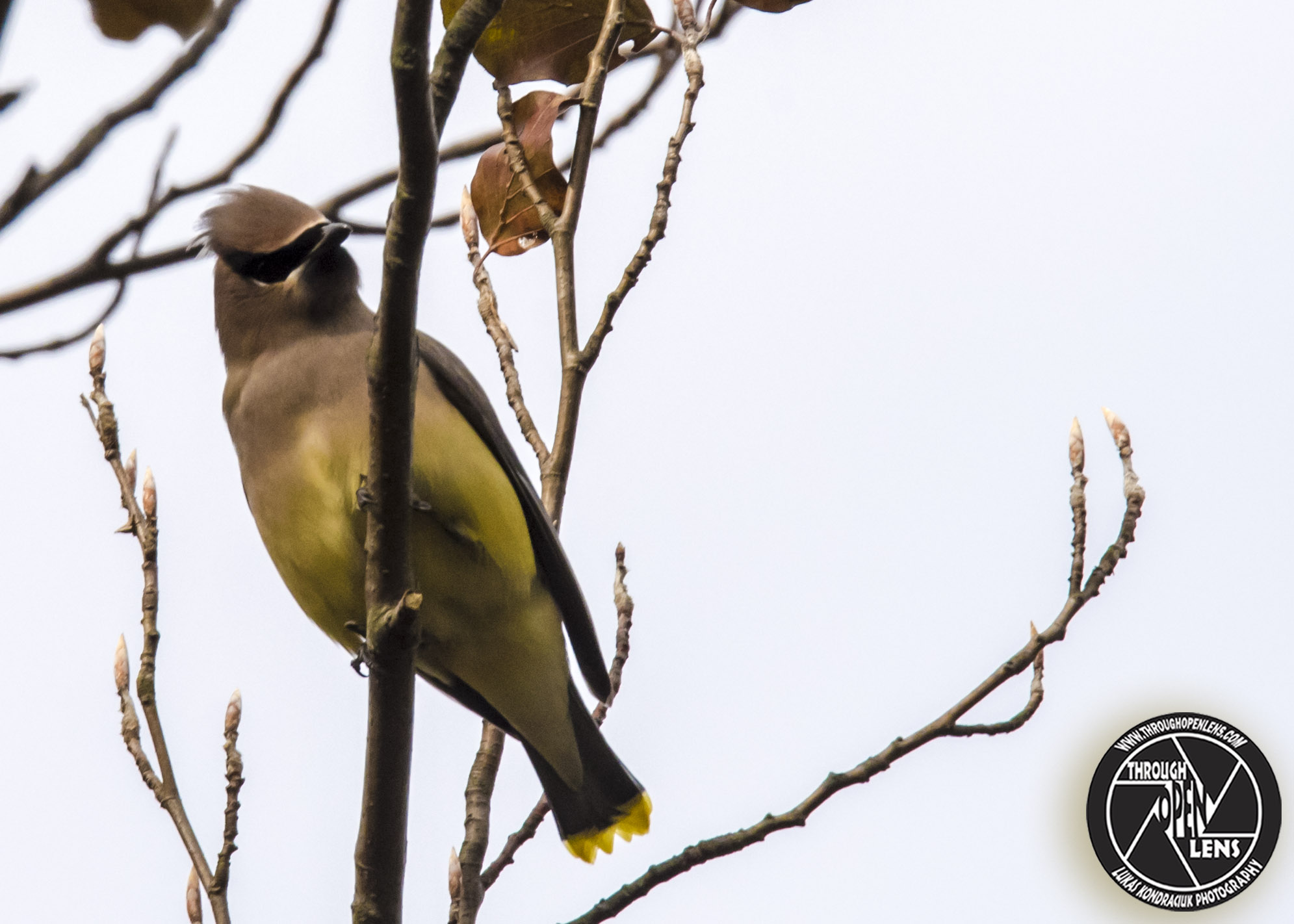
Do I Look Like Cyclops From X-MEN!

F/13.0, 1/640, ISO 400.

Cedar Waxwing

Why was Tigger looking inside the toilet

He was looking for Pooh!

Interesting Fact:  Many birds that eat a lot of fruit separate out the seeds and regurgitate them, but the Cedar Waxwing lets them pass right through. Scientists have used this trait to estimate how fast waxwings can digest fruits. ( https://www.allaboutbirds.org/guide/Cedar_Waxwing/lifehistory )

I Wonder If Earth Makes Fun Of Other Planets For Having No Life.

F/8.0, 1/250, ISO 320.

American Coot

Why was the broom late?

It over swept!

Interesting Fact: The ecological impact of common animals, like this ubiquitous waterbird, can be impressive when you add it all up. One estimate from Back Bay, Virginia, suggested that the local coot population ate 216 tons (in dry weight) of vegetation per winter. ( https://www.allaboutbirds.org/guide/American_Coot )