To Be Honest I’m Just Winging It!

F/6.3, 1/2000, ISO 320.

Red-tailed Hawk

What does a teddy bear say when you offer it a sandwich?

“No thanks, I’m stuffed”

Interesting Fact: Red-tailed Hawks mated pairs typically stay together until one of the pair dies. ( https://www.allaboutbirds.org/guide/Red-tailed_Hawk/lifehistory )

Everyone Is Annoyed With My Singing

F/8.0, 1/250, ISO 250.

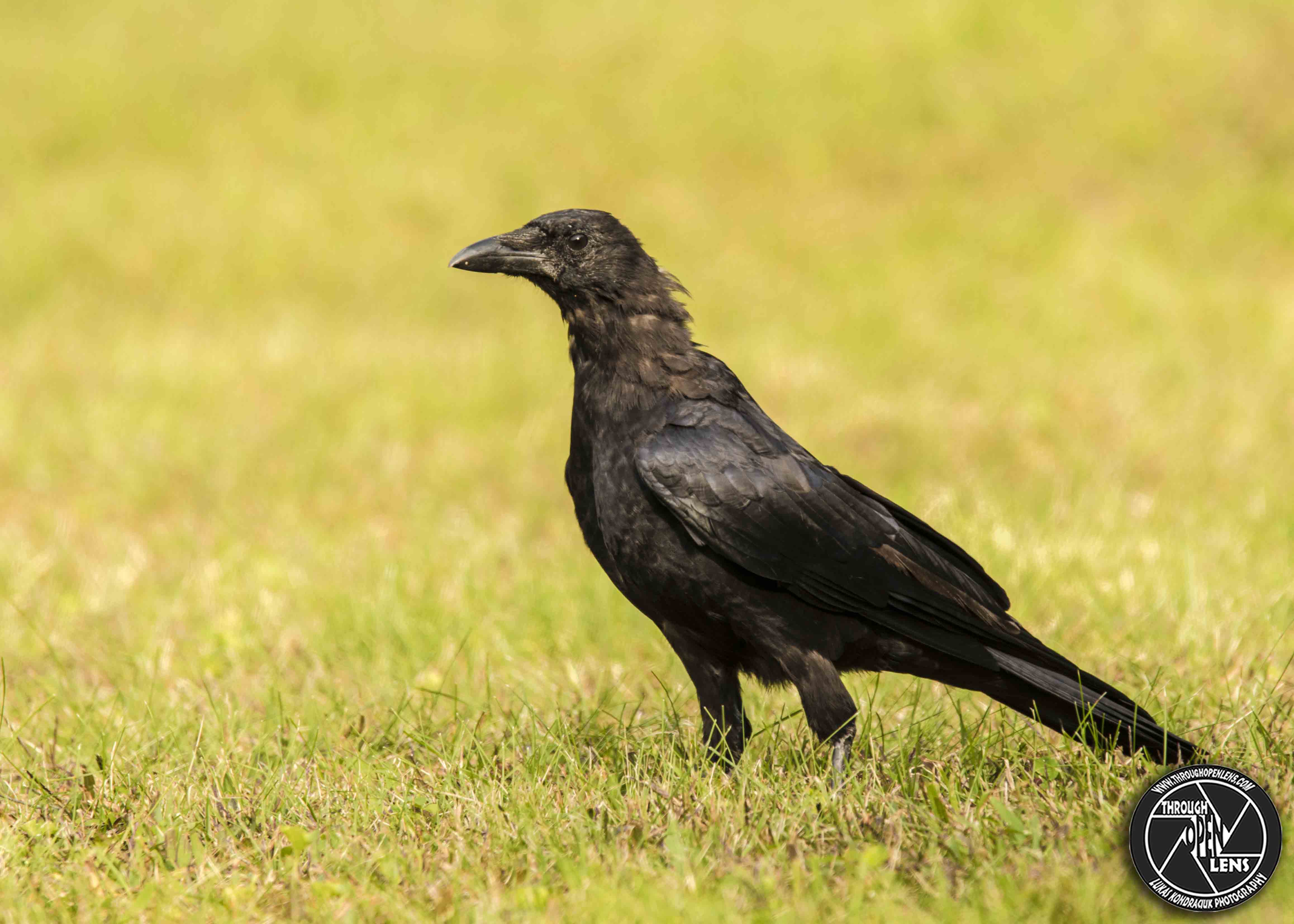
American Crow

What did the crow use to break into a car?

A Crowbar.

Interesting Fact: American Crows congregate in large numbers in winter to sleep in communal roosts. These roosts can be of a few hundred up to two million crows. Some roosts have been forming in the same general area for well over 100 years. In the last few decades some of these roosts have moved into urban areas where the noise and mess cause conflicts with people. ( https://www.allaboutbirds.org/guide/American_Crow/lifehistory )

Oh I’m Sorry. Did I Just Roll My Eyes Out loud?!

F/10.0, 1/250, ISO 125.

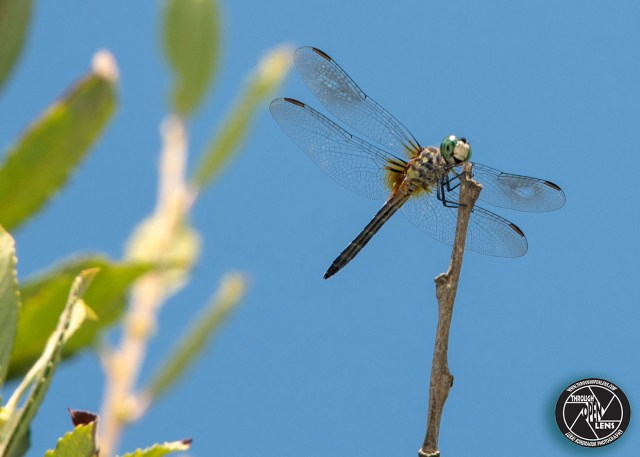
Dragonfly

What does a baby computer call its dad?

Data

Interesting Fact: Dragonflies are powerful and agile fliers, capable of migrating across oceans, moving in any direction, and changing direction suddenly. In flight, the adult dragonfly can propel itself in six directions: upward, downward, forward, back, to left and to right.[47] They have four different styles of flight:[48] A number of flying modes are used that include counter-stroking, with forewings beating 180° out of phase with the hindwings, is used for hovering and slow flight. This style is efficient and generates a large amount of lift; phased-stroking, with the hindwings beating 90° ahead of the forewings, is used for fast flight. This style creates more thrust, but less lift than counter-stroking; synchronised-stroking, with forewings and hindwings beating together, is used when changing direction rapidly, as it maximises thrust; and gliding, with the wings held out, is used in three situations: free gliding, for a few seconds in between bursts of powered flight; gliding in the updraft at the crest of a hill, effectively hovering by falling at the same speed as the updraft; and in certain dragonflies such as darters, when “in cop” with a male, the female sometimes simply glides while the male pulls the pair along by beating his wings. ( https://en.wikipedia.org/wiki/Dragonfly#Flight )

I’ve Always Loved The Idea Of Not Being What People Expect Me To Be

F/ 6.3, 1/160, ISO 200.

Willow Flycatcher

A termite walks into a bar and asks

“Is the bar tender here?”

Interesting Fact: Flycatchers don’t learn their songs from their parents like many other birds. Instead flycatchers hatch knowing their songs. Scientists tested this by raising Willow Flycatchers in captivity while letting them listen to an Alder Flycatcher sing its free beer song. Despite hearing this song all day, Willow chicks grew up to sing their species’ own fitz-bew. ( https://www.allaboutbirds.org/guide/Willow_Flycatcher/lifehistory )

Time To Start Dabbling!

F/10.0, 1/400, ISO 400.

Northern Shoveler 

What do you call a dinosaur that sits on nails?

Megasaurus (mega sore ass).

Interesting Fact: Northern Shoveler pairs are monogamous, and remain together longer than pairs of other dabbling duck species. ( https://www.allaboutbirds.org/guide/Northern_Shoveler/lifehistory )


Be Yourself Everyone Is Already Taken!

F/7.1, 1/200, ISO 320.

Killdeer

Why do golfers wear two pairs of pants?

In case they get a hole in one!

Interesting Fact: Killdeer lay their eggs into an empty nest but add other materials later on. Some of these items they pick up as they are leaving and toss over their shoulder into the nest. In one nest in Oklahoma, people found more than 1,500 pebbles had accumulated this way. ( https://www.allaboutbirds.org/guide/Killdeer/lifehistory )


Everyone Tells Me To Keep My Head Up But Food Is Down Here

F/6.3, 1/640, ISO 200.

Willet

Did your hear about the man with a broken left arm and broken left leg?

Don’t worry he’s “ALRIGHT” now!

Interesting Fact: Willets breeding in the interior of the West differ from the Atlantic Coastal form in ecology, shape, and subtly in calls. Western Willets breed in freshwater habitats, and are slightly larger and paler gray. Eastern Willets have stouter bills and more barring on their chest and back. The difference in pitch between the calls of the two subspecies is very difficult for a person to detect, but the birds can hear the difference and respond more strongly to recorded calls of their own type.  ( https://www.allaboutbirds.org/guide/Willet/lifehistory )

When I Dip You Dip We Dip!

F/11.0, 1/500, ISO 800.

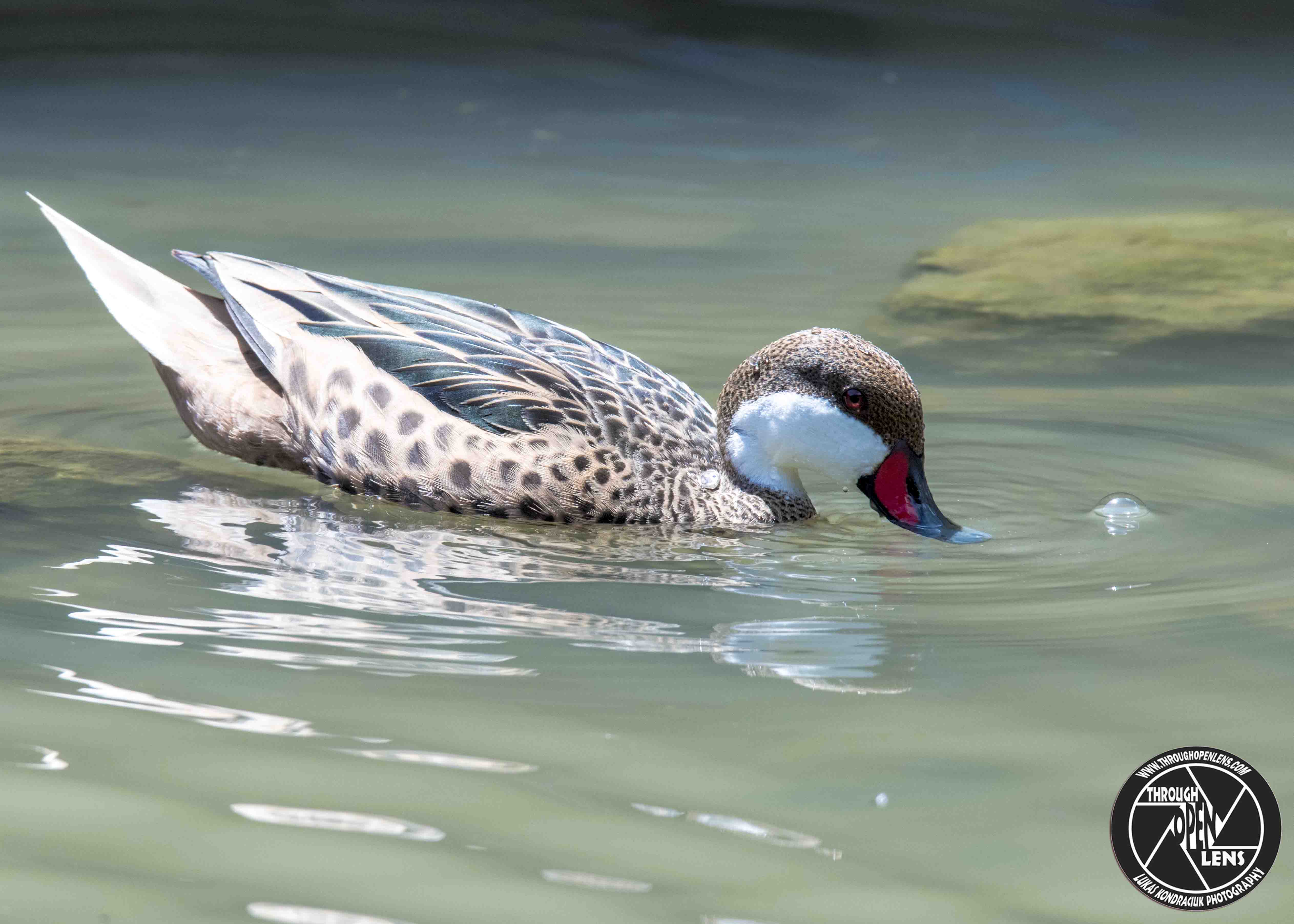
White-Cheeked Pintail 

Why did the coffee taste like mud?

It was fresh ground

Interesting Fact: White-cheeked Pintail: This species is a native of the Caribbean Islands, South America, and the Galapagos Islands. Within the United States, it is a rare to casual visitor in southern Florida. This bird is found near rivers, lakes, and ponds, as well as along costal marshes and rocky or sandy seashores. The White-cheeked Pintail was first described in 1758 by Carolus Linnaeus, Swedish botanist, physician and zoologist. ( http://identify.whatbird.com/obj/1029/overview/White-cheeked_Pintail.aspx )

Make Like A Tree And Leave!

F/8.0, 1/250, ISO 320.

Great Blue Heron 

Why haven’t aliens visited our solar system?

They checked the reviews and we only have one star.

Interesting Fact: Nest building can take from 3 days up to 2 weeks; the finished nest can range from a simple platform measuring 20 inches across to more elaborate structures used over multiple years, reaching 4 feet across and nearly 3.5 feet deep. Ground-nesting herons use vegetation such as salt grass to form the nest. ( https://www.allaboutbirds.org/guide/Great_Blue_Heron/lifehistory )

We Are Not Talking If You Are Wondering!

F/6.3, 1/640, ISO 200.

Greater Yellowlegs

What’s invisible and smells like carrots?

Bunny Farts!

Interesting Fact: The Greater Yellowlegs walks with a distinctive high-stepping gait across wetlands when foraging, occasionally dashing forward in pursuit of a prey item. Compared to other shorebirds, the Greater Yellowlegs is often rather solitary.  ( https://www.allaboutbirds.org/guide/Greater_Yellowlegs/lifehistory )