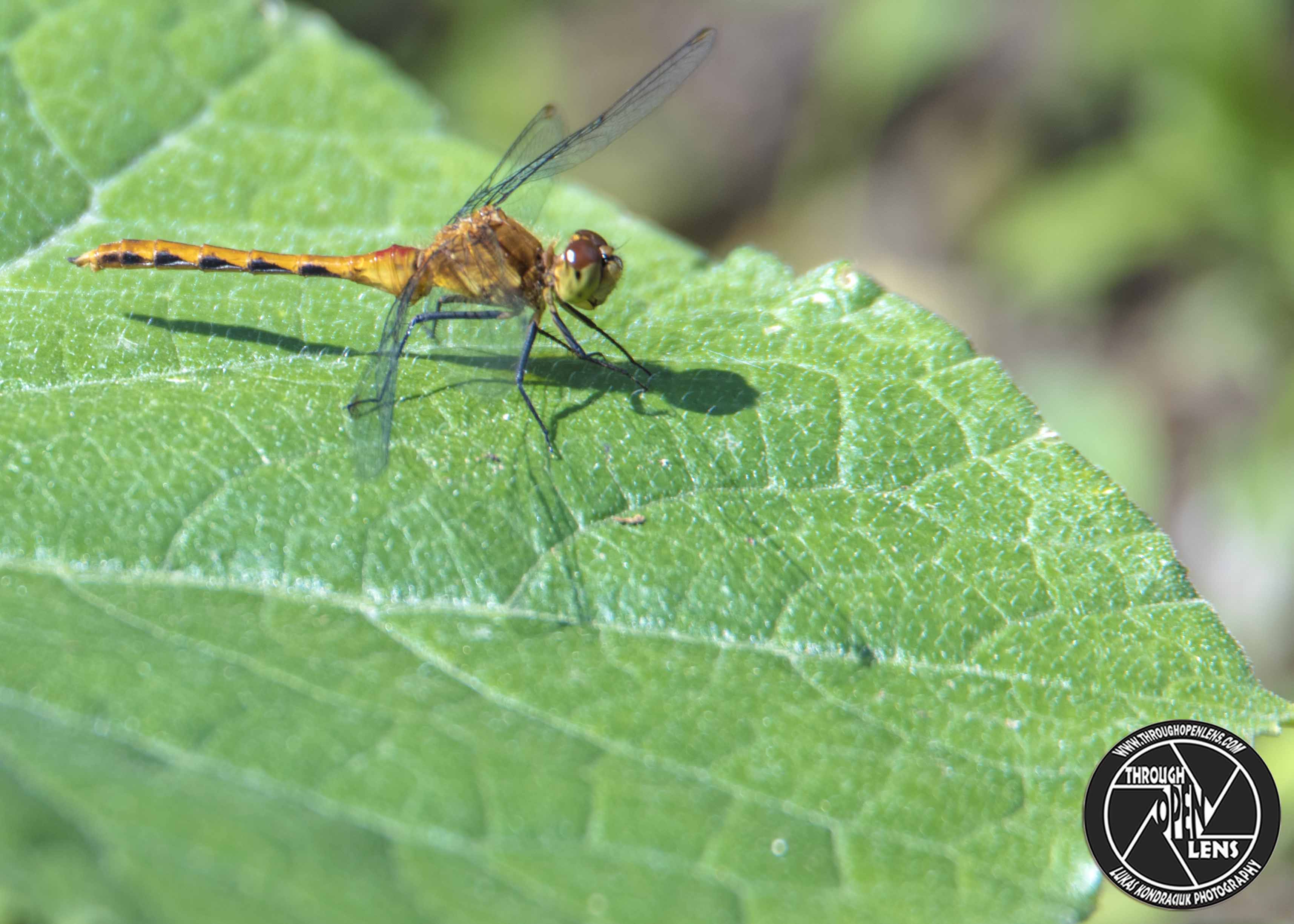
Let Me Give You The Skinney

F/7.1, 1/200, ISO 200.

Dragonfly

What do you get when you cross a parrot with a shark?

An animal that talks your head off.

Interesting Fact: Old and unreliable claims are made that dragonflies such as the southern giant darner can fly up to 60 miles per hour (97 km/h).[50] However, the greatest reliable flight speed records are for other types of insects.[51] In general, large dragonflies like the hawkers have a maximum speed of 10–15 metres per second (22–34 mph) with average cruising speed of about 4.5 metres per second (10 mph).[52] Dragonflies can fly at 100 body-lengths per second, and three lengths per second backwards. ( https://en.wikipedia.org/wiki/Dragonfly#Flight )

I Am People Watching.

F/9.0, 1/320, ISO 160.

Palmchat

What’s a zombies favorite desert?

I-Scream!

Interesting Fact: Palmchats are very sociable birds, often seen in small flocks containing several pairs which will roost closely together with their bodies in contact. ( https://en.wikipedia.org/wiki/Palmchat )

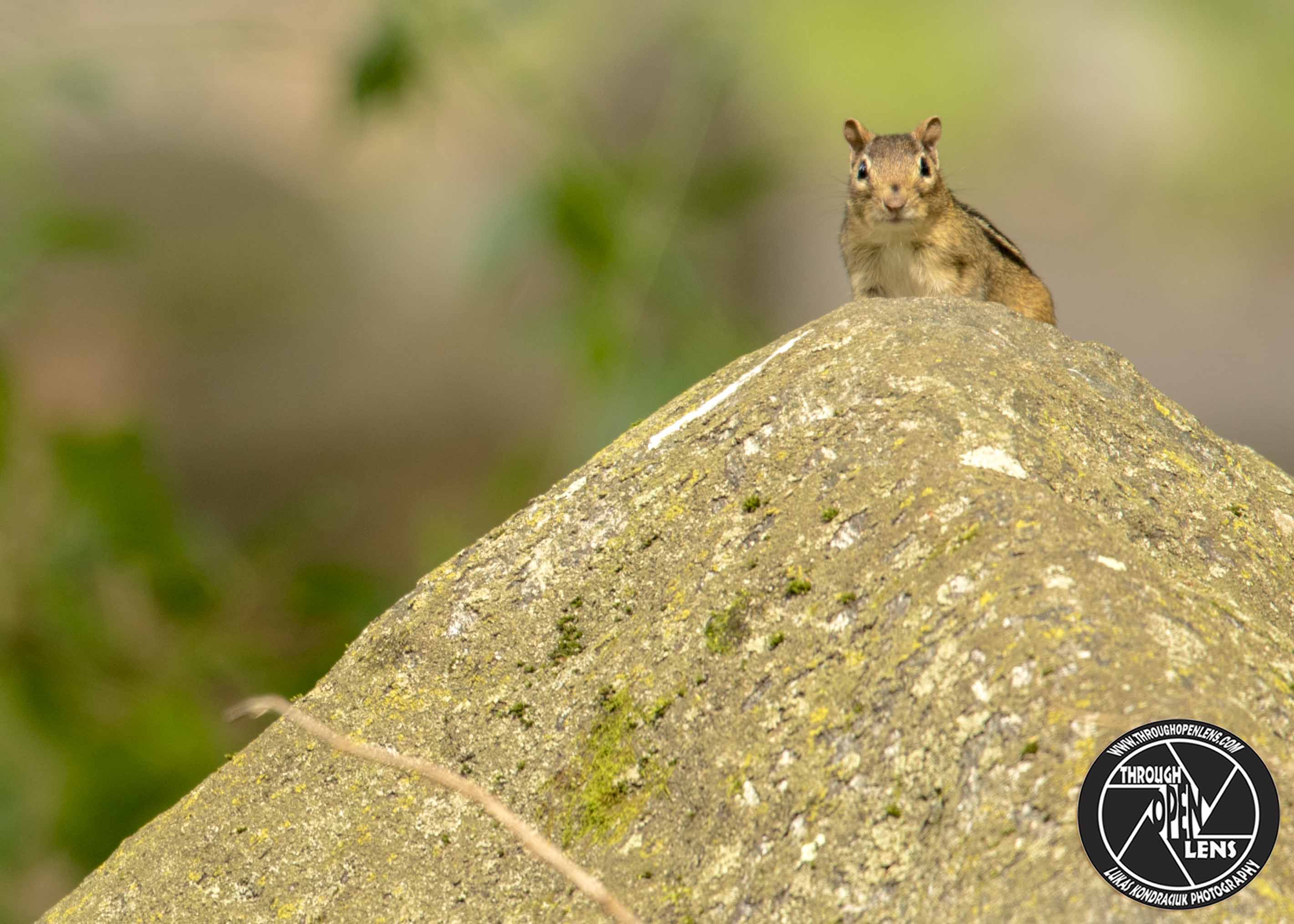
Im On Top Of The World!

F/6.3, 1/100, ISO 250.

Chipmunk

Why was the chipmunk late for work?

Traffic was NUTS.

Interesting Fact: Their shrill, repeated, birdlike chirp is usually made upon sensing a threat but is also thought to be used as a mating call by females. Chipmunks are solitary creatures and normally ignore one another except during the spring, when mating takes place. After a 30-day gestation, a litter of two to eight is born. The young stay with their parents for two months before they begin to gather their own provisions for the winter ahead. ( https://www.nationalgeographic.com/animals/mammals/group/chipmunks/ )

If You Can’t Tone It Tan It

F/11.0, 1/500, ISO 250.

Hispaniolan slider

Why did the turtle cross the road?

To get to the shell station!

Interesting Fact:  The Hispaniolan slider is a freshwater turtle. They can live on land and water, but prefer to be near freshwater.[3] These sliders are not on the endangered list, but are considered vulnerable. ( https://en.wikipedia.org/wiki/Hispaniolan_slider )

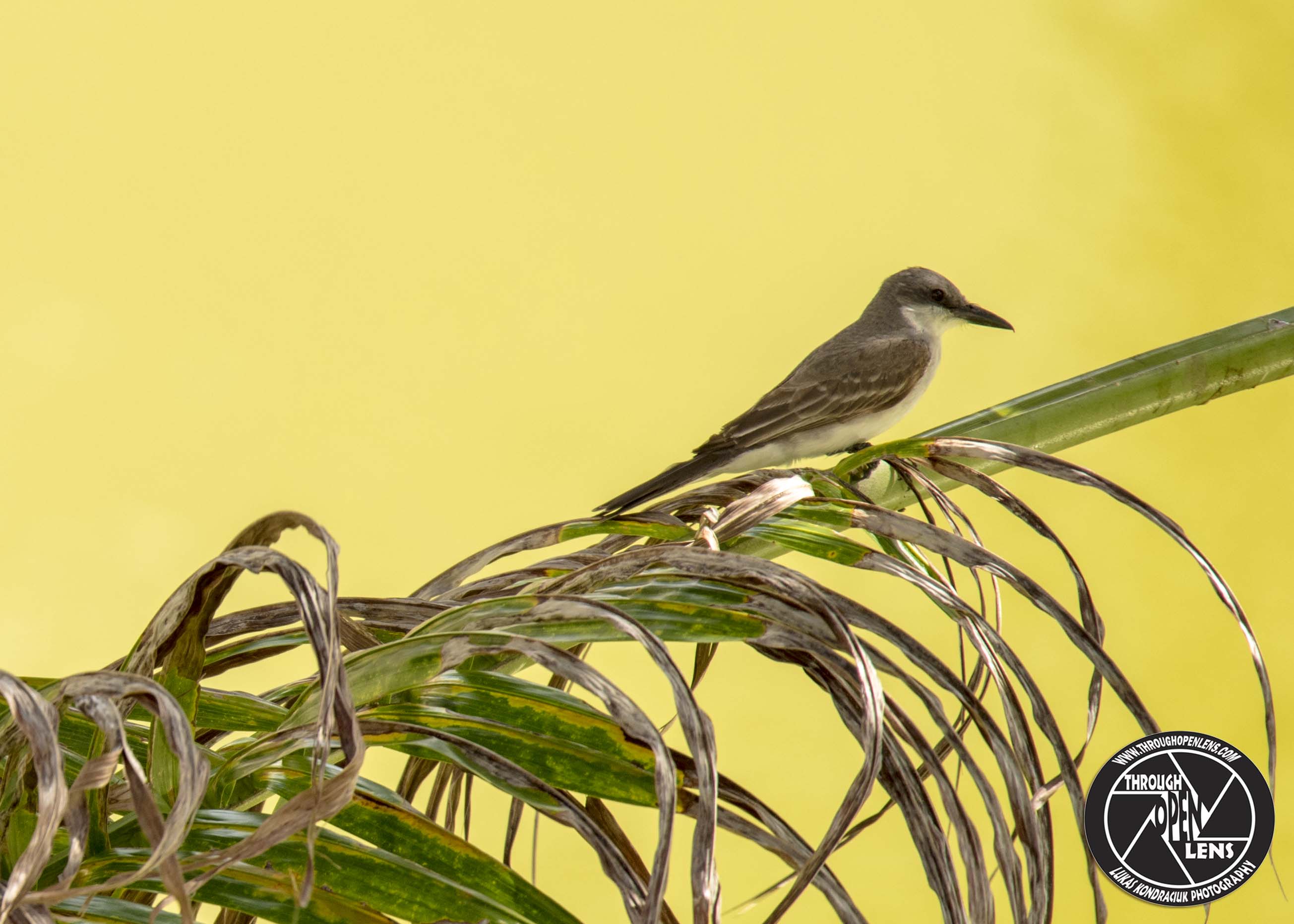
If Being Awesome Was A Crime, I’d Be Serving A Life Sentence!

F/8.0, 1/250, ISO 250.

Gray Kingbird

Where do most zombies live?

On DEAD end streets!

Interesting Fact: Like other kingbirds, these birds aggressively defend their territory against intruders, including mammals and much larger birds such as caracaras, red-tailed hawks and broad-winged hawks. ( https://en.wikipedia.org/wiki/Gray_kingbird )

Psst… You Can’t See Me

atlantic-ghost-crabs

F/8.0, 1/500, ISO 100.

Atlantic Ghost Crab (Sand Crab)

Did you hear about the crab that went to the seafood disco?

He pulled a muscle

Interesting Fact: The strong hairy legs of this animal make it run very fast and achieve speeds of about 10 miles per hour. This makes this crab the fastest among all crustaceans. ( http://www.animalspot.net/ghost-crab-sand-crab.html )

I Will, I Will, Quack You!

F/6.3, 1/640, ISO 200.

Canvasback ( Female ) 

Guy in a restaurant calls a waiter over

Guy: “Waiter, I am outraged. There is one hair in my soup.”

Waiter: “And what do you expect for this price? A whole wig?!”

Interesting Fact: The breeding habitat of the canvasback is in North Americaprairie potholes. The bulky nest is built from vegetation in a marsh and lined with down. Loss of nesting habitat has caused populations to decline. The canvasback usually takes a new mate each year, pairing in late winter on ocean bays.[5] It prefers to nest over water on permanent prairie marshes surrounded by emergent vegetation, such as cattails and bulrushes, which provide protective cover. Other important breeding areas are the subarctic river deltas in Saskatchewan and the interior of Alaska. ( https://en.wikipedia.org/wiki/Canvasback )

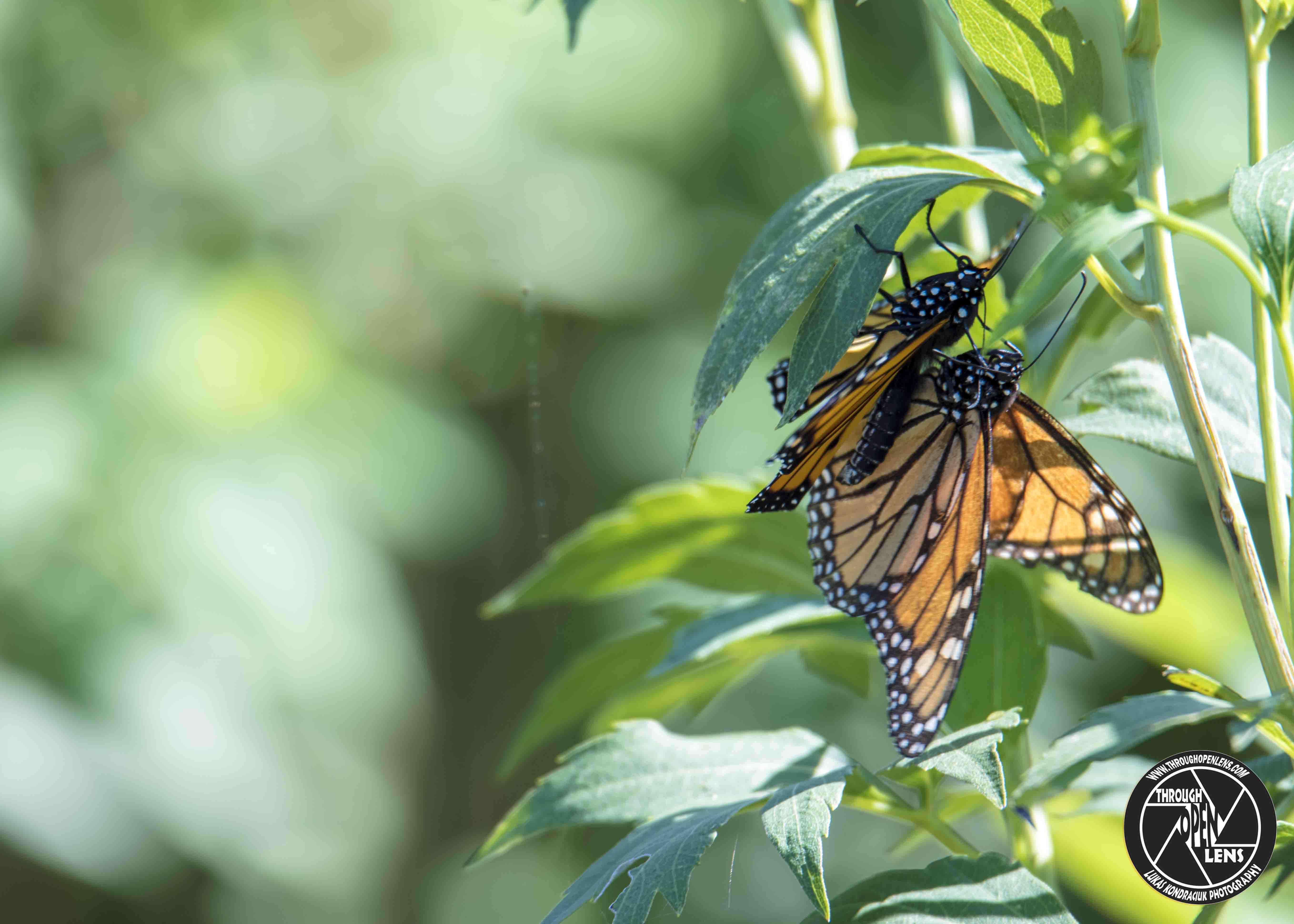
Social Butterfly!

F/6.3, 1/160, ISO 160.

Butterfly

What do you call a belt with a watch on it?

A waist of time.

Interesting Fact:  Butterflies in their adult stage can live from a week to nearly a year depending on the species. Many species have long larval life stages while others can remain dormant in their pupal or egg stages and thereby survive winters.[30] The Melissa Arctic (Oeneis melissa) overwinters twice as a caterpillar.[31] Butterflies may have one or more broods per year. The number of generations per year varies from temperate to tropical regions with tropical regions showing a trend towards multivoltinism. ( https://en.wikipedia.org/wiki/Butterfly#Biology )

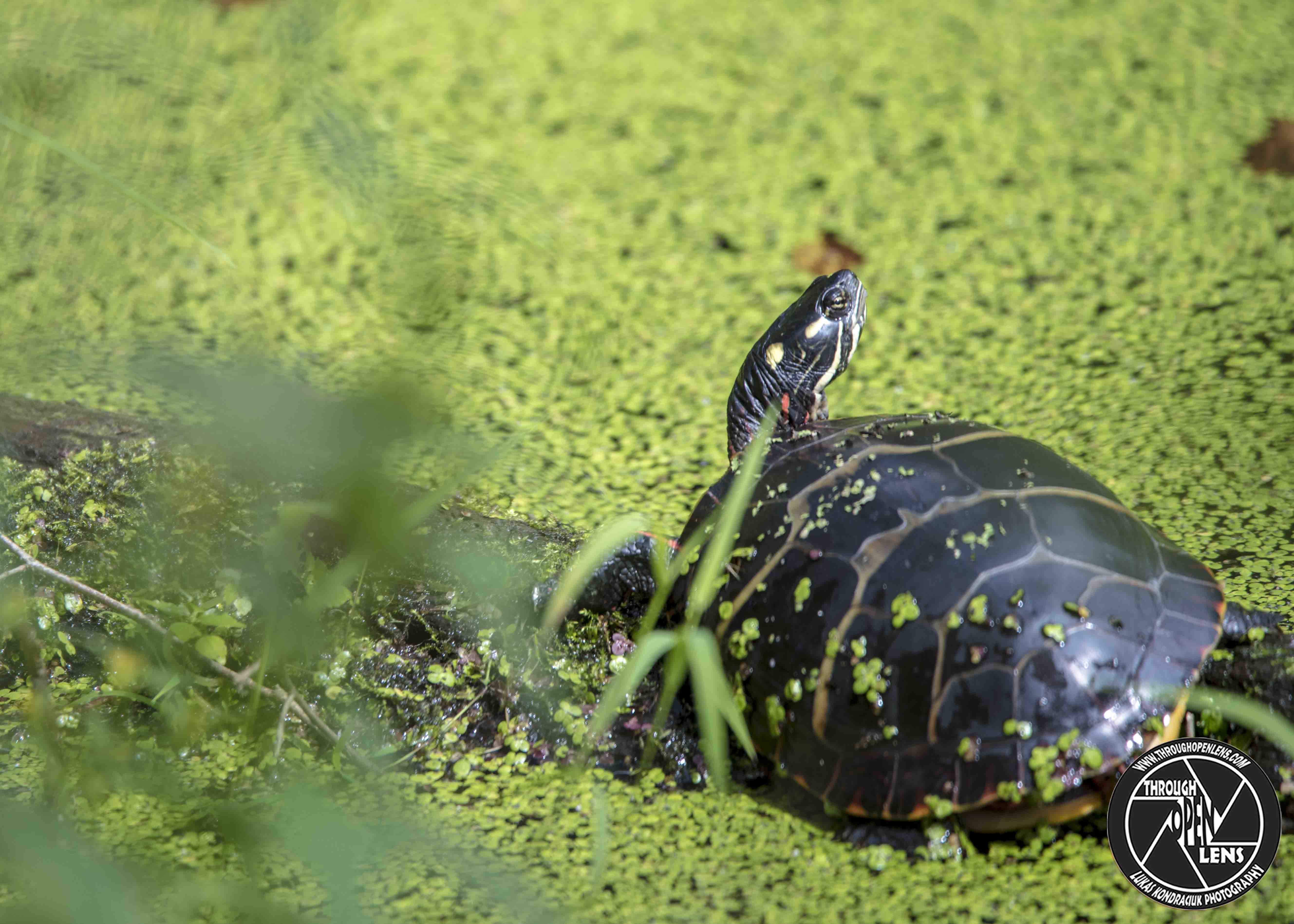
Turtle Power!

F/6.3, 1/125, ISO 200.

Red-Eared Slider Turtle 

What did one elevator say to the other?

I think I’m coming down with something!

Interesting Fact: Red-eared sliders are almost entirely aquatic, but as they are cold-blooded, they leave the water to sunbathe to regulate their temperature.  ( https://en.wikipedia.org/wiki/Red-eared_slider )

Keep Calm And Hop On!

F/8.0, 1/250, ISO 250.

Desert Cottontail Rabbit

What do rabbits say before they eat?

Lettuce pray.

Interesting Fact: Due to the variable temperature of living conditions, desert cottontails must be adequate thermoregulators to minimize water loss during the hotter seasons and require shaded areas of their environment to conduct evaporative water loss through thermal heat transfer. In open-desert areas, they can withstand for a short period with extremely high temperatures of around 45 °C and have a large evaporative water loss capacity of around 1.5% body mass/hour, though cottontails can withstand longer in an ideal environment with shaded areas. To cope with evaporative heat loss, they do panting and undergo changes in production of their basal metabolic rate in relation to the ambient temperature of the environment. Ears of desert cottontails make up 14% of their body size and may help with thermoregulation. ( https://en.wikipedia.org/wiki/Desert_cottontail )