Little Duckies Need Some Snackies

F/5.6, 1/160, ISO 100.

Mallard Female with Ducklings

Who earns a living driving their customers away?

A taxi driver.

Interesting Fact:  The female forms a shallow depression or bowl on the ground in moist earth. She does not carry material to the nest but rather pulls vegetation she can reach toward her while sitting on nest. During egg-laying phase, she lines the nest with grasses, leaves, and twigs from nearby. She also pulls tall vegetation over to conceal herself and her nest. After incubation begins, she plucks down feathers from her breast to line the nest and cover her eggs. The finished nest is about a foot across, with a bowl for the eggs that is 1–6 inches deep and 6–9 inches across. ( https://www.allaboutbirds.org/guide/Mallard/lifehistory )


Dubble Trubble!

F/7.1, 1/200, ISO 320.

Hispaniolan Woodpecker

Why was the computer tired when he got home? 

Because he had a hard drive.

Interesting Fact: This bird is endemic to Haiti and the Dominican Republic, its range extending from the coasts, over the deserts to the mountains in the centre of the island. It is mostly a woodland bird, found in both wet and dry, broadleaved and coniferous forests, but also occurs in mosaic forests, plantations, cactus scrub, mangrove areas, swamps, grassland, palm groves, wooded agricultural areas and urban parks. ( https://en.wikipedia.org/wiki/Hispaniolan_woodpecker )

Going Crazy? Hang In There. I’ll Be Your Tour Guide!

F/8.0, 1/250, ISO 250.

Marsh Wren

Have you ever tried eating a clock?

It’s very time consuming.

Interesting Fact: Eastern and western populations of the Marsh Wren show slight differences in appearance, but large differences in song. In general, western birds are paler and drabber, and sing less musical songs. The differences may mean that the two forms are separate species. ( https://www.allaboutbirds.org/guide/Marsh_Wren/lifehistory )

This Is My Good Side

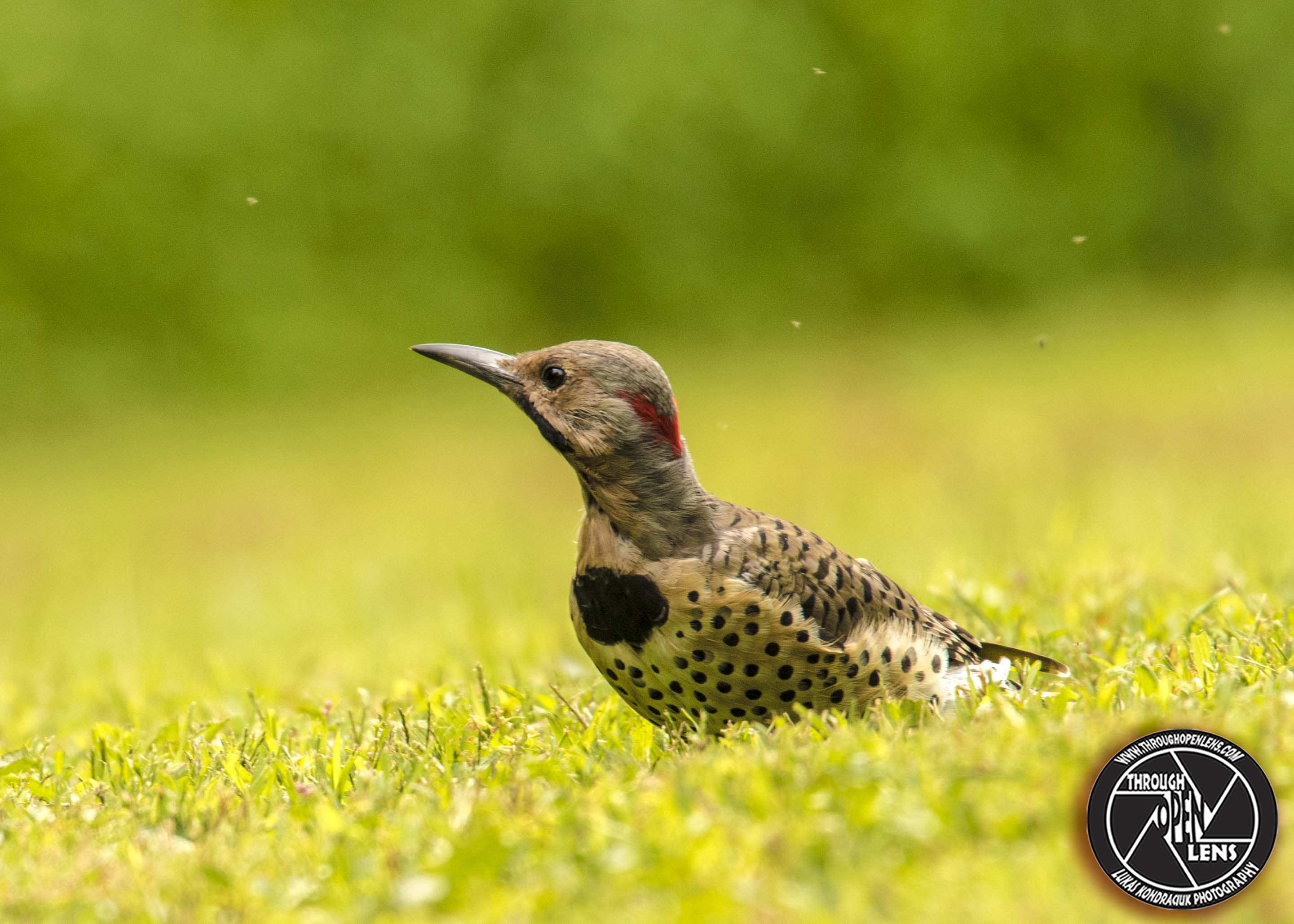
F/8.0, 1/200, ISO 400.

Northern Flicker

Why is it so hot in a stadium after a football game?

Because all the fans have left.

Interesting Fact: The Northern Flicker is one of the few North American woodpeckers that is strongly migratory. Flickers in the northern parts of their range move south for the winter, although a few individuals often stay rather far north. ( https://www.allaboutbirds.org/guide/Northern_Flicker/lifehistory )


Everything In Your Life Is Reflection Of A Choice You Have Made, If You Want A Difrent Result, Make A Different Choice.

F/10.0, 1/400, ISO 320, Photoshop CS6.

Mute Swan

A pirate was on his ship and his watchman comes to him and says, “1 enemy ship on the horizont.”

The captain says, “Bring me my red shirt, no men get injured or die.”

So the watchman comes to him and asks, “Why did you want your red shirt?”

The captain says, “Because if i get injured they won’t see and keep on fighting.”

So the watchman comes to him again and says, “20 enemy ships on the horizont.”

The captain says, “Bring me my brown pants.”

Interesting Fact:  Mute Swans can adapt to degraded habitat and actually benefit from the spread of the invasive common reed Phragmites australis, which flourishes in disturbed sites. As the reeds spread into lakes and ponds, the swans can build nests farther offshore in the reed beds, where they’re safer from egg predators. ( https://www.allaboutbirds.org/guide/Mute_Swan/lifehistory )

A Top Of The Tree To You

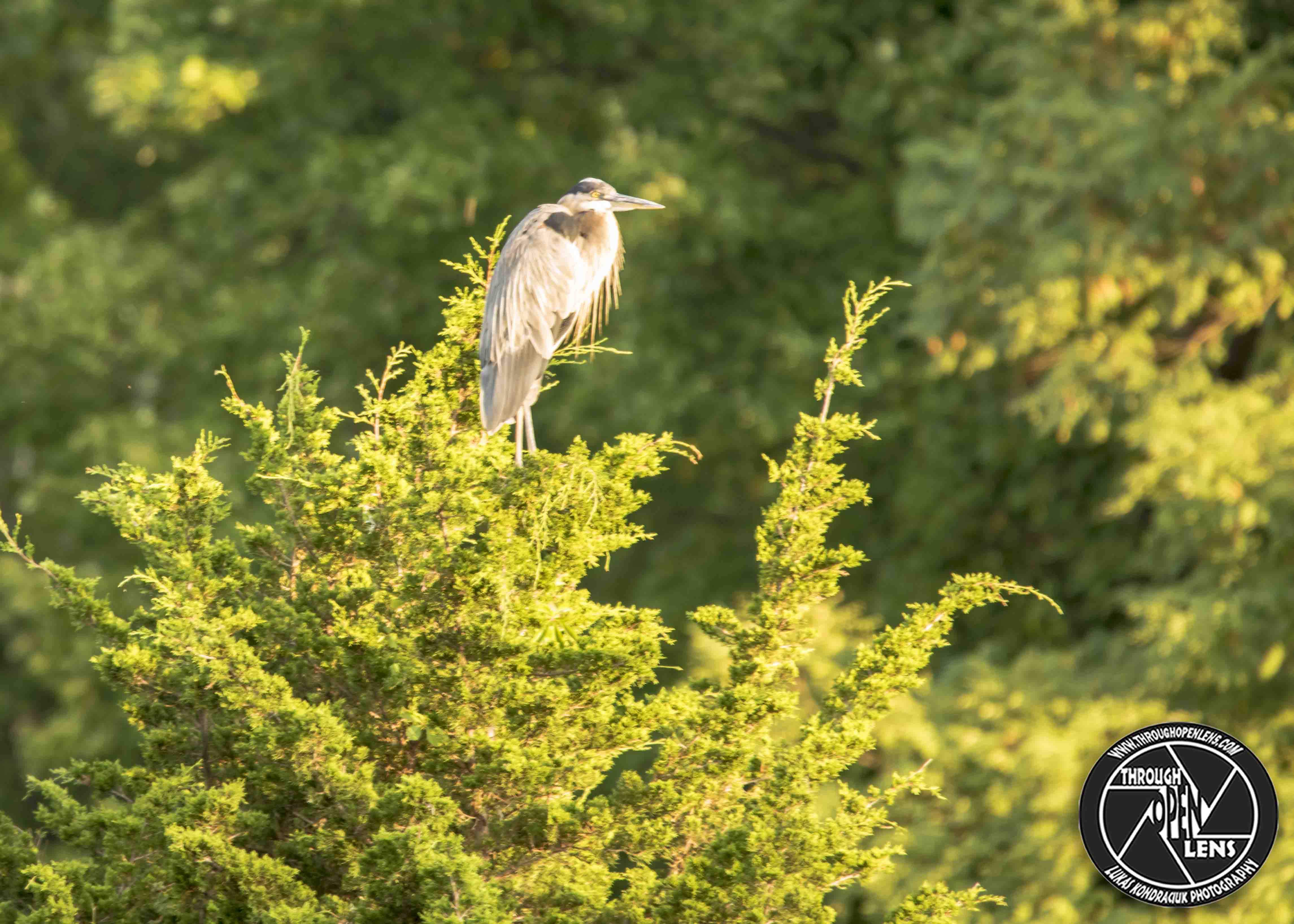
F/6.3, 1/160, ISO 400.

Great Blue Heron

A neutron walks into a bar and says,

“I’d like a beer. How much will that be?”

The bartender responds,

“For you? No charge!”

Interesting Fact:  Great Blue Herons congregate at fish hatcheries, creating potential problems for the fish farmers. A study found that herons ate mostly diseased fish that would have died shortly anyway. Sick fish spent more time near the surface of the water where they were more vulnerable to the herons.  ( https://www.allaboutbirds.org/guide/Great_Blue_Heron/lifehistory )

I’m On A Seafood Diet. I See Food, I Eat It.

F/10.0, 1/400, ISO 160.

Red-tailed Hawk

What did one elevator say to the other elevator?

I think I’m coming down with something!

Interesting Fact: Mammals make up the bulk of most Red-tailed Hawk meals. Frequent victims include voles, mice, wood rats, rabbits, snowshoe hares, jackrabbits, and ground squirrels. The hawks also eat birds, including pheasants, bobwhite, starlings, and blackbirds; as well as snakes and carrion. Individual prey items can weigh anywhere from less than an ounce to more than 5 pounds. ( https://www.allaboutbirds.org/guide/Red-tailed_Hawk/lifehistory  )

I Had A Very Unhappy Egghood…

F/10.0, 1/320, ISO 320

Brown-headed Cowbird

What did the traffic light say to the car?

Don’t look, I’m changing.

Interesting Fact: Cowbird eggs hatch faster than other species eggs, giving cowbird nestlings a head start in getting food from the parents. Young cowbirds also develop at a faster pace than their nest mates, and they sometimes toss out eggs and young nestlings or smother them in the bottom of the nest. ( https://www.allaboutbirds.org/guide/Brown-headed_Cowbird/lifehistory )


It’s Better To Swallow Words Than To Have To Eat Them Later

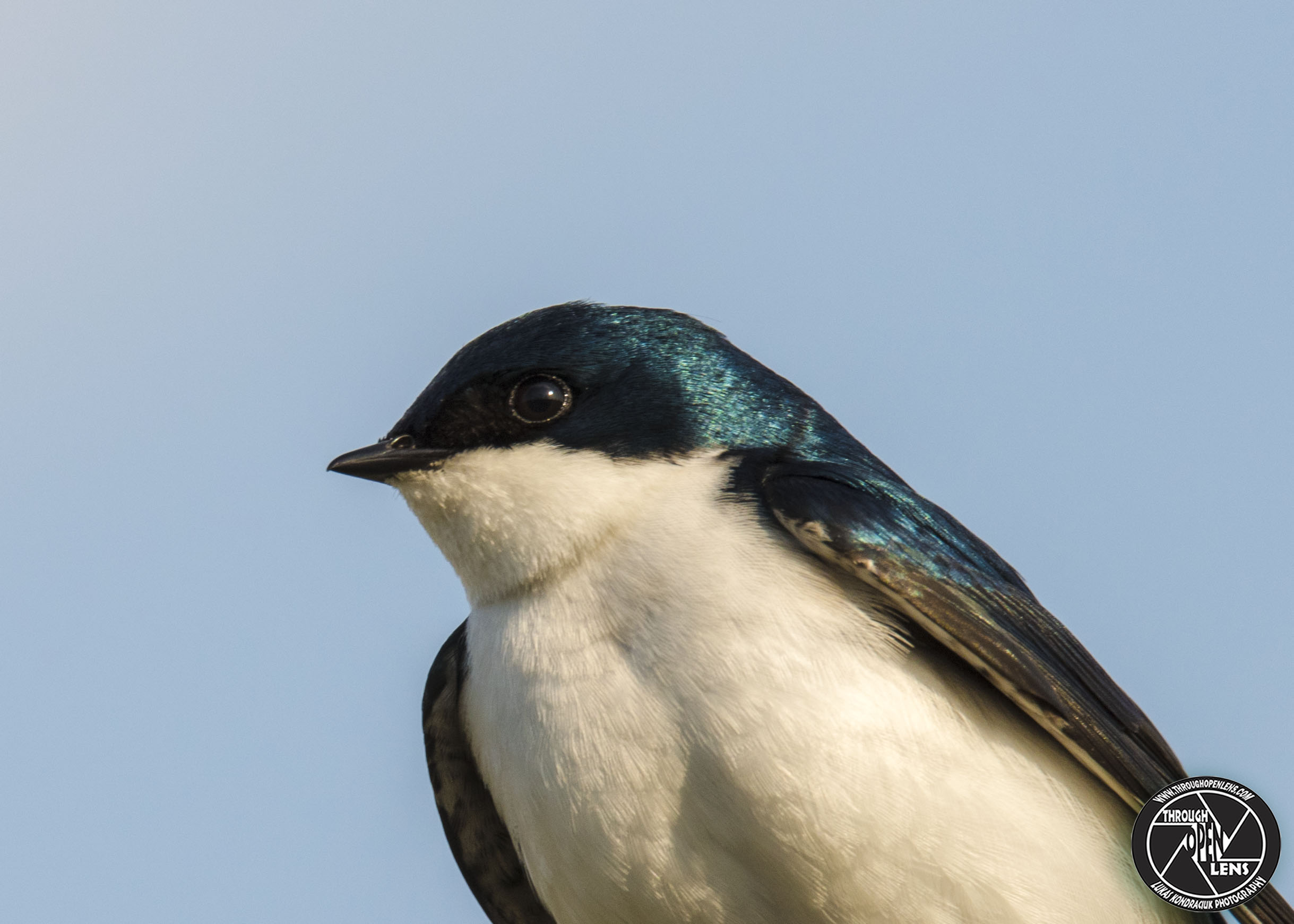
F/11.0, 1/500, ISO 250.

Tree Swallow

What kind of lights did Noah use on the Ark?

Flood lights!

Interesting Fact: Tree Swallows have helped researchers make major advances in several branches of ecology, and they are among the best-studied bird species in North America. Still, we know little about their lives during migration and winter. ( https://www.allaboutbirds.org/guide/Tree_Swallow/lifehistory )

Do Not Cross Me I Have My Fancy Pants On Today!

F/5.6, 1/500, ISO 200.

Snowy Egret

What did the triangle say to the circle?

You are pointless!

Interesting Fact: Male Snowy Egrets fight for breeding territories, choose nest sites, and perform noisy courtship displays to attract mates. A ring of other egrets often gathers around a displaying male as he pumps his body up and down, points his bill skyward, and calls. He also performs aerial displays, including one that ends with him dropping toward the ground while tumbling around and around. After pairing up, Snowy Egrets continue defending the immediate area around the nest, raising their crests and giving rasping calls. Some of their nest predators include raccoons, Great Horned Owls, Barred Owls, American Crows, Fish Crows, American alligators, and gray rat snakes. Highly social all year long, Snowy Egrets forage with gulls, terns, ibises, and other herons, and they nest in colonies alongside many other species, including Great Egrets, night-herons, Glossy Ibises, Little Blue Herons, Tricolored Herons, Cattle Egrets, and Roseate Spoonbills. ( https://www.allaboutbirds.org/guide/Snowy_Egret/lifehistory )