Eat Like No One Is Watching You!

F/6.3, 1/500, ISO 200.

Red-breasted Merganser  

Why do bananas use sunscreen?

Because they peel.

Interesting Fact: The red-breasted merganser (Mergus serrator) is a diving duck, one of the sawbills. The genus name is a Latin word used by Pliny and other Roman authors to refer to an unspecified waterbird, and serrator is a sawyer from Latin serra, “saw”.  ( https://en.wikipedia.org/wiki/Red-breasted_merganser#Behaviour )

Psst… You Can’t See Me

atlantic-ghost-crabs

F/8.0, 1/500, ISO 100.

Atlantic Ghost Crab (Sand Crab)

Did you hear about the crab that went to the seafood disco?

He pulled a muscle

Interesting Fact: The strong hairy legs of this animal make it run very fast and achieve speeds of about 10 miles per hour. This makes this crab the fastest among all crustaceans. ( http://www.animalspot.net/ghost-crab-sand-crab.html )

I’m A Duck That Does Not Give A Quack!

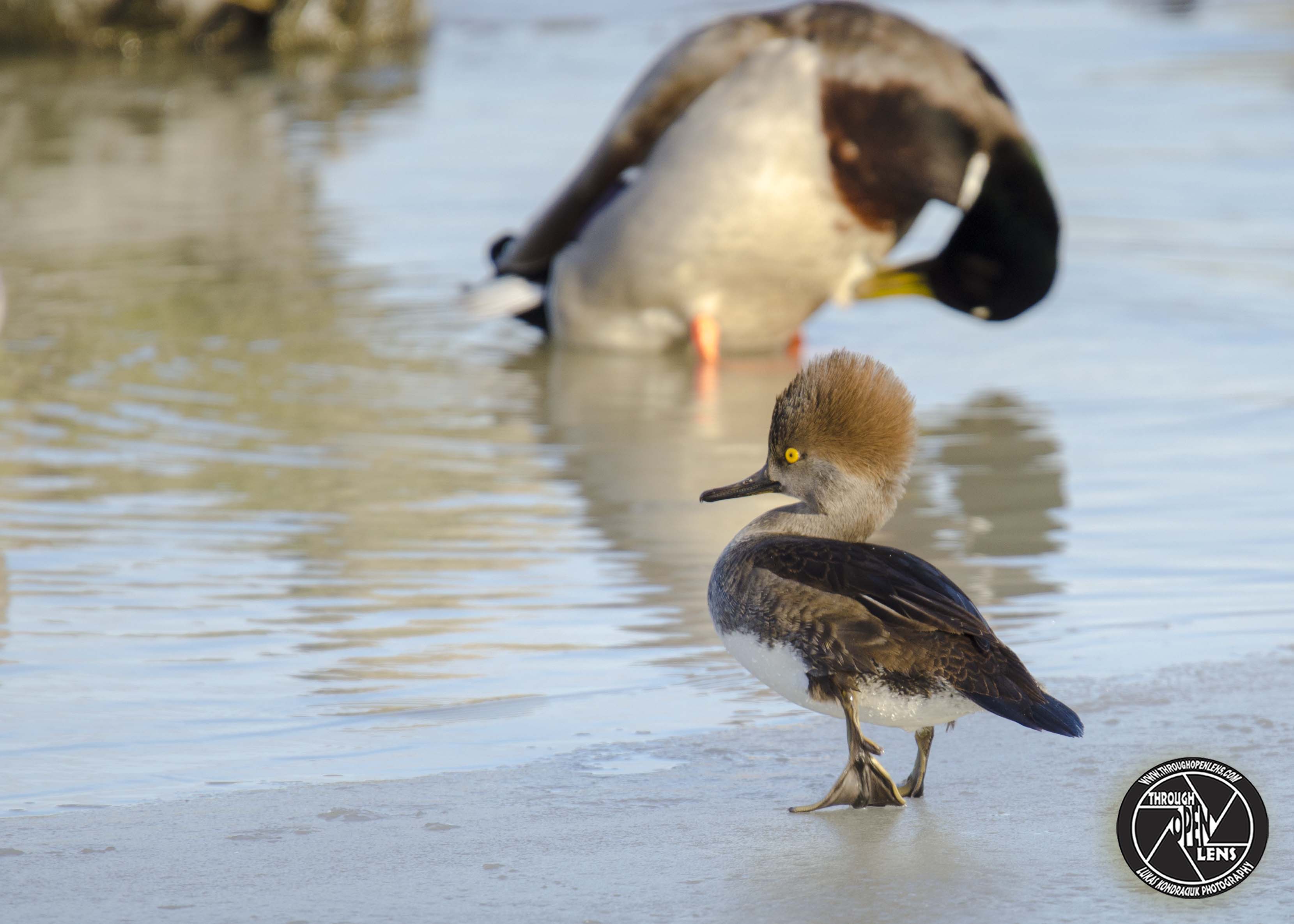
F/6.3, 1/500, ISO 250.

Hooded Merganser ( Female )

2 Guys walking down the street.

One walks into a bar, the other ducks.

Interesting Fact:  The female chooses the nest site, and may start scouting for next year’s tree cavity at the end of each breeding season. Nest cavities can be in live or dead trees and are usually close to water. Cavities are typically 10–50 feet off the ground, up to about 90 feet. Hooded Mergansers nest readily in boxes, preferring those with wood shavings or nest material from previous uses. They prefer cavities with 3–5 inch openings. ( https://www.allaboutbirds.org/guide/Hooded_Merganser/overview )

Swan Lake Ballet ( On Ice )

mute-swan-on-ice

F/8.0, 1/1000, ISO 640.

Mute Swan

A good looking woman walks into a bar wearing a tube top. She raises her hand to signal the bartender for a beer, revealing that she does not shave her

armpits.

Meanwhile, a sloppy drunk on the other side of the bar signals the bartender, “Buy that ballerina over there a drink on me.”

The bartender replies, “What makes you think she’s a ballerina?”

“Because,” answers the drunken man, “any chick that can lift her leg that high has GOT to be a ballerina.”

Interesting Fact: All of the Mute Swans in North America descended from swans imported from Europe from the mid 1800s through early 1900s to adorn large estates, city parks, and zoos. Escapees established breeding populations and are now established in the Northeast, Midatlantic, Great Lakes, and Pacific Northwest of the U.S. ( https://www.allaboutbirds.org/guide/Mute_Swan/lifehistory )

Flying Quack!

F/6.3, 1/500, ISO 280.

Hooded Merganser ( Male ) 

A police officer stops a Bob’s car.

Police Officer: “Your driver’s license please.”

Bob: “I’m really sorry, I forgot.”

Officer: “At home?”

Bob: “No, to do it.”

Interesting Fact:They take flight by running across the water, flying with fast wingbeats and never gliding until they are about to land (by skidding to a stop on the water). ( https://www.allaboutbirds.org/guide/Hooded_Merganser/lifehistory )  

I Will, I Will, Quack You!

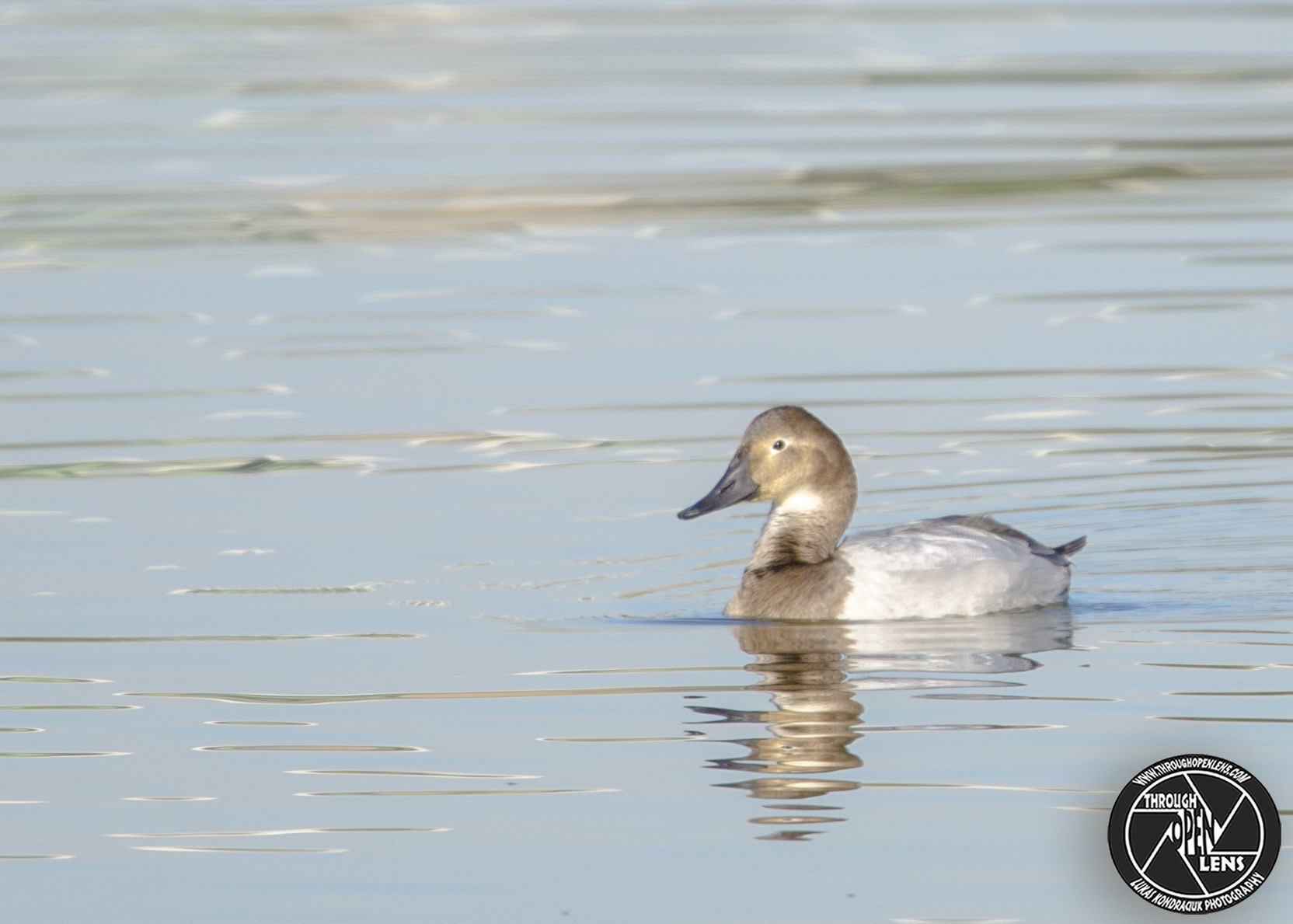
F/6.3, 1/640, ISO 200.

Canvasback ( Female ) 

Guy in a restaurant calls a waiter over

Guy: “Waiter, I am outraged. There is one hair in my soup.”

Waiter: “And what do you expect for this price? A whole wig?!”

Interesting Fact: The breeding habitat of the canvasback is in North Americaprairie potholes. The bulky nest is built from vegetation in a marsh and lined with down. Loss of nesting habitat has caused populations to decline. The canvasback usually takes a new mate each year, pairing in late winter on ocean bays.[5] It prefers to nest over water on permanent prairie marshes surrounded by emergent vegetation, such as cattails and bulrushes, which provide protective cover. Other important breeding areas are the subarctic river deltas in Saskatchewan and the interior of Alaska. ( https://en.wikipedia.org/wiki/Canvasback )

Snow Way You’ve Got To Be Flaking Me!

F/5.6, 1/1600, ISO 400.

Mute Swan

Why was the snowman sad?

Cause he had a meltdown.

Interesting Fact: Male Mute Swans select the nest site and may start several nests before the female accepts the location. Nest sites are safe from flooding yet offer easy access to water, with ample nesting materials and food nearby–often on a small peninsula, along a heavily vegetated shoreline, or on a small to medium-sized island.  ( https://www.allaboutbirds.org/guide/Mute_Swan/lifehistory )


I Love Escorting People… I Put An Ad Out For An Escort Service And Got A LOT Of Responses. Mostly Creeps. Made A Few Friends.

common-merganser-1

F/10.0, 1/1600, ISO 800.

Common Merganser

A police officer was escorting a prisoner to jail when his hat blew off.

“Shall I run and get it for you?” asked the prisoner obligingly.

“Do you think I am a fool” said the officer.

“You stand here and I’ll get it.”

Interesting Fact: The oldest Common Merganser on record was a female, and at least 13 years, 5 months old. She was banded in Oklahoma in 1938 and found in Wisconsin in 1950. ( https://www.allaboutbirds.org/guide/Common_Merganser/lifehistory )

Mother Pheasant Plucker!

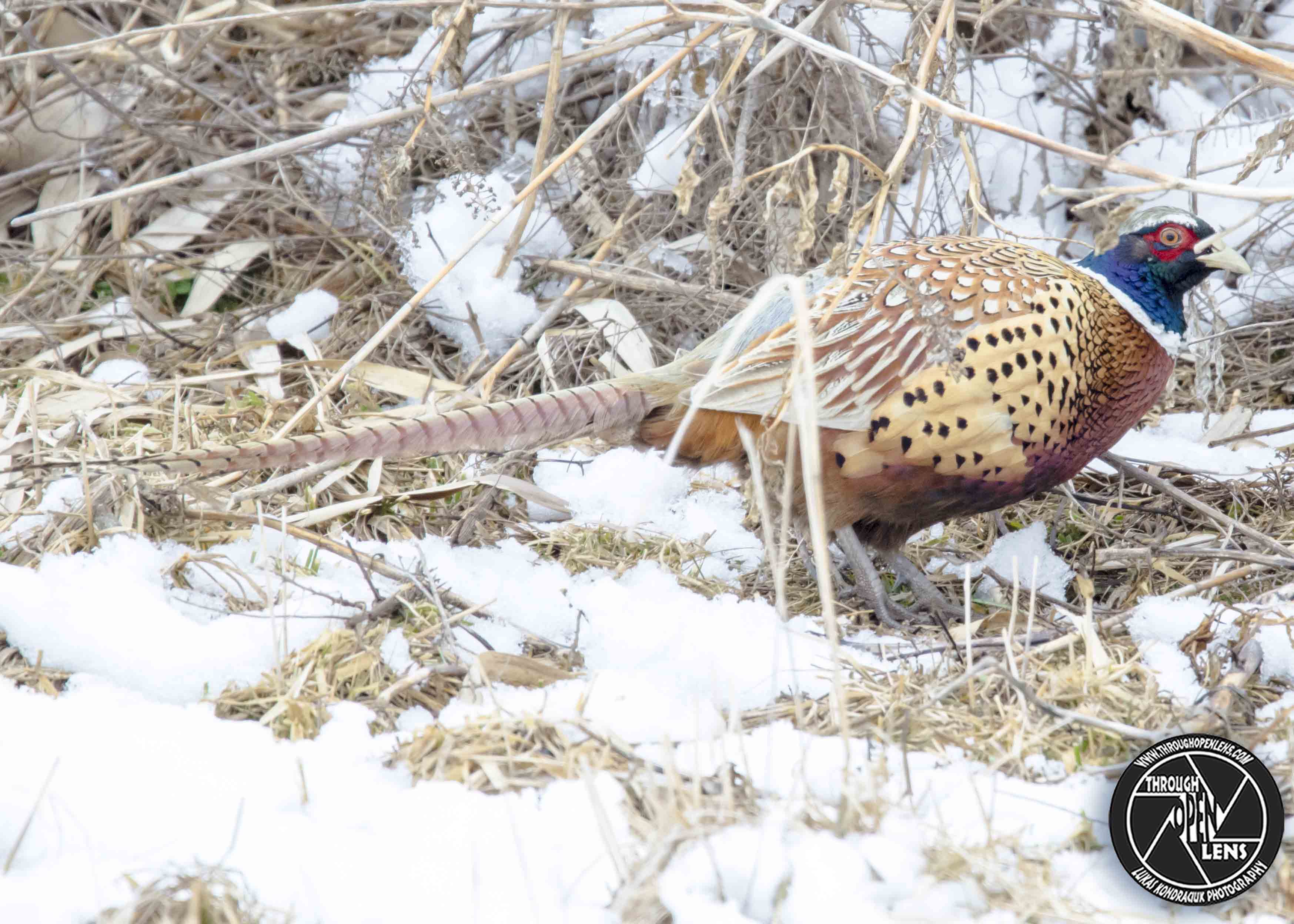
F/6.3, 1/250, ISO 1600.

Ring-Necked Pheasant

What is dangerous?

Sneezing while having diarrhea!

Interesting Fact:  Pheasants, along with most members of the grouse family, have specialized, powerful breast muscles—the “white meat” that you find on a chicken. These muscles deliver bursts of power that allow the birds to escape trouble in a hurry, flushing nearly vertically into the air and reaching speeds of nearly 40 miles per hour.  ( https://www.allaboutbirds.org/guide/Ring-necked_Pheasant/lifehistory )

Eat My Bubbles!

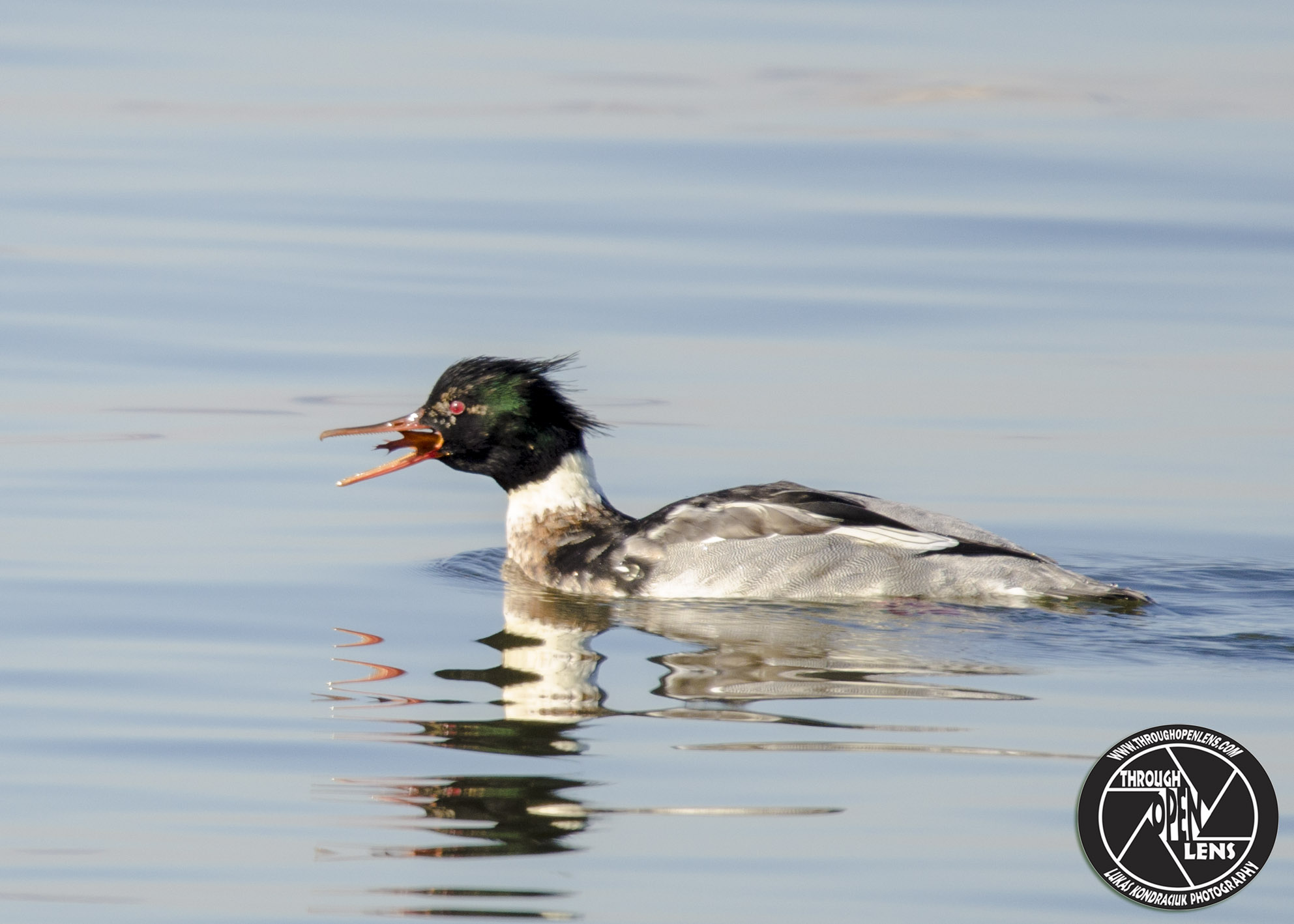
F/9.0, 1/320, ISO 200.

Red-breasted Merganser  

Tom and Bobby are talking:

Bobby: “Holy crap, I just fell off a 50 ft ladder.”

Tom: “Oh my God, are you okay?”

Bobby: “Yeah it’s a good thing I fell off the first step.”

Interesting Fact: Its breedinghabitat is freshwater lakes and rivers across northern North America, Greenland, Europe, and Asia. It nests in sheltered locations on the ground near water. It is migratory and many northern breeders winter in coastalwaters further south. ( https://en.wikipedia.org/wiki/Red-breasted_merganser#Behaviour )