I Am Looking Up To You!

F/5.6, 1/500, ISO 320.

Elegant Tern

How do you organize an outer space party?

You planet.

Interesting Fact: The oldest recorded Elegant Tern was at least 20 years, 11 months old when it was found in California in 2010, the same state where it had been banded in 1989. ( https://www.allaboutbirds.org/guide/Elegant_Tern )

His Feathers Didn’t Go Up, But They Have A Pill For That.

F/5.6, 1/60, ISO 320.

Peafowl

Did you hear the story about the peacock?

It’s a beautiful tail.

Interesting Fact: Peafowl are forest birds that nest on the ground, but roost in trees. They are terrestrial feeders. All species of peafowl are believed to be polygamous. In common with other members of the Galliformes, the males possess metatarsal spurs or “thorns” on their legs used during intraspecific territorial fights with other members of their kind. ( https://en.wikipedia.org/wiki/Peafowl#Behaviour )

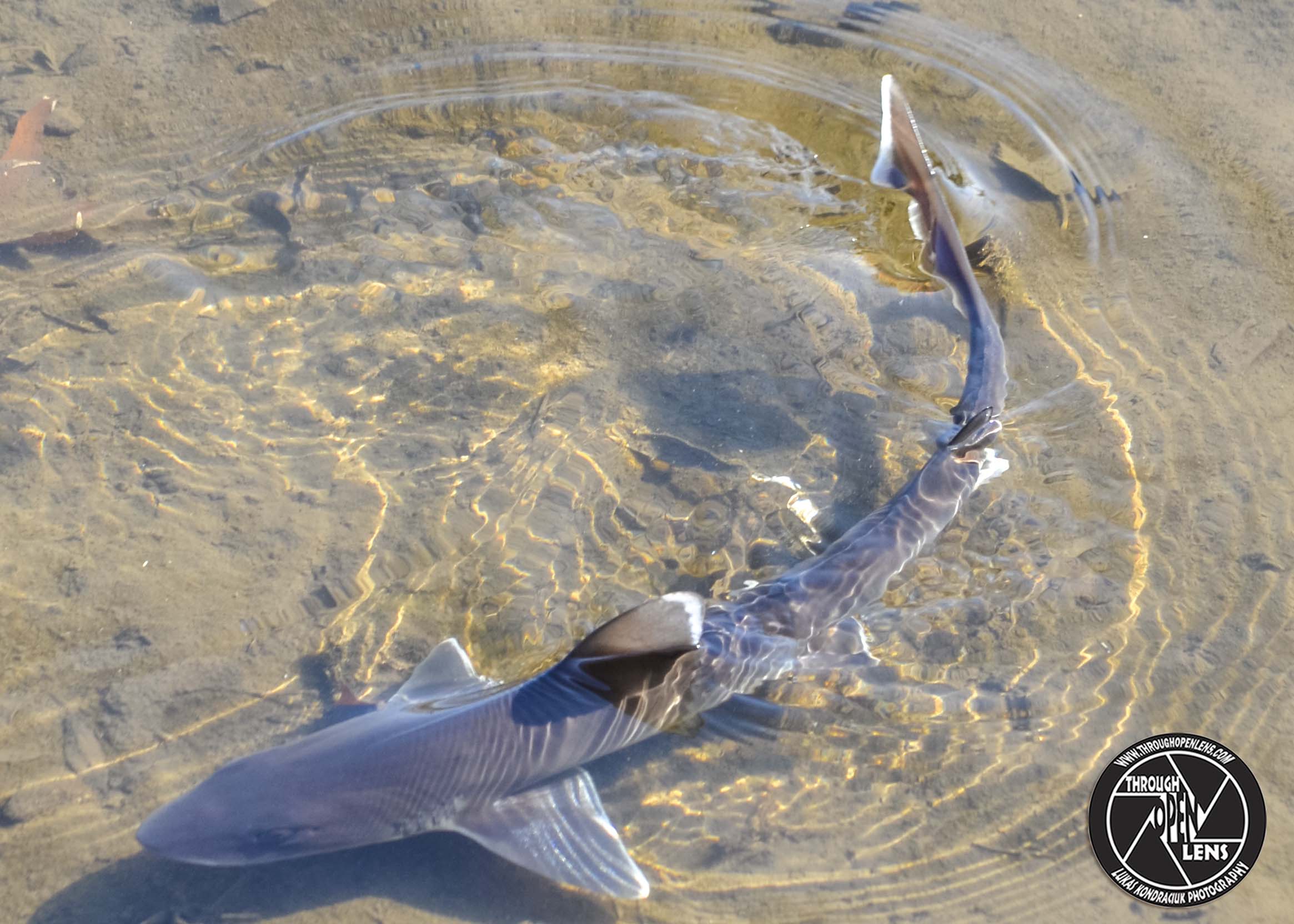
Sharks Aren’t The Bad Guys. If Some Stranger Entered My House In Just A SPEEDO, I Would Probably Attack Him Too.

Shark Week 

F/5.6, 1/500, ISO 360.

Spiny Dogfish Shark

What is a sharks favorite sci-fi show?

Shark Trek

Interesting Fact: Spiny dogfish are bottom-dwellers. They are commonly found at depths of around 50–149 m (164–489 ft), but have been found deeper than 700 m (2,300 ft). ( https://en.m.wikipedia.org/wiki/Spiny_dogfish )

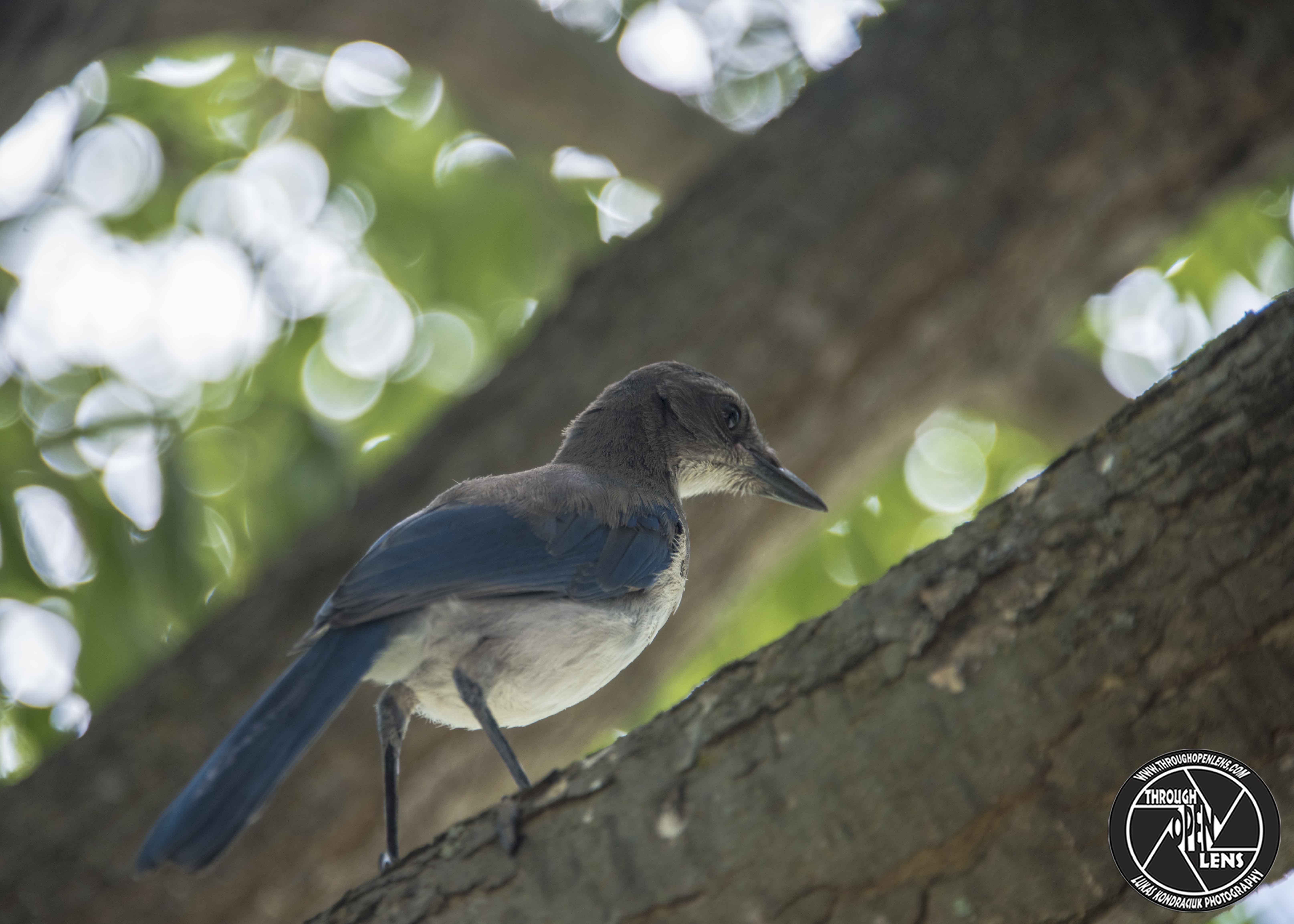
Blue Looks Good On You!

F/5.6, 1/160, ISO 320.

California Scrub-Jay

Why did Papa Smurf send Smurfette to see a doctor???

She was always feeling blue…

Interesting Fact: Look closely, and you’ll see an intriguing difference between the California Scrub-Jay and its close relative, Woodhouse’s Scrub-Jay. The bill of a California Scrub-Jay is stout and hooked, giving it extra power and grip as the birds hammer open acorns in their oak woodland habitats. By comparison, Woodhouse’s have thinner, more pointed bills that nimbly reach deep into pinyon pine cones to pull out the pine nuts inside. ( https://www.allaboutbirds.org/guide/California_Scrub-Jay )

Being Small Works For Me!

F/5.6, 1/500, ISO 220.

Least Sandpiper

Why did the teddy bear say no to dessert?

Because he was stuffed.

Interesting Fact: The Least Sandpiper is the smallest shorebird in the world, weighing in at about 1 ounce and measuring 5-6 inches long. Males are slightly smaller than females. ( https://www.allaboutbirds.org/guide/Least_Sandpiper )

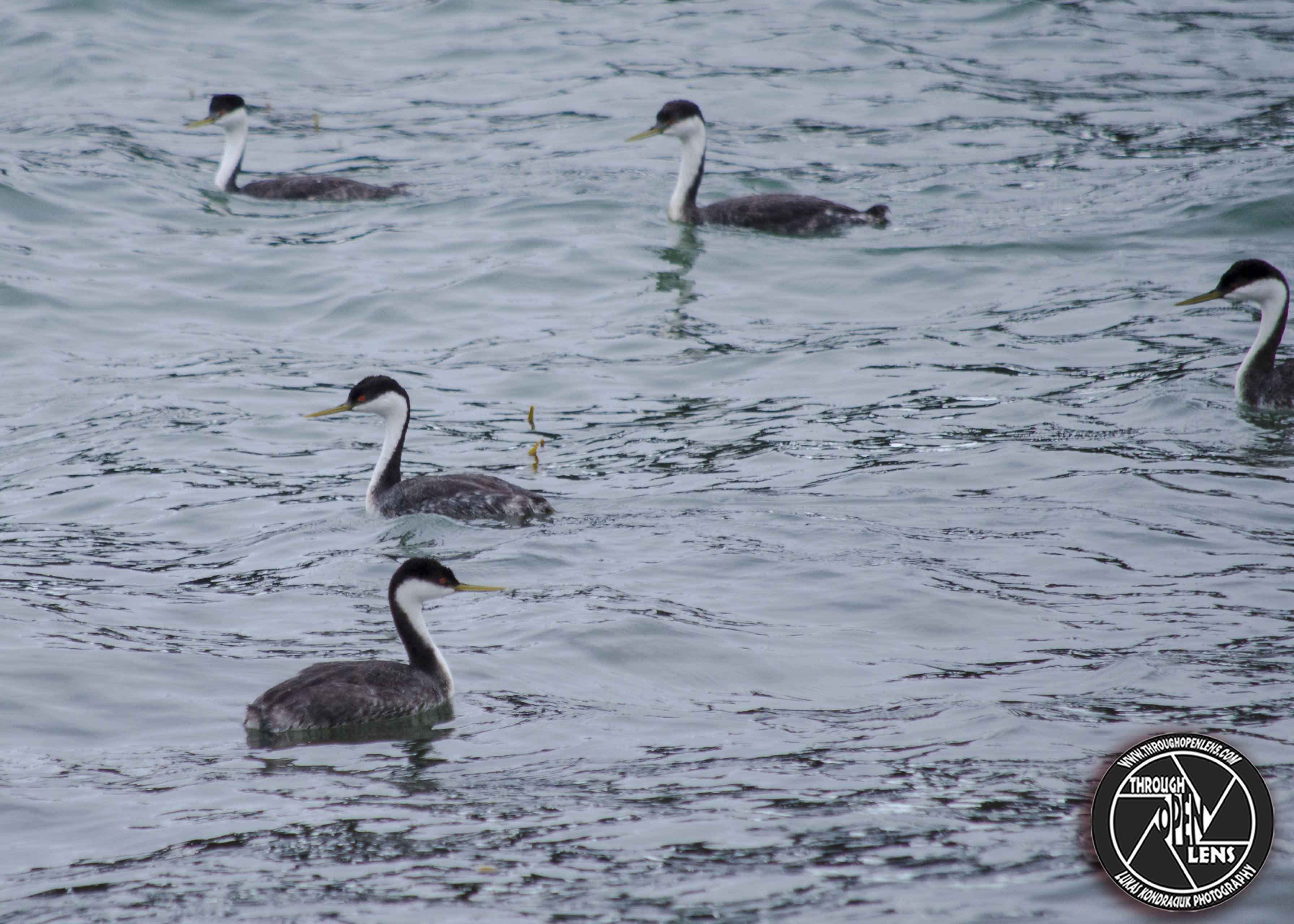
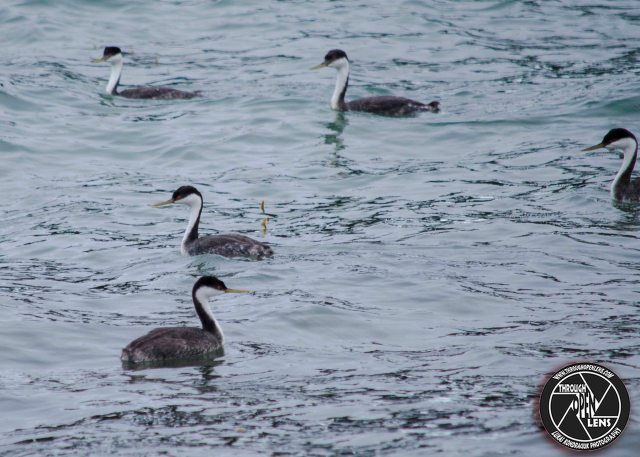
Be Different!

F/5.6, 1/500, ISO 360.

Western-Grebe

Why did the traffic light turn red?

You would too if you had to change in the middle of the street!

Interesting Fact:  The Western Grebe, like other grebes, spends almost all its time in water and is very awkward when on land. The legs are so far back on the body that walking is very difficult. Western Grebes are adept swimmers and divers. Courtship happens entirely in the water, including a well-known display known as “rushing,” where two birds turn to one side, lunge forward in synchrony, their bodies completely out of the water, and race across the water side by side with their necks curved gracefully forward. ( https://www.allaboutbirds.org/guide/Western_Grebe/lifehistory )

My Spirit Animals Is Grey Goose!

F/5.6, 1/800, ISO 160.

Greylag goose

How do you make an egg-roll?

You push it!!!

Interesting Fact: Young greylags stay with their parents as a family group, migrating with them in a larger flock, and only dispersing when the adults drive them away from their newly established breeding territory the following year.[18] At least in Europe, patterns of migration are well understood and follow traditional routes with known staging sites and wintering sites. The young learn these locations from their parents which normally stay together for life. ( https://en.wikipedia.org/wiki/Greylag_goose#Behaviour )

I Claim This Rock!

F/5.6, 1/250, ISO 800.

Muskrat

Why did the cookie go to the hospital?

He felt crummy!

Interesting Fact: Muskrats are most active at night or near dawn and dusk. They feed on cattails and other aquatic vegetation. They do not store food for the winter, but sometimes eat the insides of their push-ups. While they may appear to steal food beavers have stored, more seemingly cooperative partnerships with beavers exist, as featured in the BBC David Attenborough wildlife documentary The Life of Mammals.[22][23] Plant materials compose about 95% of their diets, but they also eat small animals, such as freshwater mussels, frogs, crayfish, fish, and small turtles.[5][6] Muskrats follow trails they make in swamps and ponds. When the water freezes, they continue to follow their trails under the ice. ( https://en.wikipedia.org/wiki/Muskrat#Behavior )

Mine! Mine! Mine! Mine! Mine! Mine!

ring-billed-gulls

F/5.6, 1/320, ISO 400.

Ring-billed Gull             

What do you call a man with seagull on his head?

Cliff

Interesting Fact: Migrating Ring-billed Gulls apparently use a built-in compass to navigate. When tested at only two days of age, chicks showed a preference for magnetic bearings that would take them in the appropriate direction for their fall migration. The gulls also rely on landmarks and high-altitude winds to provide directional cues.  ( https://www.allaboutbirds.org/guide/Ring-billed_Gull/lifehistory )

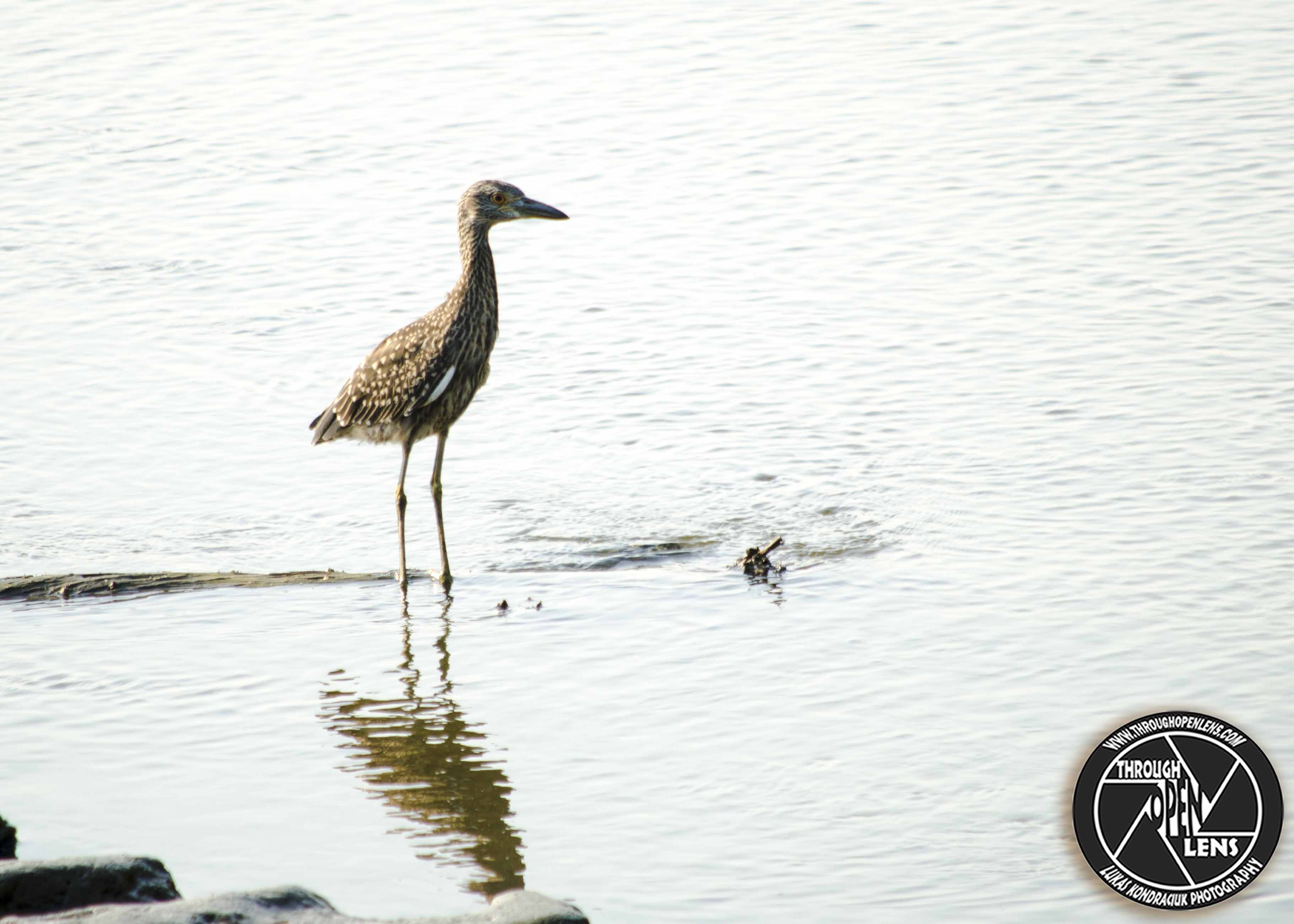
This Water Is Freezing!!!

F/5.6, 1/500, ISO 100.

Yellow-crowned Night-Heron ( Juvenile )

Why did the boy eat his homework?

Because his teacher said it was a piece of cake!

Interesting Fact: Yellow-crowned Night-Herons forage both during the day and at night—in coastal areas the tide can trump the time of day: most foraging occurs from 3 hours before high tide to 3 hours after. ( https://www.allaboutbirds.org/guide/Yellow-crowned_Night-Heron/lifehistory )