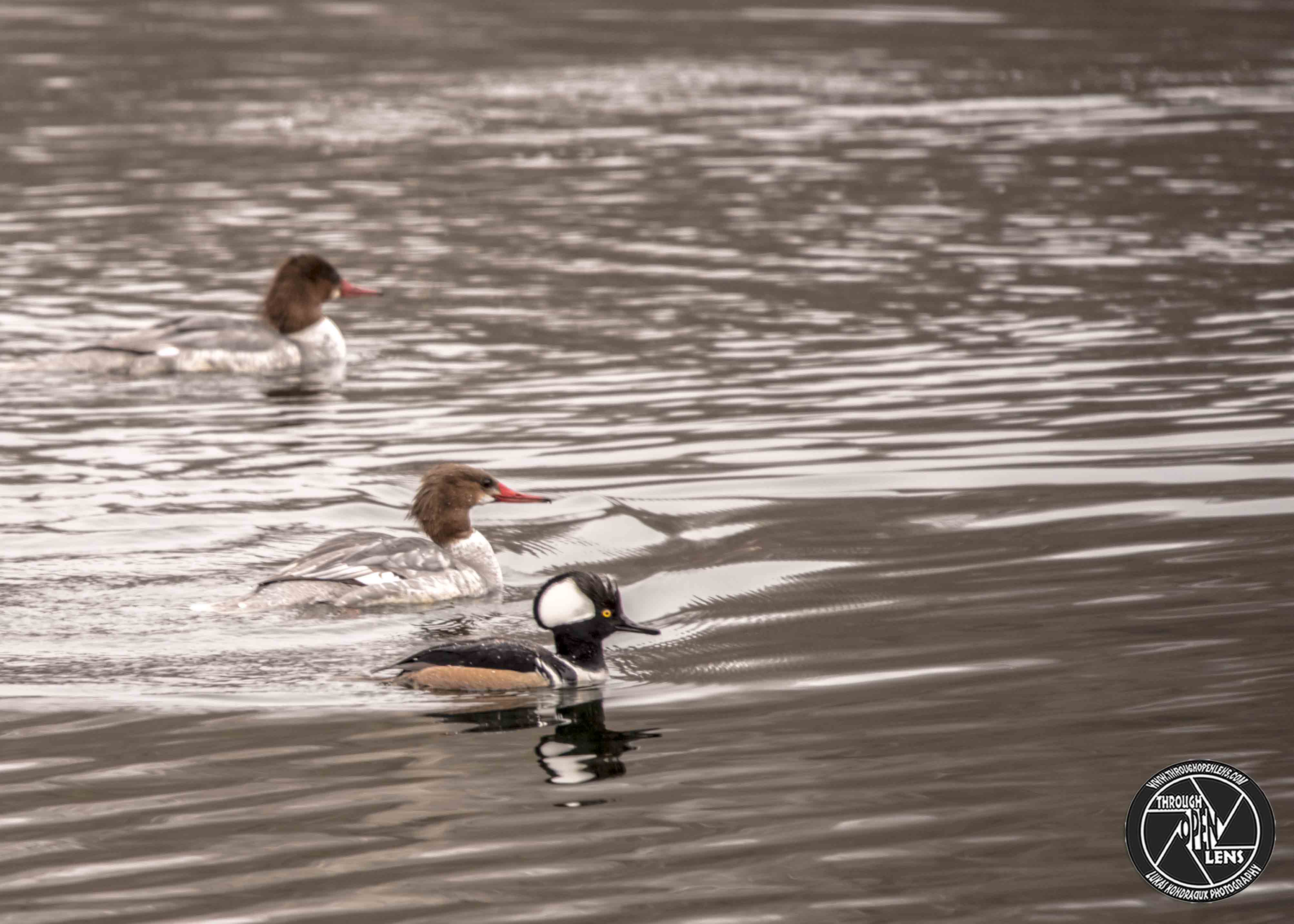
And The Race Is On!

F/6.3, 1/100 ISO 400.

Hooded Merganser

Common Merganser ( Females )

What is the color of the wind?

Blew.

Interesting Fact: The female chooses the nest site, and may start scouting for next year’s tree cavity at the end of each breeding season. Nest cavities can be in live or dead trees and are usually close to water. Cavities are typically 10–50 feet off the ground, up to about 90 feet. Hooded Mergansers nest readily in boxes, preferring those with wood shavings or nest material from previous uses. They prefer cavities with 3–5 inch openings. ( https://www.allaboutbirds.org/guide/Hooded_Merganser/lifehistory )

Where Does The Itch Goes After You Scratch It?

canada-goose-itch

F/6.3, 1/640, ISO 200.

Canada Goose

What do you call a pig that does karate?

A pork chop.

Interesting Fact: Some migratory populations of the Canada Goose are not going as far south in the winter as they used to. This northward range shift has been attributed to changes in farm practices that makes waste grain more available in fall and winter, as well as changes in hunting pressure and changes in weather. ( https://www.allaboutbirds.org/guide/Canada_Goose/lifehistory )

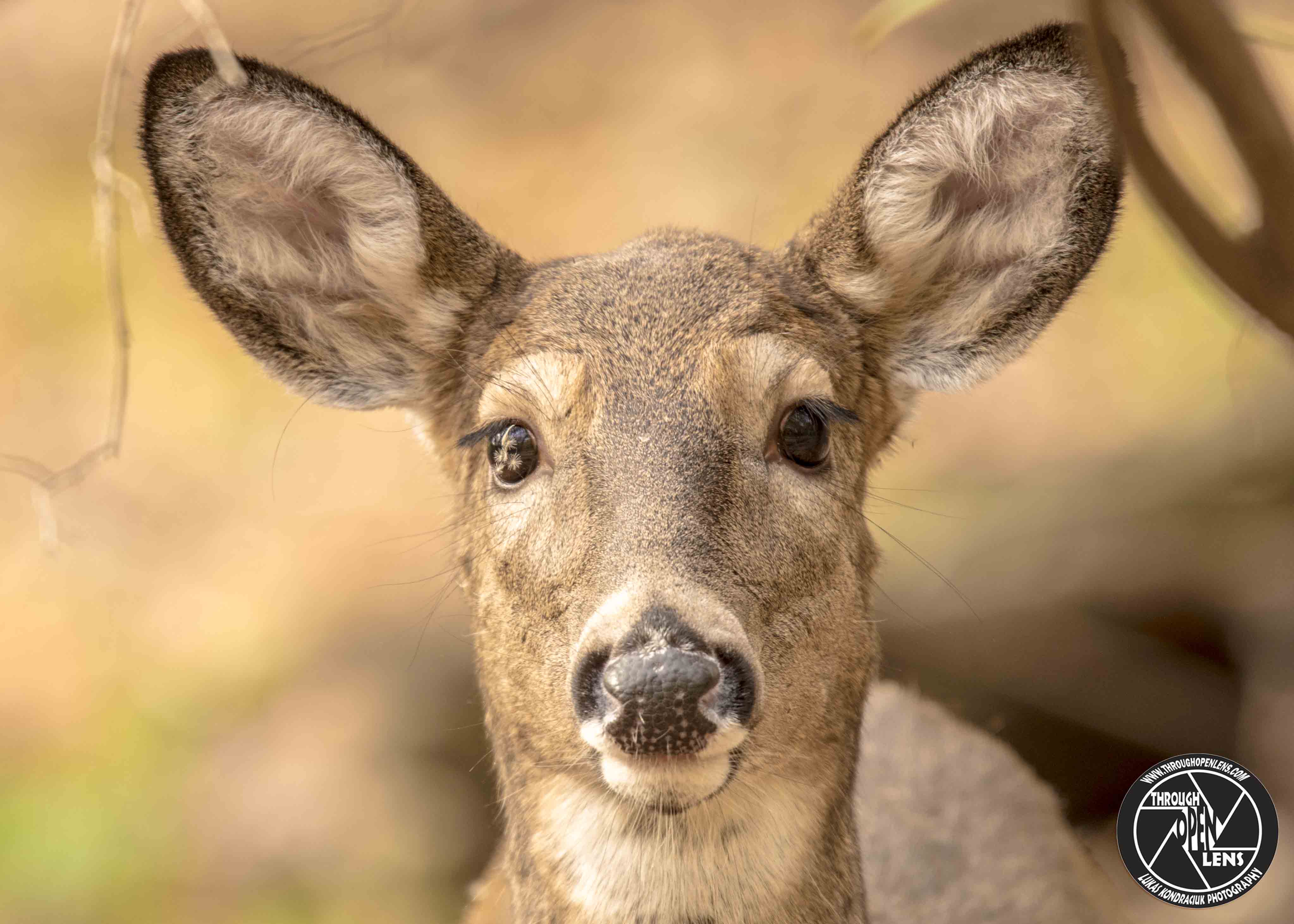
Hi I Exist!

F/6.3, 1/80, ISO400.

White-Tailed Deer

Who won the skeleton beauty contest?

Nobody.

Interesting Fact: The conversion of land adjacent to the Canadian Rockies into agriculture use and partial clear-cutting of coniferous trees (resulting in widespread deciduous vegetation) has been favorable to the white-tailed deer and has pushed its distribution to as far north as Yukon. Populations of deer around the Great Lakes have also expanded their range northwards, due to conversion of land to agricultural uses favoring more deciduous vegetation, and local caribou and moose populations. The westernmost population of the species, known as the Columbian white-tailed deer, once was widespread in the mixed forests along the Willamette and Cowlitz River valleys of western Oregon and southwestern Washington, but today its numbers have been considerably reduced, and it is classified as near-threatened. This population is separated from other white-tailed deer populations. ( https://en.wikipedia.org/wiki/White-tailed_deer )


You Give Me Goosebumps!

F/6.3, 1/640, ISO 160.

Greylag goose

What concert costs 45 cents?

50 Cent featuring Nickleback.

Interesting Fact: Greylag geese are gregarious birds and form flocks. This has the advantage for the birds that the vigilance of some individuals in the group allows the rest to feed without having to constantly be alert to the approach of predators. After the eggs hatch, some grouping of families occur, enabling the geese to defend their young by their joint actions, such as mobbing or attacking predators.[17] After driving off a predator, a gander will return to its mate and give a “triumph call”, a resonant honk followed by a low-pitched cackle, uttered with neck extended forward parallel with the ground. The mate and even unfledged young reciprocate in kind. ( https://en.wikipedia.org/wiki/Greylag_goose#Behaviour   )

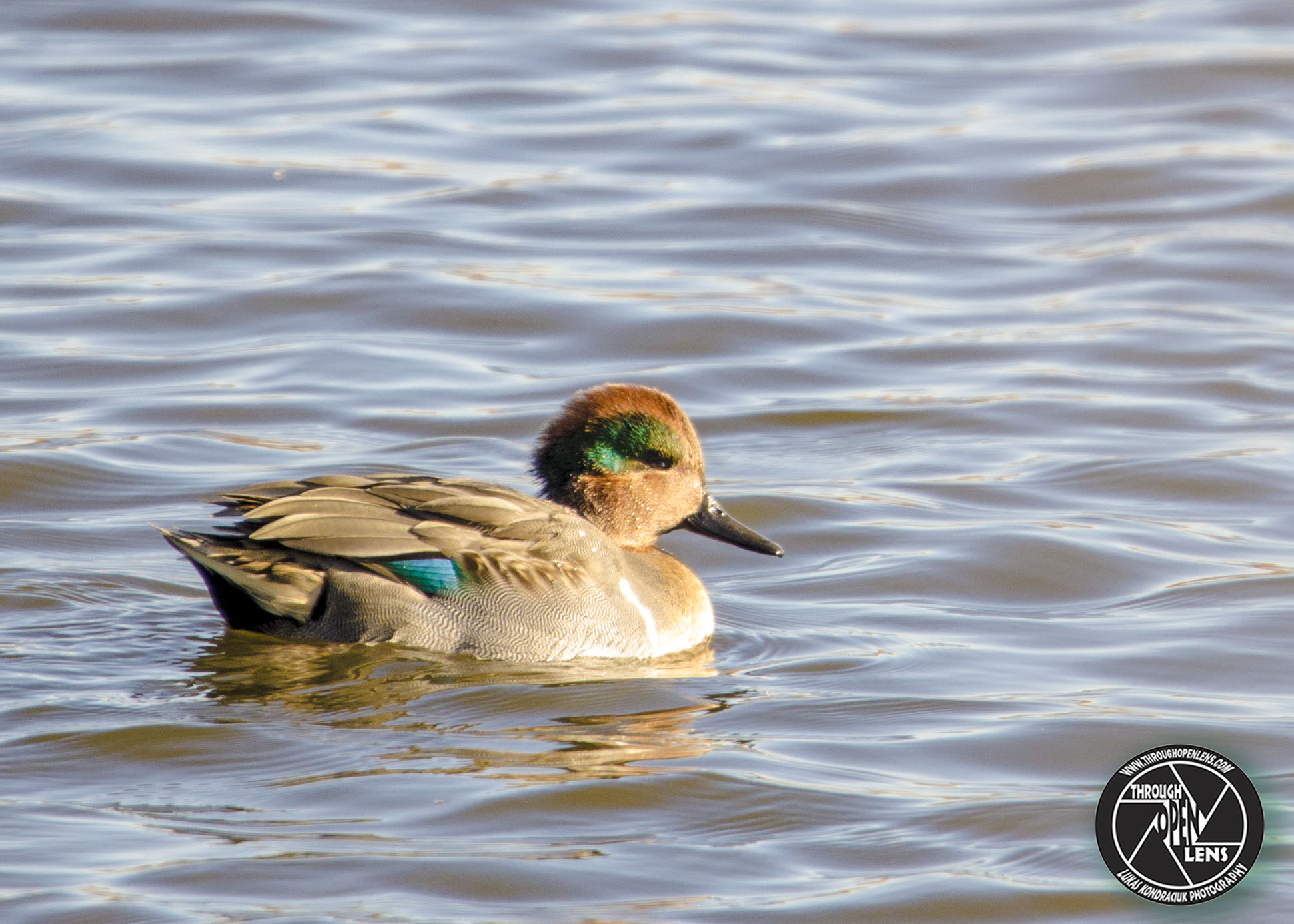
Be Like A Duck And QUACK!

F/6.3, 1/400, ISO 400.

Green-Winged Teal

How do you make a tissue dance?

Put a little boogie in it.

Interesting Fact: The Aleutian Islands of Alaska support their own race of Green-winged Teal, Anas crecca nimia. Unlike other Green-winged Teal populations, this race doesn’t migrate. In winter the birds move from summering sites on ponds and lakes to the islands’ beaches, where they forage in tide pools and on shallow-water reefs. ( https://www.allaboutbirds.org/guide/Green-winged_Teal/lifehistory )

Your Worries Will Float Away

gadwall

F/6.3,1/250, ISO 400.

Gadwall

Why are bad school grades like a shipwreck in the Arctic Ocean?

They’re both below C level!

Interesting Fact: Gadwall have increased in numbers since the 1980s, partly because of conservation of wetlands and adjacent uplands in their breeding habitat through the Conservation Reserve Program and the North American Waterfowl Management Plan. Their habit of nesting on islands within marshes gives them some protection from predators. ( https://www.allaboutbirds.org/guide/Gadwall/lifehistory )

Flap Your Wings Like Bird!

F/6.3, 1/500, ISO 1000.

Golden-crowned Kinglet

Two fish are in a tank.

One turns to the other and says, “Hey, do you know how to drive this thing?”

Interesting Fact: Although it used to nest almost exclusively in boreal spruce-fir forests, the Golden-crowned Kinglet has been expanding its breeding range southward into conifer stands of the Midwest and Appalachians. ( https://www.allaboutbirds.org/guide/Golden-crowned_Kinglet/lifehistory )

When you are with the right person, every day is Valentine’s Day!

Happy Valentines Day

F/5.6, 1/1600, ISO 400.

Mute Swan

What’s the best part about Valentines Day?

The day after when all the chocolate goes on sale.

Interesting Fact:  The Mute Swan is reported to mate for life. However, changing of mates does occur infrequently, and swans will remate if their partner dies. If a male loses his mate and pairs with a young female, she joins him on his territory. If he mates with an older female, they go to hers. If a female loses her mate, she remates quickly and usually chooses a younger male.  ( https://www.allaboutbirds.org/guide/Mute_Swan/lifehistory )

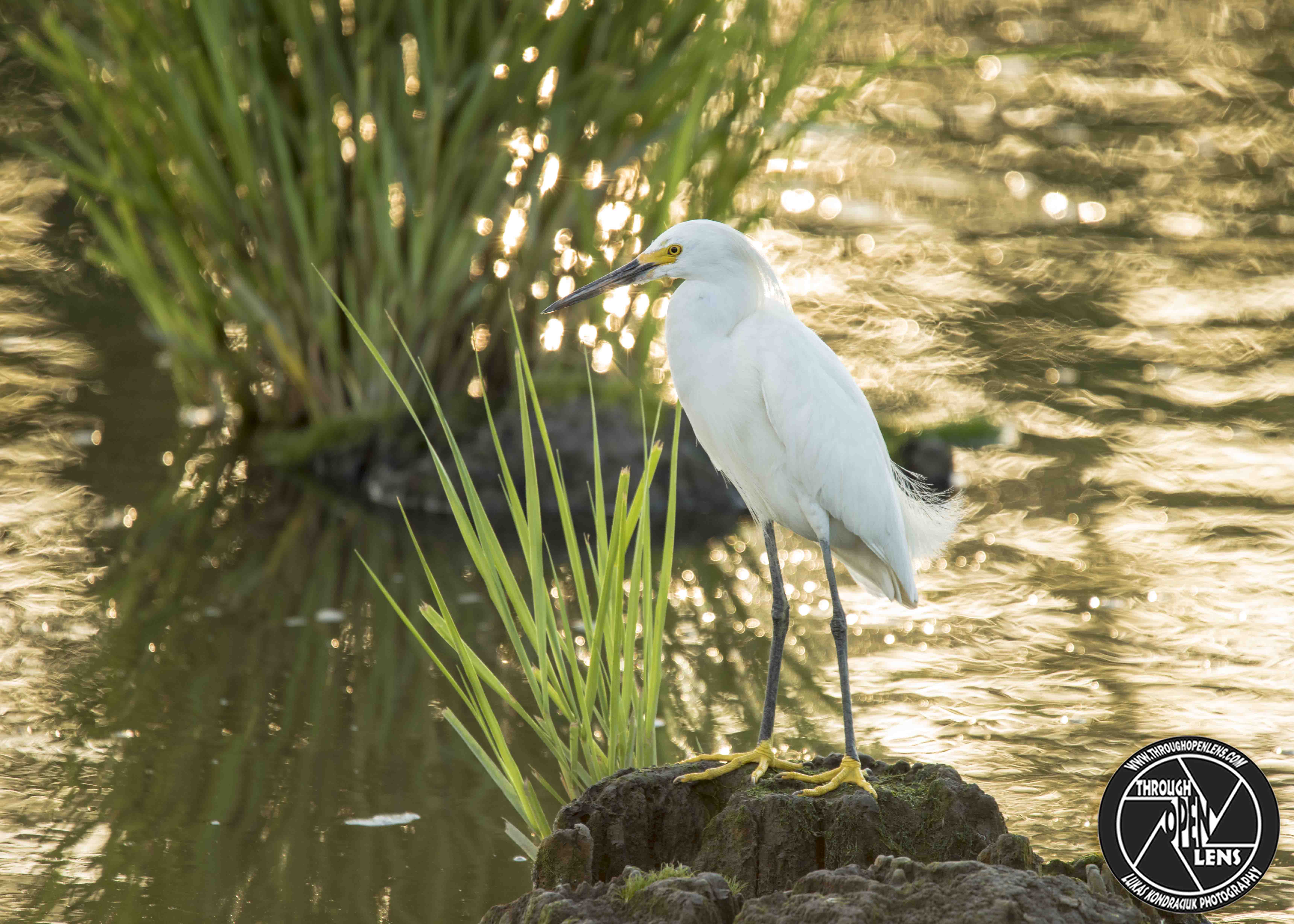
Leave A Little Sparkle Wherever You Go!

F/6.3, 1/160, ISO 250.

Snowy Egret

What does a pig put on its paper cut?

Oinkment!

Interesting Fact: The Snowy Egret eats mostly aquatic animals, including fish, frogs, worms, crustaceans, and insects. It often uses its bright yellow feet to paddle in the water or probe in the mud, rounding up prey before striking with its bill. Snowy Egrets feed while standing, walking, running, or hopping, and they may vibrate their bills, sway their heads, or flick their wings as part of prey gathering. They even forage while hovering. ( https://www.allaboutbirds.org/guide/Snowy_Egret/lifehistory )

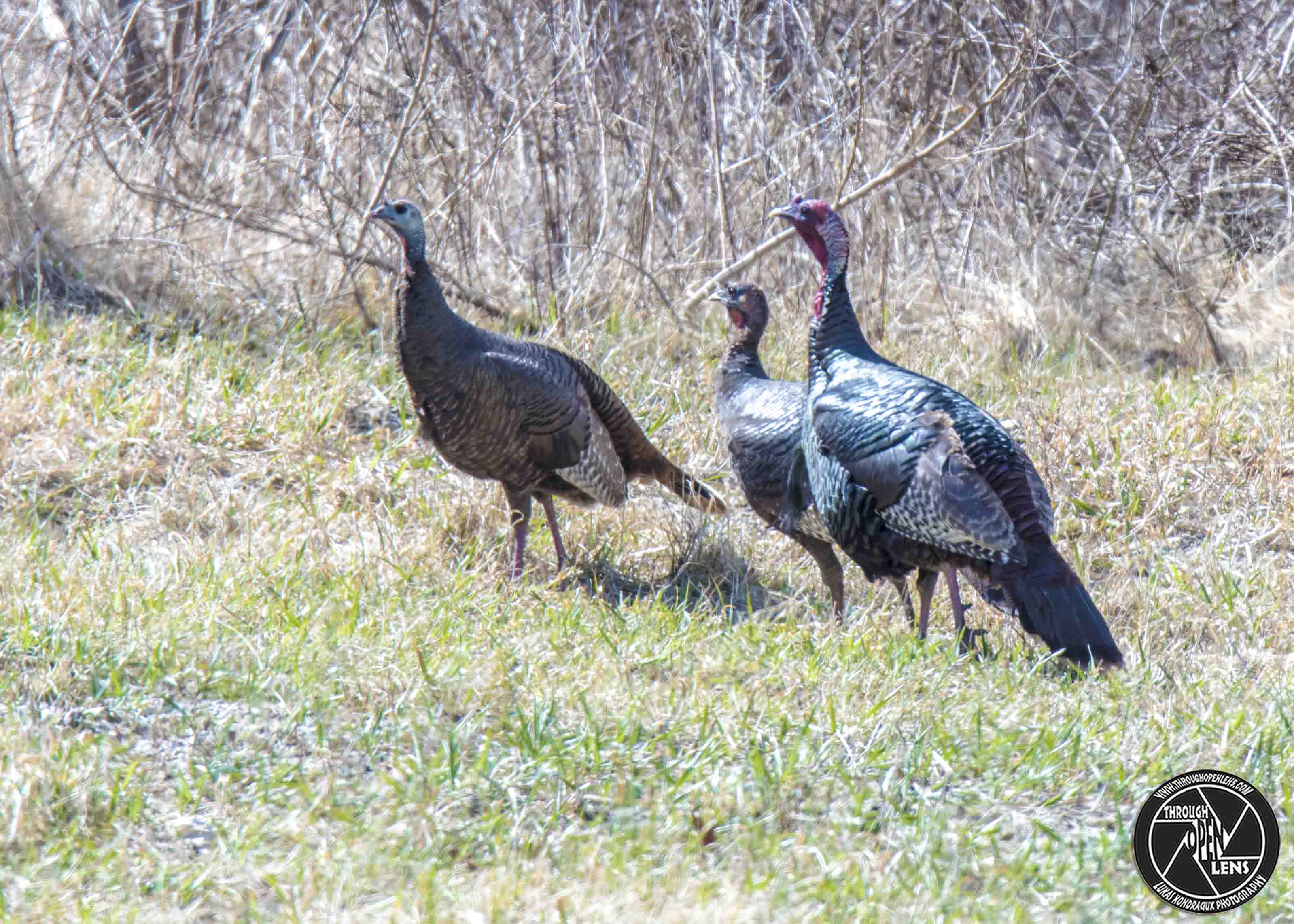
Wild Bunch!

F/9.0, 1/320, ISO 320.

Wild Turkeys

Why couldn’t the leopard play hide and seek?

Because he was always spotted.

Interesting Fact: The female scratches a shallow depression in the soil, about 1 inch deep, 8–11 inches wide, and 9–13 inches long. Wild Turkeys use only the dead leaves or other plant materials already present at the nest site. ( https://www.allaboutbirds.org/guide/Wild_Turkey/lifehistory )