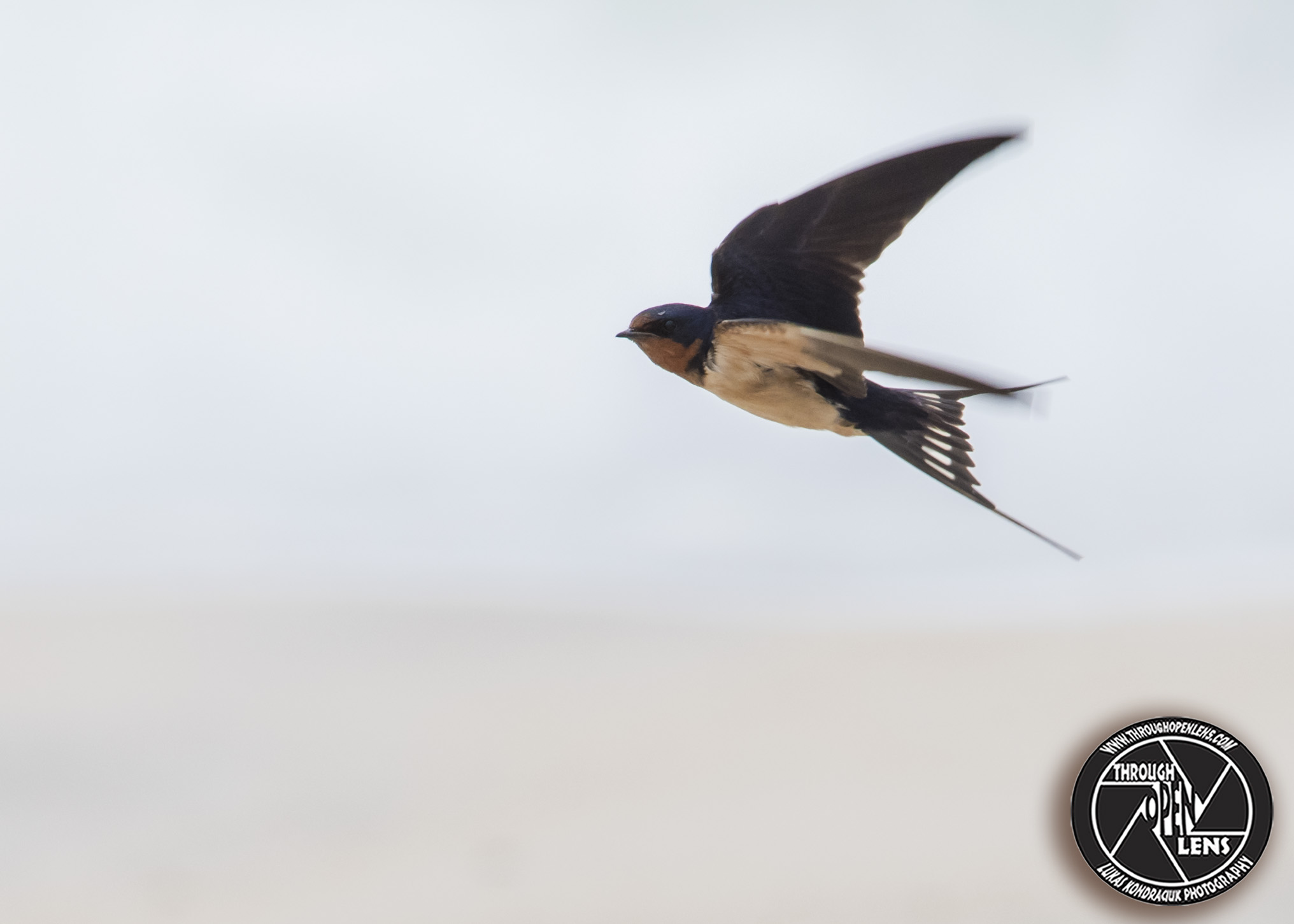
Up In The Air

F/13.0, 1/640, ISO 320.

Blue-gray Gnatcatcher

Why is the barn so noisy?

Because the cows have horns.

Interesting Fact: Occasionally, significant numbers of Blue-gray Gnatcatchers “overshoot” on their spring migrations and end up much further north than usual. They may be carried past their target by strong southwest winds in warm regions, and by strong northerly winds on the west side of high pressure systems. Most probably make their way back south before nesting.  ( https://www.allaboutbirds.org/guide/Blue-gray_Gnatcatcher/lifehistory )
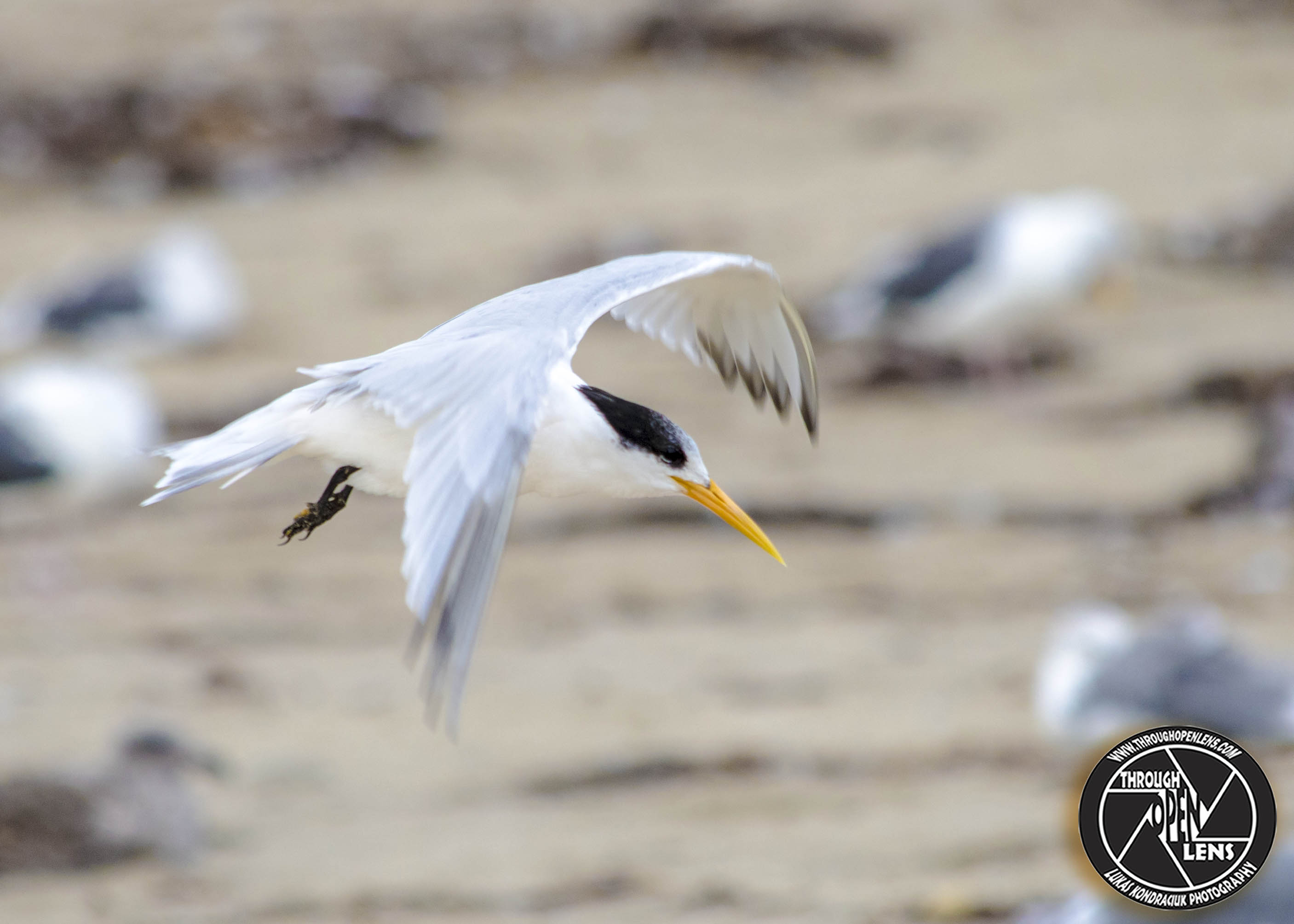
INCOMING!!!

F/5.6, 1/500, ISO 200.

Elegant Tern

What happened when a faucet, a tomato and lettuce were in a race?

The lettuce was ahead, the faucet was running and the tomato was trying to ketchup.

Interesting Fact: Approximately 90-97% of all Elegant Terns nest in one colony on Isla Rasa in the Gulf of California, Mexico. ( https://www.allaboutbirds.org/guide/Elegant_Tern/lifehistory )

This Is Really Hard To Swallow

F/13.0, 1/640, ISO 320.

Barn Swallow

Why did the computer break up with the internet?

There was no “Connection”.

Interesting Fact: Long-distance migrant. Barn Swallows fly from North American breeding grounds to wintering areas in Central and South America. Southbound fall migration may begin by late June in Florida or early July in Massachusetts. They return as early as late January in southern California to mid-May at Alaskan breeding sites. ( https://www.allaboutbirds.org/guide/Barn_Swallow/lifehistory )

I’m Super Fly!

F/13.0, 1/640, ISO 320.

Northern Harrier

What did one toilet roll say to the other toilet roll? 

“People keep on ripping me off!”

Interesting Fact: Male Northern Harriers can have as many as five mates at once, though most have only one or two. The male provides most of the food for his mates and their offspring, while the females incubate the eggs and brood the chicks. ( https://www.allaboutbirds.org/guide/Northern_Harrier/overview )


You Give Me The Chills!

F/10.0, 1/400, ISO 160.

Red-tailed Hawk

Two snakes are talking.

One of them turns to the other and asks, “Are we venomous?”

The other replays, “Yes,why?…”

“I just bit ma lip.”

Interesting Fact: Red-tailed Hawks typically put their nests in the crowns of tall trees where they have a commanding view of the landscape. They may also nest on a cliff ledge or on artificial structures such as window ledges and billboard platforms. ( https://www.allaboutbirds.org/guide/Red-tailed_Hawk/lifehistory

They Were Born To Fly And Touch The Sky

F/13.0, 1/640, ISO 400.

Semipalmated Sandpipers

What is a bunny’s favorite music?

Hip-hop.

Interesting Fact: The Semipalmated Sandpiper gets its common name from the short webs between its toes (“palmated” means webbed). The Western Sandpiper is the only other small sandpiper with similarly webbed toes. ( https://www.allaboutbirds.org/guide/Semipalmated_Sandpiper/lifehistory )

Great Ideas Need Landing Gear As Well As Wings.

F/9.0, 1/250, ISO 320.

Great Blue Heron

Why did the chicken disappoint his mother.

He wasn’t what he was cracked up to be!

Interesting Fact: Great Blue Herons eat nearly anything within striking distance, including fish, amphibians, reptiles, small mammals, insects, and other birds. They grab smaller prey in their strong mandibles or use their dagger-like bills to impale larger fish, often shaking them to break or relax the sharp spines before gulping them down. ( https://www.allaboutbirds.org/guide/Great_Blue_Heron/lifehistory )

Empty Nest? Celebrate it! You Are Now Free As A Bird!

F/8.0, 1/250, ISO 320.

Great Blue Heron

Why did the policeman smell bad?

He was on duty.

Interesting Fact: Great Blue Herons nest mainly in trees, but will also nest on the ground, on bushes, in mangroves, and on structures such as duck blinds, channel markers, or artificial nest platforms. Males arrive at the colony and settle on nest sites; from there, they court passing females. Colonies can consist of 500 or more individual nests, with multiple nests per tree built 100 or more feet off the ground. ( https://www.allaboutbirds.org/guide/Great_Blue_Heron/lifehistory )

That Hawkward Moment!

F/7.1, 1/200, ISO 400.

A pirate walks into a bar with a steering wheel on his pants, a peg leg and a parrot on his shoulder. The bartender says, “Hey, you’ve got a steering wheel on your pants.”

The pirate says, “Arrrr, I know. It’s driving me nuts.”

Interesting Fact: ed-tailed Hawks typically put their nests in the crowns of tall trees where they have a commanding view of the landscape. They may also nest on a cliff ledge or on artificial structures such as window ledges and billboard platforms. ( https://www.allaboutbirds.org/guide/Red-tailed_Hawk/lifehistory )

You Wanna Fly You Got To Give Up The Shit That Weighs You Down.

F/9.0, 1/320, ISO 640.

Double-crested Cormorant 

How does NASA organize a party?

They planet

Interesting Fact: The male chooses the nest site and then attracts a female. Nests can be on the ground, on rocks or reefs with no vegetation, or atop trees, which may be alive when a cormorant colony first forms but typically die after a few years from the guano build-up. Nests are built in the center of a colony first, then expand outward. ( https://www.allaboutbirds.org/guide/Double-crested_Cormorant/lifehistory )