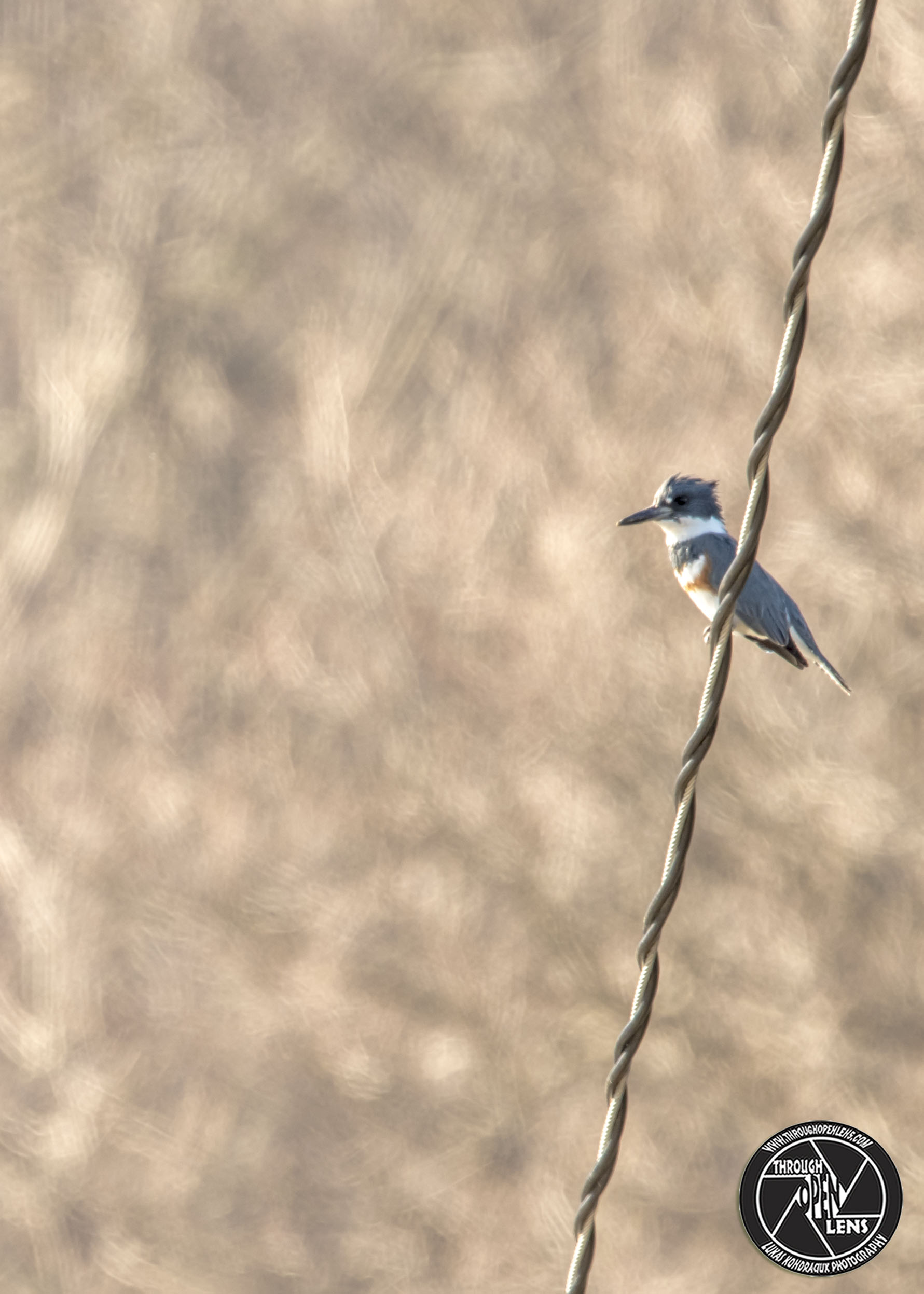
Don’t Rush Me I’m Waiting For The Last Minute!

F/7.1, 1/200, ISO 800.

Belted Kingfisher

Why can’t you write with a broken pencil?

Because it’s pointless.

Interesting Fact: During breeding season the Belted Kingfisher pair defends a territory against other kingfishers. A territory along a stream includes just the streambed and the vegetation along it, and averages 0.6 mile long. The nest burrow is usually in a dirt bank near water. The tunnel slopes upward from the entrance, perhaps to keep water from entering the nest. Tunnel length ranges from 1 to 8 feet. ( https://www.allaboutbirds.org/guide/Belted_Kingfisher )
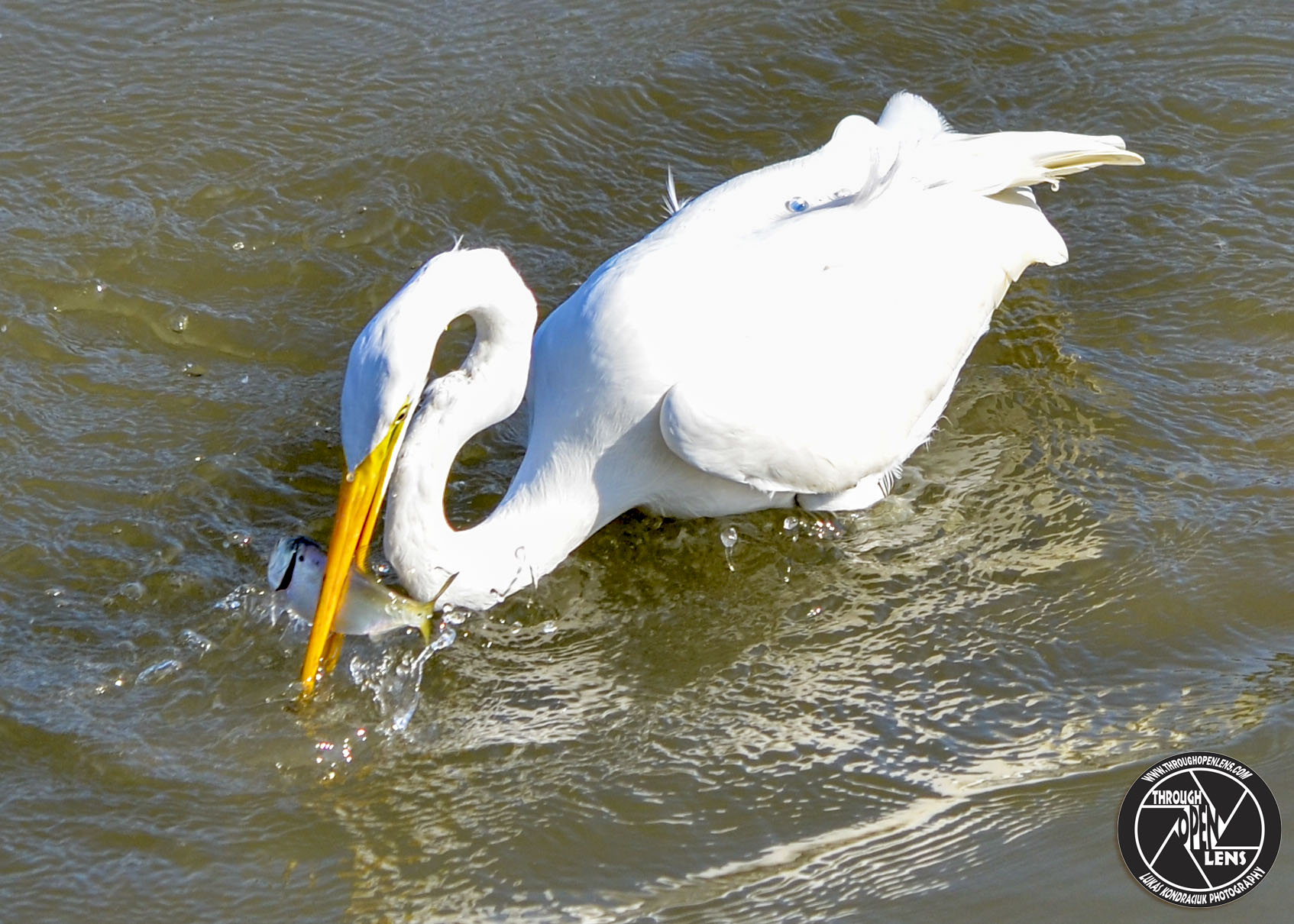


May The Fish Be With You!

F/6.3, 1/640, ISO 200.

Great Egret 

What did the ghost teacher say to her class?

Watch the board and I’ll go through it again.

Interesting Fact: Visit a pond or coastal marsh and look for an all-white bird—slightly smaller than a Great Blue Heron, with black legs and a yellow bill. It may be wading slowly or standing stock-still, peering intently at the water as it searches for fish. If you live outside of the species’ breeding range, you may still see Great Egrets in late summer as they move about widely before heading to their wintering grounds. ( https://www.allaboutbirds.org/guide/Great_Egret )


Gone Fishing!

F/11.0, 1/500, ISO 125.

Osprey

What did the fish say when he posted bail?

“I’m off the hook!”

Interesting Fact:  The Osprey is the only hawk on the continent that eats almost exclusively live fish. In North America, more than 80 species of live fresh- and saltwater fish account for 99 percent of the Osprey’s diet. Captured fish usually measure about 6–13 inches in length and weigh one-third to two-thirds of a pound. The largest catch on record weighed about 2.5 pounds.  (  https://www.allaboutbirds.org/guide/Osprey/lifehistory )

They Don’t Call Me King For Nothing

F/7.1, 1/200, ISO 200.

Belted Kingfisher

What is a baby’s motto?

If at first you don’t succeed cry cry again!

Interesting Fact: The breeding distribution of the Belted Kingfisher is limited in some areas by the availability of suitable nesting sites. Human activity, such as road building and digging gravel pits, has created banks where kingfishers can nest and allowed the expansion of the breeding range. ( https://www.allaboutbirds.org/guide/Belted_Kingfisher/lifehistory )

Fish Out Of The Water!

F/10.0, 1/400, ISO 250.

Common Terns

How do birds fly?

They just wing it!

Interesting Fact: Common Terns nest in colonies on the ground in areas with loose sand, gravel, shell, or cobble pebbles typically less than 350 feet from the water. They tend to choose areas with scattered, low-growing vegetation to provide cover for chicks.  ( https://www.allaboutbirds.org/guide/Common_Tern/lifehistory )

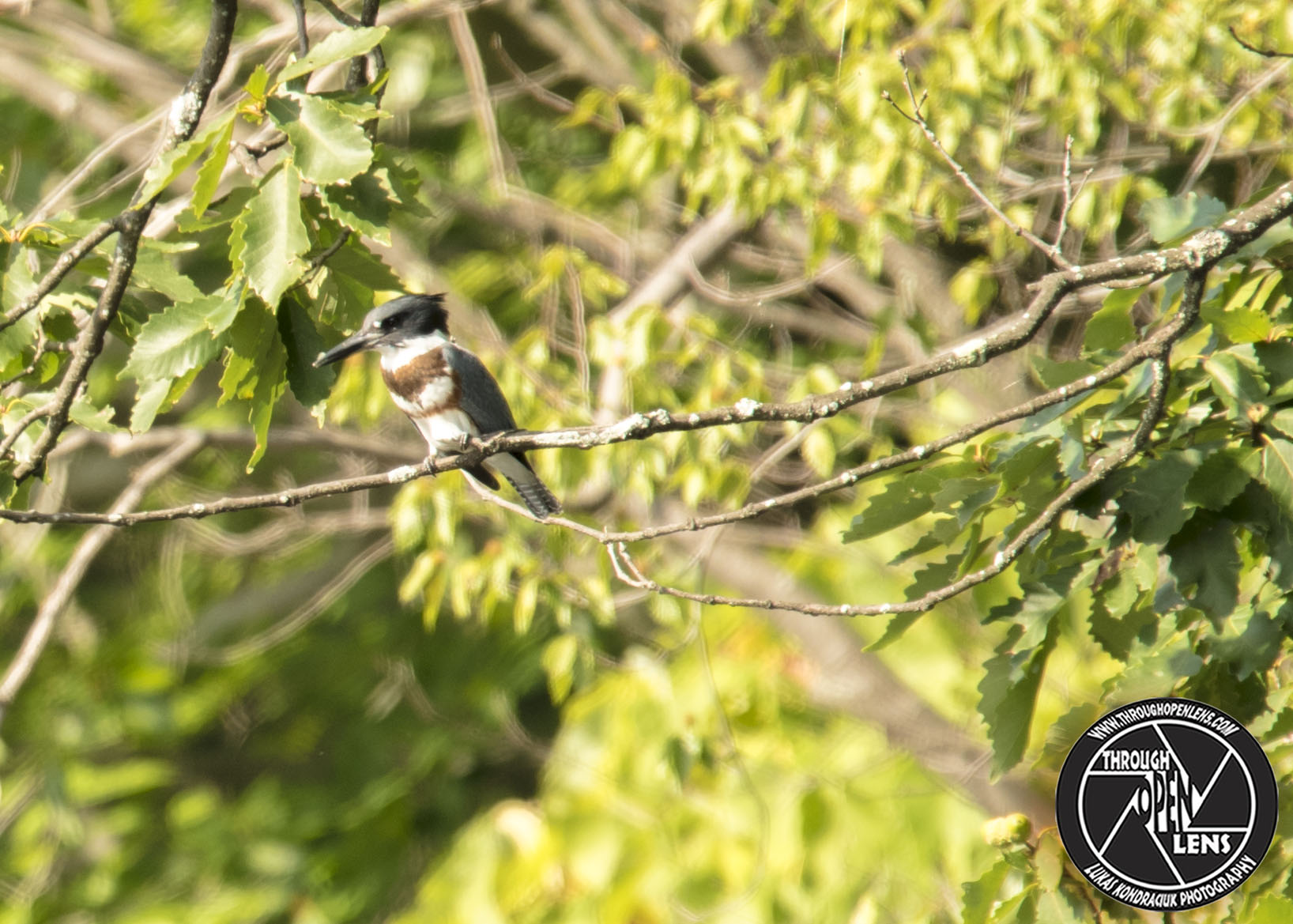
It’s Good To Be The King

F/7.1, 1/200, ISO 250.

Belted Kingfisher

What do you call a pig that does karate?

A pork chop.

Interesting Fact: Belted Kingfishers excavate burrows in earthen banks, usually avoiding ones with vegetation (especially trees, whose roots get in the way of digging). They generally choose a bank near water, but may use a ditch, road cut, landfill, sand pit, or gravel pit far from water. A pair may select a nest site during courtship, usually high in the bank where floodwaters are unlikely to reach. The male probes the bank with his bill, flying back and forth to the female, who calls continuously from a nearby perch. ( https://www.allaboutbirds.org/guide/Belted_Kingfisher/lifehistory )

If You Talking About My Neck, I’m Not Responsible For What Happens Next…

F/9.0, 1/320, ISO 160.

Great Egret 

Why are pirates so mean?

I don’t know, they just arrrrrrrrr!

Interesting Fact: Males choose the display areas, where nests are later constructed. The nest itself is up to 100 feet off the ground, often over water, usually in or near the top of a shrub or tree such as a redwood, tamarisk, live oak, eastern redcedar, yaupon holly, wax myrtle, mangrove, Australian pine, buttonwood, Brazilian pepper, black willow, or privet. Great Egrets occasionally nest on the ground or on artificial platforms. ( https://www.allaboutbirds.org/guide/Great_Egret/lifehistory )

Bird Power!

F/6.3, 1/125, ISO 250.

Belted Kingfisher

Why do fish live in salt water?

Because pepper makes them sneeze!

Interesting Fact: The Belted Kingfisher is one of the few bird species in which the female is more brightly colored than the male. Among the nearly 100 species of kingfishers, the sexes often look alike. In some species the male is more colorful, and in others the female is. ( https://www.allaboutbirds.org/guide/Belted_Kingfisher )
Good Things Come To Those Who Bait.

F/11.0, 1/500, ISO 125.

Osprey

In class:

Math Teacher: “If I have 5 bottles in one hand and 6 in the other hand, what do I have?”

Student: “A drinking problem.”

Interesting Fact: Osprey eggs do not hatch all at once. Rather, the first chick emerges up to five days before the last one. The older hatchling dominates its younger siblings, and can monopolize the food brought by the parents. If food is abundant, chicks share meals in relative harmony; in times of scarcity, younger ones may starve to death. ( https://www.allaboutbirds.org/guide/Osprey )

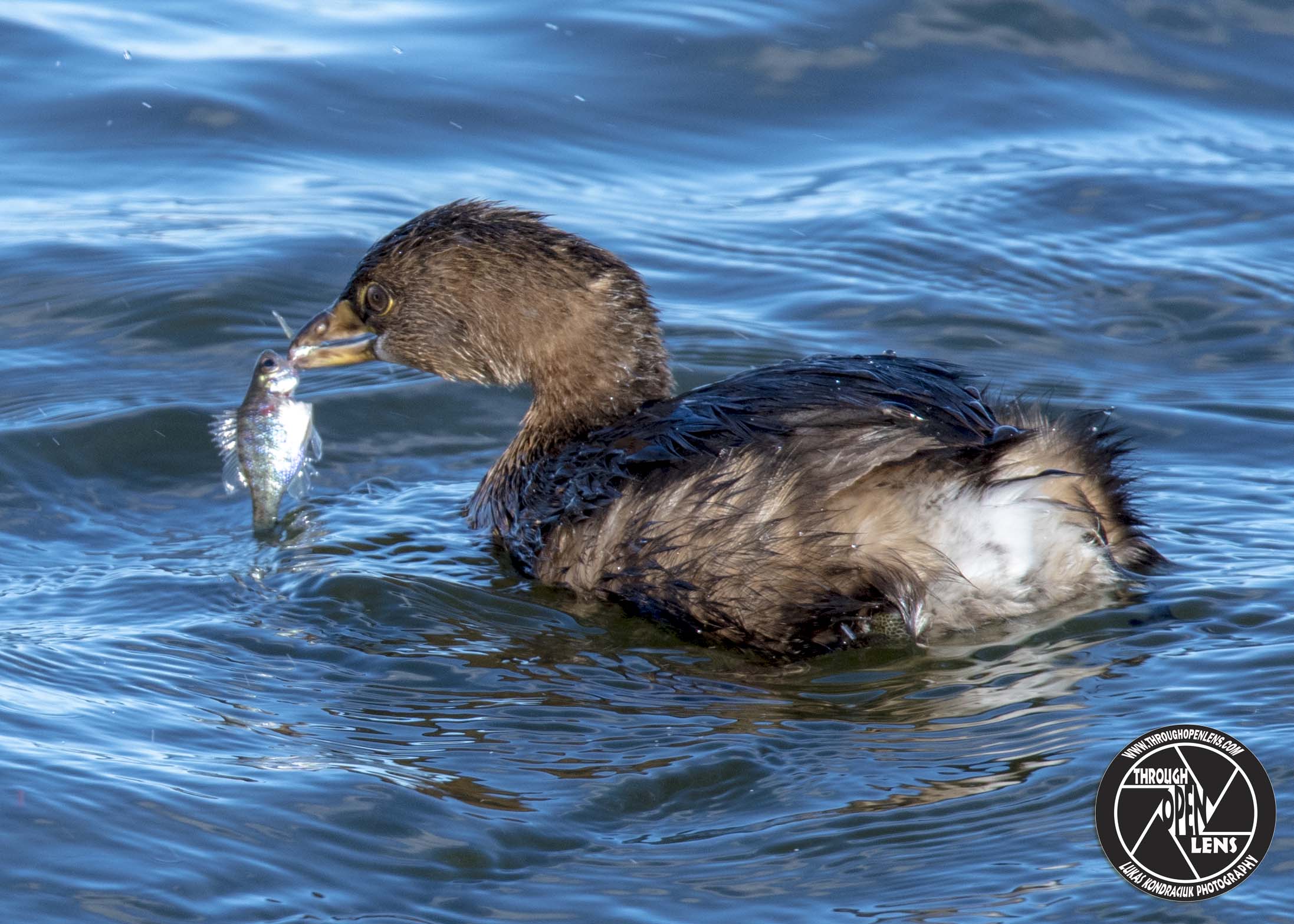
If You Keep Chasing Your Dreams, One Day You’ll Catch Them.

F/10.0, 1/400, ISO 320. 

Pied-Billed Grebe

What happened to the car with an engine made of wood?

It wooden go.

Interesting Fact: The Latin genus name for “grebe” means “feet at the buttocks”—an apt descriptor for these birds, whose feet are indeed located near their rear ends. This body plan, a common feature of many diving birds, helps grebes propel themselves through water. Lobed (not webbed) toes further assist with swimming. Pied-billed Grebes pay for their aquatic prowess on land, where they walk awkwardly. ( Pied-billed Grebe Overview, All About Birds, Cornell Lab of Ornithology )