Keep On Knockin!

F/8.0, 1/800, ISO 800.

Red-Bellied Woodpecker 

What did one traffic light say to the other?

Don’t look at me while I’m changing!

Interesting Fact: These birds often stick to main branches and trunks of trees, where they hitch in classic woodpecker fashion, leaning away from the trunk and onto their stiff tail feathers as they search for food hiding in bark crevices. ( https://www.allaboutbirds.org/guide/Red-bellied_Woodpecker/lifehistory )



Branch Manager

yellow-rumped-warbler

F/9.0, 1/320, ISO 500.

Yellow-Rumped Warbler

What did the tree do when the bank closed?

It started its own branch.

Interesting Fact: Male Yellow-rumped Warblers tend to forage higher in trees than females do. ( https://www.allaboutbirds.org/guide/Yellow-rumped_Warbler/lifehistory )


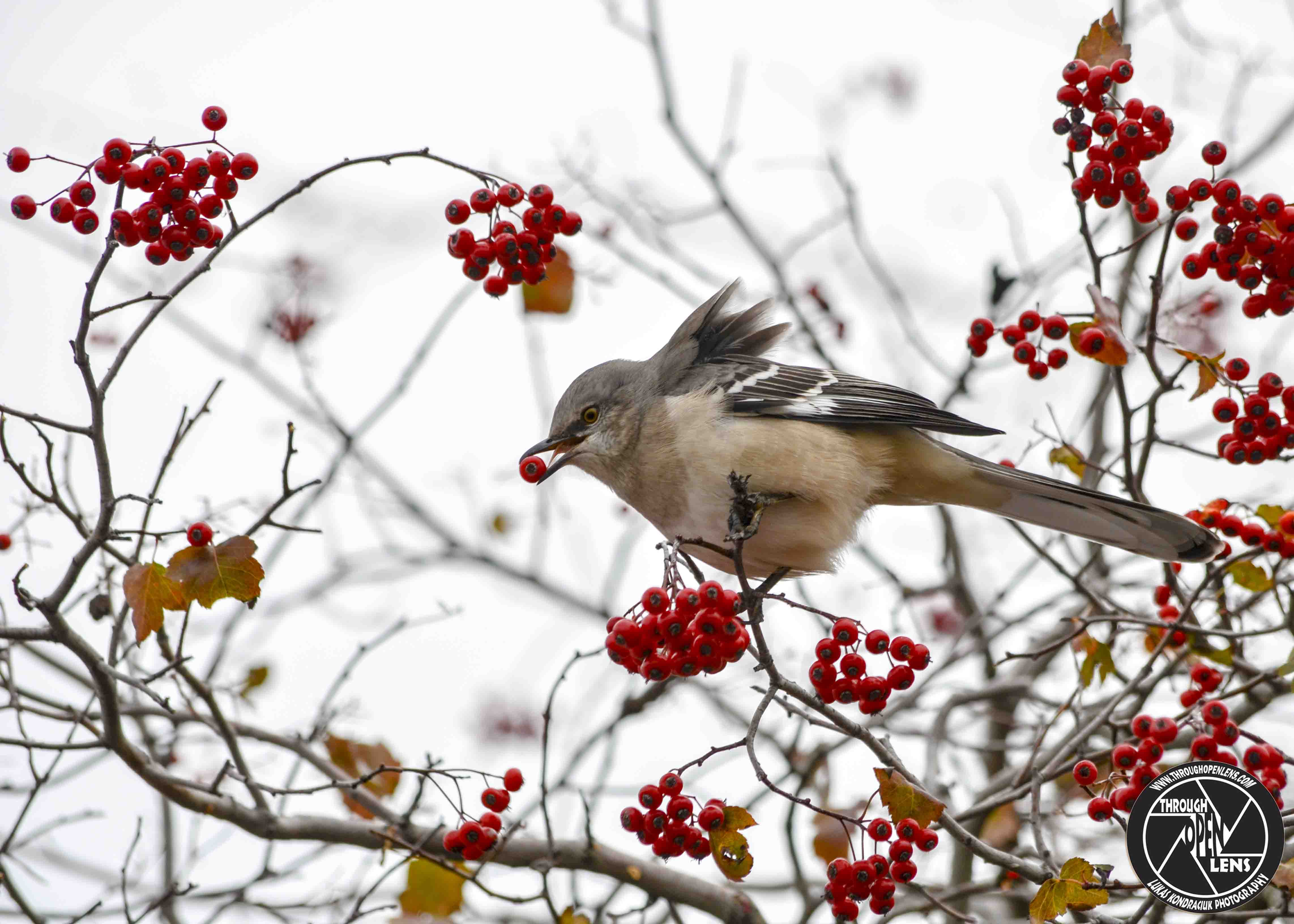
Hush, little baby, don’t say a word, Mama’s gonna buy you a mockingbird

F/7.1, 1/800, ISO 200.

Northern Mockingbird

Why shouldn’t you fart in an Apple Store?

They don’t have Windows.

Interesting Fact: Northern mockingbirds tend to imitate other birds and sounds they hear.  This bird is very territorial and will not hesitate to attack intruders.  ( https://americanexpedition.us/northern-mockingbird-facts-photos-and-information )

I’m So Tired All The Time… I’ve Got Too Many Feeders On My Plate.

annas-hummingbird

F/5.6, 1/80, ISO 200.

Anna’s Hummingbird

Why did the computer break up with the internet?

There was no “Connection”.

Interesting Fact:  The dive display of the Anna’s Hummingbird lasts about 12 seconds, and the male may fly to a height of 40 m (131 feet) during the display. He starts by hovering two to four meters (6-13 feet) in front of the display object (hummingbird or person), and then climbs in a wavering fashion straight up. He plummets in a near-vertical dive from the top of the climb and ends with an explosive squeak within half a meter of the display object. He then makes a circular arc back to the point where he began. On sunny days the dives are oriented so that the sun is reflected from the iridescent throat and crown directly at the object of the dive. ( https://www.allaboutbirds.org/guide/Annas_Hummingbird/lifehistory )

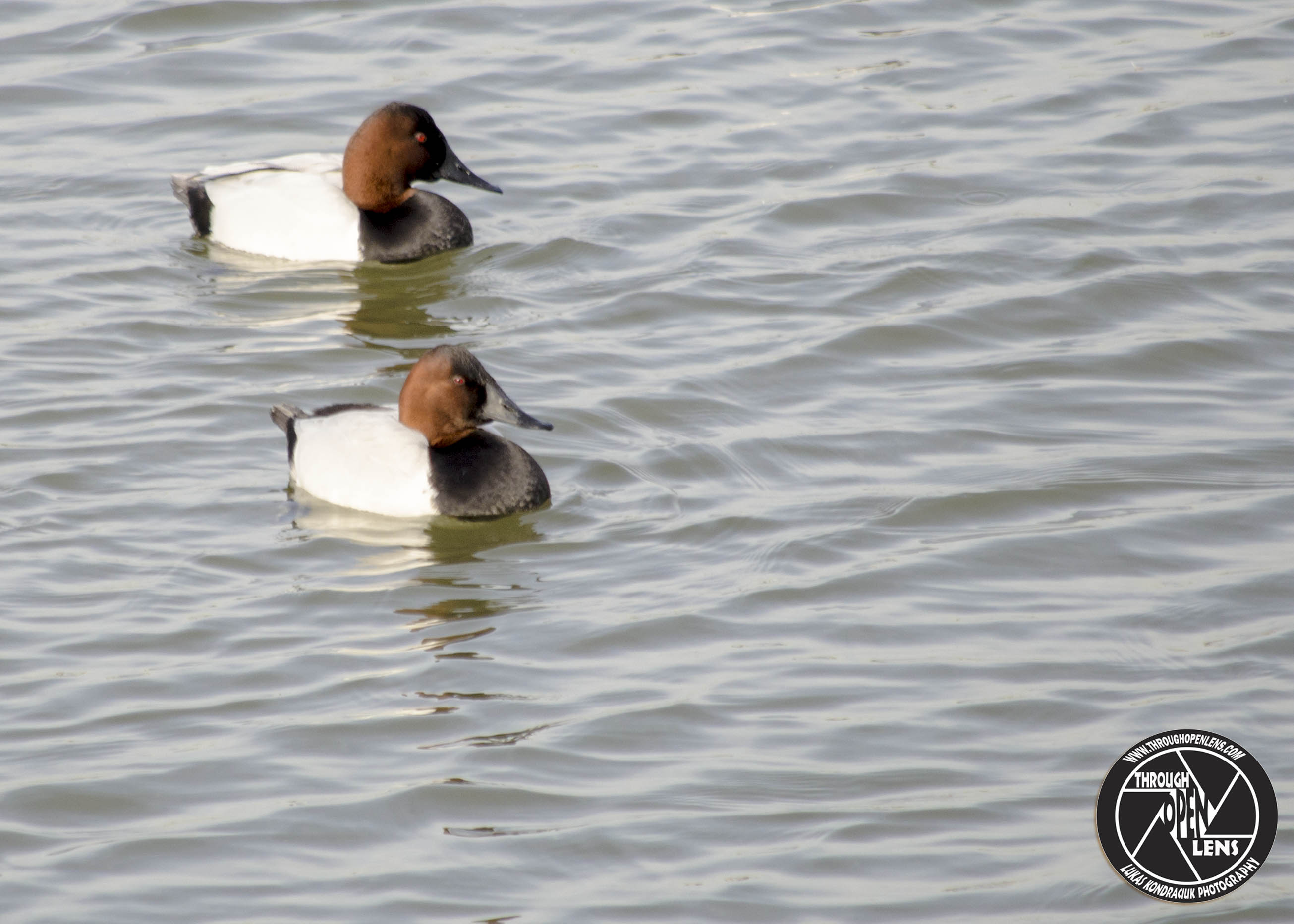
They Call Us The Brown Bombers!

F/6.3, 1/640, ISO 240.

Canvasback

How does NASA organize a birthday party?

They planet!

Interesting Fact: Canvasbacks are diving ducks at home in the water, seldom going ashore to dry land. They sleep on the water with their bill tucked under the wing, and they nest on floating mats of vegetation. To get airborne Canvasbacks need a running start, but once in the air they are strong and fast fliers, clocking airspeeds of up to 56 miles per hour. ( https://www.allaboutbirds.org/guide/Canvasback/lifehistory )


That’s Despicable!

F/10.0, 1/1600, ISO 800.

Canada Goose 

How do we know that insects are so clever?

Because they always know when your eating outside!

Interesting Fact: They mate for life with very low “divorce rates,” and pairs remain together throughout the year. Geese mate “assortatively,” larger birds choosing larger mates and smaller ones choosing smaller mates; in a given pair, the male is usually larger than the female. ( https://www.allaboutbirds.org/guide/Canada_Goose/lifehistory )


We Are Family!

F/8.0, 1/2500, ISO 800.

Common Merganser

What do you call a snowman in the summer?

Puddle

Interesting Fact: Common Mergansers spend much of their time afloat, loafing, fishing, and often sleeping on open water. They may form flocks of up to 75 individuals. They often swim in small groups along the shoreline, dipping their heads underwater to search for prey and then diving with a slight leap. Often when one bird dives in a large group, the others follow the leader and disappear. They can stay under for up to 2 minutes, but they normally dive for less than 30 seconds. ( https://www.allaboutbirds.org/guide/Common_Merganser/lifehistory )


Don’t Play Dead With A Vulture. That’s Exactly What They Want.

turkey-vulture

F/6.3, 1/160, ISO 100.

Turkey Vulture

As migration approached, two elderly vultures doubted they could make the trip south, so they decided to go by airplane.

When they checked their baggage, the attendant noticed that they were carrying two dead raccoons. “Do you wish to check the raccoons through as luggage?” she asked.

“No, thanks,” replied the vultures. “They’re carrion.”

Interesting Fact: Turkey Vultures, like other carrion birds, are protected from disease associated with decaying animals by a very sophisticated immune system. ( http://identify.whatbird.com/mwg/_/0/identify.whatbird.com/obj/117/overview/Turkey_Vulture.aspx )

Keep On Duckin!

F/6.3, 1/640, ISO 200.

Hooded Mergansers

How do you get a frog off the back window of your car?

Use the rear defrogger.

Interesting Fact: Hooded Mergansers are usually in pairs or small groups of up to 40 birds. They court in groups of one or more females and several males. The males raise their crests, expanding the white patch, often while shaking their heads. Their most elaborate display is head-throwing, in which they jerk their heads backwards to touch their backs, with crests raised, while giving a froglike croak. Females court by bobbing their heads and giving a hoarse gack.  ( https://www.allaboutbirds.org/guide/Hooded_Merganser/lifehistory )

Well…This Is Hawkward

red-tailed-hawk-hawkward

F/13.0, 1/640, ISO 320.

Red-tailed Hawk 

Where do animals go when their tails fall off?

The retail store!

Interesting Fact: The Red-tailed Hawk has a thrilling, raspy scream that sounds exactly like a raptor should sound. At least, that’s what Hollywood directors seem to think. Whenever a hawk or eagle appears onscreen, no matter what species, the shrill cry on the soundtrack is almost always a Red-tailed Hawk. ( https://www.allaboutbirds.org/guide/Red-tailed_Hawk/lifehistory )