Up In The Air

F/13.0, 1/640, ISO 320.

Blue-gray Gnatcatcher

Why is the barn so noisy?

Because the cows have horns.

Interesting Fact: Occasionally, significant numbers of Blue-gray Gnatcatchers “overshoot” on their spring migrations and end up much further north than usual. They may be carried past their target by strong southwest winds in warm regions, and by strong northerly winds on the west side of high pressure systems. Most probably make their way back south before nesting.  ( https://www.allaboutbirds.org/guide/Blue-gray_Gnatcatcher/lifehistory )

The Grass Is Greener Where You Water It!

F/6.3, 1/100, ISO 400.

White-throated Sparrow

What did the tie say to the hat?

You go on ahead and I’ll hang around!

Interesting Fact: White-throated Sparrows hop when they’re on the ground rather than walking or running. They forage in the leaf litter, often using both feet at once to scratch backwards, then pounce forward at anything they’ve uncovered. They also toss leaves aside with flicks of the head.  ( https://www.allaboutbirds.org/guide/White-throated_Sparrow/lifehistory )

Goose On The Loose!

F/7.1, 1/200, ISO 400.

Domestic Goose in Wild

What did the tooth brush want to become when he grew older?

A broom.

Interesting Fact: The domestication, as Charles Darwin remarks (The Variation of Animals and Plants under Domestication i. 287), is of very ancient date, with archaeological evidence for domesticated geese in Egypt more than 4,000 years ago.[2] They are much larger, and they have been selected for that larger size, with domesticated breeds weighing up to 10 kilograms (22 lb),[2] compared to the maximum of 3.5 kilograms (7.7 lb) for the wild swan goose and 4.1 kilograms (9.0 lb) for the wild greylag goose.[3] This affects their body structure; whereas wild geese have a horizontal posture and slim rear end, domesticated geese lay down large fat deposits toward the tail end, giving a fat rear and forcing the bird into a more upright posture. Although their heavy weight affects their ability to fly, most breeds of domestic geese are capable of flight. ( https://en.m.wikipedia.org/wiki/Domestic_goose )

It Is Hard To Fly When Something Is Weighing You Down


F/9.0, 1/320, ISO 200.

Great Egret 

What did the banana say to the doctor?

I’m not peeling well.

Interesting Fact: The Great Egret walks with its neck extended and its wings held close to its body. In flight, it is graceful and buoyant, with its neck tucked back against its shoulders and its legs trailing behind. ( https://www.allaboutbirds.org/guide/Great_Egret/lifehistory )

Don’t Bother Me I Am Guarding This Bush!

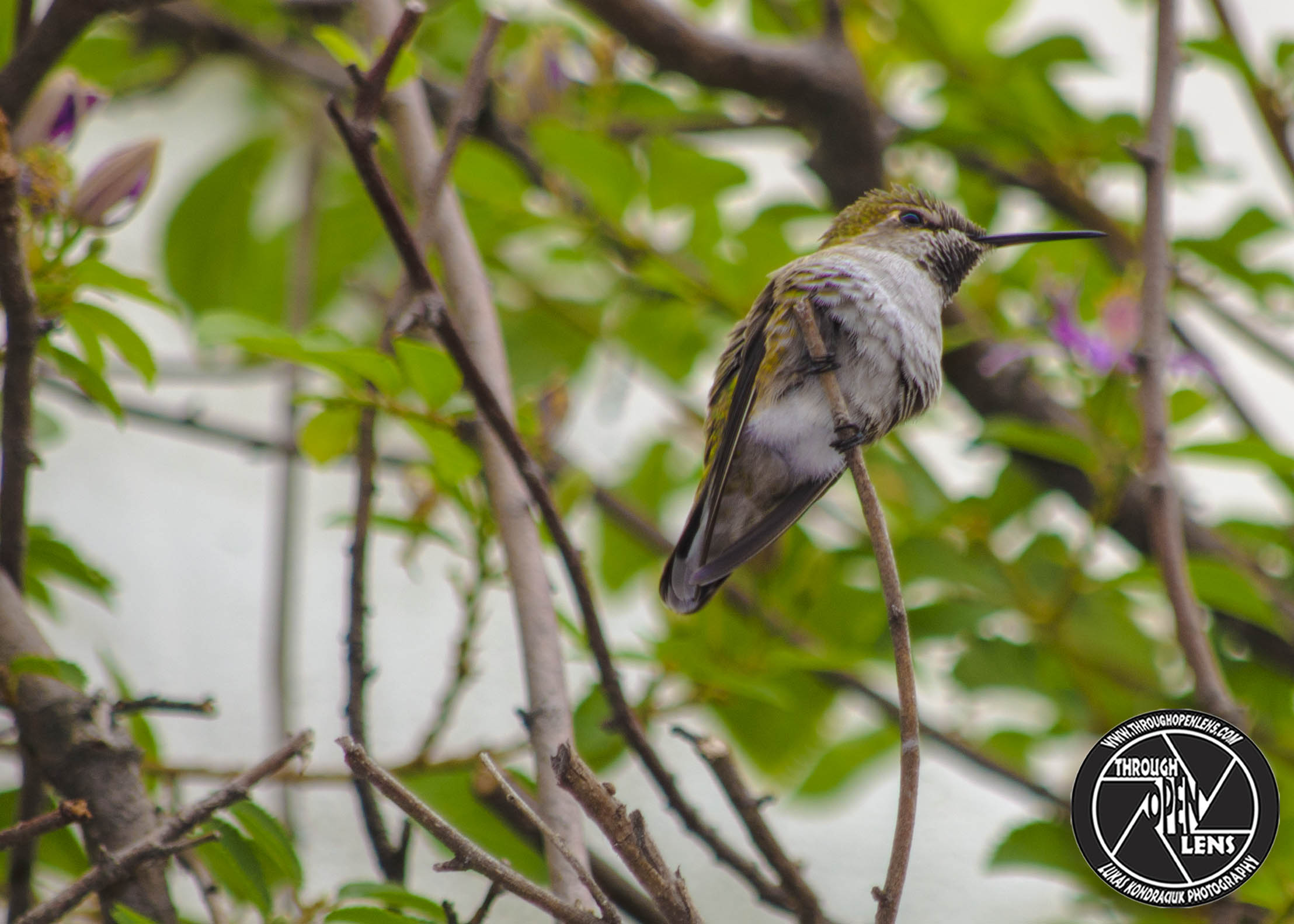
F/6.3, 1/125, ISO 100.

Rufous Hummingbird

Why did they have to bury George Washington standing up?

Because he could never lie.

Interesting Fact: Rufous Hummingbirds, like most other hummingbirds, beat their wings extremely fast to be able to hover in place. The wingbeat frequency of Rufous Hummingbirds has been recorded at 52–62 wingbeats per second. ( https://www.allaboutbirds.org/guide/Rufous_Hummingbird/lifehistory )


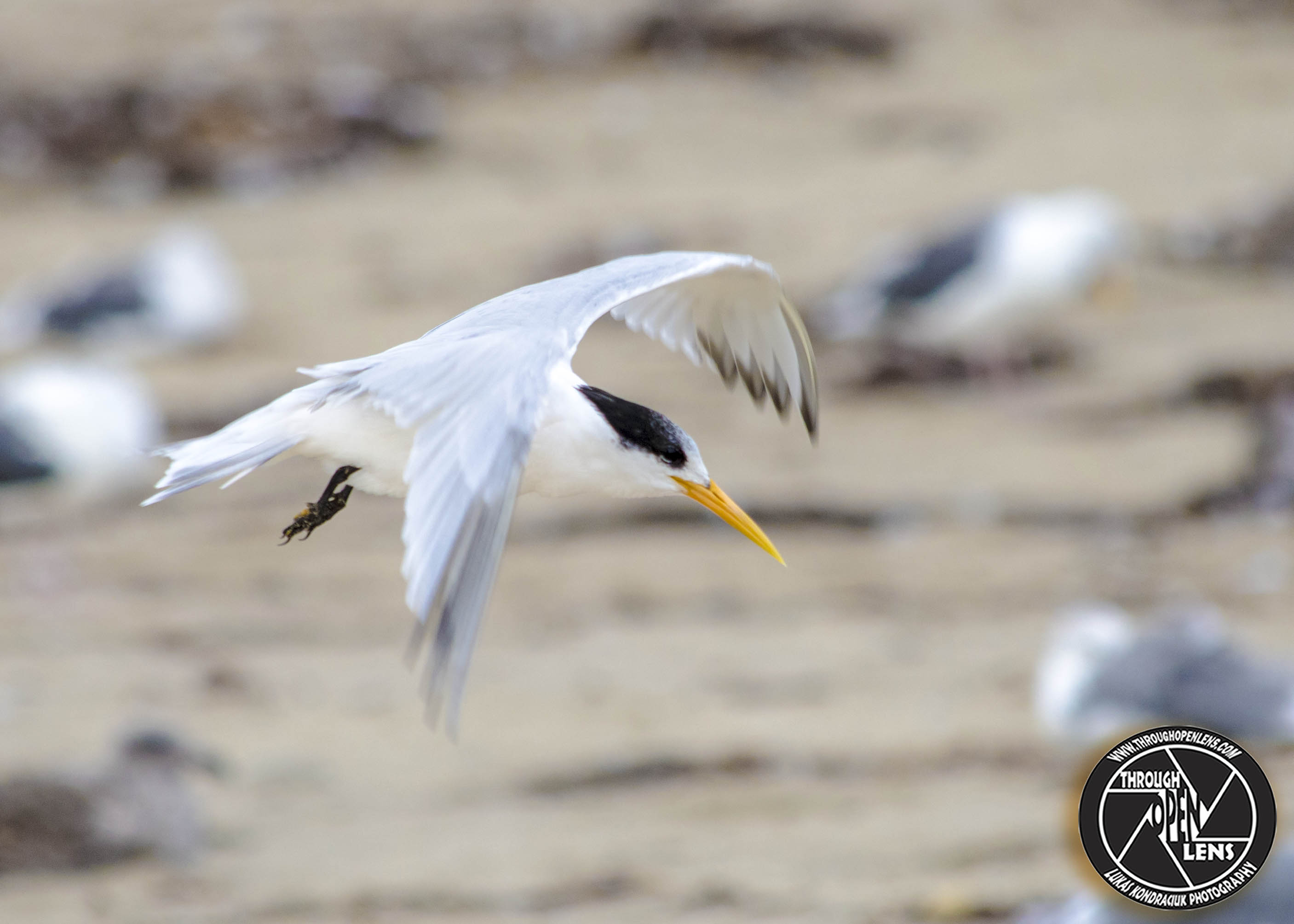
INCOMING!!!

F/5.6, 1/500, ISO 200.

Elegant Tern

What happened when a faucet, a tomato and lettuce were in a race?

The lettuce was ahead, the faucet was running and the tomato was trying to ketchup.

Interesting Fact: Approximately 90-97% of all Elegant Terns nest in one colony on Isla Rasa in the Gulf of California, Mexico. ( https://www.allaboutbirds.org/guide/Elegant_Tern/lifehistory )

Quit Staring AT Me!

F/6.3, 1/80, ISO 500.

Common Gallinule

What do u call a police officer that works in bed?

A undercover cop.

Interesting Fact: Males and females construct a wide bowl of grasses and sedges. Males tend to collect most of the nesting material while females arrange and anchor it to emergent vegetation near the water’s edge. Common Gallinule nests are around 10–12 inches wide.  ( https://www.allaboutbirds.org/guide/Common_Gallinule/lifehistory )

You Like My Legs?

F/7.1, 1/200, ISO 250.

Greater Yellowlegs

A bear walks into a bar. He says, “I’ll have a gin… … … … … … … and tonic.”

The bartender says, “Sure, but what about the big pause?”

The bear says, “I was born with them.”

Interesting Fact: A common, tall, long-legged shorebird of freshwater ponds and tidal marshes, the Greater Yellowlegs frequently announces its presence by its piercing alarm calls. ( https://www.allaboutbirds.org/guide/Greater_Yellowlegs/lifehistory )

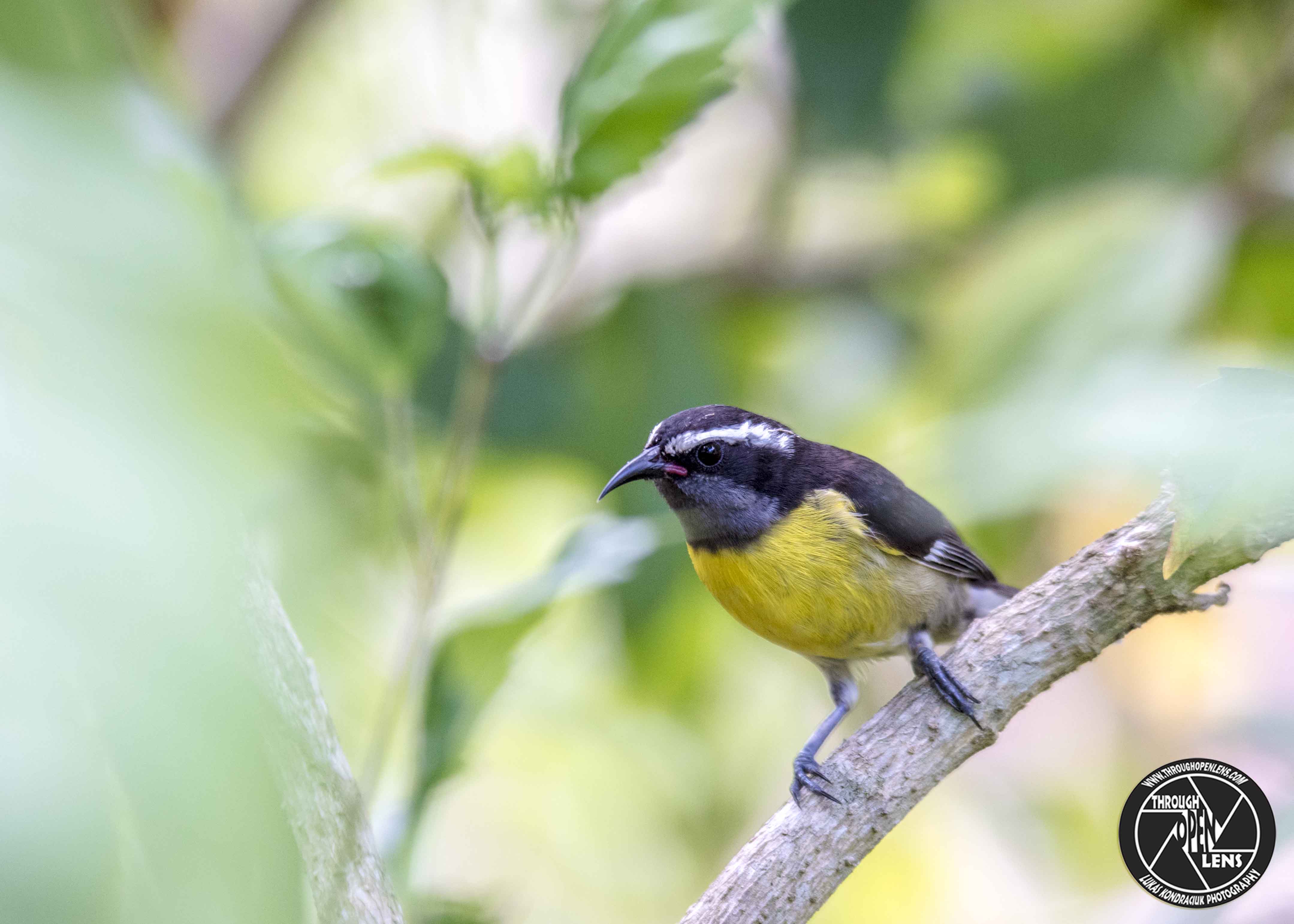
Wait! STOP Scrolling! I Just Wanted To Say Hello!

F/5.6, 1/100, ISO 640.

Bananaquit

What does a baby computer call its dad?

Data

Interesting Fact: Its nickname, the sugar bird, comes from its affinity for bowls or bird feeders stocked with granular sugar, a common method of attracting these birds in the USVI. ( http://identify.whatbird.com/obj/1014/overview/Bananaquit.aspx )

Don’t You Think We Should Go Wireless?!

F/11.0, 1/500, ISO 250.

Barn Swallow

Husband and Wife are having a conversation.

Wife: How many women have u slept with?

Husband: Only you darling, I was awake with the other women.

Interesting Fact: The Barn Swallow is the most abundant and widely distributed swallow species in the world. It breeds throughout the Northern Hemisphere and winters in much of the Southern Hemisphere. ( https://www.allaboutbirds.org/guide/Barn_Swallow/lifehistory )