Don’t Drink And Fly!

F/7.1, 1/200, ISO 320.

Bumblebee

Why Did The Bee Go To The Doctor?

It Had Hives!

Interesting Fact:  Only queen and worker bees have stingers. Besides lack of stingers, drones can be identified by size – they are the smallest type of bumblebees in the colony. ( http://www.softschools.com/facts/animals/bumblebee_facts/582/ )

If You Want A Pet Bee, You Must Be Called A Wanna-Bee.

F/6.3, 1/100, ISO 250.

Bumblebee

What do you call a wasp?

A wanna-bee!

Interesting Fact: Bumblebees use sense of smell to detect flowers rich in nectar. Sense of smell is located on the antennas on the head. ( http://www.softschools.com/facts/animals/bumblebee_facts/582/ )
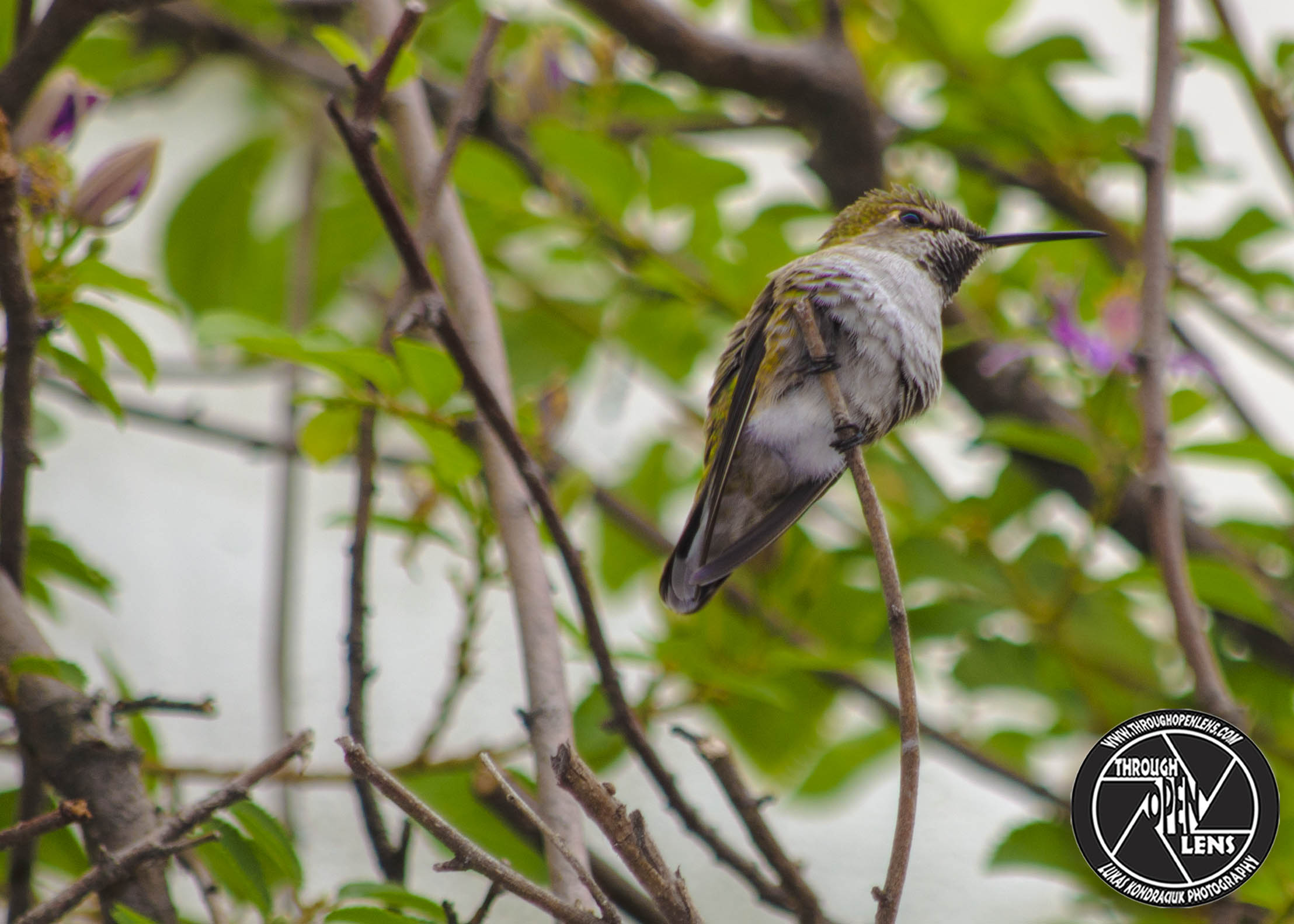
Don’t Bother Me I Am Guarding This Bush!

F/6.3, 1/125, ISO 100.

Rufous Hummingbird

Why did they have to bury George Washington standing up?

Because he could never lie.

Interesting Fact: Rufous Hummingbirds, like most other hummingbirds, beat their wings extremely fast to be able to hover in place. The wingbeat frequency of Rufous Hummingbirds has been recorded at 52–62 wingbeats per second. ( https://www.allaboutbirds.org/guide/Rufous_Hummingbird/lifehistory )


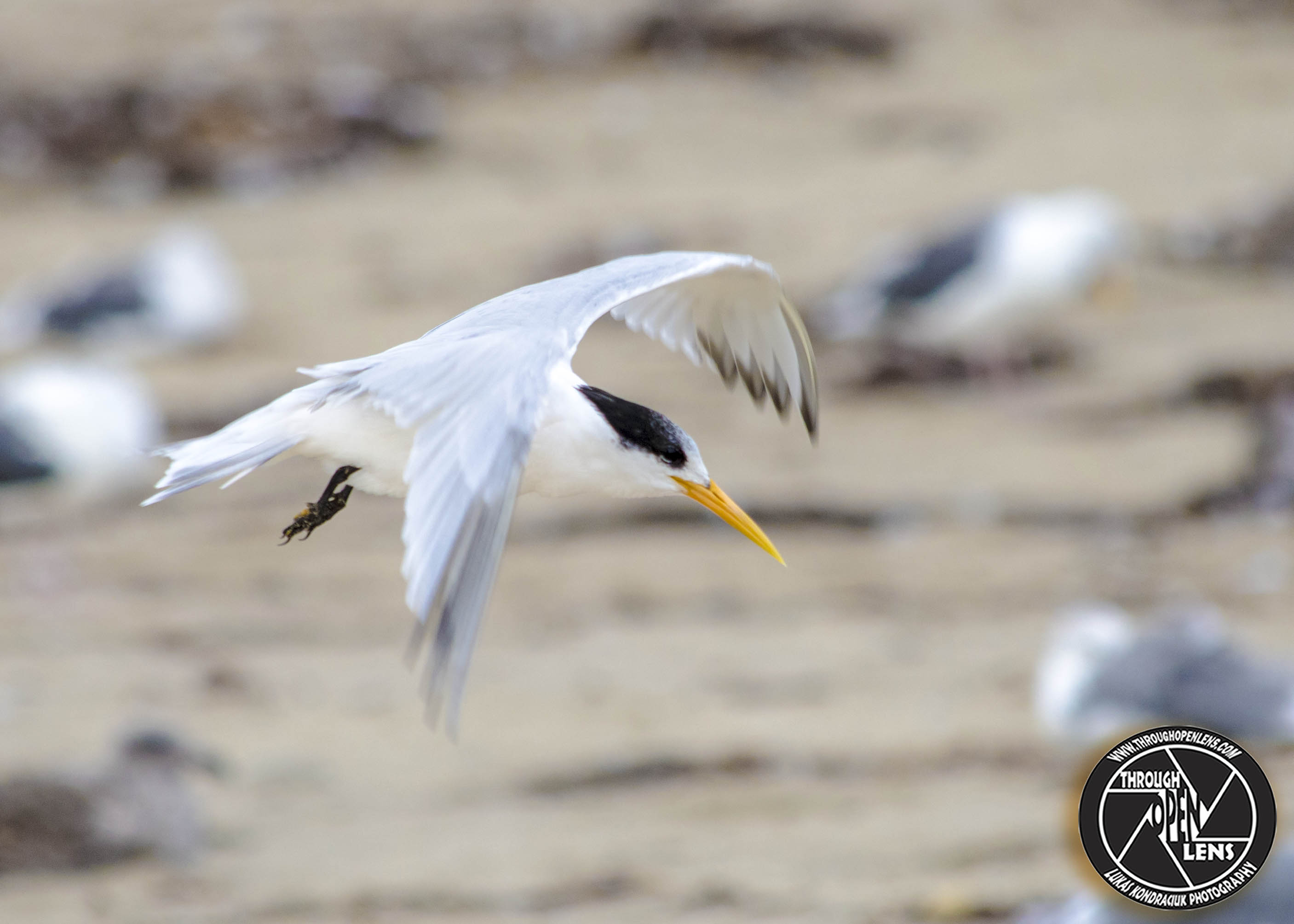
INCOMING!!!

F/5.6, 1/500, ISO 200.

Elegant Tern

What happened when a faucet, a tomato and lettuce were in a race?

The lettuce was ahead, the faucet was running and the tomato was trying to ketchup.

Interesting Fact: Approximately 90-97% of all Elegant Terns nest in one colony on Isla Rasa in the Gulf of California, Mexico. ( https://www.allaboutbirds.org/guide/Elegant_Tern/lifehistory )

You Like My Legs?

F/7.1, 1/200, ISO 250.

Greater Yellowlegs

A bear walks into a bar. He says, “I’ll have a gin… … … … … … … and tonic.”

The bartender says, “Sure, but what about the big pause?”

The bear says, “I was born with them.”

Interesting Fact: A common, tall, long-legged shorebird of freshwater ponds and tidal marshes, the Greater Yellowlegs frequently announces its presence by its piercing alarm calls. ( https://www.allaboutbirds.org/guide/Greater_Yellowlegs/lifehistory )

What Does The Fox Say?

F/6.0, 1/30, ISO 400.

Red Fox

What do you call a fox with a carrot in each ear?

Anything you want as he can’t hear you!

Interesting Fact: Red foxes are solitary hunters who feed on rodents, rabbits, birds, and other small game—but their diet can be as flexible as their home habitat. Foxes will eat fruit and vegetables, fish, frogs, and even worms. If living among humans, foxes will opportunistically dine on garbage and pet food. ( http://www.nationalgeographic.com/animals/mammals/r/red-fox/ )

Don’t You Think We Should Go Wireless?!

F/11.0, 1/500, ISO 250.

Barn Swallow

Husband and Wife are having a conversation.

Wife: How many women have u slept with?

Husband: Only you darling, I was awake with the other women.

Interesting Fact: The Barn Swallow is the most abundant and widely distributed swallow species in the world. It breeds throughout the Northern Hemisphere and winters in much of the Southern Hemisphere. ( https://www.allaboutbirds.org/guide/Barn_Swallow/lifehistory )


Little Duckies Need Some Snackies

F/5.6, 1/160, ISO 100.

Mallard Female with Ducklings

Who earns a living driving their customers away?

A taxi driver.

Interesting Fact:  The female forms a shallow depression or bowl on the ground in moist earth. She does not carry material to the nest but rather pulls vegetation she can reach toward her while sitting on nest. During egg-laying phase, she lines the nest with grasses, leaves, and twigs from nearby. She also pulls tall vegetation over to conceal herself and her nest. After incubation begins, she plucks down feathers from her breast to line the nest and cover her eggs. The finished nest is about a foot across, with a bowl for the eggs that is 1–6 inches deep and 6–9 inches across. ( https://www.allaboutbirds.org/guide/Mallard/lifehistory )


Going Crazy? Hang In There. I’ll Be Your Tour Guide!

F/8.0, 1/250, ISO 250.

Marsh Wren

Have you ever tried eating a clock?

It’s very time consuming.

Interesting Fact: Eastern and western populations of the Marsh Wren show slight differences in appearance, but large differences in song. In general, western birds are paler and drabber, and sing less musical songs. The differences may mean that the two forms are separate species. ( https://www.allaboutbirds.org/guide/Marsh_Wren/lifehistory )

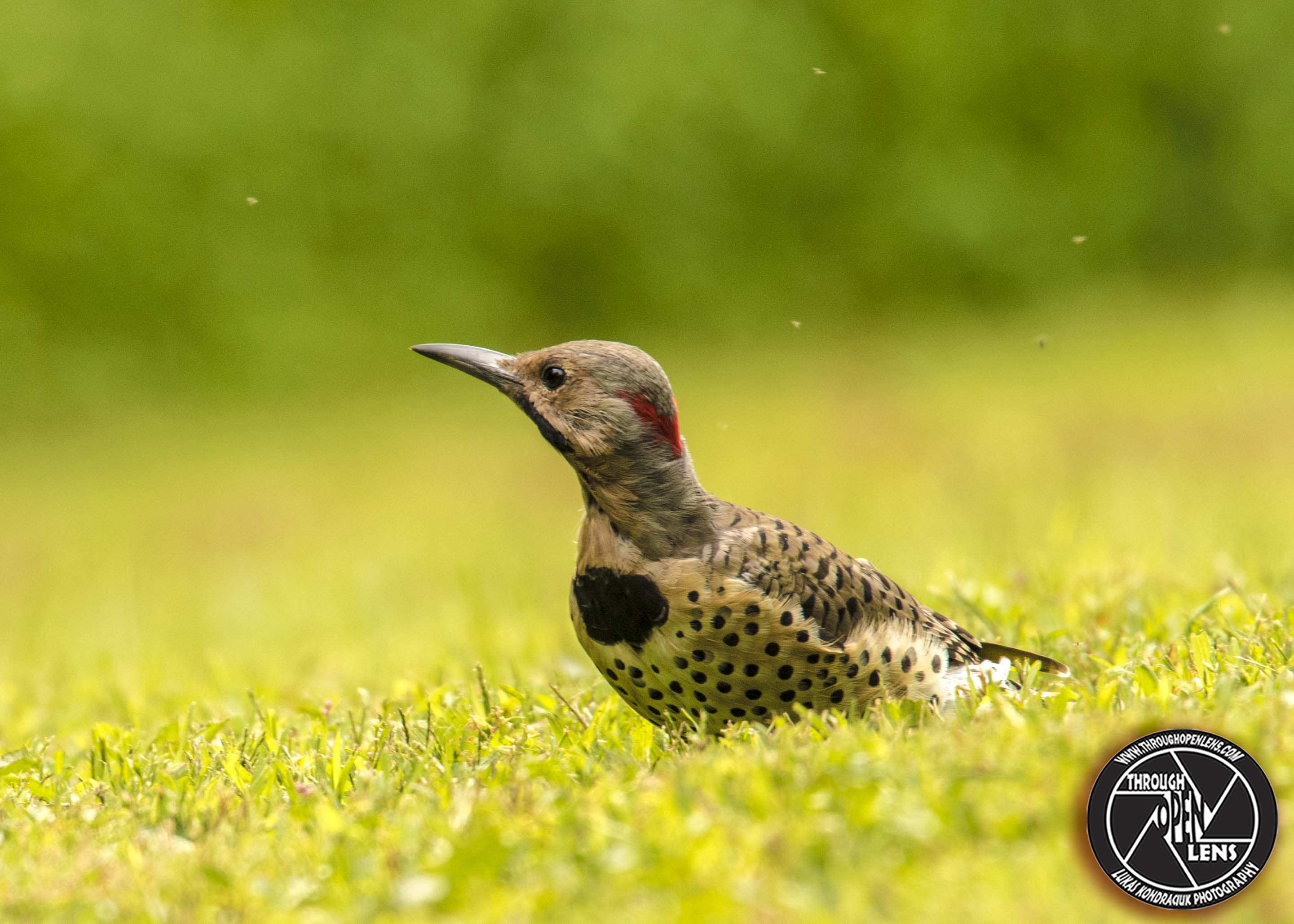
This Is My Good Side

F/8.0, 1/200, ISO 400.

Northern Flicker

Why is it so hot in a stadium after a football game?

Because all the fans have left.

Interesting Fact: The Northern Flicker is one of the few North American woodpeckers that is strongly migratory. Flickers in the northern parts of their range move south for the winter, although a few individuals often stay rather far north. ( https://www.allaboutbirds.org/guide/Northern_Flicker/lifehistory )