You Big Silly Goose!

F/11.0, 1/500, ISO 320.

Brant Goose

How do baseball players stay cool?

They sit next to their fans.

Interesting Fact: An abundant small goose of the ocean shores, the Brant breeds in the high Arctic tundra and winters along both coasts. The Brant along the Atlantic have light gray bellies, while those off the Pacific Coast have black bellies and were at one time considered a separate species.  ( https://www.allaboutbirds.org/guide/Brant/lifehistory )

I Peck You!

F/9.0, 1/200, ISO 160.

Hairy Woodpecker

What did the blanket say to the bed?

Don’t worry, I’ve got you covered!

Interesting Fact: Hairy Woodpeckers sometimes drink sap leaking from wells in the bark made by sapsuckers. They’ve also been seen pecking into sugar cane to drink the sugary juice. ( https://www.allaboutbirds.org/guide/Hairy_Woodpecker/lifehistory )

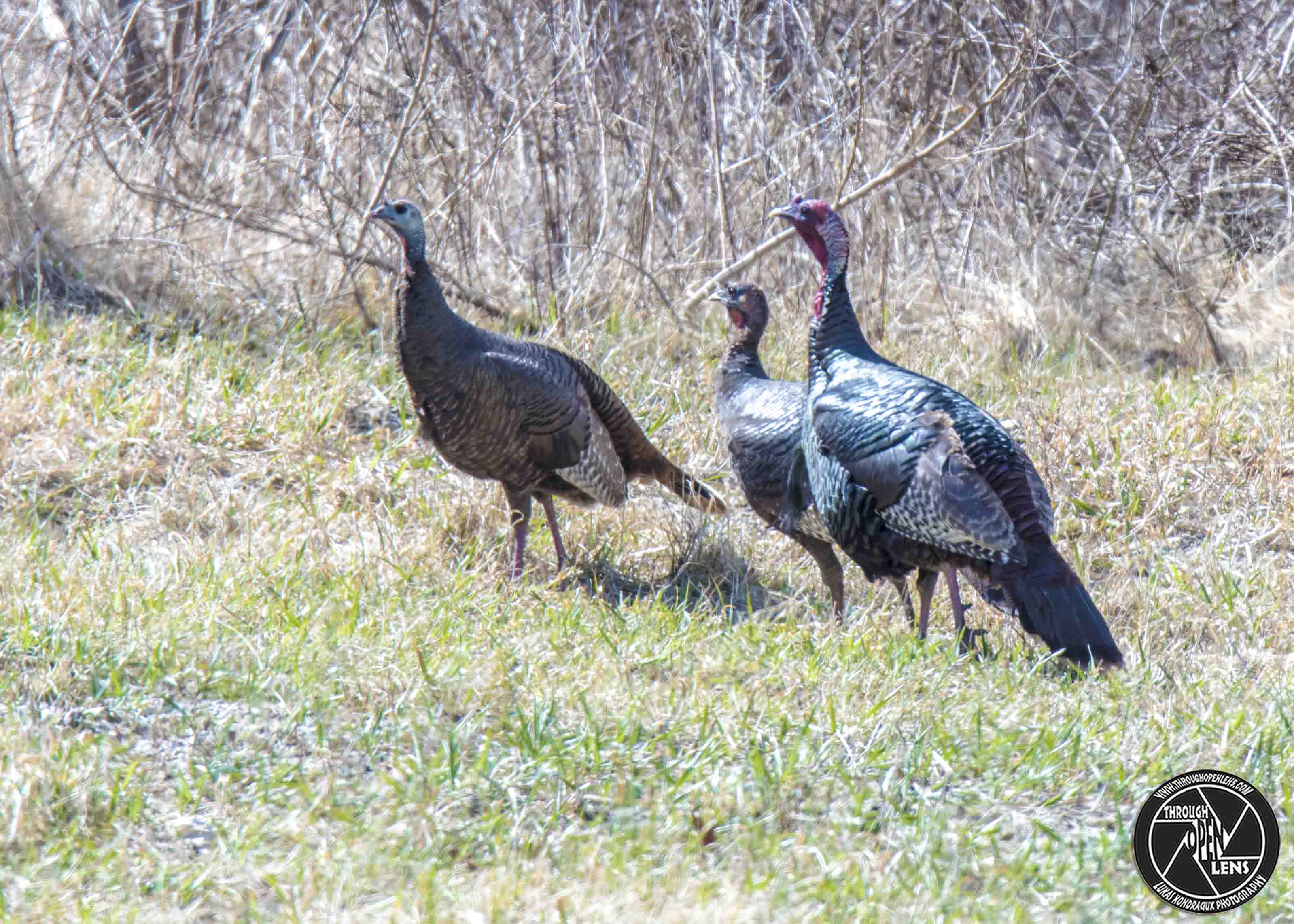
Wild Bunch!

F/9.0, 1/320, ISO 320.

Wild Turkeys

Why couldn’t the leopard play hide and seek?

Because he was always spotted.

Interesting Fact: The female scratches a shallow depression in the soil, about 1 inch deep, 8–11 inches wide, and 9–13 inches long. Wild Turkeys use only the dead leaves or other plant materials already present at the nest site. ( https://www.allaboutbirds.org/guide/Wild_Turkey/lifehistory )


Look, I Found Your Business…. It Was All Up In Mine Again!

F/7.1, 1/200, ISO 320.

Northern Cardinal ( Female )

How do you make a lemon drop?

Just let it fall.

Interesting Fact: Northern Cardinals eat mainly seeds and fruit, supplementing these with insects (and feeding nestlings mostly insects). Common fruits and seeds include dogwood, wild grape, buckwheat, grasses, sedges, mulberry, hackberry, blackberry, sumac, tulip-tree, and corn. Cardinals eat many kinds of birdseed, particularly black oil sunflower seed. They also eat beetles, crickets, katydids, leafhoppers, cicadas, flies, centipedes, spiders, butterflies, and moths. ( https://www.allaboutbirds.org/guide/Northern_Cardinal/lifehistory )

You’re Duckie And Thats No Wise Quacky!

F/8.0, 1/250, ISO 200.

Common Eider ( Males )

What did the duck say when he dropped the dishes?

“I hope I didn’t quack any!”

Interesting Fact: A colorful duck of the northern seacoasts, the Common Eider is the largest duck in the Northern Hemisphere. ( https://identify.whatbird.com/obj/1095/overview/Common_Eider.aspx )

My Eyes Always Come Out Red In Photos

F/ 6.3, 1/640, ISO 200.

Canvasback

“Doctor, doctor, my wife thinks she’s a duck.”

“You better bring her in to see me straight away.”

“I can’t do that – she’s already flown south for the winter.”  

Interesting Fact: The species name of the Canvasback, Aythya valisineria, comes from Vallisneria americana, or wild celery, whose winter buds and rhizomes are its preferred food during the nonbreeding period.  ( https://www.allaboutbirds.org/guide/Canvasback/lifehistory )

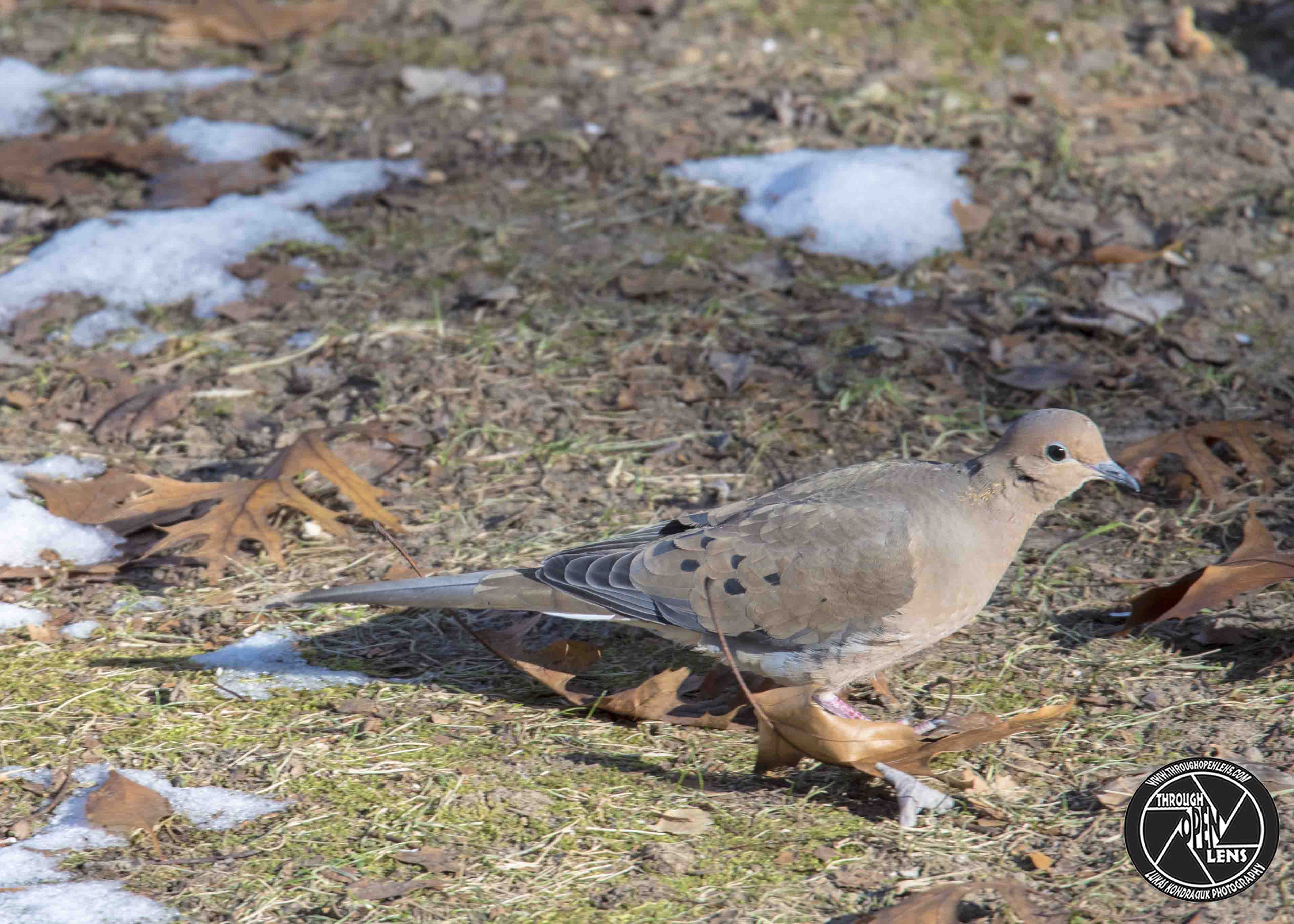
Out For A Run!

F/8.0, 1/250, ISO 250.

Mourning Dove

Why did the picture go to jail?

Because it was framed.

Interesting Fact:  Perhaps one reason why Mourning Doves survive in the desert: they can drink brackish spring water (up to almost half the salinity of sea water) without becoming dehydrated the way humans would. ( https://www.allaboutbirds.org/guide/Mourning_Dove )

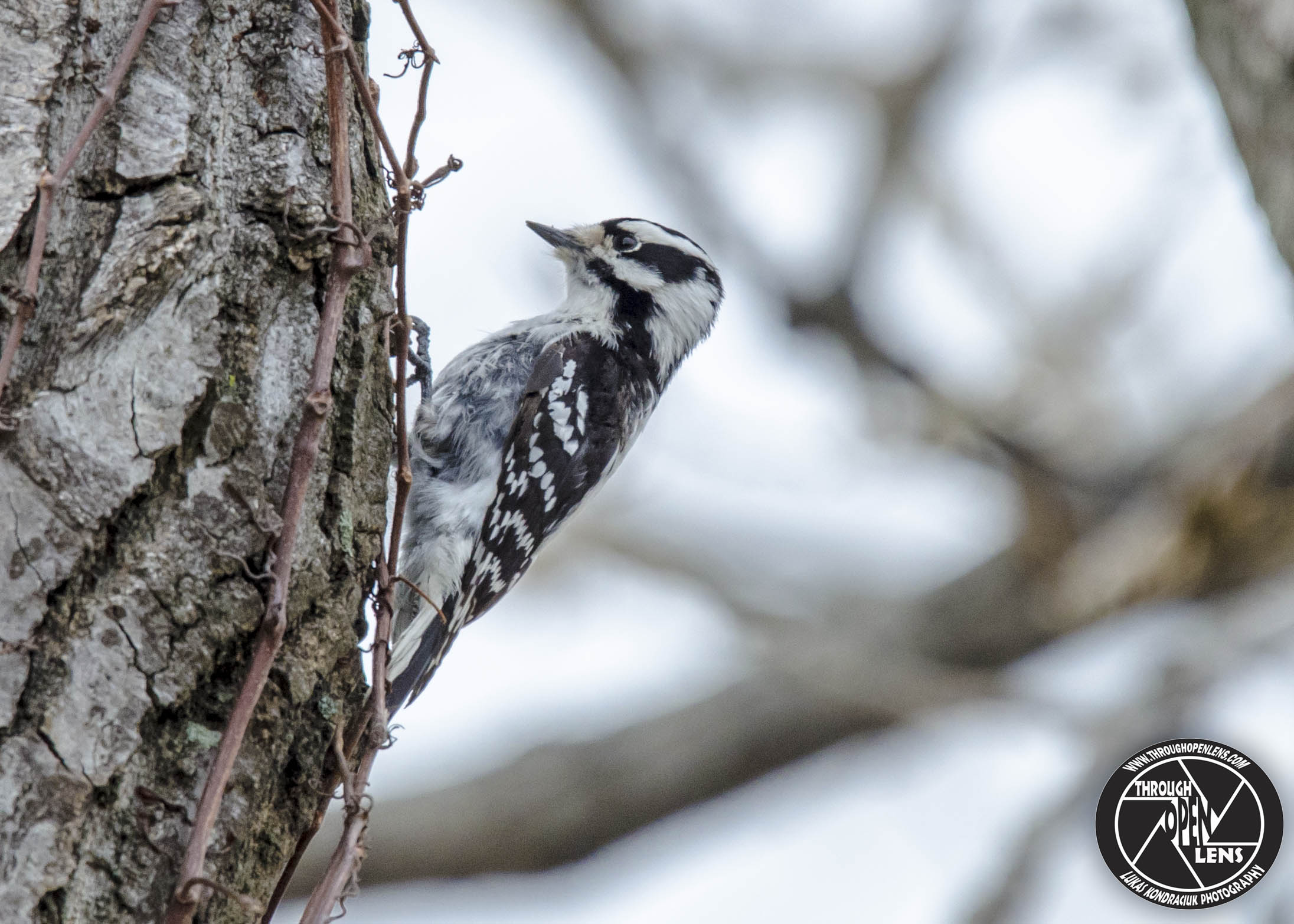
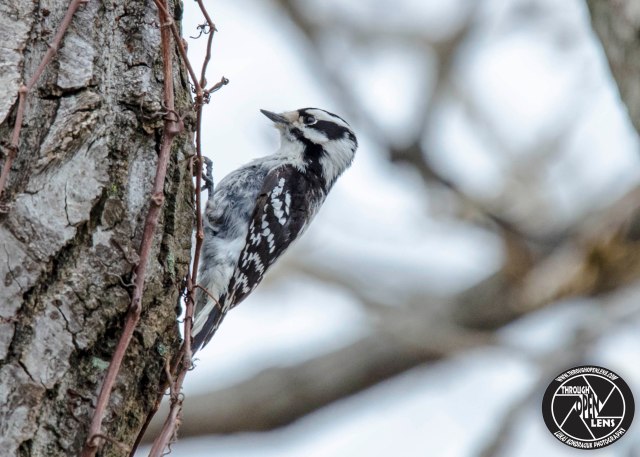
I Am In To Head Banging, What Music Do you Like?

downy-woodpecker-2

F/6.3, 1/1000, ISO 800.

Downy Woodpecker

There are three guys in a helicopter and they each get to choose what they want to throw out.

The first guys chooses an apple. So he takes an apple and throws it out.

The second guy chooses a brick. So he takes a brick and throws it out.

The third guy chooses a grenade. So he pulls the pin and throws it out.

They land a while later and are walking along when they find a man rubbing his head.

They ask, “What happened to you?”

He answers, “An apple hit me on the head.”

They’re walking along again and find a man lying unconscious on the ground.

They ask the cop, “What happened to him?”

He answers, “A brick hit him on the head.”

They’re walking again, when they find a man laughing hysterically.

They ask, “What happened to you?”

He answers, “I farted and the house blew up behind me!”

Interesting Fact: In winter Downy Woodpeckers are frequent members of mixed species flocks. Advantages of flocking include having to spend less time watching out for predators and better luck finding food from having other birds around. ( https://www.allaboutbirds.org/guide/Downy_Woodpecker/lifehistory )

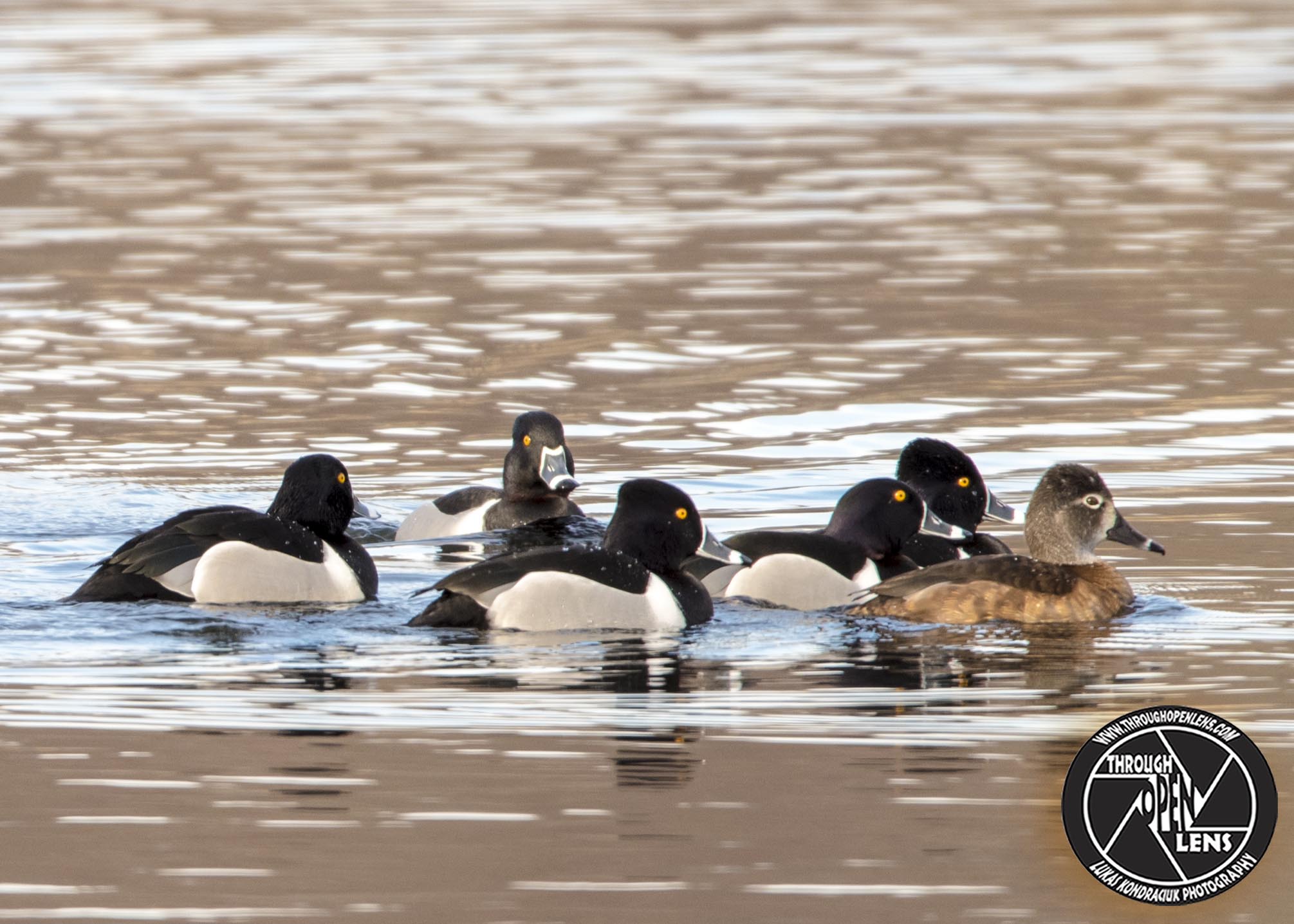
It’s The New Year, Get Your Ducks In A Row!

F/9.0, 1/320, ISO 320.

Ring-necked Ducks

What time is it when an elephant sits on your fence?

Time to get a new fence!

Interesting Fact: They tend to remain in pairs during the breeding season but group into flocks of several to several thousand during migration and winter. Like many other ducks, the Ring-necked Duck uses many kinds of displays to ward off rivals and to seek mates; almost any group of ducks offers an opportunity to watch these displays at work. When warning away another bird, Ring-necked Ducks lower their bill to meet their chest or push against each other, breast to breast, while swimming. This can intensify to bites and blows with the wings, particularly during the breeding season. When courting, males often throw their head sharply backward, touching the back; swim rapidly while nodding the head; or act as if they are preening their wing. As pairs begin to form, the two birds may perform exaggerated neck stretches or dip their bills in the water as if drinking. Pairs tend to form in spring and stay together at least until incubation begins. ( https://www.allaboutbirds.org/guide/Ring-necked_Duck/lifehistory )

My New Year’s resolution Is To Stop Hanging Out With People Who Ask Me About My New Years’s Resolutions.

F/10.0, 1/400, ISO 320.

Sandhill Crane

What’s the problem with jogging on New Years Eve?

The ice falls out of your drinks!

Interesting Fact: Sandhill Cranes are known for their dancing skills. Courting cranes stretch their wings, pump their heads, bow, and leap into the air in a graceful and energetic dance. ( https://www.allaboutbirds.org/guide/Sandhill_Crane/lifehistory )