Be Your Self Everyone Else Is Already Taken!

F/6.3, 1/400, ISO 1600.

Hooded Merganser ( Male )

Did you hear that all the toilets at the police station were stolen?

Yeah… the cops got nothing to go on.

Interesting Fact: Hooded Merganser ducklings leave their nest cavity within 24 hours of hatching. First, their mother checks the area around the nest and calls to the nestlings from ground level. From inside the nest, the little fluffballs scramble up to the entrance hole and then flutter to the ground, which may be 50 feet or more below them. In some cases they have to walk half a mile or more with their mother to the nearest body of water. ( https://www.allaboutbirds.org/guide/Hooded_Merganser )

I Am Coming For You!

F/11.0, 1/500, ISO 400.

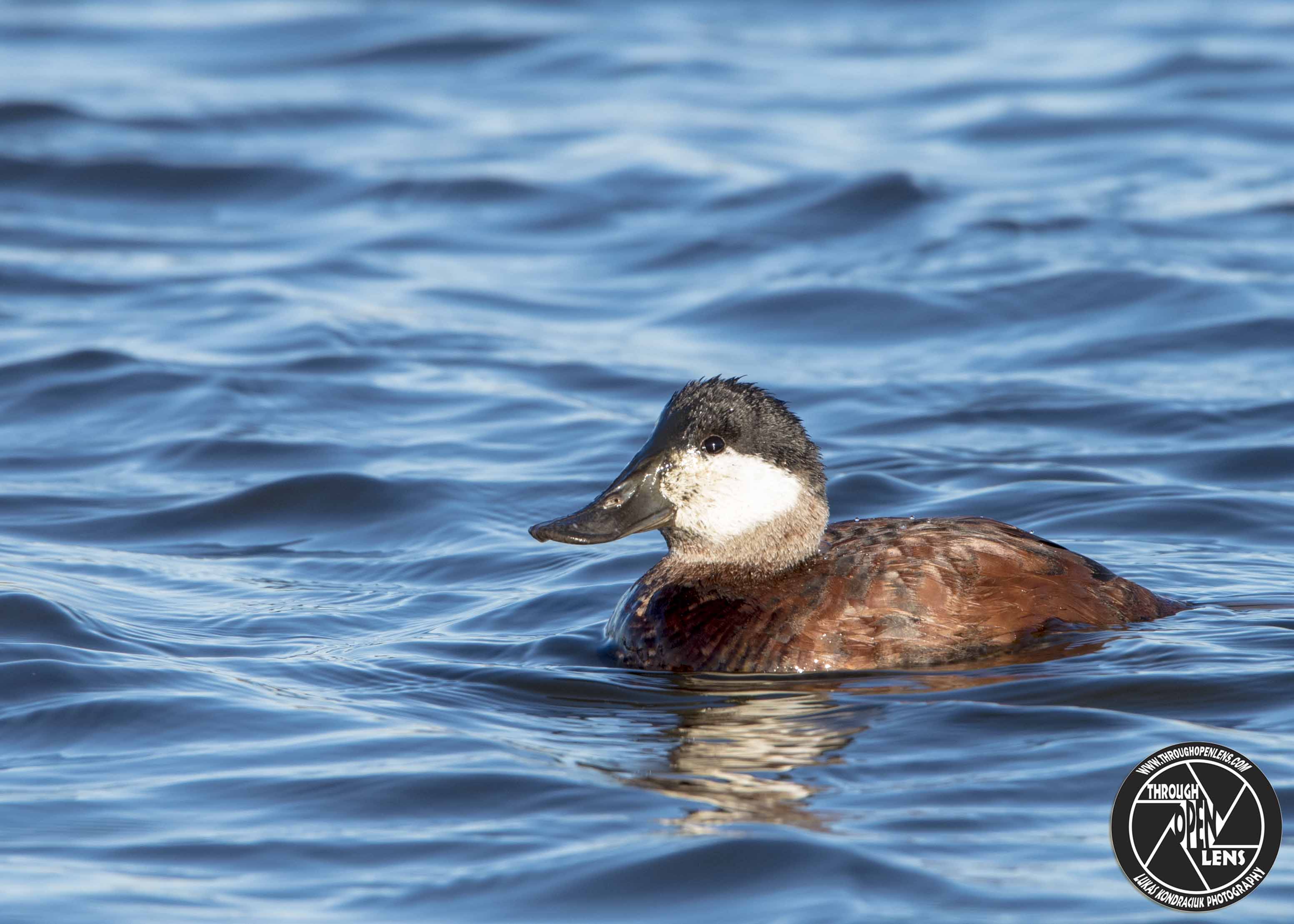
Ruddy Duck ( Juvenile ) 

Why are elephants such poor dancers?

Because they have two left feet.

Interesting Fact: Ruddy Ducks get harassed by Horned Grebes, Pied-billed Grebes, and American Coots during the breeding season. The grebes sometimes attack Ruddy Ducks from below the water, a behavior known as “submarining.” ( https://www.allaboutbirds.org/guide/Ruddy_Duck )

Go Ahead… Make My Day!

F/6.3, 1/500, ISO 250.

Hooded Merganser ( Female )

What insect runs away from everything?

A flea!

Interesting Fact: Once a female begins incubating eggs her mate abandons her, and it’s not known if they reunite the following season. Incubating females may use a broken-wing display to protect eggs or nestlings from raccoons, mink, black rat snakes, black bears, pine martens, European Starlings, Northern Flickers, Red-headed Woodpeckers, and Red-bellied Woodpeckers. ( https://www.allaboutbirds.org/guide/Hooded_Merganser/lifehistory )


If You Can’t Convince Them, Confuse Them.

F/6.3, 1/500, ISO 200.

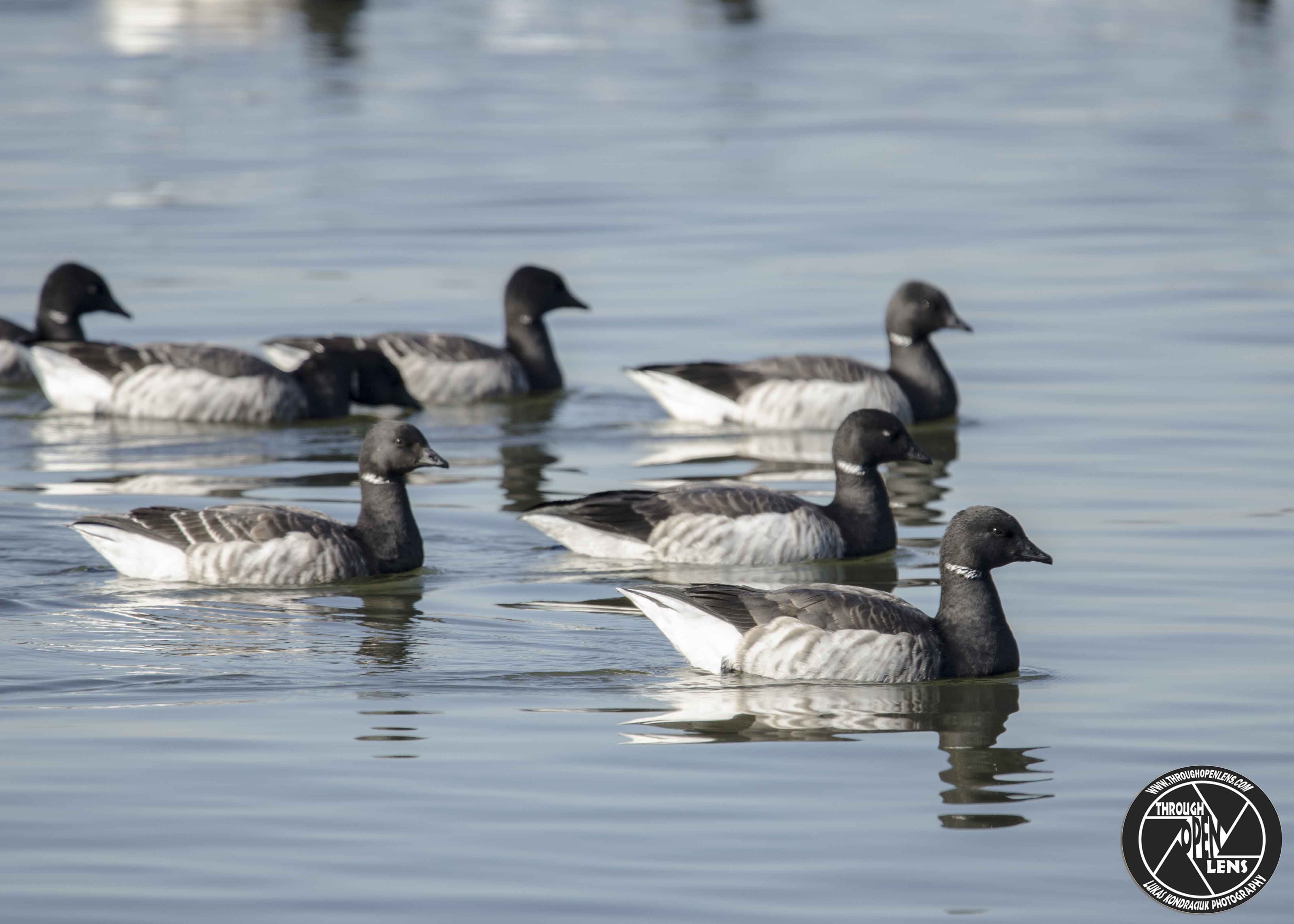
Brant

What kind of shoes do you make with banana skins?

Slippers!

Interesting Fact: The Brant is also known as the Brent Goose. The spelling “Brant” is the original one, with “Brent” being a later folk-etymological idea that it was derived from a classical Greek water bird name brenthos. It actually came from the guttural call note of the species. ( http://identify.whatbird.com/obj/290/overview/Brant.aspx )


In Three Words I Can Sum Up Everything I’ve Learned About Life. IT GOES ON.

F/6.3, 1/640, ISO 200.

Canvesback

What do you call it when you have your Grandma on speed dial?

Instagram

Interesting Fact: Canvasbacks are social outside of the breeding season; they gather in large rafts by the thousands to tens of thousands. Only when winter food is scarce or clumped do they defend foraging areas against other Canvasbacks. ( https://www.allaboutbirds.org/guide/Canvasback/lifehistory )


Life Is Better When You’re Laughing

F/11.0, 1/500, ISO 320.

Laughing Gull  

Why do hamburgers go to the gym?

To get better buns

Interesting Fact: The Laughing Gull is normally diurnal, or active during the day. During the breeding season it forages at night as well. It usually looks for food along the beach at night, but will also hover to catch insects around lights. ( https://www.allaboutbirds.org/guide/Laughing_Gull/lifehistory )


Will You Be My Valentine?!

F/6.3, 1/1000, ISO 450.

Mute Swan

What do you call a funny chicken?

A comedi-hen

Interesting Fact: Mute Swans form long-lasting pair bonds. Their reputation for monogamy along with their elegant white plumage has helped establish them as a symbol of love in many cultures. ( https://www.allaboutbirds.org/guide/Mute_Swan/lifehistory )

Bonus Valentine Facts:  Feb. 14 was officially designated St. Valentine’s Day in 1537 by King Henry VII of England. ( http://www.ibtimes.com/valentines-day-facts-history-fun-ideas-free-burritos-singles-awareness-other-things-1813226 )

People Say Nothing Is Impossible, But I Do Nothing Every Day.

F/10.0, 1/400, ISO 250.

Ruddy Duck 

Why are mountains so funny?

Because they are hill areas.

Interesting Fact: Most males pair up with one female each for the duration of the breeding season, but some take multiple mates. Their eggs are proportionally the largest of all waterfowl. The ducklings hatch well-developed and active, receiving minimal care from the mother and none from the father. Ducklings are preyed upon by Black-crowned Night-Herons, Ring-billed Gulls, California Gulls, mink, and raccoons. ( https://www.allaboutbirds.org/guide/Ruddy_Duck/lifehistory )


Fly Above The Negativity!

F/6.3, 1/1000, ISO 500.

Great Blue Heron 

Why was Frosty told to leave the grocery store?

Because he was caught picking his nose in the produce isle.

Interesting Fact: Despite their impressive size, Great Blue Herons weigh only 5 to 6 pounds thanks in part to their hollow bones—a feature all birds share.  ( https://www.allaboutbirds.org/guide/Great_Blue_Heron/overview )