Of Course I See My Shadow With All The Camera Flashes

Six More Weeks Of Winter

groundhog-woodchuck

F/5.6, 1/160, ISO 125.

Groundhog (Woodchuck)

Over breakfast one morning, a woman said to her husband, “I’ll bet you don’t know what day this is?”

“Of course I do,” he answered as if he was offended, and left for
the office.

The doorbell rang at 10 a. m., and when the wife opened the door, she was handed a box of a dozen long stemmed red roses. At 1: 00 p. m., a foil-wrapped, two-pound box of her favorite chocolates was delivered.

Later, a boutique delivered a designer dress. The woman couldn’t wait for her husband to come home.

“First the flowers, then the chocolates and then the dress!” she exclaimed.

“I’ve never had a more wonderful Groundhog Day in my life!”

Interesting Fact: Groundhog burrows are known to have been responsible for uncovering a historic village in central Ohio – now a famous archeological site. ( http://www.havahart.com/groundhog-facts )

Life Is Only A Reflection Of What We Allow Ourselves To See

mallard-5

F/7.1, 1/200, ISO 320.

Mallard

A duck waddles into a card shop, he waddles his way to the front desk asking the clerk, Do you got any tape?

The clerk replies, No. So the duck waddles away. The very next day at the same time the same duck waddles into the Card Shop he waddles right up to that same clerk asking him, Do you have any tape?

The clerk looking irritated replying in a stern voice, No! We are a card shop we sell cards not tape! And if you ask me again I will nail your bill to the counter!

So the duck just waddles away. At the same time the next day the Duck is waddling into that same card shop He waddles right up to that same clerk asking him, do you have any nails? The clerk says, no. Then the duck replied good!! So do you have any tape?

Interesting Fact: Mallard pairs form long before the spring breeding season. Pairing takes place in the fall, but courtship can be seen all winter. Only the female incubates the eggs and takes care of the ducklings. ( https://www.allaboutbirds.org/guide/Mallard/lifehistory )

That Ducking Motherquacker!

F/10.0, 1/1600, ISO 800. 

Common Merganser

What’s the secret to telling a good postman joke?

It’s all in the delivery

Interesting Fact: Males chase each other during communal courtship displays, sometimes bumping or striking each other. Females sometimes lay their eggs in other ducks’ nests, including other Common Mergansers as well as Hooded Mergansers or Common Goldeneyes.  ( https://www.allaboutbirds.org/guide/Common_Merganser/lifehistory )

Keep On Knockin!

F/8.0, 1/800, ISO 800.

Red-Bellied Woodpecker 

What did one traffic light say to the other?

Don’t look at me while I’m changing!

Interesting Fact: These birds often stick to main branches and trunks of trees, where they hitch in classic woodpecker fashion, leaning away from the trunk and onto their stiff tail feathers as they search for food hiding in bark crevices. ( https://www.allaboutbirds.org/guide/Red-bellied_Woodpecker/lifehistory )


Branch Manager

yellow-rumped-warbler

F/9.0, 1/320, ISO 500.

Yellow-Rumped Warbler

What did the tree do when the bank closed?

It started its own branch.

Interesting Fact: Male Yellow-rumped Warblers tend to forage higher in trees than females do. ( https://www.allaboutbirds.org/guide/Yellow-rumped_Warbler/lifehistory )


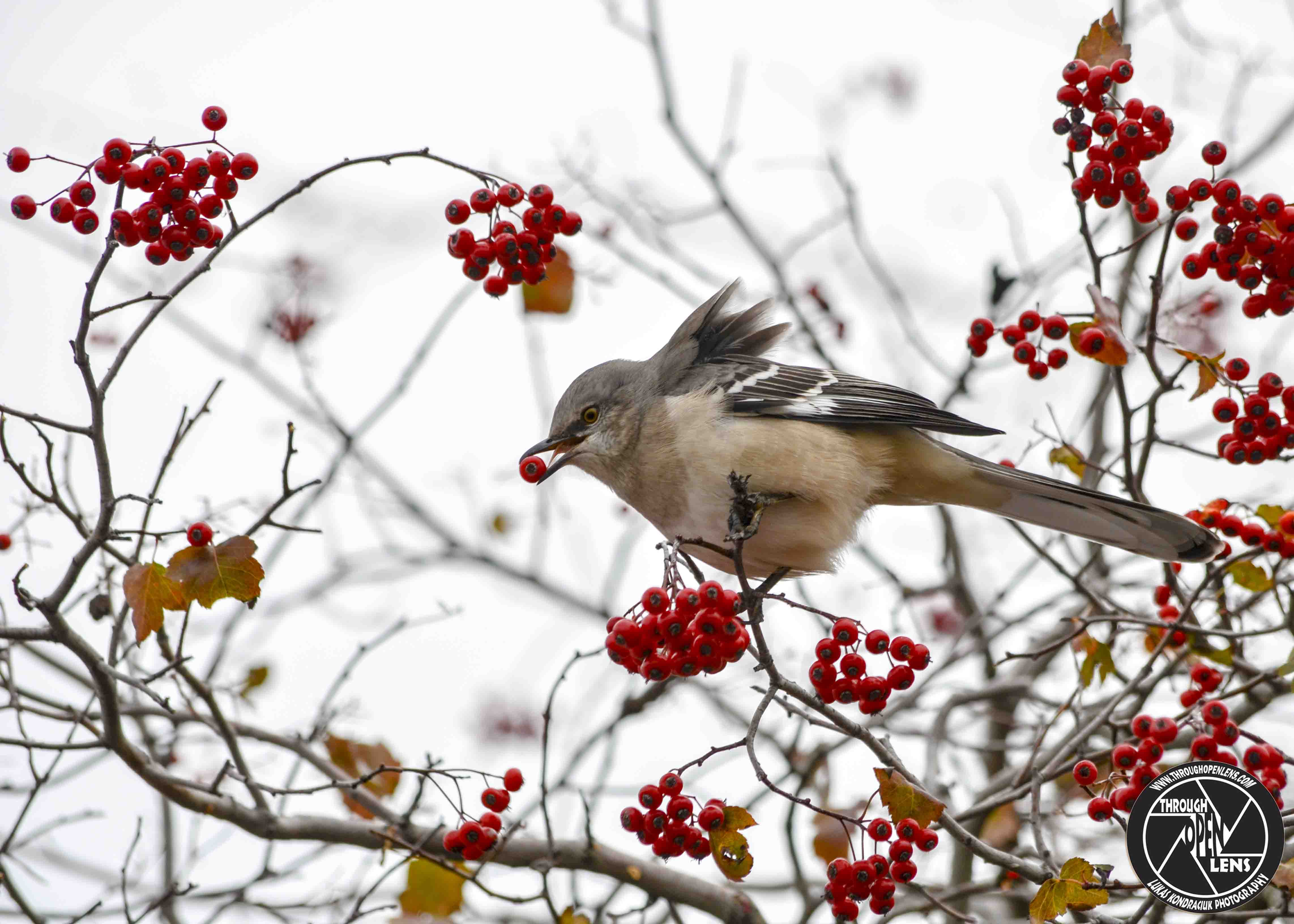
Hush, little baby, don’t say a word, Mama’s gonna buy you a mockingbird

F/7.1, 1/800, ISO 200.

Northern Mockingbird

Why shouldn’t you fart in an Apple Store?

They don’t have Windows.

Interesting Fact: Northern mockingbirds tend to imitate other birds and sounds they hear.  This bird is very territorial and will not hesitate to attack intruders.  ( https://americanexpedition.us/northern-mockingbird-facts-photos-and-information )

I’m So Tired All The Time… I’ve Got Too Many Feeders On My Plate.

annas-hummingbird

F/5.6, 1/80, ISO 200.

Anna’s Hummingbird

Why did the computer break up with the internet?

There was no “Connection”.

Interesting Fact:  The dive display of the Anna’s Hummingbird lasts about 12 seconds, and the male may fly to a height of 40 m (131 feet) during the display. He starts by hovering two to four meters (6-13 feet) in front of the display object (hummingbird or person), and then climbs in a wavering fashion straight up. He plummets in a near-vertical dive from the top of the climb and ends with an explosive squeak within half a meter of the display object. He then makes a circular arc back to the point where he began. On sunny days the dives are oriented so that the sun is reflected from the iridescent throat and crown directly at the object of the dive. ( https://www.allaboutbirds.org/guide/Annas_Hummingbird/lifehistory )

Someone Called Me Lazy Today, I Almost Replied.

california-sea-lions

F/9.0, 1/125, ISO 100.

California Sea Lions

Why do seals swim in salt water?

Because pepper water makes them sneeze!

Interesting Fact: These pinnipeds live along the rocky Pacific Ocean coastlines of western North America. Huge colonies can be seen gathered on seaside rocks, and even on man-made structures, for breeding and for birthing. Males gather harems of females to their sides in competition to sire young pups, which are born on land. ( http://www.nationalgeographic.com/animals/mammals/c/california-sea-lion/ )


The Sky Speaks In A Thousand Colours.

F/4.5, 1/60, ISO 400.

Did you hear about the astronaut that stepped on the chewing gum?

He got stuck in orbit !

Interesting Fact: As a ray of white sunlight travels through the atmosphere to an observer, some of the colors are scattered out of the beam by air molecules and airborne particles, changing the final color of the beam the viewer sees. Because the shorter wavelength components, such as blue and green, scatter more strongly, these colors are preferentially removed from the beam. ( https://en.wikipedia.org/wiki/Sunset#Historically )


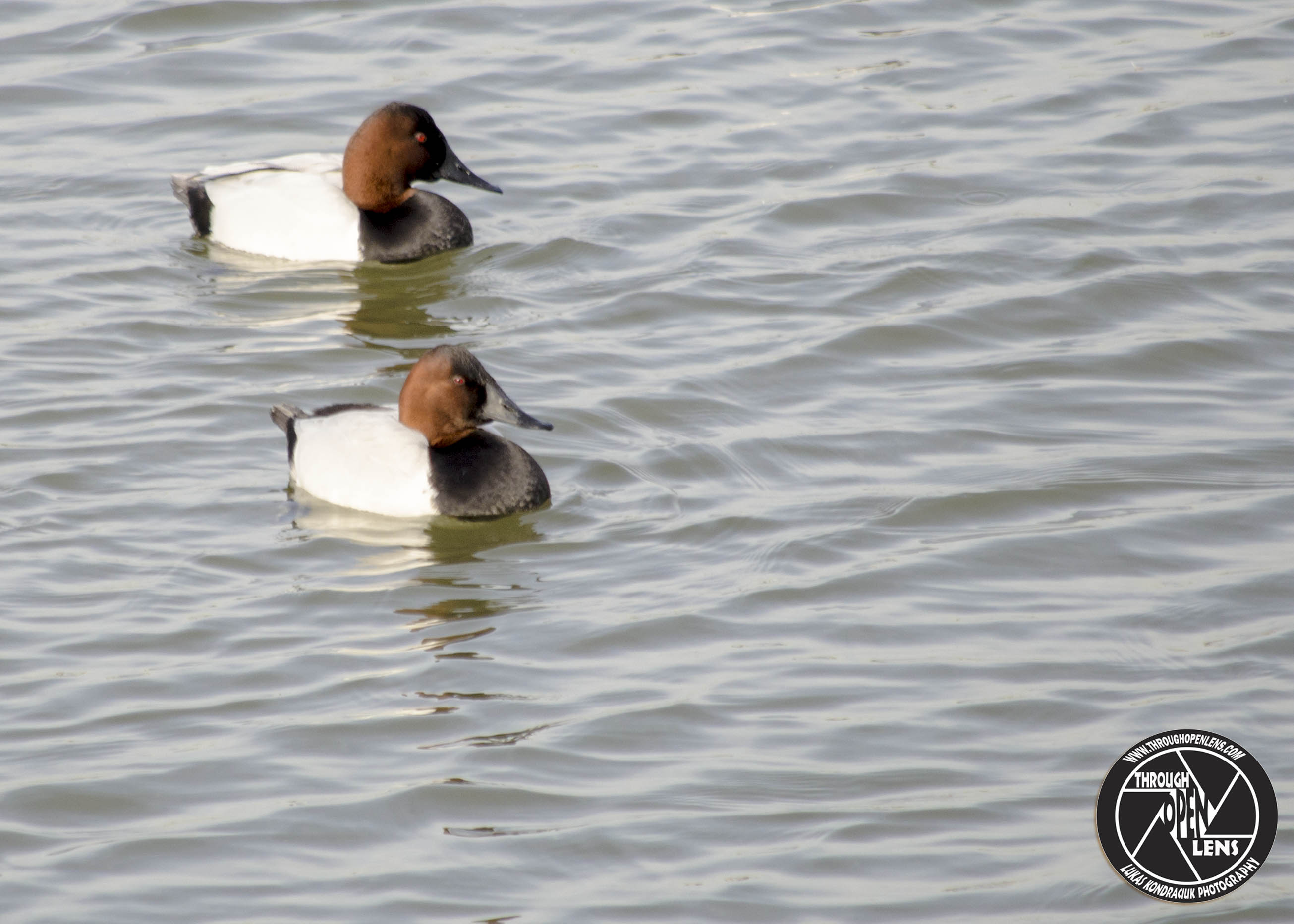
They Call Us The Brown Bombers!

F/6.3, 1/640, ISO 240.

Canvasback

How does NASA organize a birthday party?

They planet!

Interesting Fact: Canvasbacks are diving ducks at home in the water, seldom going ashore to dry land. They sleep on the water with their bill tucked under the wing, and they nest on floating mats of vegetation. To get airborne Canvasbacks need a running start, but once in the air they are strong and fast fliers, clocking airspeeds of up to 56 miles per hour. ( https://www.allaboutbirds.org/guide/Canvasback/lifehistory )