If You’re Feeling Blue Try Painting Yourself A Different Color

F/6.3, 1/160, ISO 1000.

Eastern Bluebird

What starts with a P, ends with an E, and has a million letters in it?

Post Office!

Interesting Fact: The male Eastern Bluebird displays at his nest cavity to attract a female. He brings nest material to the hole, goes in and out, and waves his wings while perched above it. That is pretty much his contribution to nest building; only the female Eastern Bluebird builds the nest and incubates the eggs.  ( https://www.allaboutbirds.org/guide/Eastern_Bluebird/lifehistory )
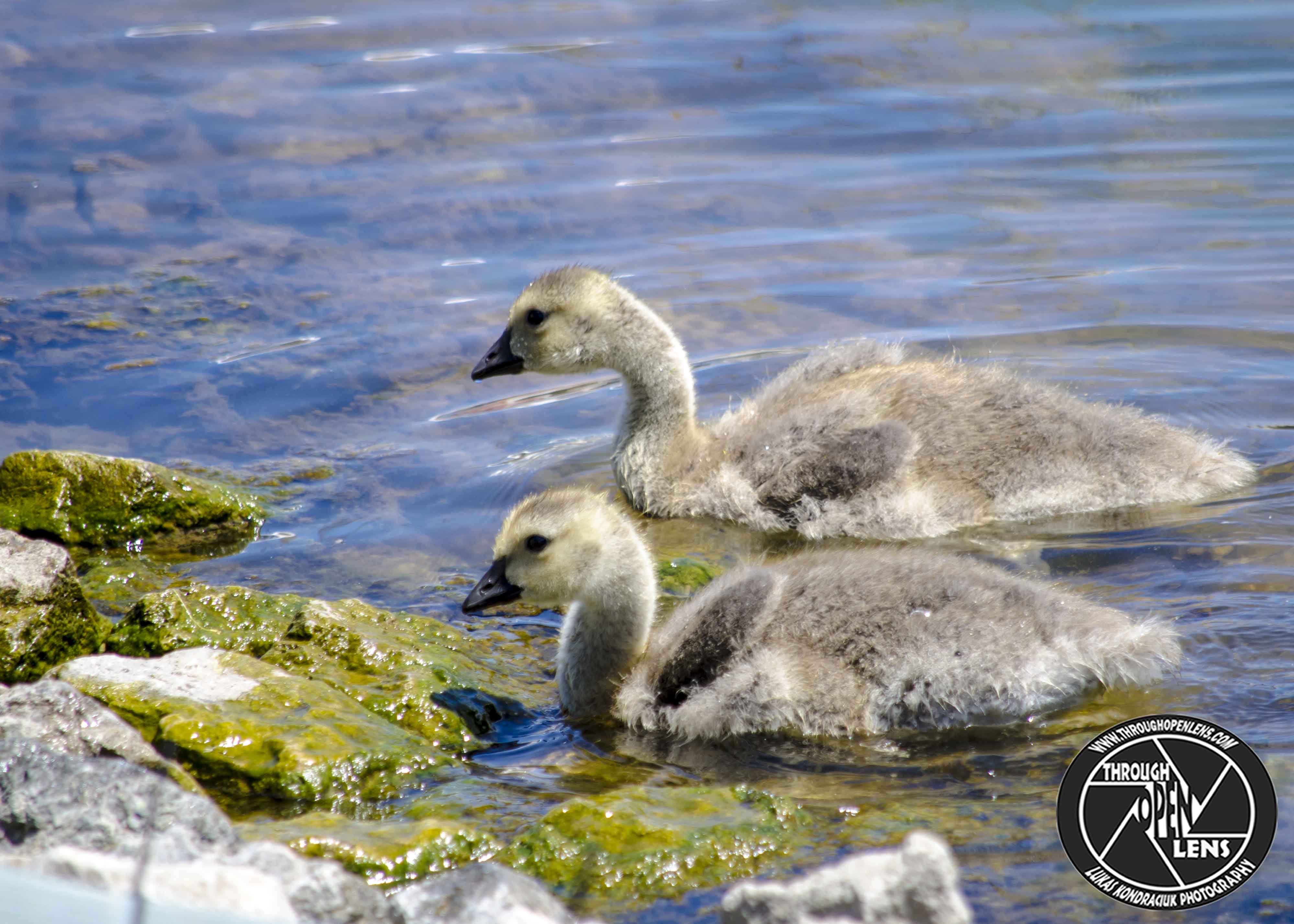
Baby Time!

F/5.6, 1/320, ISO 100.

Canada Goose Goslings

What did the blanket say to the bed?

Don’t worry, I’ve got you covered!

Interesting Fact: Canada Geese eat grain from fields, graze on grass, and dabble in shallow water by tipping forward and extending their necks underwater. During much of the year they associate in large flocks, and many of these birds may be related to one another. They mate for life with very low “divorce rates,” and pairs remain together throughout the year. Geese mate “assortatively,” larger birds choosing larger mates and smaller ones choosing smaller mates; in a given pair, the male is usually larger than the female. Most Canada Geese do not breed until their fourth year; less than 10 percent breed as yearlings, and most pair bonds are unstable until birds are at least two or three years old. Extra-pair copulations have been documented. ( https://www.allaboutbirds.org/guide/Canada_Goose/lifehistory )

Something Is Flickering!

F/6.3, 1/160, ISO 640.

Northern Flicker

What did the math book say to its therapist?

I’ve got a lot of problems.

Interesting Fact: Northern Flickers usually excavate nest holes in dead or diseased tree trunks or large branches. In northern North America look for nests in trembling aspens, which are susceptible to a heartrot that makes for easy excavation. Unlike many woodpeckers, flickers often reuse cavities that they or another species excavated in a previous year. Nests are generally placed 6-15 feet off the ground, but on rare occasions can be over 100 feet high. Northern Flickers have been known to nest in old burrows of Belted Kingfishers or Bank Swallows. ( https://www.allaboutbirds.org/guide/Northern_Flicker/lifehistory )

Chip And Dale!

F/8.0, 1/250, ISO 320.

Eastern chipmunks

What did the lawyer name his daughter?

Sue.

Interesting Fact: It can climb trees well, but constructs underground nests with extensive tunnel systems, often with several entrances. To hide the construction of its burrow, the eastern chipmunk carries soil to a different location in its cheek pouches. It also lines the burrow with leaves, rocks, sticks, and other material, making it even harder to see. ( https://en.wikipedia.org/wiki/Eastern_chipmunk )


I Claim This Branch!

F/7.1, 1/200, ISO 200.

Eastern Phoebe 

Why can’t you take a nap during a race?

Because if you snooze, you loose!

Interesting Fact: The Eastern Phoebe is a loner, rarely coming in contact with other phoebes. Even members of a mated pair do not spend much time together. They may roost together early in pair formation, but even during egg laying the female frequently chases the male away from her. ( https://www.allaboutbirds.org/guide/Eastern_Phoebe/lifehistory )

For That Reason, I’M OUT!

F/8.0, 1/250, ISO 160.

Common Gallinule

Wanna hear a joke about construction?

Never mind, I’m still working on it.

Interesting Fact: Common Gallinules nest in marshes, lakes, and ponds with emergent vegetation. They tend to build nests on top of thick mats of aquatic plants near the water’s edge, but sometimes nest in trees or shrubs. ( https://www.allaboutbirds.org/guide/Common_Gallinule/lifehistory )

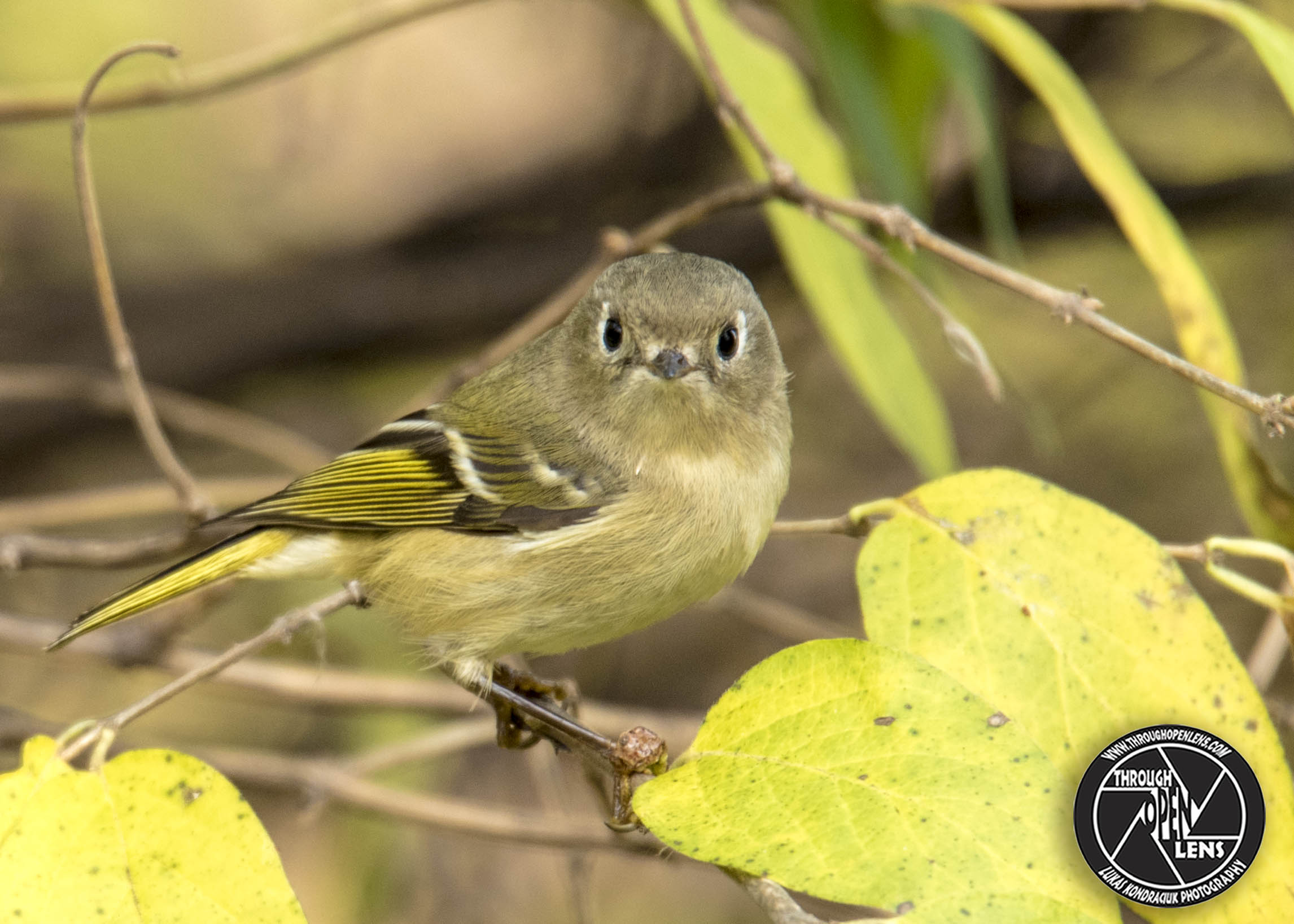
Staring Contest, GO!

F/6.3, 1/125, ISO 320.

Ruby-crowned Kinglet

What did the candle say to the other candle?

I’m going out tonight.

Interesting Fact: Metabolic studies on Ruby-crowned Kinglets suggest that these tiny birds use only about 10 calories (technically, kilocalories) per day. ( https://www.allaboutbirds.org/guide/Ruby-crowned_Kinglet/lifehistory )

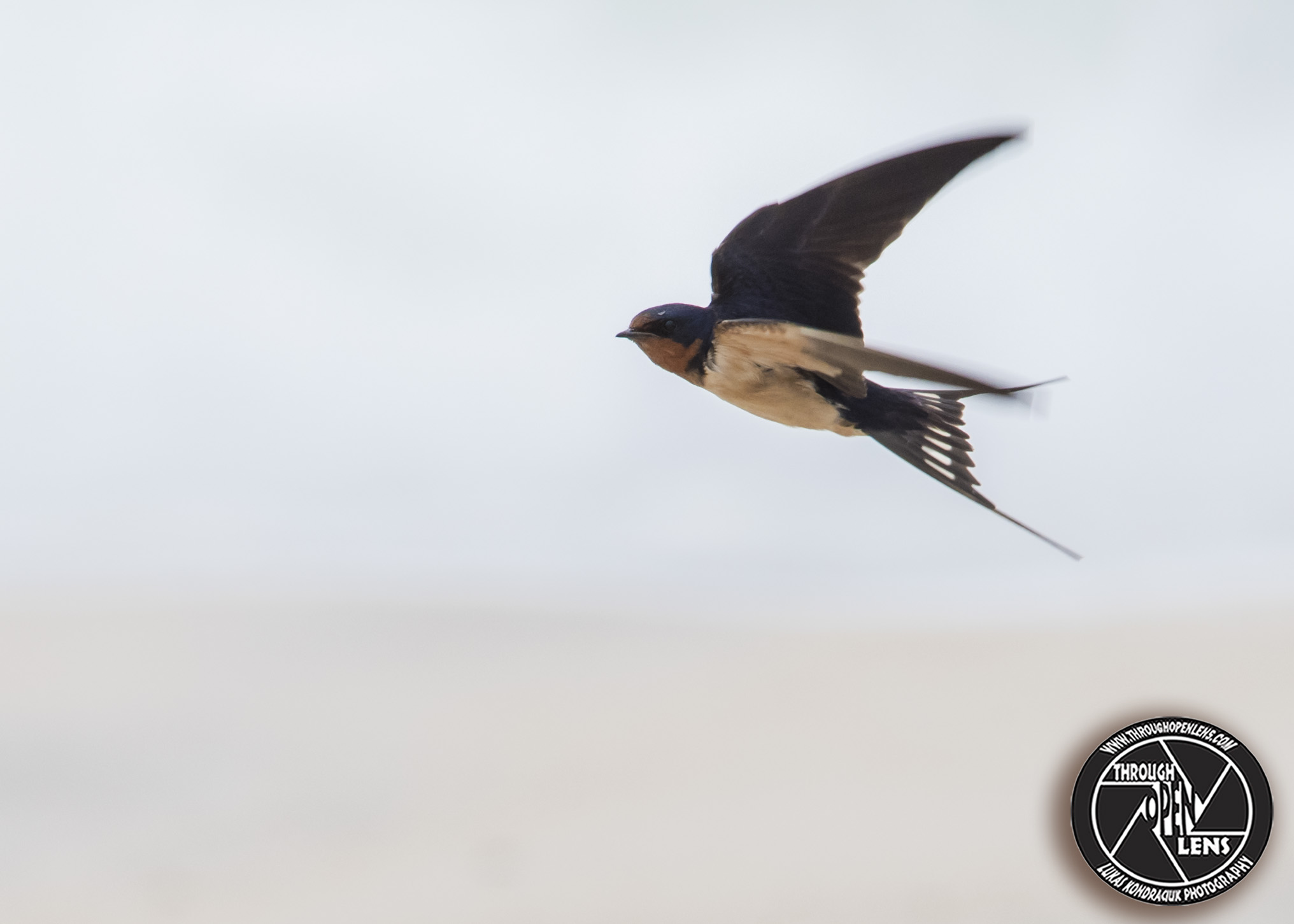
This Is Really Hard To Swallow

F/13.0, 1/640, ISO 320.

Barn Swallow

Why did the computer break up with the internet?

There was no “Connection”.

Interesting Fact: Long-distance migrant. Barn Swallows fly from North American breeding grounds to wintering areas in Central and South America. Southbound fall migration may begin by late June in Florida or early July in Massachusetts. They return as early as late January in southern California to mid-May at Alaskan breeding sites. ( https://www.allaboutbirds.org/guide/Barn_Swallow/lifehistory )

Oh Stop, You Making Me Blush!

F/6.3, 1/160, ISO 500.

House Finch

What did one hat say to another? 

You stay here, I’ll go on a head.

Interesting Fact: House Finches nest in a variety of deciduous and coniferous trees as well as on cactus and rock ledges. They also nest in or on buildings, using sites like vents, ledges, street lamps, ivy, and hanging planters. Occasionally House Finches use the abandoned nests of other birds. ( https://www.allaboutbirds.org/guide/House_Finch/lifehistory )

Holy Smokes Batman Your Zipper Is Down!

F/9.0, 1/320, ISO 250.

American Robin

What happens when Batman and Robin fight a steamroller?

They become Flatman and Ribbon.

Interesting Fact: Although robins are considered harbingers of spring, many American Robins spend the whole winter in their breeding range. But because they spend more time roosting in trees and less time in your yard, you’re much less likely to see them. The number of robins present in the northern parts of the range varies each year with the local conditions. ( https://www.allaboutbirds.org/guide/American_Robin/lifehistory )