Sometimes You Have To Stand Alone To Prove That You Can Still Stand!

F/6.3, 1/50, ISO 320.

Groundhog (Woodchuck )

Why did the worker get fired from the calendar factory?

He took a day off.

Interesting Fact: The groundhog—also known as a woodchuck—spends much of its days alone, foraging for plants and grasses and digging burrows up to 66 feet (20 meters) long. ( https://kids.nationalgeographic.com/animals/mammals/groundhog/ )


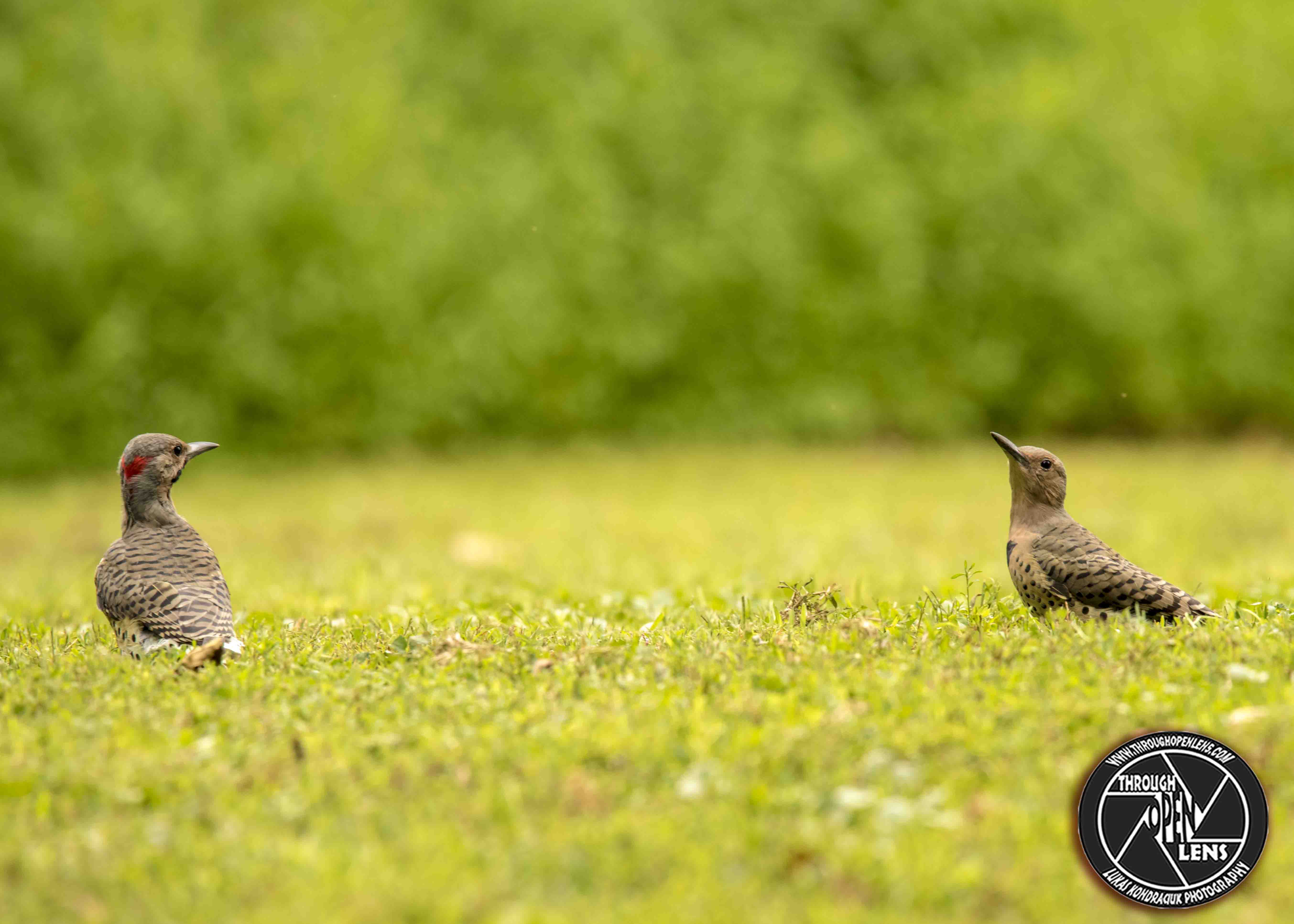
Hey Bro What’s Up!

F/8.0, 1/225, ISO 400.

Northern Flicker

Why is Superman’s costume so tight?

Because he wears a size “S”.

Interesting Fact: Like most woodpeckers, Northern Flickers drum on objects as a form of communication and territory defense. In such cases, the object is to make as loud a noise as possible, and that’s why woodpeckers sometimes drum on metal objects. One Northern Flicker in Wyoming could be heard drumming on an abandoned tractor from a half-mile away. ( https://www.allaboutbirds.org/guide/Northern_Flicker/lifehistory )

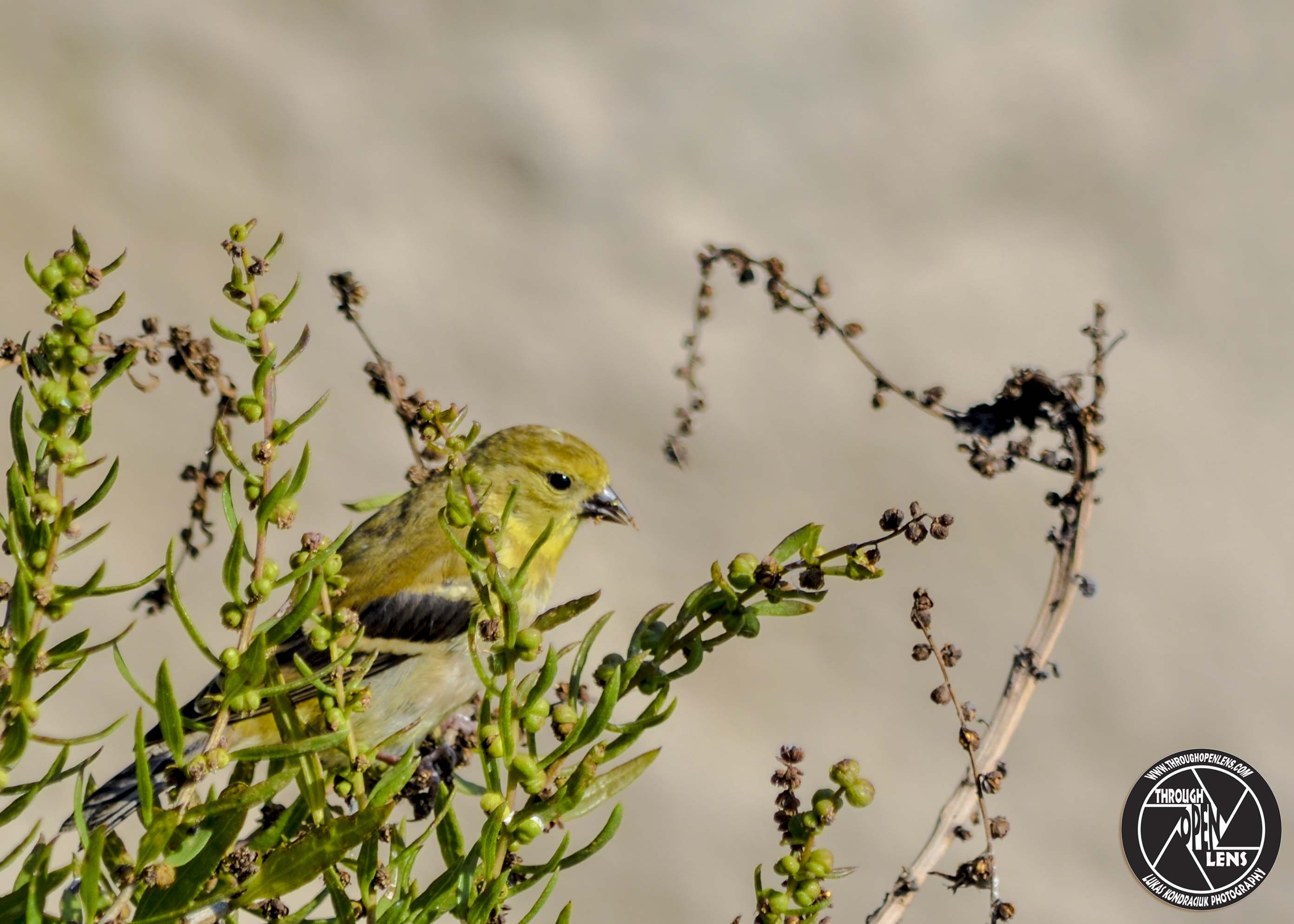
You had a bad day, You’re taking one down, You sing a sad song just to turn it around

F/10.0, 1/400, ISO 250.

American Goldfinch

A police officer in a small town stopped a motorist who was speeding down Main Street. “But officer,” the man began, “I can explain.” “Just be quiet,” snapped the officer. “I’m going to let you cool your heels in jail until the chief gets back.” “But, officer, I just wanted to say,…” “And I said to keep quiet! You’re going to jail!” A few hours later the officer looked in on his prisoner and said, “Lucky for you that the chief’s at his daughter’s wedding. He’ll be in a good mood when he gets back.” “Don’t count on it,” answered the fellow in the cell. “I’m the groom.”

Interesting Fact: Goldfinches are among the strictest vegetarians in the bird world, selecting an entirely vegetable diet and only inadvertently swallowing an occasional insect. ( https://www.allaboutbirds.org/guide/American_Goldfinch/lifehistory )

Hi Honey!

F/5.0, 1/60, ISO 250.

Spider and Yellow Jacket Bee

What do you call an under cover spider?

A spy-der

Interesting Fact:  Anatomically, spiders differ from other arthropods in that the usual body segments are fused into two tagmata, the cephalothorax and abdomen, and joined by a small, cylindrical pedicel. Unlike insects, spiders do not have antennae. In all except the most primitive group, the Mesothelae, spiders have the most centralized nervous systems of all arthropods, as all their ganglia are fused into one mass in the cephalothorax. Unlike most arthropods, spiders have no extensor muscles in their limbs and instead extend them by hydraulic pressure. ( https://en.wikipedia.org/wiki/Spider )

Follow The Bunny He Has The Chocolate!

F/9.0, 1/320, ISO 250.

Desert Cottontail Rabbit

How do you make a bandstand?

Take away their chairs!

Interesting Fact: Habitat loss due to land clearing and cattle grazing may severely affect the population of the desert cottontail.[12] Human-induced fires are also a potential threat for desert cottontail populations.[12] Another factor is its competition with the black-tailed jackrabbit (Lepus californicus), because both have the same diet, and share the same habitat.[24] When a season has been particularly dry, there is less plant life to go around. The cottontail does not fear the jackrabbit, in fact the jackrabbit is very skittish and will retreat from a confrontation in most instances. However, the black-tailed jackrabbit is much bigger, and consumes much more food at eating times. ( https://en.wikipedia.org/wiki/Desert_cottontail

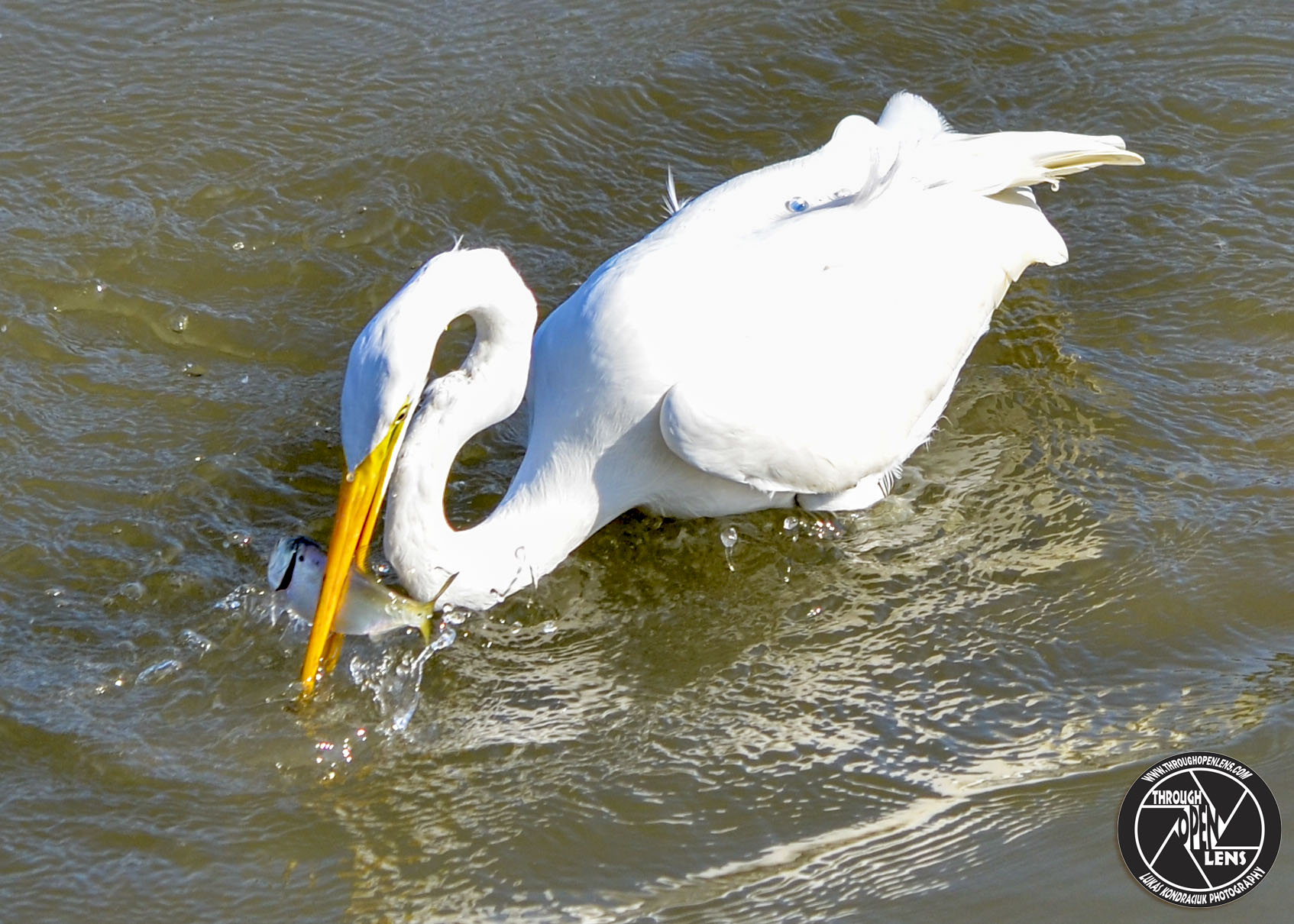
May The Fish Be With You!

F/6.3, 1/640, ISO 200.

Great Egret 

What did the ghost teacher say to her class?

Watch the board and I’ll go through it again.

Interesting Fact: Visit a pond or coastal marsh and look for an all-white bird—slightly smaller than a Great Blue Heron, with black legs and a yellow bill. It may be wading slowly or standing stock-still, peering intently at the water as it searches for fish. If you live outside of the species’ breeding range, you may still see Great Egrets in late summer as they move about widely before heading to their wintering grounds. ( https://www.allaboutbirds.org/guide/Great_Egret )


I Need A Hug!

F/5.6, 1/500, ISO 200.

Double-Crested Cormorant 

What do birds do on their free time?

They check their Twitter account.

Interesting Fact: Double-crested cormorants are gregarious birds that are almost always near water. Their main two activities are fishing and resting, with more than half their day spent on the latter. When at rest, a cormorant will choose an exposed spot on a bare branch or a windblown rock, and often spread its wings out, which is thought to be a means of drying their feathers after fishing. ( https://www.allaboutbirds.org/guide/Double-crested_Cormorant/lifehistory )


Peek A Boo I Can Still See You!

F/7.1, 1/800, ISO 200.

American Goldfinch

What do computers snack on when they’re hungry?

Chips!

Interesting Fact: Male and female move around together to choose a suitable nest site. The female builds the nest, usually in a shrub or sapling in a fairly open setting rather than in forest interior. The nest is often built high in a shrub, where two or three vertical branches join; usually shaded by clusters of leaves or needles from above, but often open and visible from below. ( https://www.allaboutbirds.org/guide/American_Goldfinch/lifehistory )


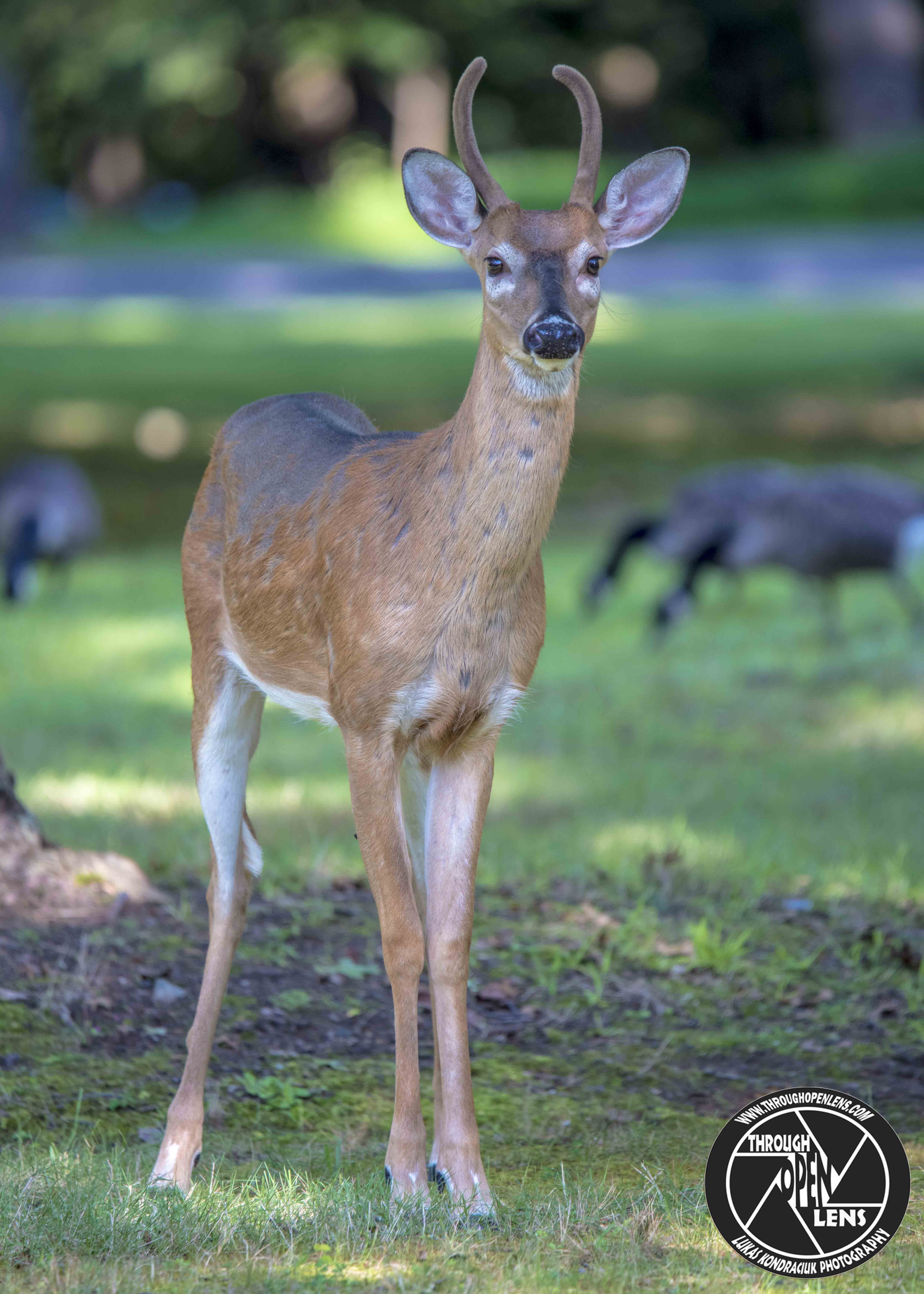
BUCK YOU!

F/6.3, 1/125, ISO 500.

White-Tailed Deer

What do you call a sleeping bull?

A bulldozer

Interesting Fact: Males regrow their antlers every year. About one in 10,000 females also has antlers, although this is usually associated with freemartinism. ( https://en.wikipedia.org/wiki/White-tailed_deer

By Invitation Only!

F/5.6, 1/500, ISO 200.

Mallard Female

Why do barbers make good drivers?

They know all the shortcuts.

Interesting Fact: During egg-laying phase, she lines the nest with grasses, leaves, and twigs from nearby. She also pulls tall vegetation over to conceal herself and her nest. After incubation begins, she plucks down feathers from her breast to line the nest and cover her eggs. The finished nest is about a foot across, with a bowl for the eggs that is 1–6 inches deep and 6–9 inches across. ( https://www.allaboutbirds.org/guide/Mallard/lifehistory )