Music Helps Me Escape From The Reality I Live In

F/6.3, 1/320, ISO 400.

Song Sparrow

What did the Mummy movie director say when the final scene was done?

Ok, that’s a wrap.

Interesting Fact:  Some scientists think that Song Sparrows of wet, coastal areas have darker plumage as a defense against feather mites and other decay agents that thrive in humid climates. The darker plumage contains more of a pigment called melanin, which makes feathers tougher and harder to degrade than lighter, unpigmented feathers. ( https://www.allaboutbirds.org/guide/Song_Sparrow/lifehistory )

I Swim Because I Am Too SEXY For A Sport That Requires Clothes

F/6.3, 1/500, ISO 250.

Horned Grebe

Little Red Riding Hood walks all alone through the deep dark wood. Suddenly she hears rustling in a thick bush. Cautiously she moves the branches aside and finds herself facing the big bad wolf.

Little Red Riding Hood: “Oh, Big Bad Wolf, why do you have such huge red eyes?”

Big Bad Wolf: “Go away! I’m crapping!”

Interesting Fact: Dives underwater for food, in open water and among aquatic vegetation. Picks insects off water surface. ( https://www.allaboutbirds.org/guide/Horned_Grebe/lifehistory )

Keep Looking Up That’s The Secret Of Life

F/7.1, 1/200, ISO 320.

Pileated Woodpecker

What did one eyeball say to the other eyeball?

Between you and me something smells.

Interesting Fact: A Pileated Woodpecker pair stays together on its territory all year round. It will defend the territory in all seasons, but will tolerate new arrivals during the winter. ( https://www.allaboutbirds.org/guide/Pileated_Woodpecker/lifehistory )

I’m Gonna Tell You Again STOP HUMMING!

rufous-hummingbird-1

F/6.3, 1/125, ISO 100.

Rufous Hummingbird

What do you do with a sick boat?

Take it to the doc.

Interesting Fact: The Rufous Hummingbird has an excellent memory for location, no doubt helping it find flowers from day to day, or even year to year. Some birds have been seen returning from migration and investigating where a feeder had been the previous year, even though it had since been moved. ( https://www.allaboutbirds.org/guide/Rufous_Hummingbird/lifehistory )

Just Showing Off!

F/6.3, 1/100, ISO 500.

Wild Turkeys ( Male )

A blonde driving a car became lost in a snowstorm.

She didn’t panic however, because she remembered what her dad had once told her. “If you ever get stuck in a snowstorm, just wait for a snow plow to come by and follow it.”

Sure enough, pretty soon a snow plow came by, and she started to follow it.

She followed the plow for about forty-five minutes. Finally the driver of the truck got out and asked her what she was doing.

And she explained that her dad had told her if she ever got stuck in a snow storm, to follow a plow.

The driver nodded and said, “Well, I’m done with the Wal-Mart parking lot, do you want to follow me over to Best Buy now?”

Interesting Fact: Wild Turkeys nest on the ground in dead leaves at the bases of trees, under brush piles or thick shrubbery, or occasionally in open hayfields. ( https://www.allaboutbirds.org/guide/Wild_Turkey/lifehistory )

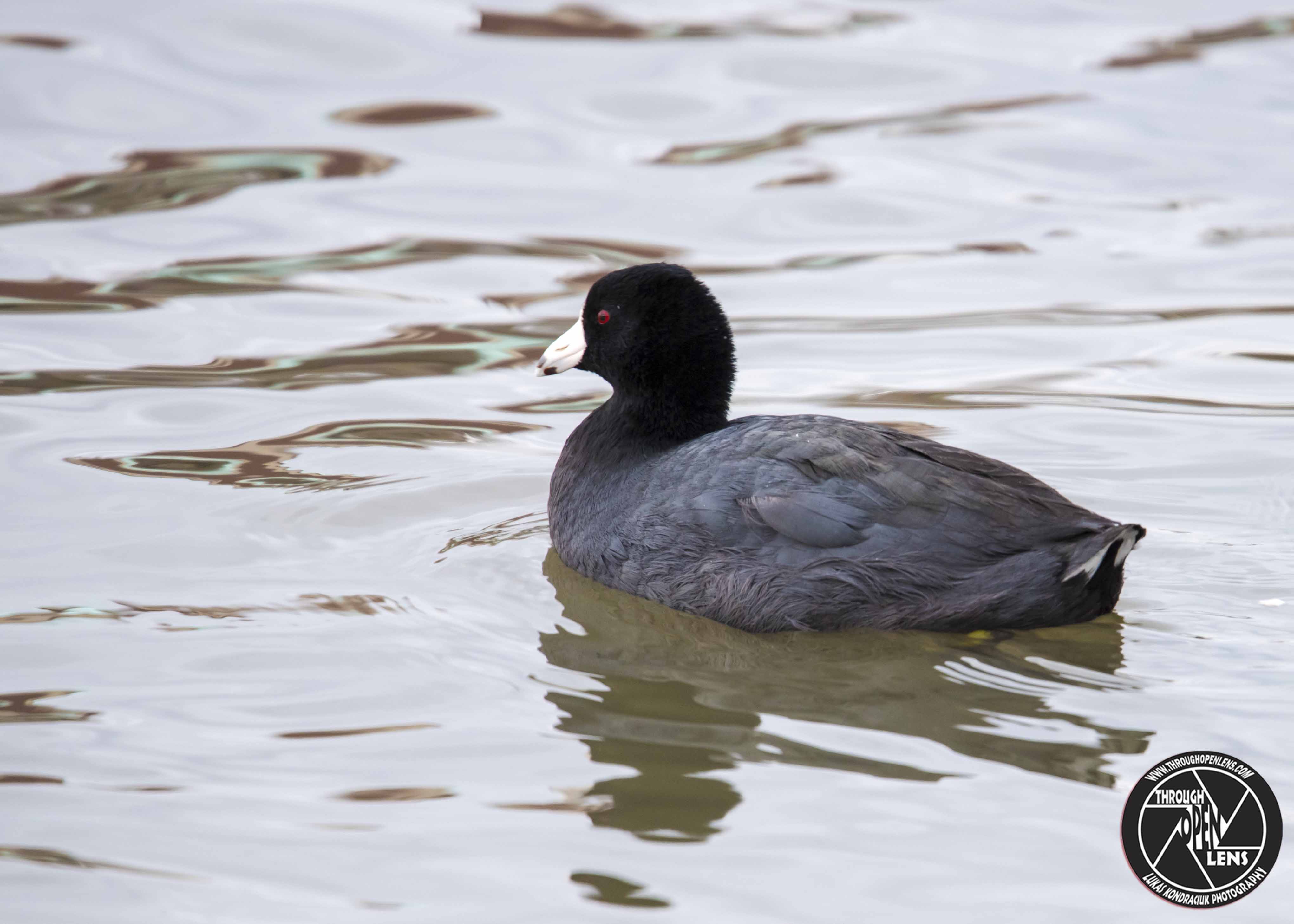
Chill’ ‘Be Cool!

F/6.3, 1/125, ISO 500.

American Coot

Can February march?

No, but April may.

Interesting Fact: The American coot is a highly gregarious species, particularly in the winter, when its flocks can number in the thousands.[20] When swimming on the water surface, American coots exhibit a variety of interesting collective formations, including single-file lines, high density synchronized swimming and rotational dynamics, broad arcing formations, and sequential take-off dynamics. ( https://en.wikipedia.org/wiki/American_coot#Behavior

It’s Been A Rough Week So Far… But On Positive Note, I Didn’t Need Any Bail Money And Didn’t Have To Hide Any Bodies!

F/6.3, 1/800, ISO 800.

Rough-legged Hawk

Daughter: “Mom, where do tampons go?”

Mom: “Where the babies come from, darling.”

Daughter “In the stork?”

Check out this really funny jokes: http://www.short-funny.com/#ixzz5540ew6c6

Interesting Fact: The Rough-legged Hawk’s cliffside nest, a bulky mass of sticks, sometimes contains caribou bones. Nesting pairs need a lot of space: usually only a single pair will nest on a quarter-mile-long cliff. However, the pair may nest within 100 feet of Gyrfalcons, Peregrine Falcons, or Common Ravens. ( https://www.allaboutbirds.org/guide/Rough-legged_Hawk/lifehistory  )

It’s Your Hair Do Whatever You Want!

F/6.3, 1/500, ISO 200.

Hooded Merganser ( Female )

How do ducks talk?

They don’t You Quack.

Interesting Fact: The female chooses the nest site, and may start scouting for next year’s tree cavity at the end of each breeding season. Nest cavities can be in live or dead trees and are usually close to water. Cavities are typically 10–50 feet off the ground, up to about 90 feet. Hooded Mergansers nest readily in boxes, preferring those with wood shavings or nest material from previous uses. They prefer cavities with 3–5 inch openings. ( https://www.allaboutbirds.org/guide/Hooded_Merganser/lifehistory

Owl We Need Is Love!

F/6.3, 1/160, ISO 800.

Short Eared Owl

What kind of flower doesn’t sleep at night?

The Day-zzz

Interesting Fact: Normally reluctant to leave the nest, female Short-eared Owls that are forced to flush often defecate on their eggs. The resulting putrid smell may repel predators or mask the scent of the nest. ( https://www.allaboutbirds.org/guide/Short-eared_Owl/ )

Don’t Stick Your Beak Where It Doesn’t Belong!

F/6.3, 1/6, ISO 100.

Great Blue Heron

Why couldn’t the pirate play cards?

Because he was sitting on the deck!

Interesting Fact: Great Blue Herons generally move away from the northern edge of their breeding range in winter, with some flying as far south as the Caribbean. Populations in the Pacific Northwest and south Florida are present year-round.  ( https://www.allaboutbirds.org/guide/Great_Blue_Heron/maps-range )