If You See Rabbit Laying Little Brown Eggs, Don’t Eat Them, IT’S NOT CHOCOLATE!

Happy Easter Everyone! 
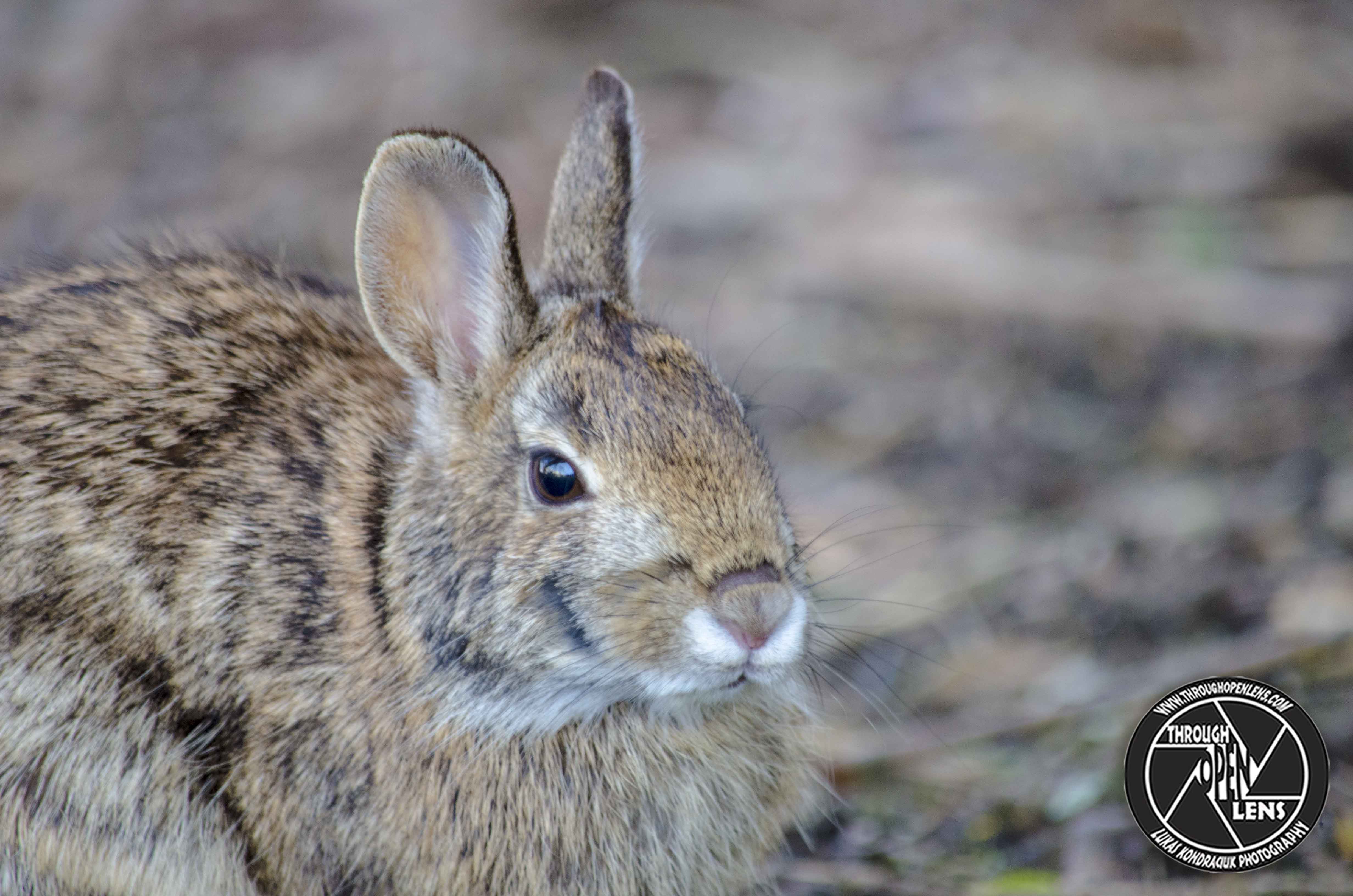
F/5.6, 1/125, ISO 900.

Cottontail Rabbit

What happened to the Easter Bunny when he misbehaved at school?

He was eggspelled!

Interesting Fact: The Easter Bunny (also called the Easter Rabbit or Easter Hare) is a folkloric figure and symbol of Easter, depicted as a rabbit bringing Easter eggs. Originating among German Lutherans, the “Easter Hare” originally played the role of a judge, evaluating whether children were good or disobedient in behaviour at the start of the season of Eastertide.[1] The Easter Bunny is sometimes depicted with clothes. In legend, the creature carries colored eggs in his basket, candy, and sometimes also toys to the homes of children, and as such shows similarities to Santa Claus or the Christkind, as they both bring gifts to children on the night before their respective holidays. The custom was first[2][unreliable source?] mentioned in Georg Franck von Franckenau‘s De ovis paschalibus[3] (‘About Easter Eggs’) in 1682, referring to a German tradition of an Easter Hare bringing Easter eggs for the children. ( https://en.wikipedia.org/wiki/Easter_Bunny )

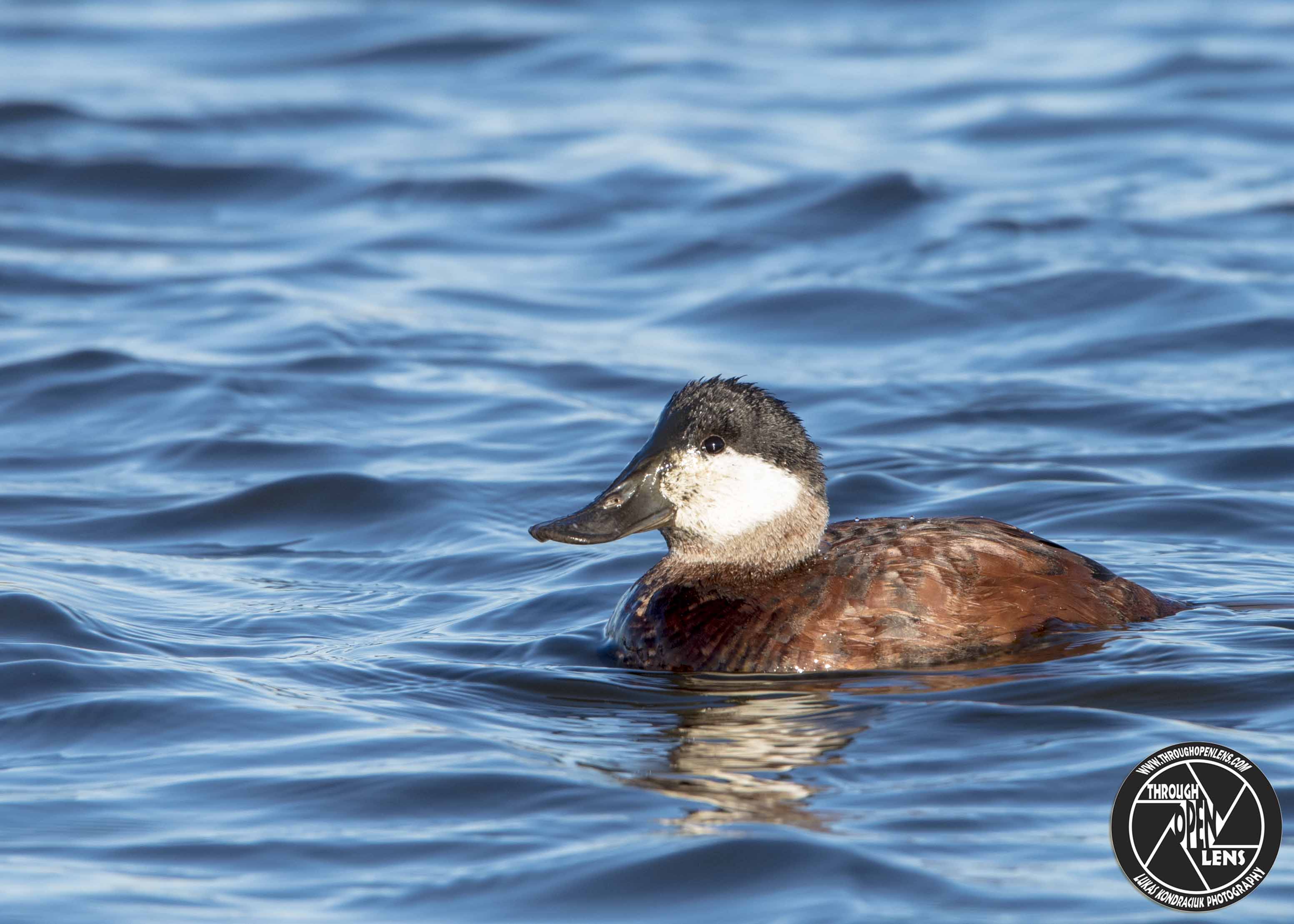
Welcome To The Duck Side. We Have Quackers.

F/9.0, 1/320, ISO 320.

Ruddy Duck 

Why didn’t my girlfriend believe I was a ghost?

She could see right through me.

Interesting Fact:  The nest is usually made of dead, dry plant materials, though some are built entirely with green vegetation. It starts as a platform and becomes more bowl-like throughout the construction process, with an inner cup measuring 4–12 inches across and 0.5–5 inches deep. Ruddy Ducks usually weave a canopy of vegetation over their nests. ( https://www.allaboutbirds.org/guide/Ruddy_Duck/lifehistory )

Finding A Needle In The Haystack

F/11.0 , 1/500, ISO 320.

Northern Harrier

Why are the middle ages sometimes called the Dark Ages?

Because they had so many knights.

Interesting Fact: Northern Harriers usually fly slowly and low over the ground, their wings held in a V-shape as they glide. Most males have either one mate or two mates at a time, but some have up to five mates when food is abundant. Each male courts females and advertises his territory by performing sky-dancing displays: undulating, rollercoaster-like flights up to 1,000 feet off the ground, sometimes covering more than half a mile. ( https://www.allaboutbirds.org/guide/Northern_Harrier/lifehistory )


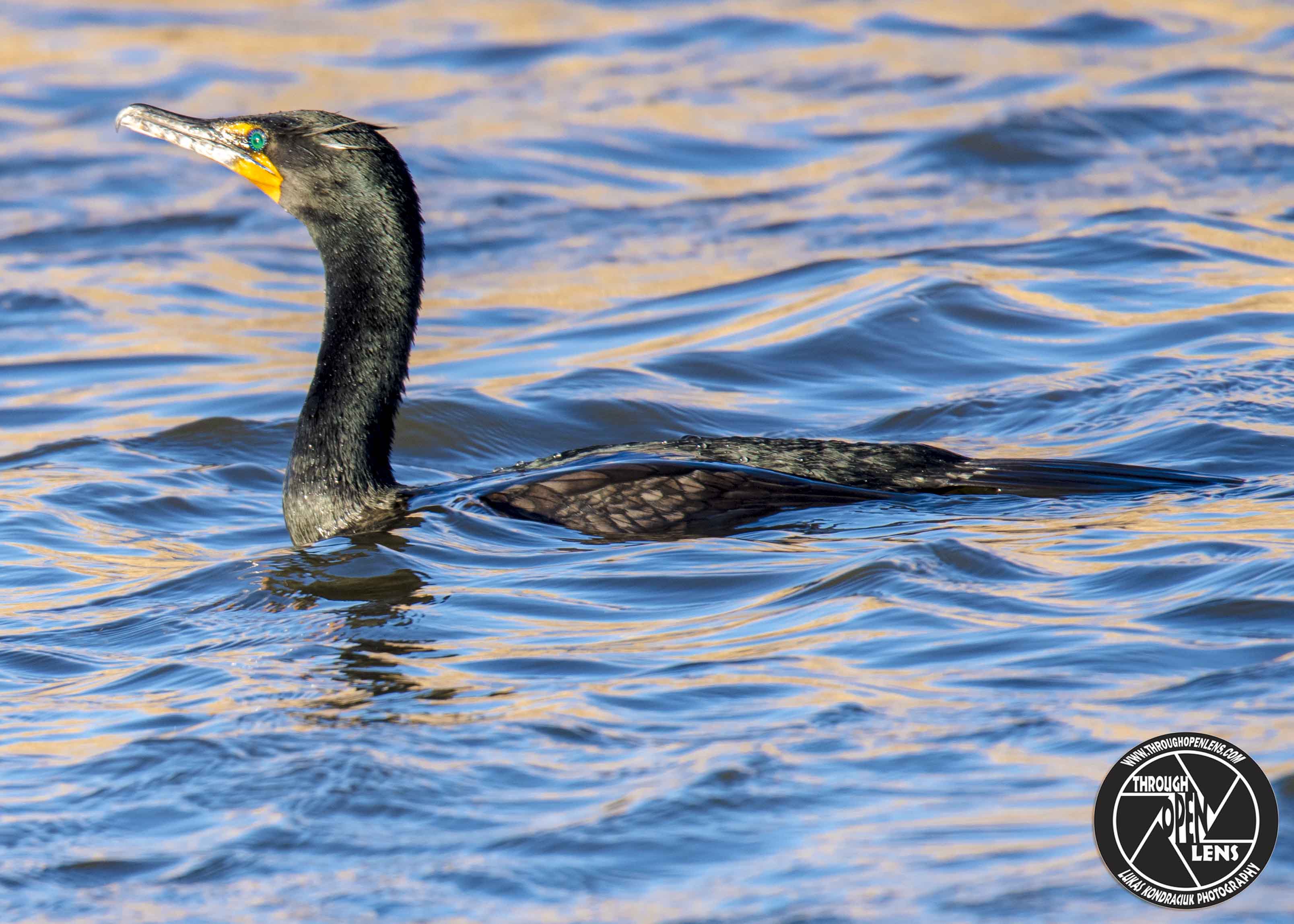
Gone Crazy! Be Back Soon!

F/9.0, 1/320, ISO 320.

Double-crested Cormorant 

What did one toilet say to the other toilet?

You look a bit flushed.

Interesting Fact: Double-crested Cormorant nests often are exposed to direct sun. Adults shade the chicks and also bring them water, pouring it from their mouths into those of the chicks. ( https://www.allaboutbirds.org/guide/Double-crested_Cormorant )

Don’t Look Back You’re Not Going That Way

F/5.6, 1/500, ISO 220.

Least Sandpiper

Browsing in a pet shop, a man sees a beautiful parrot with a red
string tied to its left leg and a green string tied to its right
leg, and asks the store owner about the different colored strings.
“This is a highly-trained parrot,” the owner explains. “If you
pull the red string, he’ll speak French.  If you pull the green
string, he’ll speak Spanish.”
The customer asks, “What happens if I pull both strings?”
“I’ll fall off my perch, dummy!” screeches the parrot.

Interesting Fact: Eastern populations probably fly nonstop over the ocean from the Gulf of St. Lawrence and New England to wintering grounds in northeastern South America, a distance of about 1,800 to 2,500 miles. ( https://www.allaboutbirds.org/guide/Least_Sandpiper/lifehistory )


Don’t Forget To Duck!

F/14.0, 1/800, ISO 640.

Northern Shoveler 

To whom do fish go to borrow money?

The loan shark!

Interesting Fact: They are fairly social ducks, occurring in groups with shovelers and other dabbling ducks, especially during the winter. During the breeding season, they are less tolerant of other shovelers encroaching on their territory. Defensive males often chase intruders on the water and in the air. ( https://www.allaboutbirds.org/guide/Northern_Shoveler/lifehistory )


In My Defense, I Was Left Unsupervised.

F/9.0, 1/320, ISO 640.

American Goldfinch

A unit in sex education was about to begin, and each student had to bring in a permission slip in order to take it.

Little Tommy handed in his slip and explained to the teacher, “My mom says I can take the course as long as there’s no homework.”

Interesting Fact: Goldfinches move south in winter following a pattern that seems to coincide with regions where the minimum January temperature is no colder than 0 degrees Fahrenheit on average. ( https://www.allaboutbirds.org/guide/American_Goldfinch )


I Just Love The Way I Feel, Hmmm.

F/11.0, 1/500, ISO 200.

Mute Swan

What do clouds do when they become rich?

They make it rain!

Interesting Fact: Mute Swans form long-lasting pair bonds. Their reputation for monogamy along with their elegant white plumage has helped establish them as a symbol of love in many cultures. ( https://www.allaboutbirds.org/guide/Mute_Swan/lifehistory )

I Am Coming For You!

F/11.0, 1/500, ISO 400.

Ruddy Duck ( Juvenile ) 

Why are elephants such poor dancers?

Because they have two left feet.

Interesting Fact: Ruddy Ducks get harassed by Horned Grebes, Pied-billed Grebes, and American Coots during the breeding season. The grebes sometimes attack Ruddy Ducks from below the water, a behavior known as “submarining.” ( https://www.allaboutbirds.org/guide/Ruddy_Duck )

People Say Nothing Is Impossible, But I Do Nothing Every Day.

F/10.0, 1/400, ISO 250.

Ruddy Duck 

Why are mountains so funny?

Because they are hill areas.

Interesting Fact: Most males pair up with one female each for the duration of the breeding season, but some take multiple mates. Their eggs are proportionally the largest of all waterfowl. The ducklings hatch well-developed and active, receiving minimal care from the mother and none from the father. Ducklings are preyed upon by Black-crowned Night-Herons, Ring-billed Gulls, California Gulls, mink, and raccoons. ( https://www.allaboutbirds.org/guide/Ruddy_Duck/lifehistory )