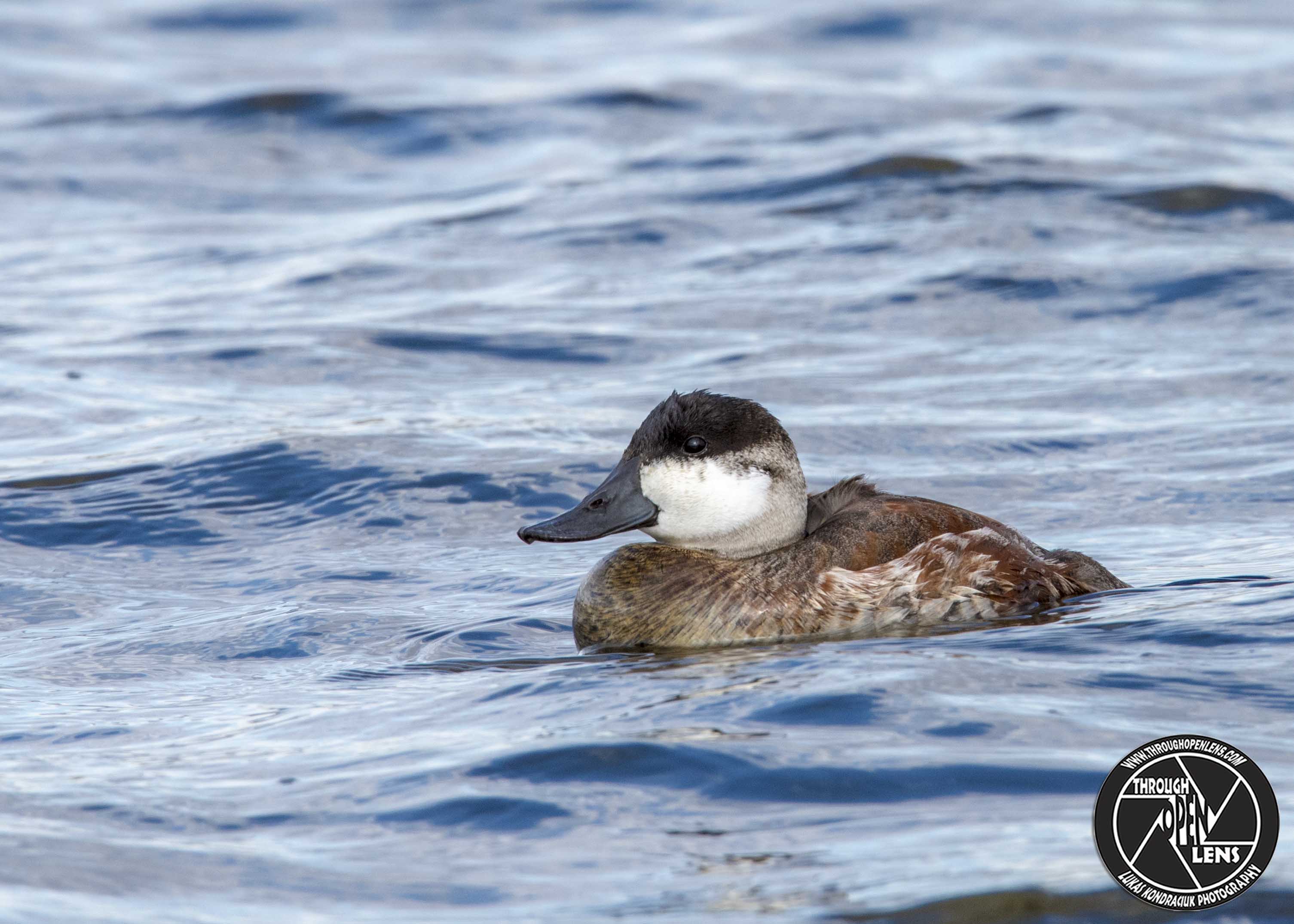
Sometimes Life Isn’t All It’s Quacked Up To Be!

F/11.0, 1/500, ISO 500.

Ruddy Duck

Why are trees so care free and easy going?

Because every fall, they let loose.

Interesting Fact: Ruddy Ducks breed in wetlands and reservoirs from southwestern Canada through the western United States and Mexico, as well as in scattered sites in the eastern United States and on the Caribbean islands. About 86 percent of the breeding population is concentrated in the prairie pothole region of south-central Canada and north-central United States. Their breeding habitat includes large marshes, stock ponds, reservoirs, and deep natural basins. ( https://www.allaboutbirds.org/guide/Ruddy_Duck/lifehistory )

Head Banging Is My Stress Reduction!

F/6.3, 1/800, ISO 800.

Yellow-Bellied Sapsucker

Why did the police arrest the turkey?

They suspected it of fowl play!

Interesting Fact: Yellow-bellied Sapsuckers have been found drilling sapwells in more than 1,000 species of trees and woody plants, though they have a strong preference for birches and maples. ( https://www.allaboutbirds.org/guide/Yellow-bellied_Sapsucker )

Don’t Give Me That Look!

F/9.0, 1/320, ISO 320.

Double-crested Cormorant

What did the sick chicken say?

Oh no! I have the people-pox!

Interesting Fact: From a distance, Double-crested Cormorants are dark birds with snaky necks, but up-close they’re quite colorful—with orange-yellow skin on their face and throat, striking aquamarine eyes that sparkle like jewels, and a mouth that is bright blue on the inside. ( https://www.allaboutbirds.org/guide/Double-crested_Cormorant/lifehistory )

I’m So Fly!

F/11.0, 1/500, ISO 320.

Northern Harrier

A camel meets an elephant.

The elephant asks jokingly: “Why do you have two breasts on your back?”

The camel replies: “With a face like yours, I’d just shut up.”

Interesting Fact: Northern Harriers are the most owl-like of hawks (though they’re not related to owls). They rely on hearing as well as vision to capture prey. The disk-shaped face looks and functions much like an owl’s, with stiff facial feathers helping to direct sound to the ears. ( https://www.allaboutbirds.org/guide/Northern_Harrier

OWL Get You!

F/6.3, 1/250, ISO 1600.

Short Eared Owl

When does a Owl go “mooooo”?

When it is learning a new language!

Interesting Fact: As suggested by their wide global distribution, Short-eared Owls can travel long distances over vast expanses of ocean. Witnesses have reported seeing these owls descending on ships hundreds of miles from land.  ( https://www.allaboutbirds.org/guide/short-eared_owl/lifehistory )

Ask Me Why I’m Angry?!

American Goldfinch

F/10.0, 1/400, ISO 400.

American Goldfinch

An angry wife was complaining about her husband spending all his free time in a bar, so one night he took her along with him. “What’ll you have?” he asked.

“Oh, I don’t know. The same as you I suppose,” she replied.

So, the husband ordered a couple of Jack Daniel’s and threw his down in one shot. His wife watched him, then took a sip from her glass and immediately spat it out.

“Yuck, that’s TERRIBLE!” she spluttered. “I don’t know how you can drink this stuff!”

“Well, there you go,” cried the husband. “And you think I’m out enjoying myself every night!”

Interesting Fact: American Goldfinches are the only finch that molts its body feathers twice a year, once in late winter and again in late summer. The brightening yellow of male goldfinches each spring is one welcome mark of approaching warm months. ( https://www.allaboutbirds.org/guide/American_Goldfinch/lifehistory )

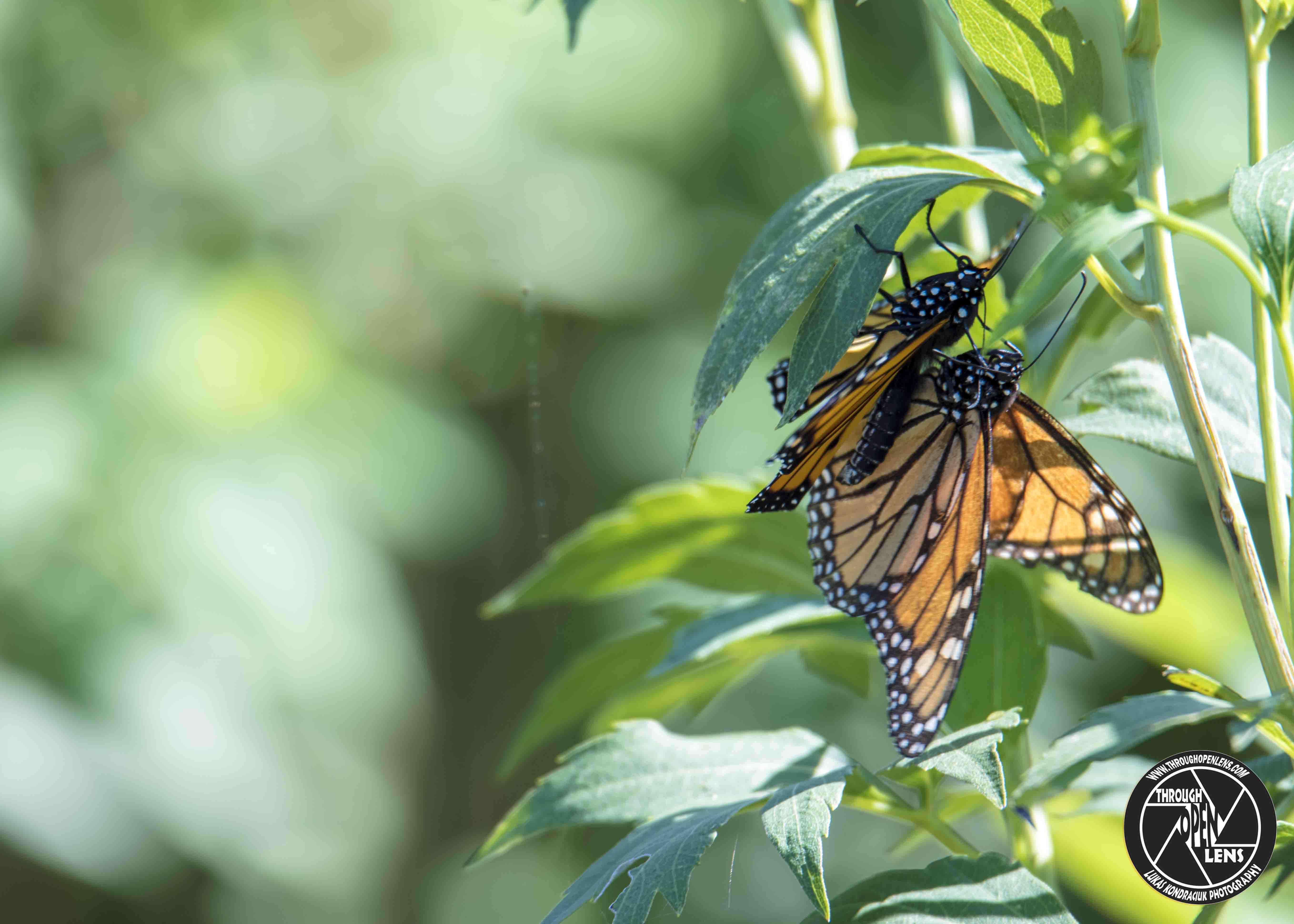
Social Butterfly!

F/6.3, 1/160, ISO 160.

Butterfly

What do you call a belt with a watch on it?

A waist of time.

Interesting Fact:  Butterflies in their adult stage can live from a week to nearly a year depending on the species. Many species have long larval life stages while others can remain dormant in their pupal or egg stages and thereby survive winters.[30] The Melissa Arctic (Oeneis melissa) overwinters twice as a caterpillar.[31] Butterflies may have one or more broods per year. The number of generations per year varies from temperate to tropical regions with tropical regions showing a trend towards multivoltinism. ( https://en.wikipedia.org/wiki/Butterfly#Biology )

You Can Stop Driving Me Crazy,I Can Walk From Here!

F/11.0, 1/500, ISO 200.

Snowy Egret

A little boy asked his father, “Daddy, how much does it cost to get married?”

And the father replied, “I don’t know, son, I’m still paying for it.”

Interesting Fact: During the breeding season, adult Snowy Egrets develop long, wispy feathers on their backs, necks, and heads. In 1886 these plumes were valued at $32 per ounce, which was twice the price of gold at the time. Plume-hunting for the fashion industry killed many Snowy Egrets and other birds until reforms were passed in the early twentieth century. The recovery of shorebird populations through the work of concerned citizens was an early triumph and helped give birth to the conservation movement. ( https://www.allaboutbirds.org/guide/Snowy_Egret )

Swim Your Worries Away!

F/10.0, 1/400, ISO 400.

Northern Shoveler 

A jumper cable walks into a bar.

The bartender says, “I’ll serve you, but don’t start anything.”

Interesting Fact: Northern Shovelers don’t just occur in the Americas, they also breed across Europe and spend the winter throughout Europe, Africa, and India. ( https://www.allaboutbirds.org/guide/Northern_Shoveler )

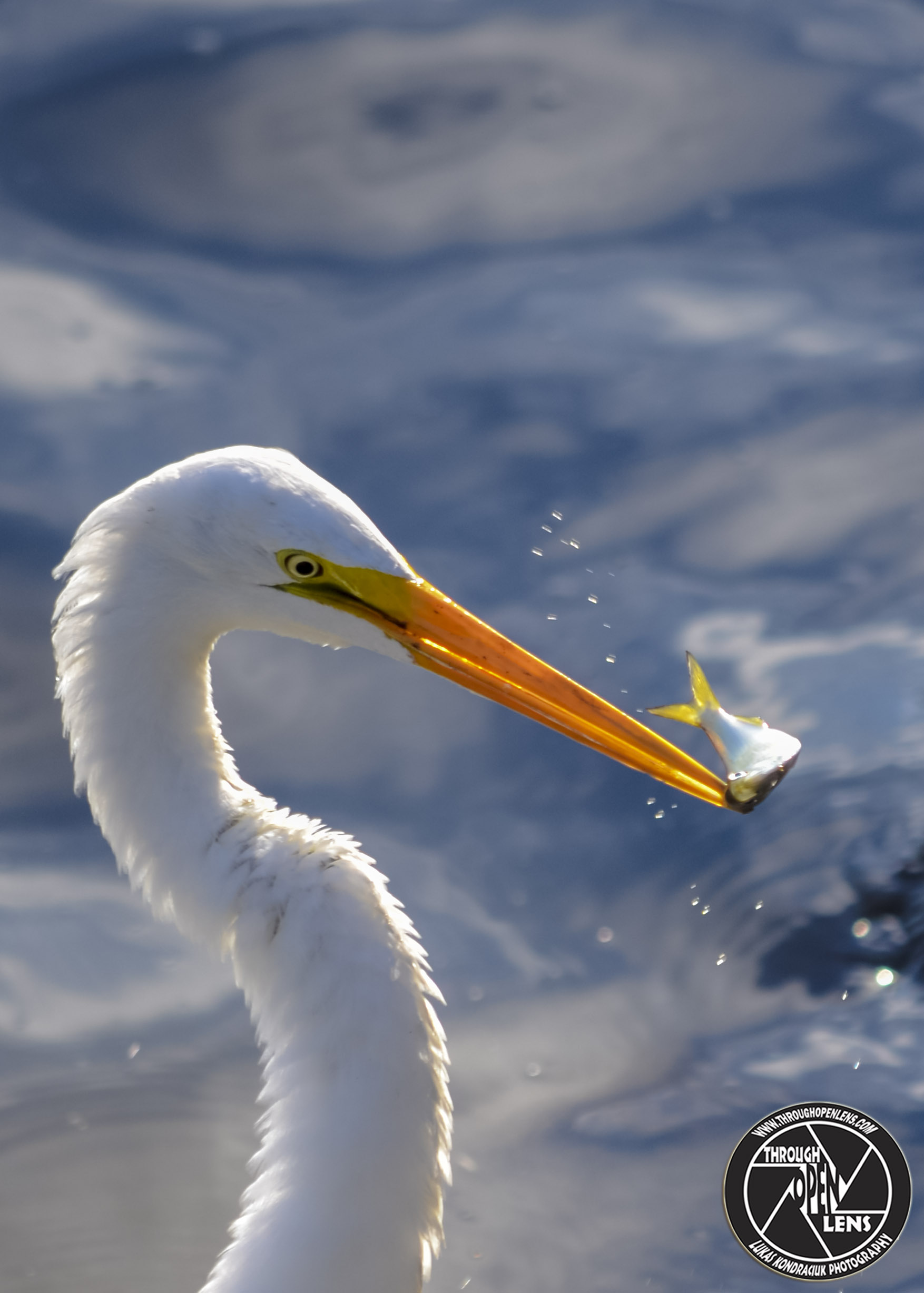
Catch Me If You Can!

F/5.6, 1/500, ISO 200.

Great Egret

What do you call a man with a rubber toe?

Roberto.

Interesting Fact: Though it mainly hunts while wading, the Great Egret occasionally swims to capture prey or hovers (somewhat laboriously) over the water and dips for fish. ( https://www.allaboutbirds.org/guide/Great_Egret