Here I Sit Broken Hearted Tried To Poop But Only Farted

F/9.0, 1/320, ISO 500.

Yellow-Rumped Warbler

Why did Bob throw the clock out of the window?

Because he wanted to see time fly!

Interesting Fact: Yellow-rumped Warblers flit through the canopies of coniferous trees as they forage. They cling to the bark surface to look for hidden insects more than many warblers do, but they also frequently sit on exposed branches and catch passing insects like a flycatcher does. ( https://www.allaboutbirds.org/guide/Yellow-rumped_Warbler/lifehistory )
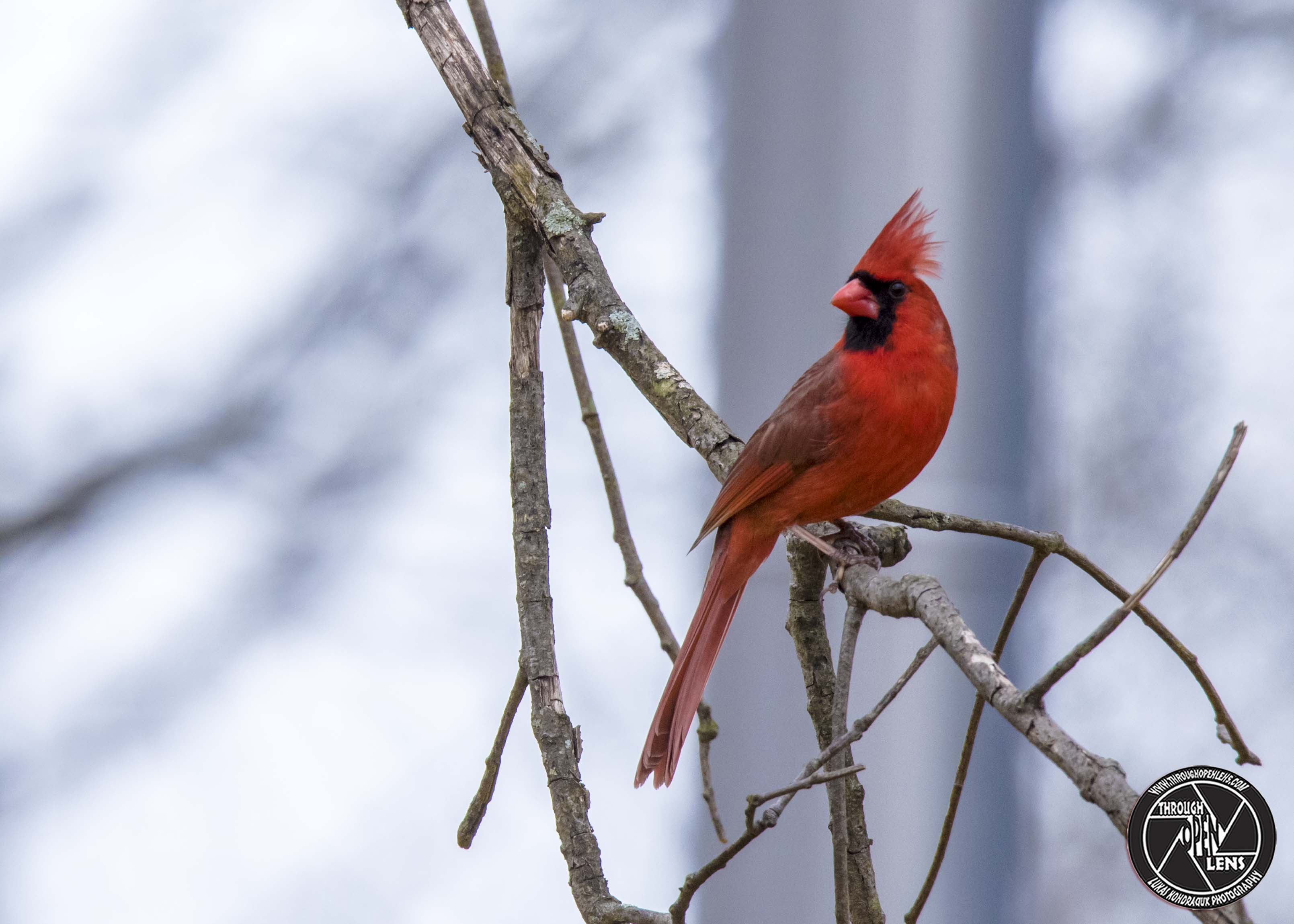
I Was Redhead Before It Was Cool!

F/10.0, 1/400, ISO 640.

Northern Cardinal ( Male ) 

Why did Captain Kirk go in to the ladies room? 

Because he wanted to go where no man had gone before.

Interesting Fact:  The Cardinal nest typically takes 3 to 9 days to build; the finished product is 2-3 inches tall, 4 inches across, with an inner diameter of about 3 inches. Cardinals usually don’t use their nests more than once. ( https://www.allaboutbirds.org/guide/Northern_Cardinal/lifehistory )

I Been Feeling Puffy Lately!

F/9.0, 1/320, ISO 200.

Killdeer

What do you call a belt with a watch on it?

A waist of time.

Interesting Fact: Killdeer nests are simple scrapes often placed on slight rises in their open habitats. Killdeer may make several scrapes not far away from each other before choosing one to lay in. The duplication may help to confuse predators. ( https://www.allaboutbirds.org/guide/Killdeer/lifehistory )

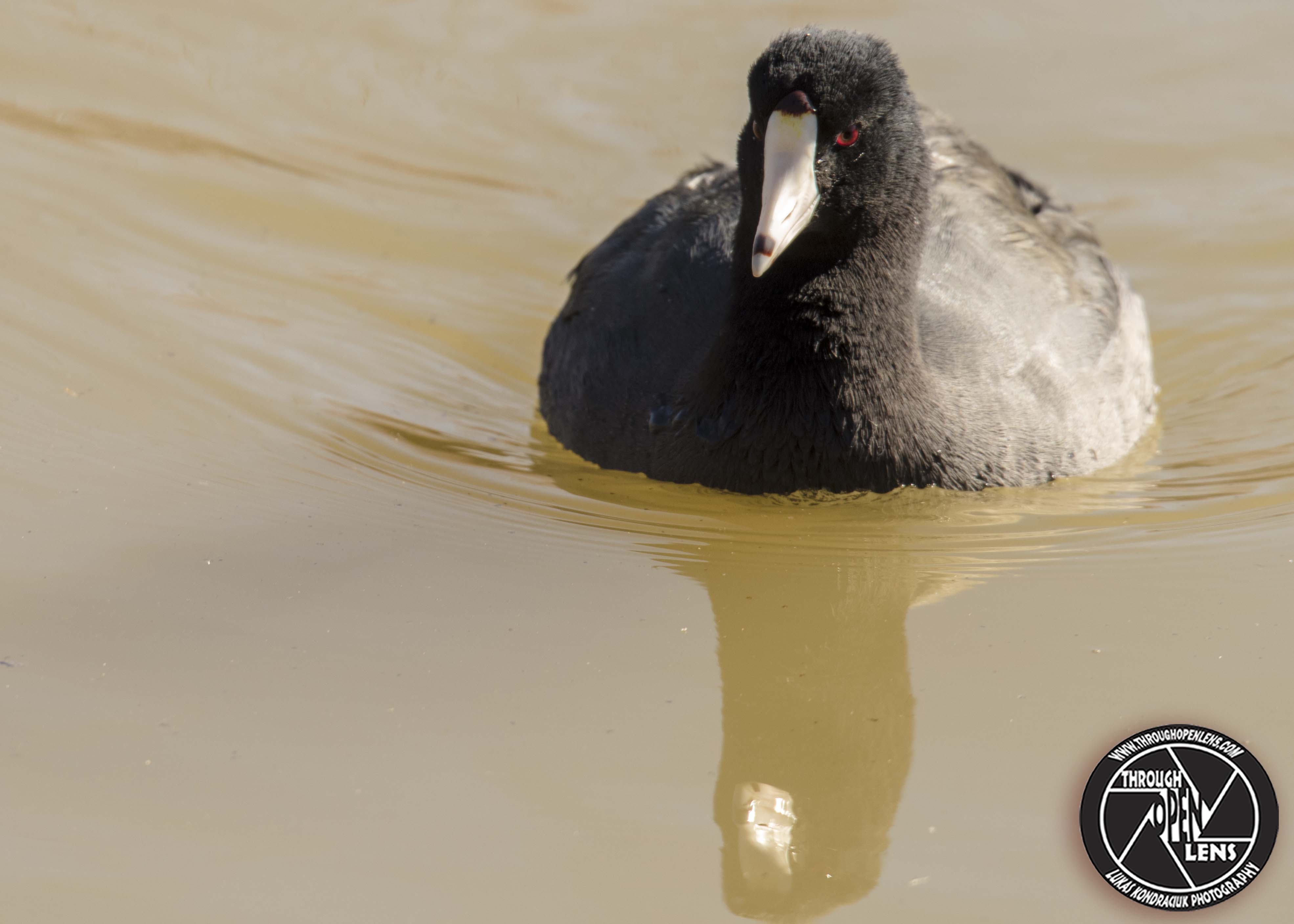
Water Chicken!

F/9.0, 1/320, ISO 320.

American Coot

“Babe is it in?”

“Yea.” “Does it hurt?”

“Uh huh.”

“Let me put it in slowly.”

“It still hurts.”

“Okay, let’s try another shoe size.”

Interesting Fact: A slow and meticulous forager, the American Coot plucks at plants while walking, swimming, dabbling with its head just underwater, or in full dives. In flight coots are clumsy and labored (though less so than Common Moorhens). To get airborne, coots typically have to beat their wings while running across the water for many yards. ( https://www.allaboutbirds.org/guide/American_Coot/lifehistory# )

Which Way Do We Go?

F/9.0, 1/320, ISO 320.

Ruddy Ducks

Where do sheep go to get haircuts?

To the Baa Baa shop!

Interesting Fact: Ruddy Ducks spend the vast majority of their time on the water. They are fast fliers but have little maneuverability in the air, and they tend to swim and dive rather than fly to escape predators—which include Red-tailed Hawks, Great Horned Owls, mink, raccoons, and red foxes.  ( https://www.allaboutbirds.org/guide/Ruddy_Duck/lifehistory )

Bellllyyyy Floooop!

F/11.0, 1/500, ISO 320.

Bufflehead Duck

Why are hairdressers never late for work?

Because they know all the short cuts!

Interesting Fact: Bufflehead nest only in cavities, using holes dug by Northern Flickers and sometimes Pileated Woodpeckers (as well as artificial nest boxes). In the summer, females that are too young to breed, or whose nests have failed, fly around in noisy groups and scope out the available nest holes for the following breeding season. Just before laying, females make more secretive flights to prospective holes, either alone or with their mates. They usually choose cavities in poplar or aspen trees, except in California where they often use pine trees. ( https://www.allaboutbirds.org/guide/Bufflehead/lifehistory )

If You Dare Come A Little Closer!

F/8.0, 1/1000, ISO 200.

Black-crowned Night-Heron

What did the big chimney say to the little chimney?

“You’re too young to smoke.”

 Interesting Fact: Some populations stay in one place year-round, while others disperse short distances of 5–60 miles. Others migrate farther, such as from Massachusetts to Florida and the Caribbean, or from Alberta to Mexico and Cuba. Migrants follow the coast or the Mississippi River flyway. ( https://www.allaboutbirds.org/guide/Black-crowned_Night-Heron/lifehistory )

It Will Be A Good Day As Long As You Won’t Hit Or Bite Anyone!

F/6.3, 1/80, ISO 320.

Common Yellowthroat

Why is Peter Pan always flying?

Because he neverlands.

Interesting Fact: Each male normally has only one mate in his territory during a breeding season. However, a female’s mating calls often attract other males, and she may mate with them behind her mate’s back. ( https://www.allaboutbirds.org/guide/Common_Yellowthroat/ )

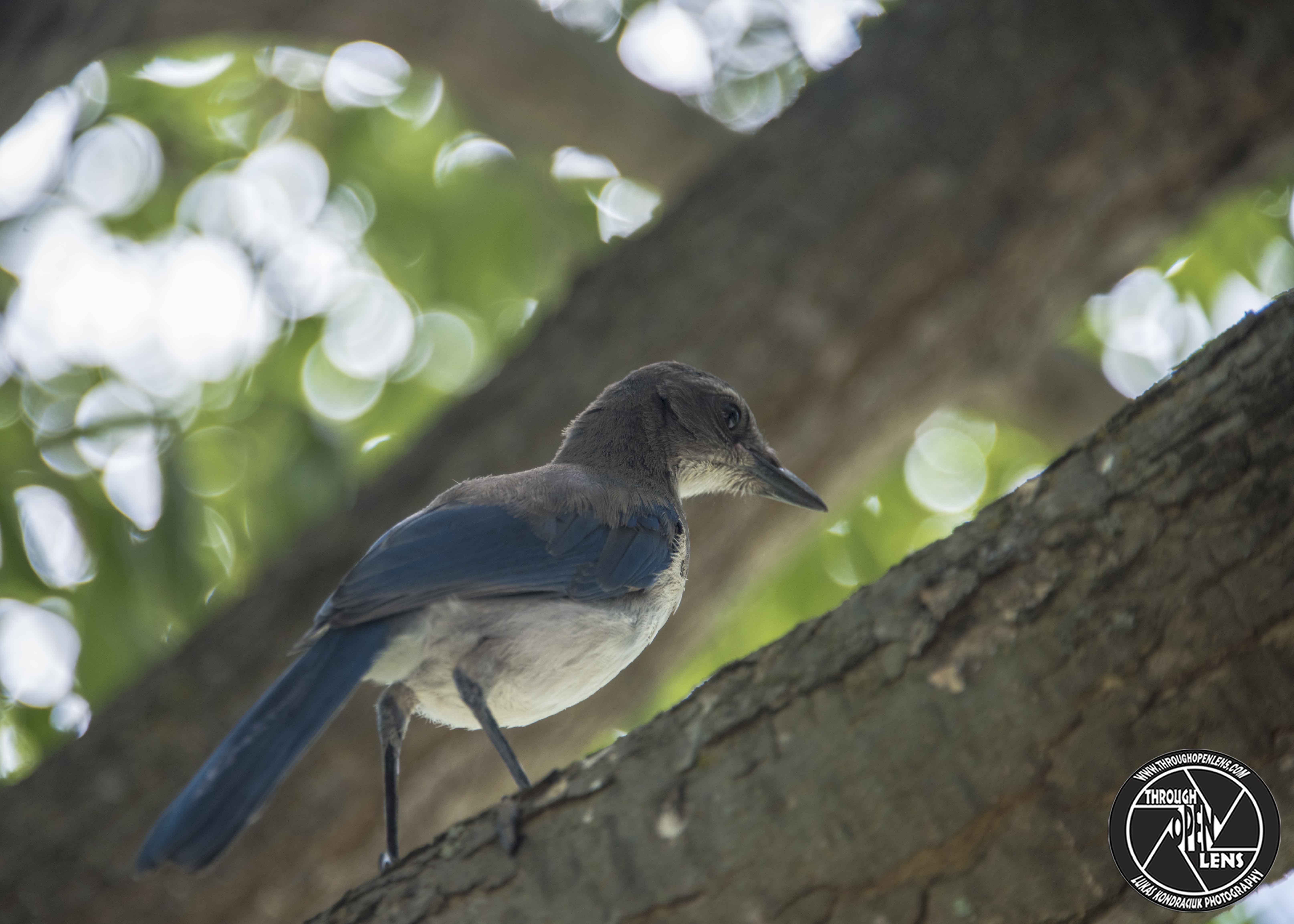
Blue Looks Good On You!

F/5.6, 1/160, ISO 320.

California Scrub-Jay

Why did Papa Smurf send Smurfette to see a doctor???

She was always feeling blue…

Interesting Fact: Look closely, and you’ll see an intriguing difference between the California Scrub-Jay and its close relative, Woodhouse’s Scrub-Jay. The bill of a California Scrub-Jay is stout and hooked, giving it extra power and grip as the birds hammer open acorns in their oak woodland habitats. By comparison, Woodhouse’s have thinner, more pointed bills that nimbly reach deep into pinyon pine cones to pull out the pine nuts inside. ( https://www.allaboutbirds.org/guide/California_Scrub-Jay )

Life Is Too Short To Have Boring Hair!

F/9.0, 1/320, ISO 200.

Polish chicken

What do you get when a chicken lays an egg on top of a barn?

An eggroll!

Interesting Fact: 

The Polish or Poland is a European breed of crested chickens known for its remarkable crest of feathers. The oldest accounts of these birds come from The Netherlands; their exact origins are unknown, however.[1] In addition to combs, they are adorned with large crests that nearly cover the entirety of the head. This crest limits their vision, and as a result can affect their temperament. Thus, though normally tame, they may be timid and easily frightened.  ( https://en.wikipedia.org/wiki/Polish_chicken