Just Act Weird It Keeps The Creeps Away!

F/11.0, 1/500, ISO 200.

Snowy Egret

Why did the scarecrow win an award?

Because he was outstanding in his field.

Interesting Fact: Adult Snowy Egrets have greenish-yellow feet for most of the year, but at the height of the breeding season their feet take on a much richer, orange-yellow hue. The bare skin on their face also changes color, from yellow to reddish. ( https://www.allaboutbirds.org/guide/Snowy_Egret )

I Am On A Seafood Diet. I See Food, And I Eat It.

F/ 6.3, 1/80, ISO 640.

Turkey Vulture

Two vultures are in a field, eating a dead clown.

One vulture says to the other, “Does this taste funny to you?”

Interesting Fact:  Turkey Vultures nest in rock crevices, caves, ledges, thickets, mammal burrows and hollow logs, fallen trees, abandoned hawk or heron nests, and abandoned buildings. These nest sites are typically much cooler (by 13°F or more) than surroundings, and isolated from human traffic or disturbance. While they often feed near humans, Turkey Vultures prefer to nest far away from civilization. ( https://www.allaboutbirds.org/guide/Turkey_Vulture/lifehistory )

PhotoBomb!

F/13.0, 1/400, ISO 500.

Black Scoter 

Why did the belt go to jail?

Because it held up a pair of pants!

Interesting Fact:  The Black Scoter is among the most vocal of waterfowl. Groups of Black Scoters often can be located by the constant mellow, plaintive whistling sound of the males.  ( https://www.allaboutbirds.org/guide/Black_Scoter )

I Swear, I Am One Cocktail Away From Telling Everyone What I Really Think!

F/8.0, 1/250, ISO 160.

Least Sandpiper

A Sandwich walks into a bar.

The bartender says “Sorry, we don’t serve food here”

Interesting Fact: Researchers studying Least Sandpipers discovered a new feeding mechanism. While probing damp mud with their bills, the sandpipers use the surface tension of the water to transport prey quickly from their bill tips to their mouths. ( https://www.allaboutbirds.org/guide/Least_Sandpiper/ )

Chill The Fox Out!

F/6.3, 1/40, ISO 500.

Red Fox

Why did the man lose his job at the orange juice factory?

He couldn’t concentrate!

Interesting Fact: In winter, foxes meet to mate. The vixen (female) typically gives birth to a litter of 2 to 12 pups. At birth, red foxes are actually brown or gray. A new red coat usually grows in by the end of the first month, but some red foxes are golden, reddish-brown, silver, or even black. Both parents care for their young through the summer before they are able to strike out on their own in the fall. ( https://www.nationalgeographic.com/animals/mammals/r/red-fox/ )

Let Me Sing You A Song!

F/6.3, 1/640, ISO 100.

Northern Mockingbird

What’s a monsters favorite desert?

I-Scream!

Interesting Fact: Northern Mockingbirds continue to add new sounds to their repertoires throughout their lives. A male may learn around 200 songs throughout its life. ( https://www.allaboutbirds.org/guide/Northern_Mockingbird/lifehistory )

I’m Looking Forward To The Weekend. Who’s With Me?

F/9.0, 1/320, ISO 400.

White-throated Sparrow

A man asked a waiter. “What is this fly doing in my soup?”

The waiter replied. “It looks like its swimming sir.”

Interesting Fact:  During the breeding season the males are aggressive, chasing each other off their territories. “White-striped” forms tend to be more aggressive than “tan-striped” forms. Later in the breeding season this aggressiveness declines, and by fall White-throated Sparrows form large flocks that forage together. ( https://www.allaboutbirds.org/guide/White-throated_Sparrow/lifehistory  )

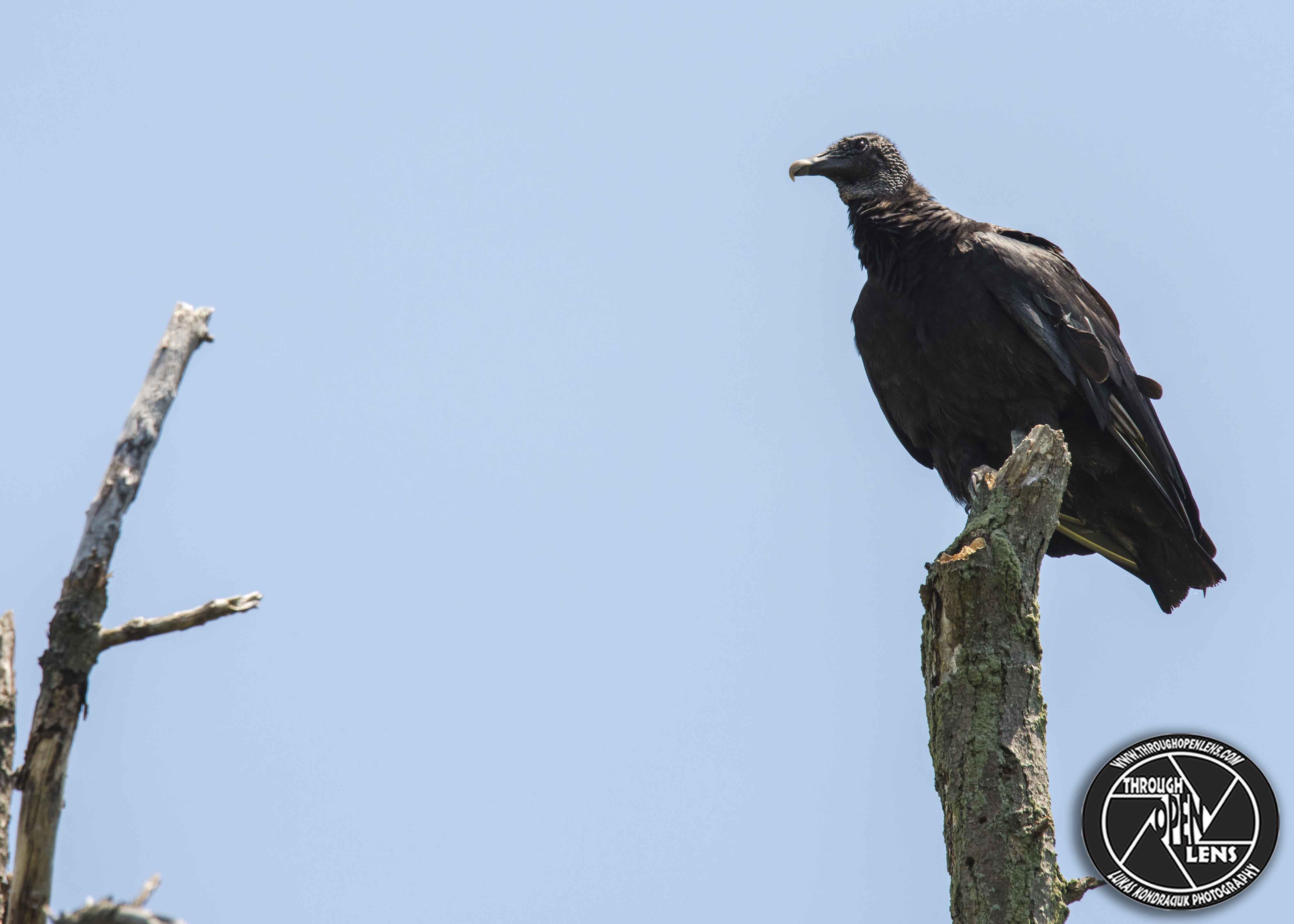
Patience Is Not The Ability To Wait But How You Act While You’re Waiting

F/10.0, 1/400, ISO 400.

Black Vulture

Why can’t you give Elsa a balloon?

Because she will Let it go.

Interesting Fact: Black Vultures lack a voice box and so their vocal abilities are limited to making raspy hisses and grunts. ( https://www.allaboutbirds.org/guide/Black_Vulture/lifehistory )

Bambi

F/5.0, 1/60, ISO 320.

White-Tailed Deer Fawns

What do you call a deer with no eyes?

I have no I-Deer

Interesting Fact: At birth, white tail fawns have a spotted reddish coat that is fairly silky. There may be several hundred spots on the coat. The spots enable the fawn to camouflage itself, with the colors blending well with the surrounding natural environment. They usually weigh between 4 to 8 pounds at birth. The whitetail fawn loses its spots by the end of October of the same year it was born, or within 3 to 4 months after birth.  ( http://www.the-whitetail-deer.com/whitetail-deer-fawns.html )

I Might Be Too Punk Rock For You.

F/ 7.1, 1/200, ISO 1600.

Pileated Woodpecker 

When is it bad luck to be followed by a black cat?

When you’re a mouse.

Interesting Fact: When hammering into this soft wood, Pileated Woodpeckers use their long necks to pull far back from the tree, then make powerful strikes with their heavy bills, pulling with their feet to increase the strength of the blow. The sound is often audible as a heavy thunk, and large chips of wood collect on the ground below. ( https://www.allaboutbirds.org/guide/Pileated_Woodpecker/lifehistory )