I Need A Hug!

F/5.6, 1/500, ISO 200.

Double-Crested Cormorant 

What do birds do on their free time?

They check their Twitter account.

Interesting Fact: Double-crested cormorants are gregarious birds that are almost always near water. Their main two activities are fishing and resting, with more than half their day spent on the latter. When at rest, a cormorant will choose an exposed spot on a bare branch or a windblown rock, and often spread its wings out, which is thought to be a means of drying their feathers after fishing. ( https://www.allaboutbirds.org/guide/Double-crested_Cormorant/lifehistory )
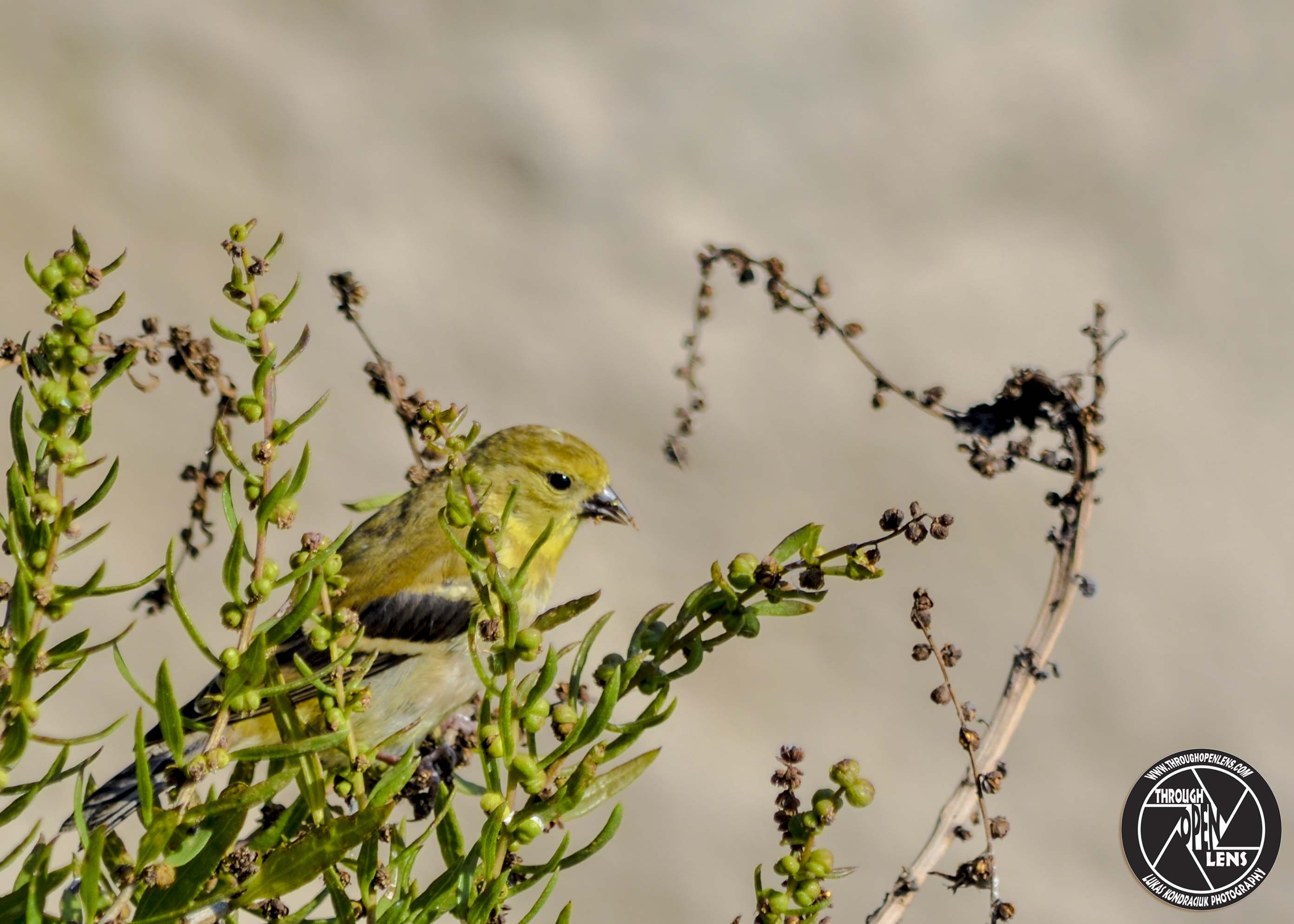
 

Peek A Boo I Can Still See You!

F/7.1, 1/800, ISO 200.

American Goldfinch

What do computers snack on when they’re hungry?

Chips!

Interesting Fact: Male and female move around together to choose a suitable nest site. The female builds the nest, usually in a shrub or sapling in a fairly open setting rather than in forest interior. The nest is often built high in a shrub, where two or three vertical branches join; usually shaded by clusters of leaves or needles from above, but often open and visible from below. ( https://www.allaboutbirds.org/guide/American_Goldfinch/lifehistory )


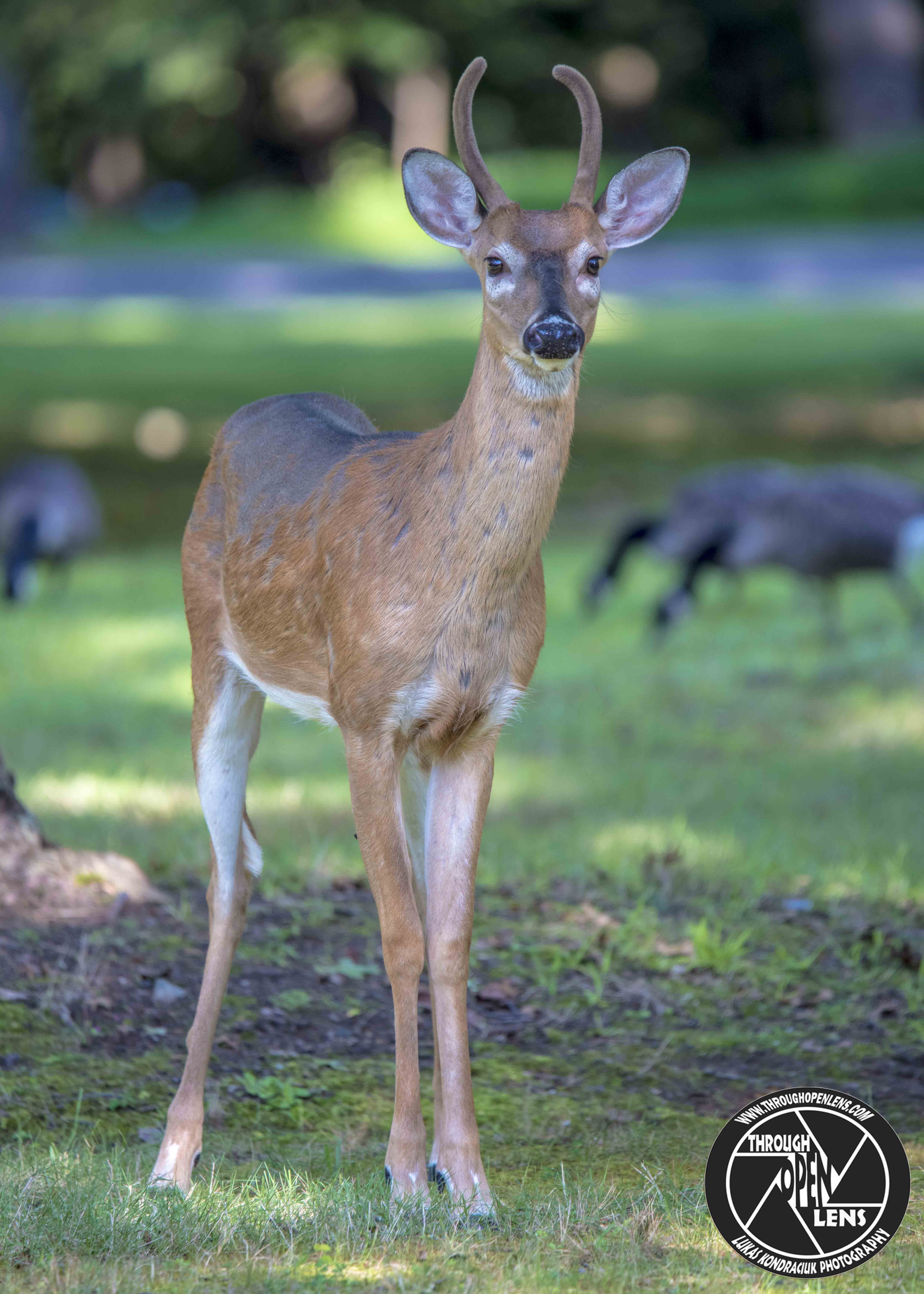
BUCK YOU!

F/6.3, 1/125, ISO 500.

White-Tailed Deer

What do you call a sleeping bull?

A bulldozer

Interesting Fact: Males regrow their antlers every year. About one in 10,000 females also has antlers, although this is usually associated with freemartinism. ( https://en.wikipedia.org/wiki/White-tailed_deer

In Memory Of 9/11

F/16.0, 30.0, ISO 160.

We Will Never Forget 9/11.

Interesting Fact: On clear nights, the lights can be seen from over 60 miles (97 km) away, visible in all of New York City and most of suburban Northern New Jersey and Long Island. The lights can also be seen in Fairfield County, Connecticut, as well as Westchester, Orange, and Rockland counties in New York. The beams have been clearly visible as far north as the terrace at Century Country Club in Purchase, New York, from at least as far west as western Morris County, in Flanders, New Jersey, at least as far east as the barrier beach of Fire Island in Suffolk County, New York on Long Island, and as far south near Trenton, New Jersey in nearby Hamilton. ( https://en.m.wikipedia.org/wiki/Tribute_in_Light )

By Invitation Only!

F/5.6, 1/500, ISO 200.

Mallard Female

Why do barbers make good drivers?

They know all the shortcuts.

Interesting Fact: During egg-laying phase, she lines the nest with grasses, leaves, and twigs from nearby. She also pulls tall vegetation over to conceal herself and her nest. After incubation begins, she plucks down feathers from her breast to line the nest and cover her eggs. The finished nest is about a foot across, with a bowl for the eggs that is 1–6 inches deep and 6–9 inches across. ( https://www.allaboutbirds.org/guide/Mallard/lifehistory )

I Am Happy To See You!

F11.0, 1/500, ISO 400.

Ruddy Ducks

What do you call a bee that lives in America?

A USB

Interesting Fact: Ruddy Ducks are very aggressive toward each other and toward other species, especially during the breeding season. Unlike most ducks, they form pairs only after arriving on the breeding grounds each year. Males perform unusual courtship displays in which they stick their tails straight up while striking their bills against their inflated necks, creating bubbles in the water as air is forced from their feathers. They punctuate the end of the display with a belch-like call. ( https://www.allaboutbirds.org/guide/Ruddy_Duck/lifehistory )


Let’s Get Soaking Wet!

F/5.6, 1/500, ISO320.

American Robin

What did the bartender say after a book walked into the bar?

“Please, no stories!”

Interesting Fact: Robins eat a lot of fruit in fall and winter. When they eat honeysuckle berries exclusively, they sometimes become intoxicated. ( https://www.allaboutbirds.org/guide/American_Robin )

Never Bend Your Head. Always Hold It High. Look The World Straight In The Eye.

F/10.0, 1/400, ISO 320.

Curve-billed Thrasher

A wife says, “Hey! Look at that funny guy whose been drinking a lot.”

The husband responds, “Who is he?”

The wife answers, “Well, five years ago, he was my boyfriend and I denied him for marriage.”

The husband says, “Oh my God! He’s still celebrating his freedom!”

Interesting Fact: The Curve-billed Thrasher that lives in the Sonoran Desert of Arizona and northwestern Mexico looks different than the form that lives in the Chihuahuan Desert of Texas and central Mexico, and they may be separate species. The Texas and eastern bird has a lighter breast, more contrasting spots, pale wingbars, and white tail corners. The more western form has a grayer breast with less obvious spots, inconspicuous wingbars, and smaller, more grayish tail corners. ( https://www.allaboutbirds.org/guide/Curve-billed_Thrasher/lifehistory )

Caution Chicks At Play! 

F/5.6, 1/1000, ISO 200.

Wild Turkeys Chicks

What did the mama turkey say to her naughty son?

If your papa could see you now, he’d turn over in his gravy!

Interesting Fact: Male Wild Turkeys provide no parental care. Newly hatched chicks follow the female, who feeds them for a few days until they learn to find food on their own. As the chicks grow, they band into groups composed of several hens and their broods. Winter groups sometimes exceed 200 turkeys. ( https://www.allaboutbirds.org/guide/Wild_Turkey/lifehistory )

Hanging Out Is Highly Recommended In This Area

F/8.0, 1/250, ISO 250.

Marsh Wren

What did one brick say to the one above it?

You’re too hard on me.

Interesting Fact: Marsh Wrens pick insects and spiders from stems and leaves of marsh vegetation. They tend to forage close to water, but occasionally fly up to catch a passing insect.  ( https://www.allaboutbirds.org/guide/Marsh_Wren/lifehistory )