Do Not Swallow!

F/13.0, 1/640, ISO 320.

Barn Swallow

What did the blanket say to the bed?

Don’t worry, I’ve got you covered!

Interesting Fact: According to legend, the Barn Swallow got its forked tail because it stole fire from the gods to bring to people. An angry deity hurled a firebrand at the swallow, singeing away its middle tail feathers. ( https://www.allaboutbirds.org/guide/Barn_Swallow/lifehistory )

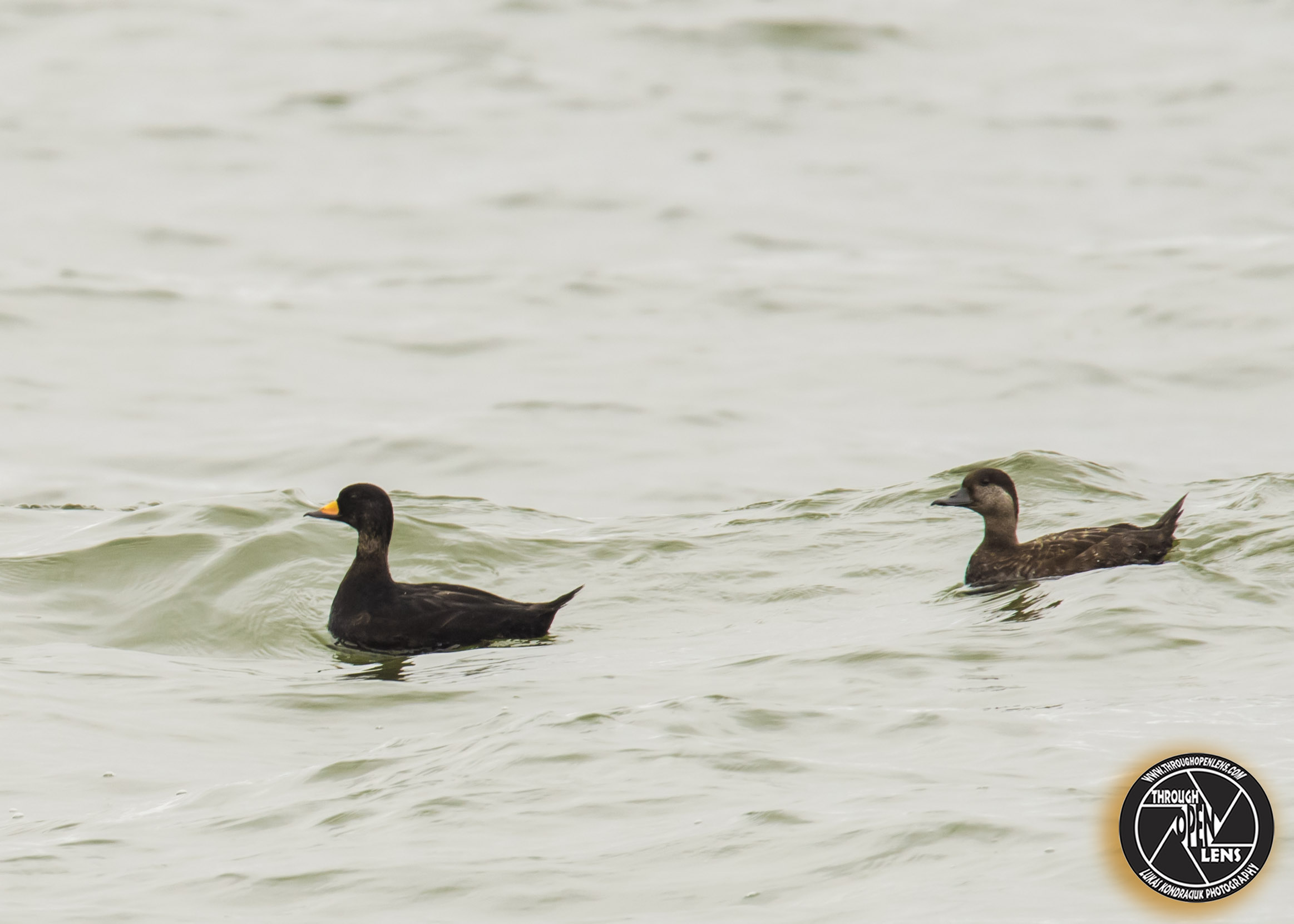
Keep Calm And Quack Quack!

F/11.0, 1/500, ISO 500.

Black Scoter

Mother: What did you learn in school today

Son: How to write.

Mother: What did you write?

Son: I don’t know, they haven’t taught us how to read yet!

Interesting Fact: The Black Scoter is divided into two subspecies. In the form found in Europe, the “Common Scoter,” the male has a larger swollen knob at the base of the upper bill that is black on the sides with a yellow stripe on top, not entirely yellow. ( https://www.allaboutbirds.org/guide/Black_Scoter/lifehistory )


The Crack Of Dawn!

F/10.0, 1/400, ISO 125.

John Deere Tractor At Dawn

What do you get when you cross a robot and a tractor?

transfarmer.

Interesting Fact: The first powered farm implements in the early 19th century were portable engines – steam engines on wheels that could be used to drive mechanical farm machinery by way of a flexible belt. Richard Trevithick designed the first ‘semi-portable’ stationary steam engine for agricultural use, known as a “barn engine” in 1812, and it was used to drive a corn threshing machine.[4] The truly portable engine was invented in 1839 by William Tuxford of Boston, Lincolnshire who started manufacture of an engine built around a locomotive-style boiler with horizontal smoke tubes. A large flywheel was mounted on the crankshaft, and a stout leather belt was used to transfer the drive to the equipment being driven. In the 1850s, John Fowler used a Clayton & Shuttleworth portable engine to drive apparatus in the first public demonstrations of the application of cable haulage to cultivation. ( https://en.wikipedia.org/wiki/Tractor#History )

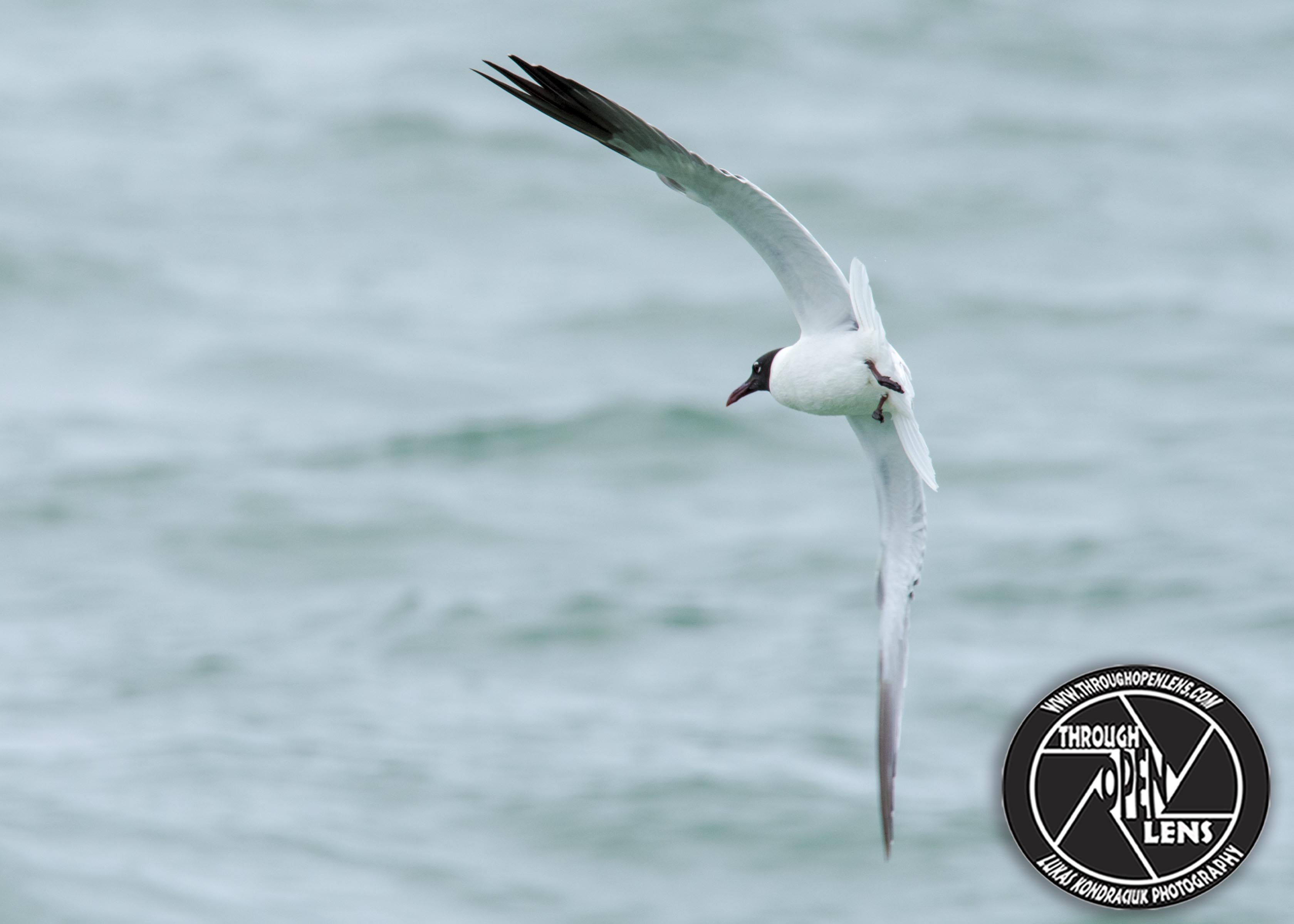
Basic Maneuvers!

F/11.0, 1/500, ISO  320.

Laughing Gull

Why is a river rich?

It has banks on both sides.

Interesting Fact:  The adult Laughing Gull removes the eggshells from the nest after the eggs hatch. If the shells are not removed, a piece can become lodged on top of the slightly smaller unhatched third egg and prevent it from hatching. ( https://www.allaboutbirds.org/guide/Laughing_Gull/lifehistory )

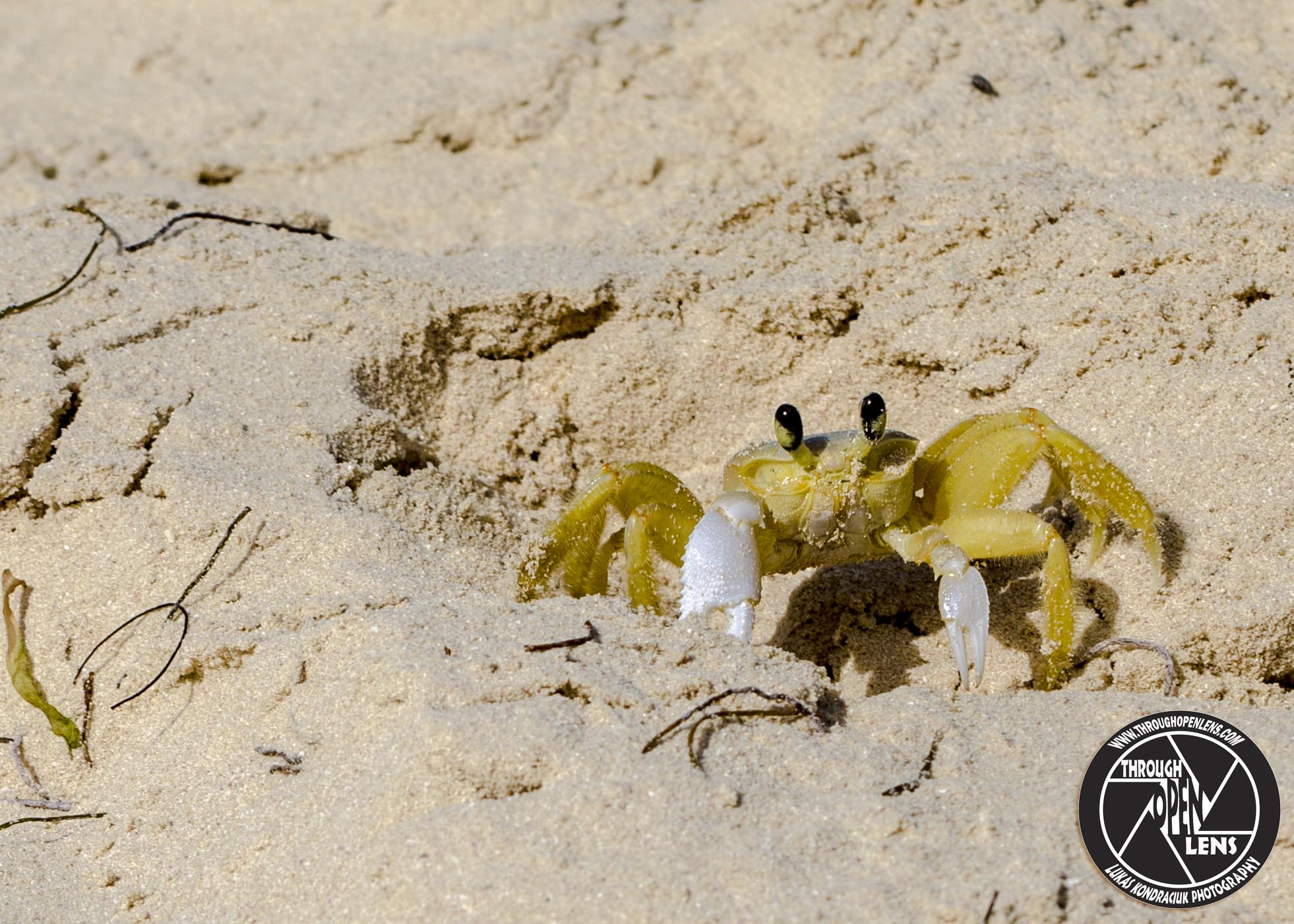
Be Clawsome!

F/8.0, 1/640, ISO 100.

Atlantic Ghost Crab

What’s red and moves up and down?

A tomato in an elevator!

Interesting Fact: The Atlantic ghost crab lives in burrows in sand above the strandline.[2] Older individuals dig their burrows farther from the sea, some starting as much as 400 m (1,300 ft) inland.[4] Burrows can be up to 1.3 m (4 ft 3 in) deep, and can be closed off with sand during hot periods. ( https://en.wikipedia.org/wiki/Atlantic_ghost_crab )

Eat Pasta Swim Fasta!

F/7.1, 1/200, ISO 200.

Black Scoter Duck

Want to hear a construction joke?

Oh never mind, I’m still working on that one.

Interesting Fact: The lined nest is built on the ground close to the sea, lakes or rivers, in woodland or tundra. 5–7 eggs are laid. Each eggs weighs from 60–74 g (2.1–2.6 oz), or 8% of the females body weight. The incubation period may range from 27 to 31 days. Females brood their young extensively for about 3 weeks, after which the still flightless young must fend for themselves. ( https://en.wikipedia.org/wiki/Black_scoter )

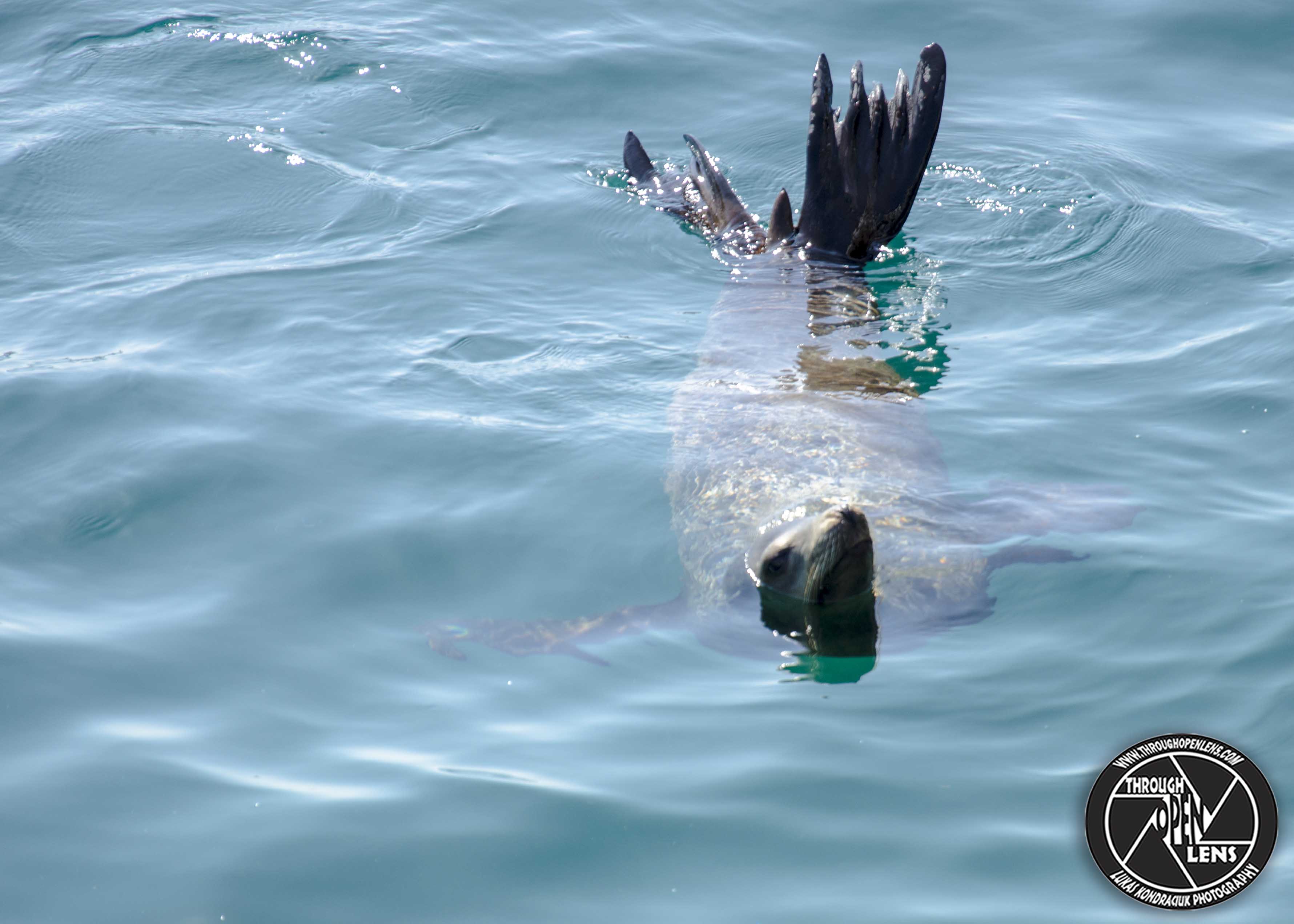
Just Smile And Wave!

F/5.6, 1/320, ISO 100.

California Sea Lion 

Why do sea lions go to Tupperware parties?

To find a tight seal!

Interesting Fact: When diving deep, California sea lions slow their heart rates to allow them to remain underwater for nearly ten minutes before surfacing to breathe. This ability gives them an edge in the pursuit of the fish, squid, and shellfish that make up their primary diet. ( http://www.nationalgeographic.com/animals/mammals/c/california-sea-lion/ )

Waiting Here For You

F/13.0, 1/640, ISO 320.

Great Black-backed Gull

Four high school boys afflicted with spring fever skipped morning classes. After lunch they reported to the teacher that they had a flat tire.

Much to their relief she smiled and said, “Well, you missed a test today so take seats apart from one another and take out a piece of paper.”

Still smiling, she waited for them to sit down. Then she said: “First Question: Which tire was flat?”

Interesting Fact: The Great Black-backed Gull is one of many bird species whose feathers were used for fashionable clothing in the 1800s. After the demise of the feather trade in the early 1900s, Great Black-backed Gull populations increased and spread farther south. Garbage dumps and other sources of human refuse have contributed to their range expansion. ( https://www.allaboutbirds.org/guide/Great_Black-backed_Gull/lifehistory )

Do Whatever Floats Your Boat… As Long As It Doesn’t Sink Mine.

F/5.6, 1/200, ISO 100.

California Sea Lion

A man walks into a bar where the only other occupant is a seal.
he orders a beer and hears the seal say “I like your tie.” confused the man ignores the seal.
But every few minutes the seal calls out another complement.
When the bartender comes the man asks “what’s with the mammal?”
to that the bartender replies “oh that is our seal of approval”

Interesting Fact: California sea lions may hunt continuously for up to 30 hours, with each dive lasting three to five minutes. ( http://animals.nationalgeographic.com/animals/mammals/california-sea-lion/ )

The Sky Speaks In A Thousand Colours.

F/4.5, 1/60, ISO 400.

Did you hear about the astronaut that stepped on the chewing gum?

He got stuck in orbit !

Interesting Fact: As a ray of white sunlight travels through the atmosphere to an observer, some of the colors are scattered out of the beam by air molecules and airborne particles, changing the final color of the beam the viewer sees. Because the shorter wavelength components, such as blue and green, scatter more strongly, these colors are preferentially removed from the beam. ( https://en.wikipedia.org/wiki/Sunset#Historically )