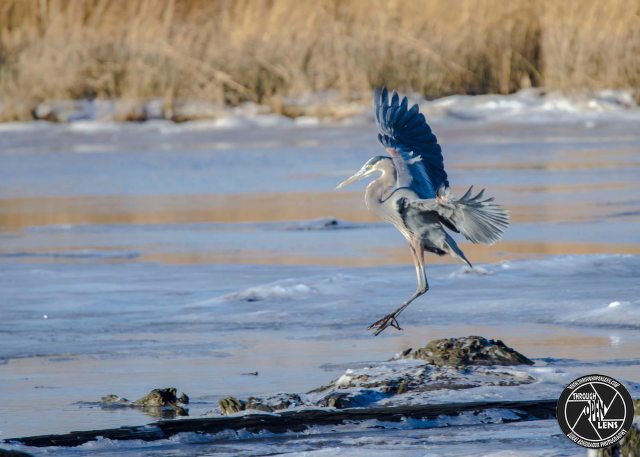
If You Can’t Win An Argument, Correct Their Grammar Instead.

F/8.0, 1/250, ISO 250.

Tree Swallow

Nurse: “The invisible man is here for his appointment.”

Doctor: “Tell him I’m sorry I can’t see him right now.”

Interesting Fact: Tree Swallows nest in natural cavities of standing dead trees, old woodpecker cavities, or nest boxes. On occasion they nest in hollow stumps, building eaves, Wood Duck nest boxes, holes in the ground, old Cliff Swallow burrows, or other unconventional sites.  ( https://www.allaboutbirds.org/guide/Tree_Swallow/lifehistory )

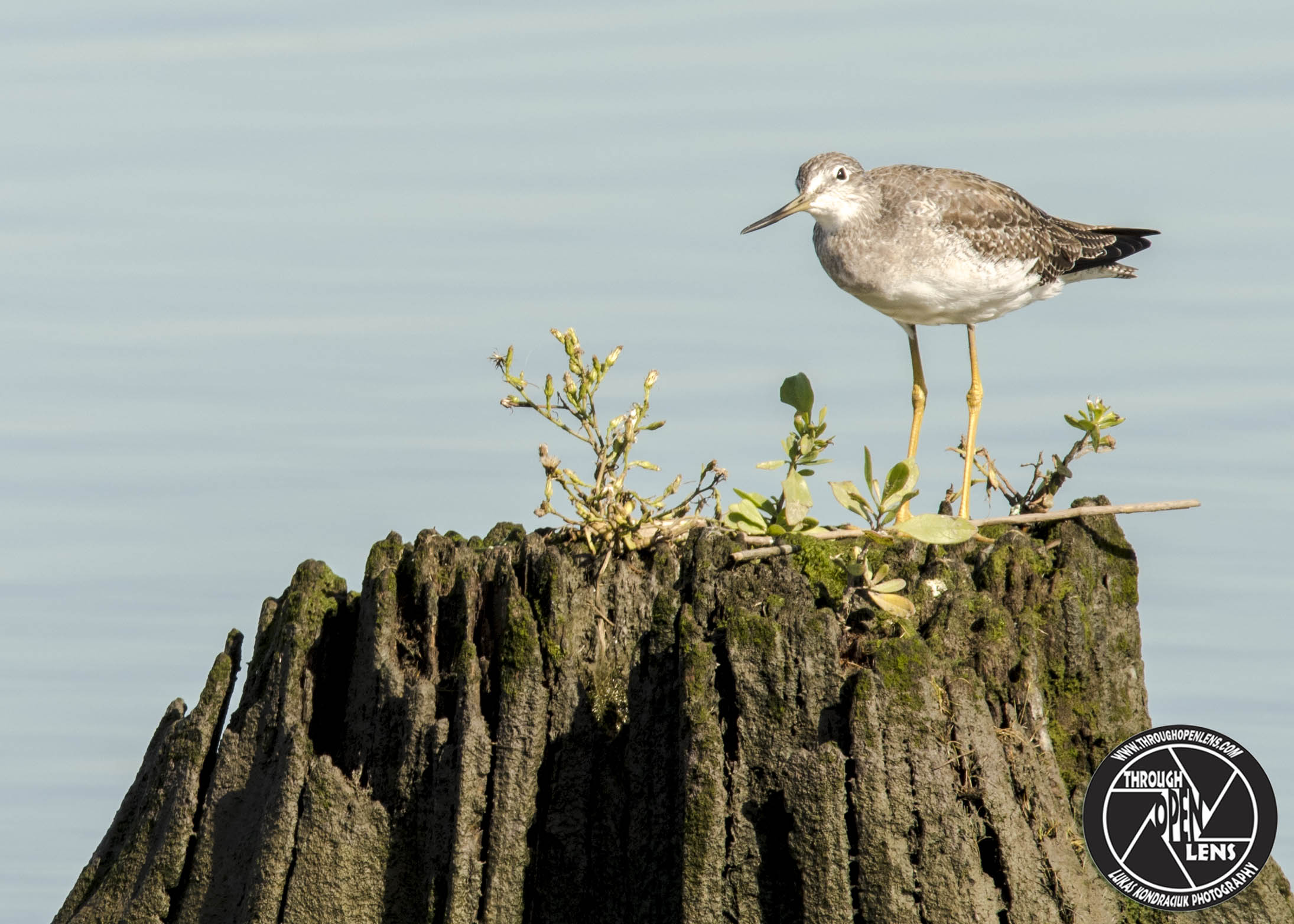
I Have A Leg Up On You

F/10.0, 1/400, ISO 250.

Greater Yellowlegs

Ghosts are hard to impress.

They boo everything.

Interesting Fact: Their breeding habitat is bogs and marshes in the boreal forest region of Canada and Alaska. They nest on the ground, usually in well-hidden locations near water. The three to four eggs average 50 mm (2.0 in) in length and 33 mm (1.3 in) in breadth and weigh about 28 g (0.99 oz). The incubation period is 23 days. The young leave the nest within 24 hours of hatching and then leave the vicinity of the nest within two days.( https://en.wikipedia.org/wiki/Greater_yellowlegs )

Life Always Offers You A Second Chance. It’s Called Tomorrow.

F/10.0, 1/400, ISO 250.

Greater Yellowlegs

Beer Bottle: You break me, you get 1 year of bad luck!

Mirror: You kiddin’ me? You break me, then you will get 7 years of bad luck! 

Condom: Hahaha… (Condom walks off laughing)

Interesting Fact: These birds forage in shallow water, sometimes using their bills to stir up the water. They mainly eat insects and small fish, as well as crustaceans and marine worms. It often walks in sand or mud and leaves clear tracks; it can be possible to gather information about this species using its tracks. ( https://en.wikipedia.org/wiki/Greater_yellowlegs )

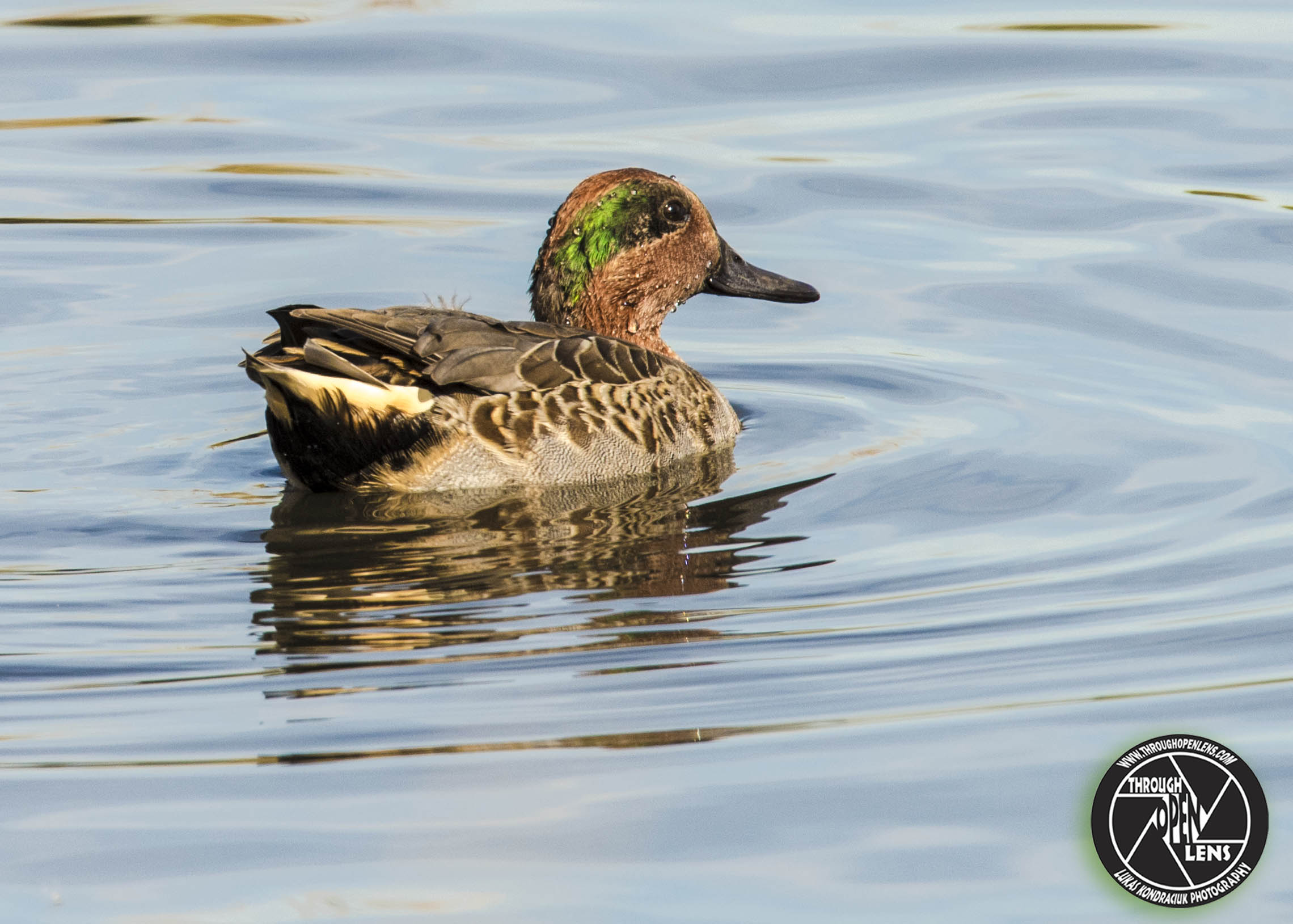
I’m Not Perfect But My Eyeliner Is

F/10.0,1/400, ISO 320.

Green-Winged Teal

Why is Basketball such a messy sport?

Because you dribble on the floor!

Interesting Fact: Green-winged Teal sometimes switch wintering sites from year to year. One banding study found that individuals wintering in Texas one year went as far away as California in subsequent years. This lack of philopatry, or “faithfulness” to a particular site, may reflect the tendency of males that did not breed the year before to try to find mates among a different set of wintering females. ( https://www.allaboutbirds.org/guide/Green-winged_Teal/lifehistory )

I Claim This Rock!

F/5.6, 1/250, ISO 800.

Muskrat

Why did the cookie go to the hospital?

He felt crummy!

Interesting Fact: Muskrats are most active at night or near dawn and dusk. They feed on cattails and other aquatic vegetation. They do not store food for the winter, but sometimes eat the insides of their push-ups. While they may appear to steal food beavers have stored, more seemingly cooperative partnerships with beavers exist, as featured in the BBC David Attenborough wildlife documentary The Life of Mammals.[22][23] Plant materials compose about 95% of their diets, but they also eat small animals, such as freshwater mussels, frogs, crayfish, fish, and small turtles.[5][6] Muskrats follow trails they make in swamps and ponds. When the water freezes, they continue to follow their trails under the ice. ( https://en.wikipedia.org/wiki/Muskrat#Behavior )

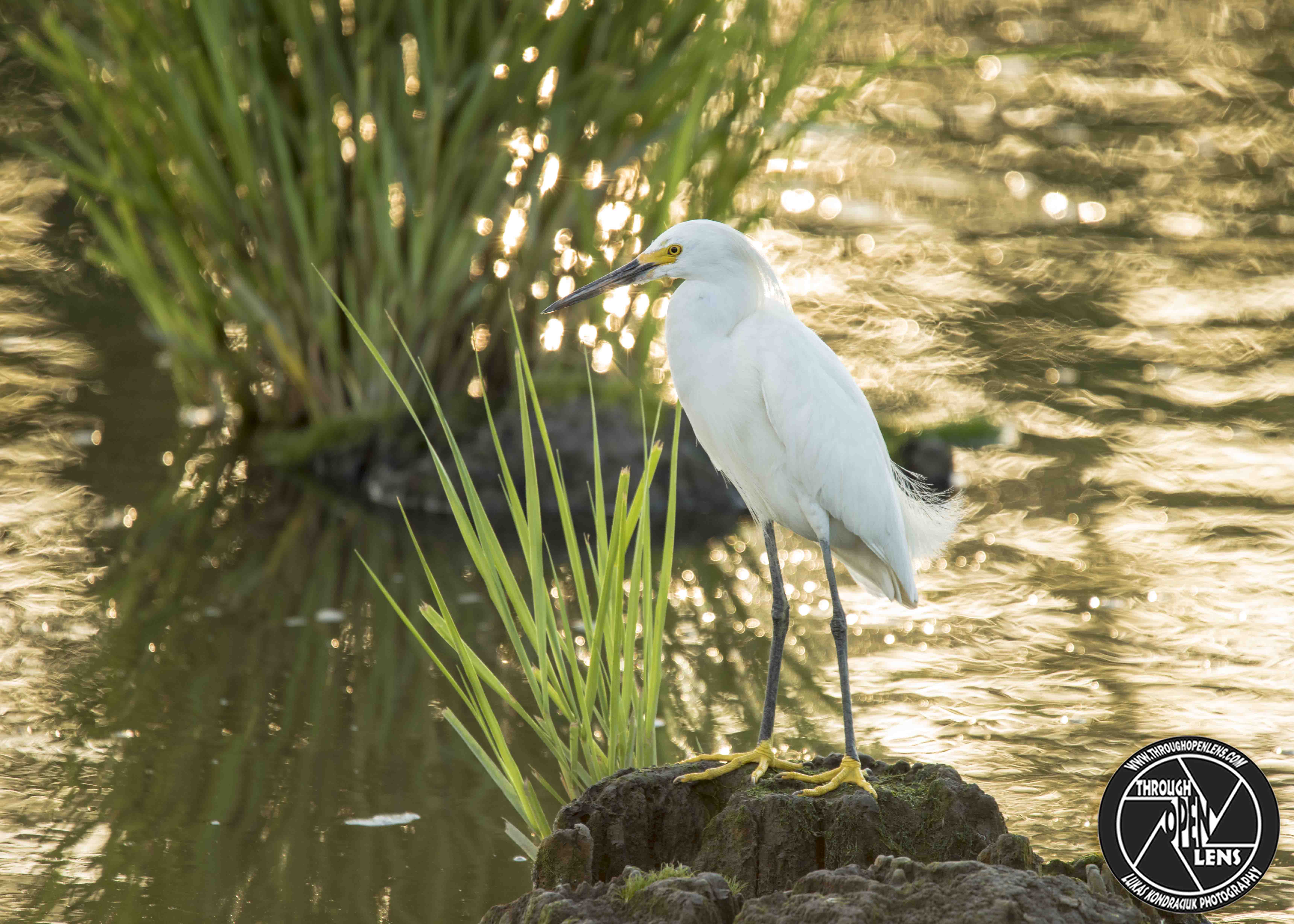
Leave A Little Sparkle Wherever You Go!

F/6.3, 1/160, ISO 250.

Snowy Egret

What does a pig put on its paper cut?

Oinkment!

Interesting Fact: The Snowy Egret eats mostly aquatic animals, including fish, frogs, worms, crustaceans, and insects. It often uses its bright yellow feet to paddle in the water or probe in the mud, rounding up prey before striking with its bill. Snowy Egrets feed while standing, walking, running, or hopping, and they may vibrate their bills, sway their heads, or flick their wings as part of prey gathering. They even forage while hovering. ( https://www.allaboutbirds.org/guide/Snowy_Egret/lifehistory )

Ehh, What’s Up Duck?

F/5.6, 1/500, ISO 200.

Mallard 

Why did the duck cross the road?

Because there was a quack in the sidewalk. 

Interesting Fact:  Ducks have webbed feet, which they use for paddling beneath the water. Their feet have no nerves or blood vessels, which mean that they won’t feel chill from swimming in icy water. ( https://americanexpedition.us/mallard-duck-information-facts-photos-and-artwork )

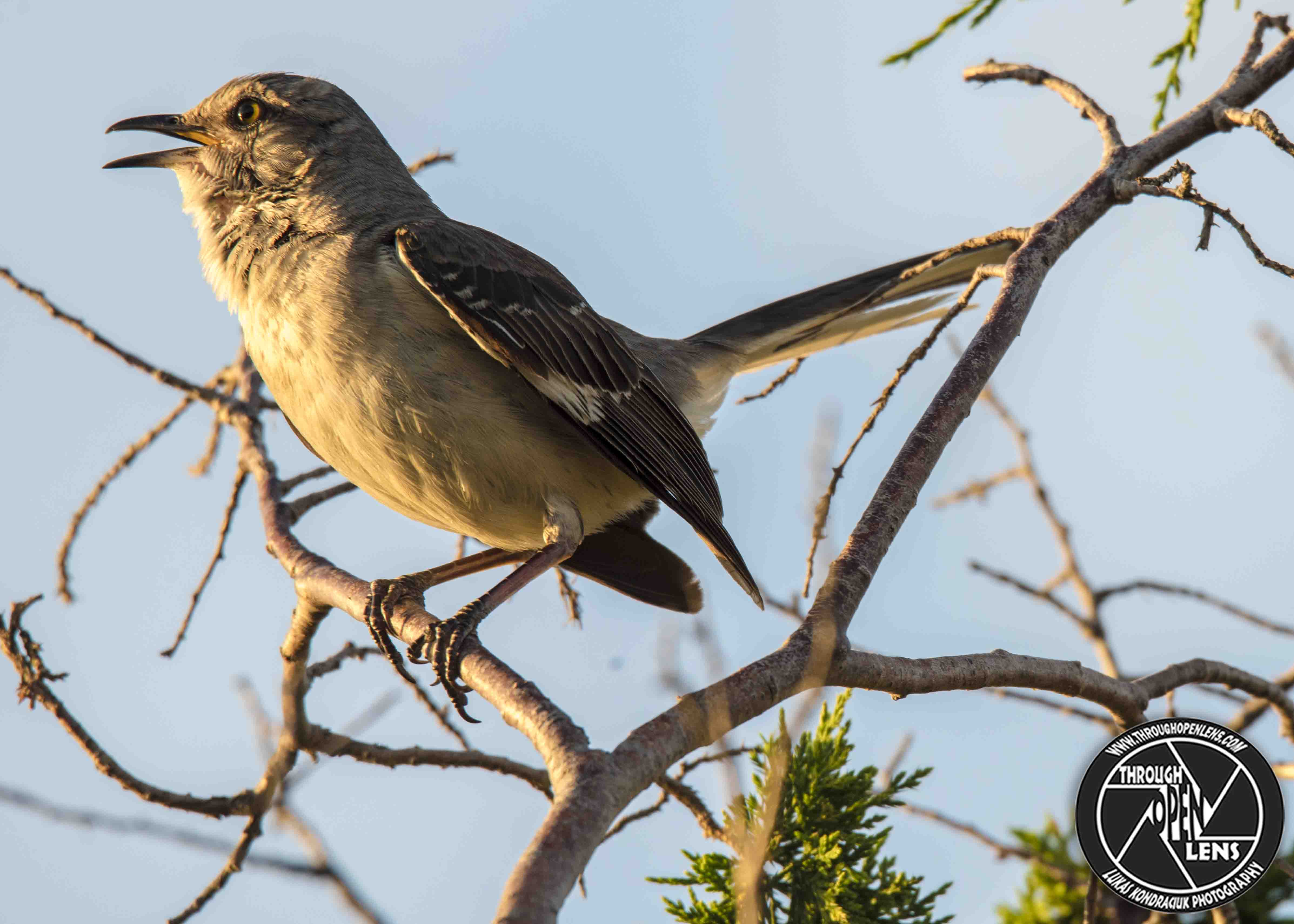
Are You Mocking Me?

F/9.0, 1/320, ISO 250.

Northern Mockingbird

What do you call a snowman in July?

A puddle.

Interesting Fact: It’s not just other mockingbirds that appreciate a good song. In the nineteenth century, people kept so many mockingbirds as cage birds that the birds nearly vanished from parts of the East Coast. People took nestlings out of nests or trapped adults and sold them in cities such as Philadelphia, St. Louis, and New York, where, in 1828, extraordinary singers could fetch as much as $50. ( https://www.allaboutbirds.org/guide/Northern_Mockingbird/lifehistory )

GERONIMO!

F/ 6.3, 1/1000, ISO 640.

Great Blue Heron

A magician was performing on cruise ship and each night while performing his pet parrot keeps saying:

“its up his sleeve”

” its in his pocket”.

“its in his shoe”.

“in his pants”.

Etc. and the magician was loosing his patience. one night while performing his tricks the ships boilers blew and the ship sank, the lucky magician was able to grab onto a ships table and float on the sea for a few days. the parrot in the mean time seemed non plussed and was looking quizzically at the magician for a few days whilst drifting. On the 4th day the parrots looks at his master and says:

“I give up… what did you do with the ship?”

Interesting Fact: Great Blue Herons have specialized feathers on their chest that continually grow and fray. The herons comb this “powder down” with a fringed claw on their middle toes, using the down like a washcloth to remove fish slime and other oils from their feathers as they preen. Applying the powder to their underparts protects their feathers against the slime and oils of swamps. ( https://www.allaboutbirds.org/guide/Great_Blue_Heron/lifehistory )

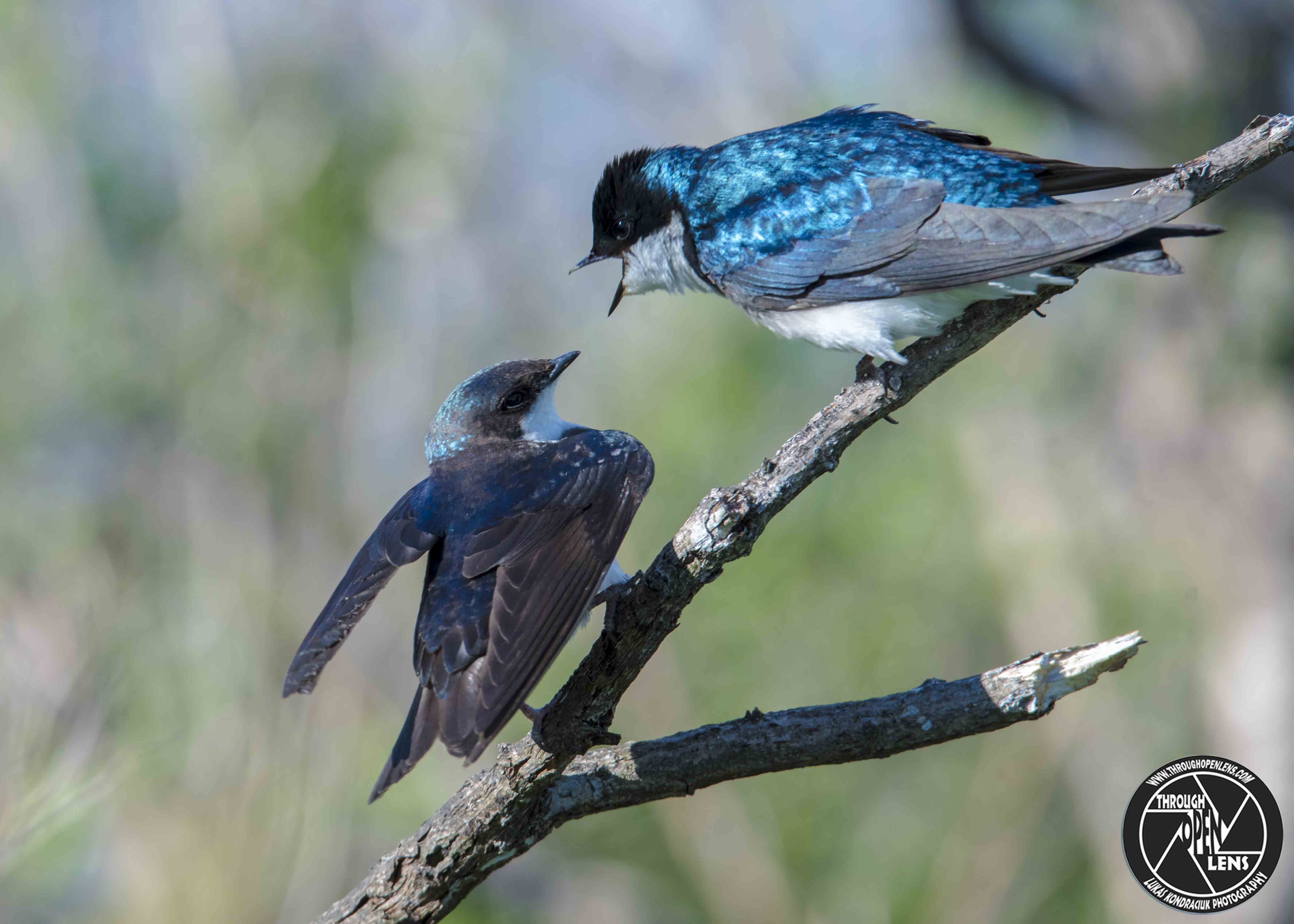
Swim, Duck, Swim!

F/11.0, 1/500, ISO 320.

Green-Winged Teal

Why aren’t there any famous skeletons?

They’re a bunch of no bodies.

Interesting Fact:  The oldest known Green-winged Teal was at least 20 years and 3 months, based on banding data. It was a female banded in 1941 in Oklahoma, and recovered by a hunter 1960 in Missouri. ( https://www.allaboutbirds.org/guide/Green-winged_Teal/lifehistory )