Sometimes I pretend To Be Normal. But It Gets Boaring. So I Go Back To Being Me.

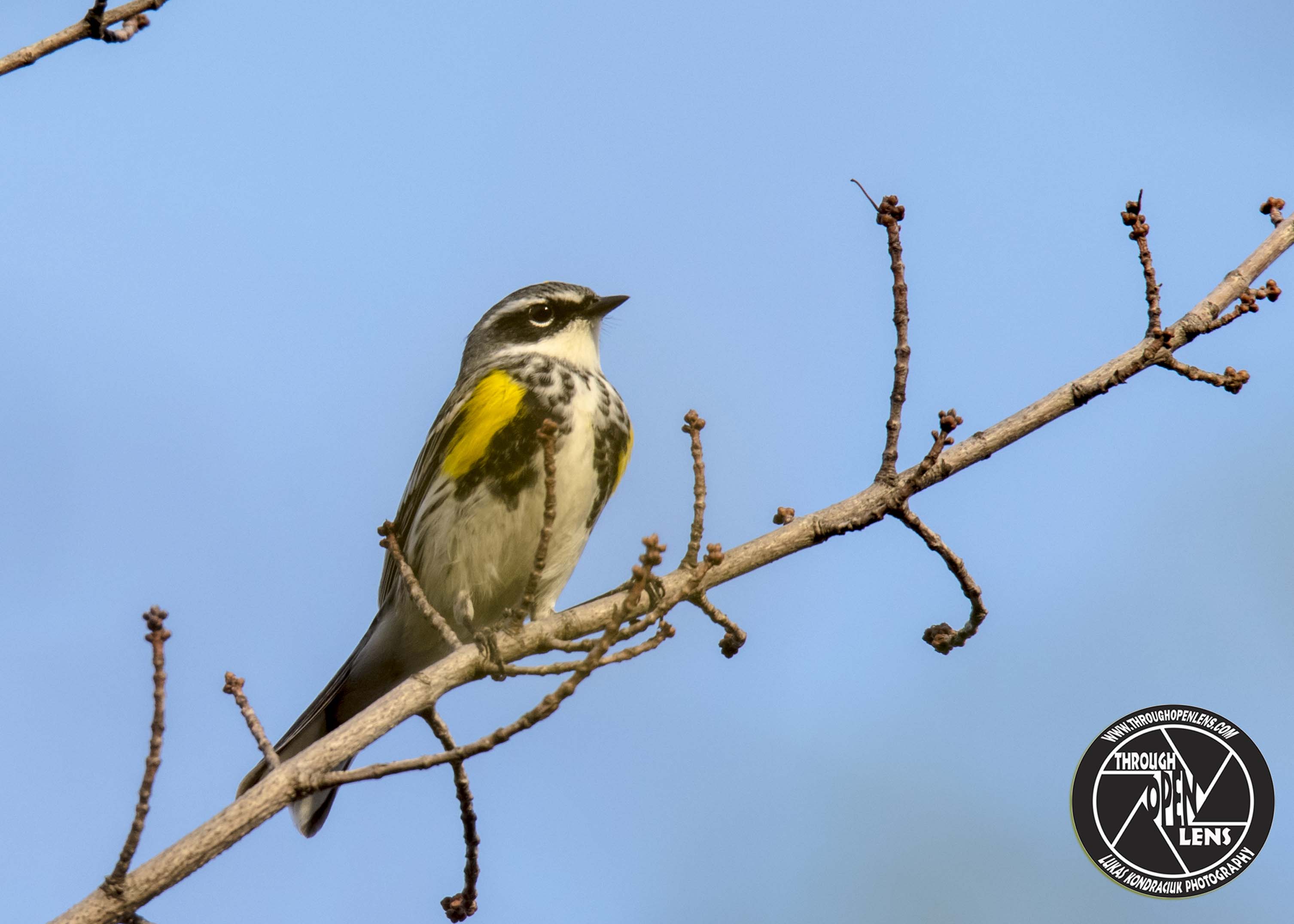
F/9.0, 1/320, ISO 400.

 Yellow-Rumped Warbler

I just got fired from my job at the keyboard factory.

They told me I wasn’t putting in enough shifts.

Interesting Fact: When males court females, they fluff their feathers, raise their wings and the feathers of the crown, and hop from perch to perch, chipping. They may also make display flights in which they glide back and forth or fly slowly with exaggerated wingbeats. The Yellow-rumped Warbler’s flight is agile and swift, and the birds often call as they change direction. ( https://www.allaboutbirds.org/guide/Yellow-rumped_Warbler/lifehistory#behavior )

Looks Like Someone Has A Case Of The Mondays

F/7.1, 1/200, ISO 250.

Great Horned Owl

What do you call a magic owl?

HOODINI

Interesting Fact: Great Horned Owls are fierce predators that can take large prey, including raptors such as Ospreys, Peregrine Falcons, Prairie Falcons, and other owls. They also eat much smaller items such as rodents, frogs, and scorpions. ( https://www.allaboutbirds.org/guide/Great_Horned_Owl/lifehistory )

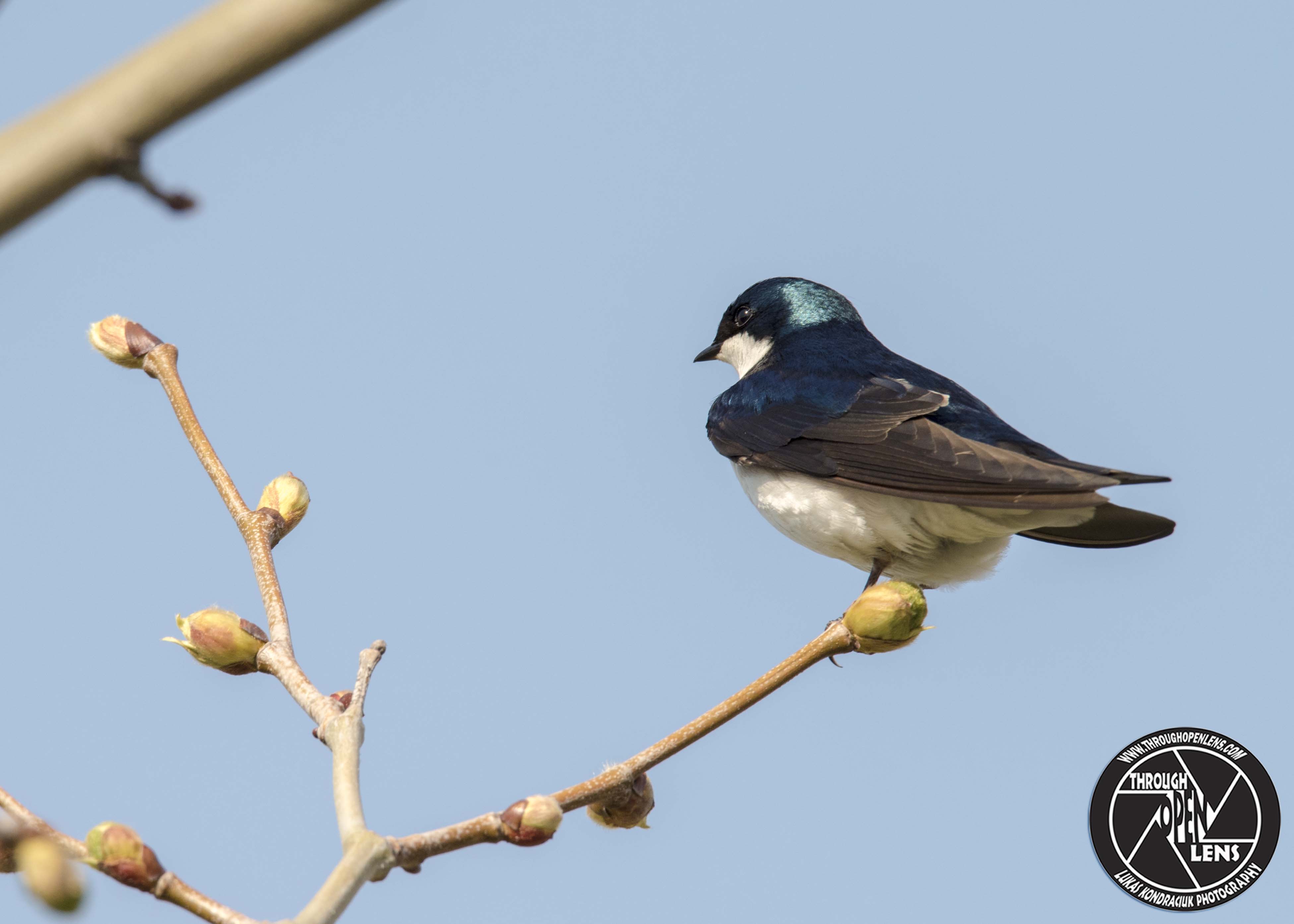
Take A Chill Pill!

F/11.0, 1/500, ISO 320.

Tree Swallow

What do you get when cross a donkey and an onion?

A piece of ass that’ll bring a tear to your eye!

Interesting Fact: Tree Swallows line their nests with feathers, and they seem to display or even play with these feathers during the early nesting season. A bird flies above the nest with a feather held in its bill; sometimes this leads to chases, and sometimes the bird drops the feather, causing an aerial free-for-all to see which bird retrieves it. ( https://www.allaboutbirds.org/guide/Tree_Swallow/lifehistory )

Bird Power!

F/6.3, 1/125, ISO 250.

Belted Kingfisher

Why do fish live in salt water?

Because pepper makes them sneeze!

Interesting Fact: The Belted Kingfisher is one of the few bird species in which the female is more brightly colored than the male. Among the nearly 100 species of kingfishers, the sexes often look alike. In some species the male is more colorful, and in others the female is. ( https://www.allaboutbirds.org/guide/Belted_Kingfisher )

Are You Looking At Me?!

F/5.6, 1/80, ISO 320.

California Scrub-Jay

How did the barber win the race?

He knew a short cut.

Interesting Fact: You might see California Scrub-Jays standing on the back of a mule deer. They’re eating ticks and other parasites. The deer seem to appreciate the help, often standing still and holding up their ears to give the jays access. ( https://www.allaboutbirds.org/guide/California_Scrub-Jay/overview )

Finally! Spring Is Here!

F/6.3, 1/160, ISO 320.

Northern Cardinal ( Female )

What season is it best to go on a trampoline?

Spring time

Interesting Fact: The brilliant red of a male Northern Cardinal calls attention to itself when males are around. You can also find cardinals by getting a sense of the warm, red-tinged brown of females – a pattern you can learn to identify in flight. Away from backyards, cardinals are still common but inconspicuous owing to their affinity for dense tangles. Listen for their piercing chip notes to find where they are hiding. ( https://www.allaboutbirds.org/guide/Northern_Cardinal/overview  )

Simon Says, Pause!

F/5.3, 1/160, IOS 800.

Great Blue Heron 

What do you call when Batman skips out on church?

Christian Bale.

Interesting Fact: Great Blue Herons have specialized feathers on their chest that continually grow and fray. The herons comb this “powder down” with a fringed claw on their middle toes, using the down like a washcloth to remove fish slime and other oils from their feathers as they preen. Applying the powder to their underparts protects their feathers against the slime and oils of swamps. ( Great Blue Heron Overview, All About Birds, Cornell Lab of Ornithology )


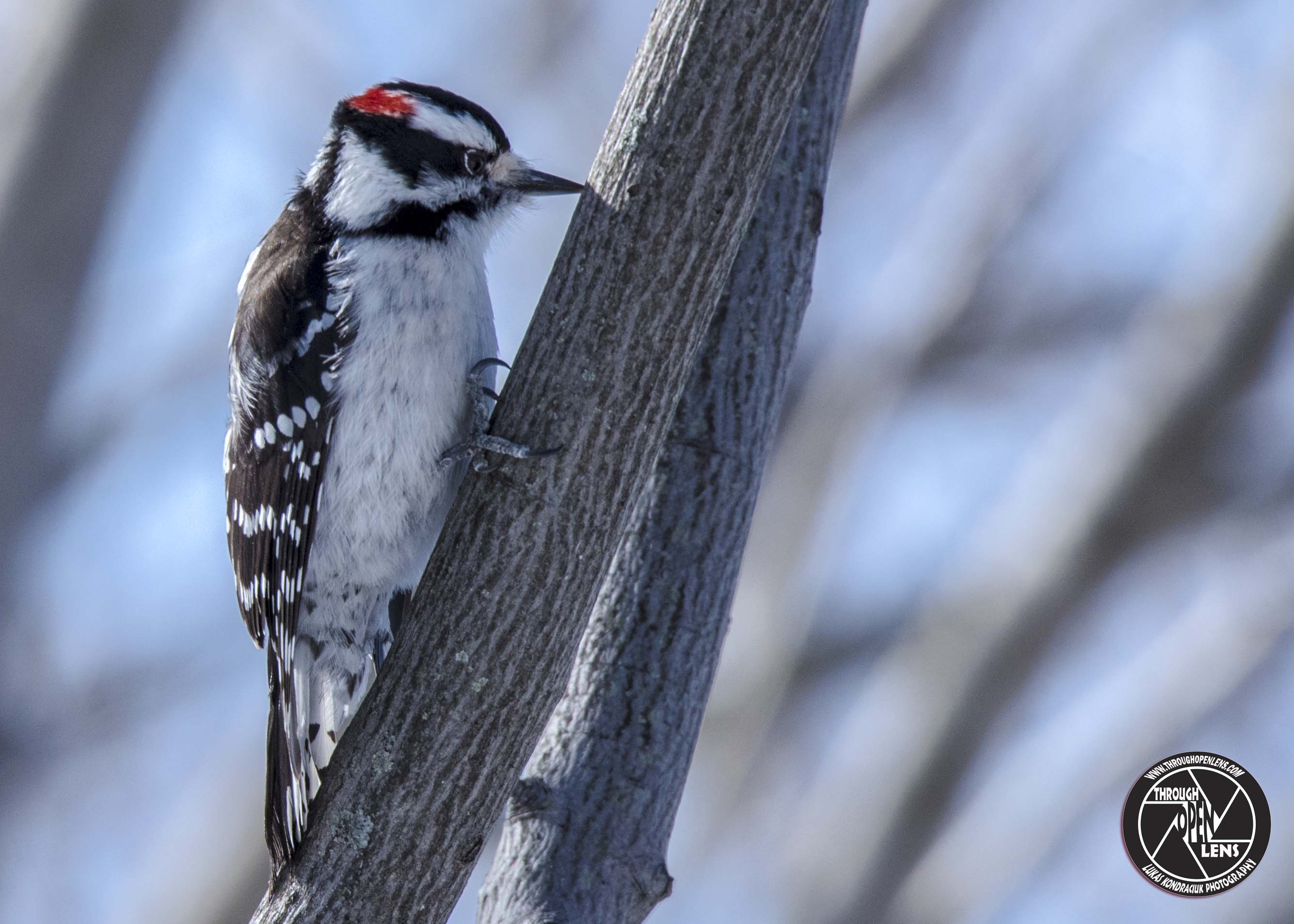
Peck Away!

F/11.0, 1/500, ISO 400.

Downy Woodpecker 

What is harder to catch the faster you run?

Your breath.

Interesting Fact: An active woodpecker that moves quickly over tree trunks, branches, and stems of grasses and wildflowers, characteristically leaning against its stiffened tail feathers for support. Downy Woodpeckers move horizontally and downwards on trees much more readily than most other woodpeckers. ( Downy Woodpecker Life History, All About Birds, Cornell Lab of Ornithology )


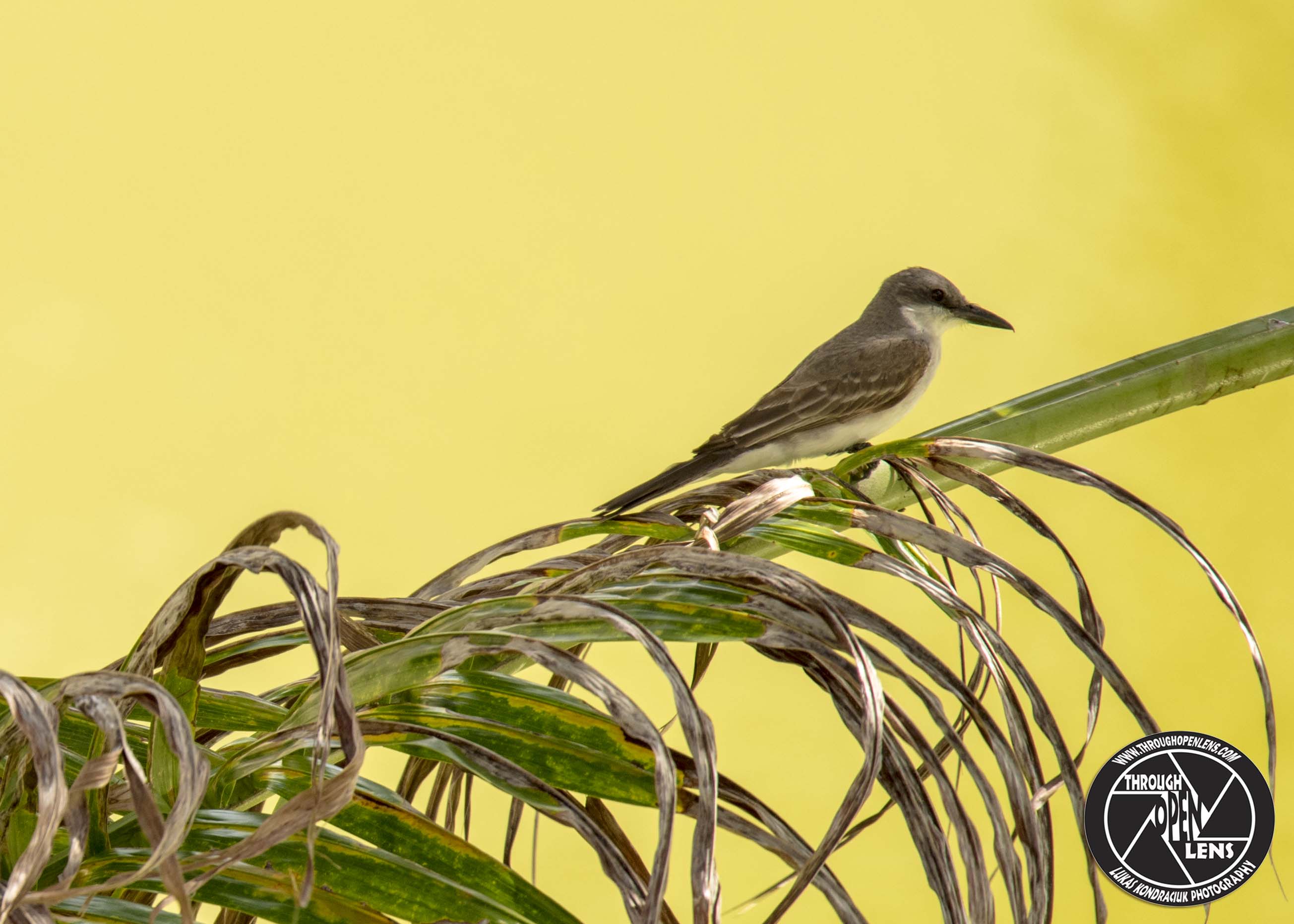
If Being Awesome Was A Crime, I’d Be Serving A Life Sentence!

F/8.0, 1/250, ISO 250.

Gray Kingbird

Where do most zombies live?

On DEAD end streets!

Interesting Fact: Like other kingbirds, these birds aggressively defend their territory against intruders, including mammals and much larger birds such as caracaras, red-tailed hawks and broad-winged hawks. ( https://en.wikipedia.org/wiki/Gray_kingbird )

Its So Fluffy!

F/11.0, 1/500, ISO 400.

Black capped Chickadee 

What is always coming but never arrives?

Tomorrow.

Interesting Fact: Chickadees are active, acrobatic, curious, social birds that live in flocks, often associating with woodpeckers, nuthatches, warblers, vireos, and other small woodland species. They feed on insects and seeds, but seldom perch within several feet of one another while taking food or eating. ( Black-capped Chickadee Life History, All About Birds, Cornell Lab of Ornithology )