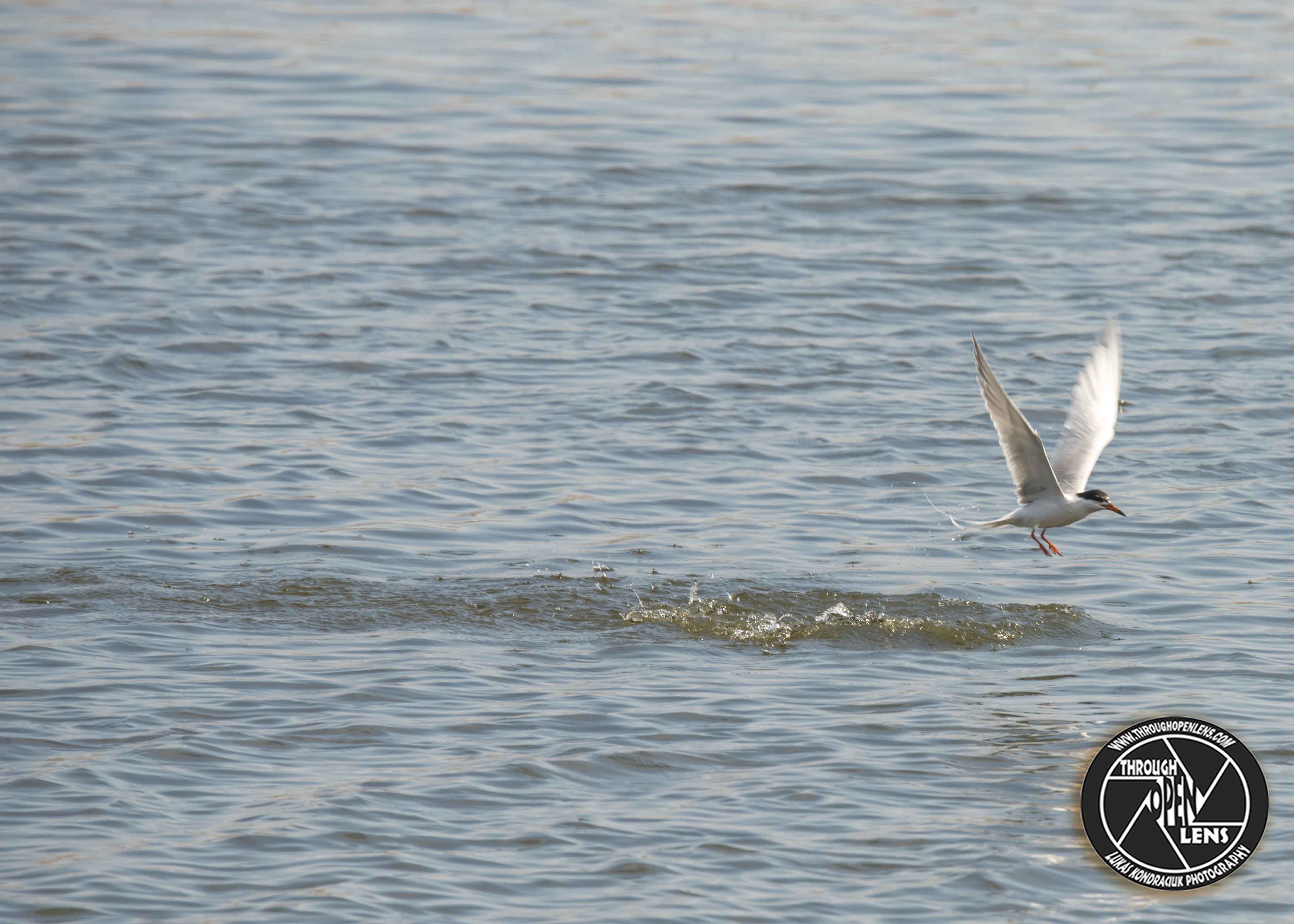
F/10.0, 1/400, ISO 160.
Common Tern
What do you call cheese that is not yours?
Nacho Cheese
Interesting Fact: Plunges into water from flight; may hover briefly before plunging. ( https://www.allaboutbirds.org/guide/Common_Tern/lifehistory )

F/10.0, 1/400, ISO 160.
Common Tern
What do you call cheese that is not yours?
Nacho Cheese
Interesting Fact: Plunges into water from flight; may hover briefly before plunging. ( https://www.allaboutbirds.org/guide/Common_Tern/lifehistory )

F/7.1, 1/200, ISO 500.
Wild Turkeys
Why did the toilet paper roll down the hill?
Because it wanted to get to the bottom.
Interesting Fact: Wild Turkeys nest on the ground in dead leaves at the bases of trees, under brush piles or thick shrubbery, or occasionally in open hayfields. ( https://www.allaboutbirds.org/guide/Wild_Turkey/lifehistory )

F/6.3, 1/100, ISO 500.
Chipping Sparrow
Why do fish live in salt water?
Because pepper makes them sneeze.
Interesting Fact: In summer, male Chipping Sparrows defend territories against other Chipping Sparrows, but often tolerate other species as long as they don’t go too near the nest. After the breeding season, Chipping Sparrows form flocks of several dozen, foraging together among grasses and at bird feeders. Their flight pattern is energetic, straight, and only slightly undulating. ( https://www.allaboutbirds.org/guide/Chipping_Sparrow/lifehistory )

F/7.1, 1/160, ISO 320.
American Robin
Why are vampires so easy to fool?
Because they are suckers.
Interesting Fact: An American Robin can produce three successful broods in one year. On average, though, only 40 percent of nests successfully produce young. Only 25 percent of those fledged young survive to November. From that point on, about half of the robins alive in any year will make it to the next. Despite the fact that a lucky robin can live to be 14 years old, the entire population turns over on average every six years. ( https://www.allaboutbirds.org/guide/American_Robin/lifehistory )

F/10.0, 1/400, ISO 200.
Osprey
What do lawyers wear to court?
Lawsuits!
Interesting Fact: The Osprey readily builds its nest on manmade structures, such as telephone poles, channel markers, duck blinds, and nest platforms designed especially for it. Such platforms have become an important tool in reestablishing Ospreys in areas where they had disappeared. In some areas nests are placed almost exclusively on artificial structures. ( https://www.allaboutbirds.org/guide/Osprey/lifehistory )

F/11.0, 1/500, ISO 200.
Snowy Egret
Why do mummies make excellent spies?
They’re good at keeping things under wraps.
Interesting Fact: Male Snowy Egrets fight for breeding territories, choose nest sites, and perform noisy courtship displays to attract mates. A ring of other egrets often gathers around a displaying male as he pumps his body up and down, points his bill skyward, and calls. He also performs aerial displays, including one that ends with him dropping toward the ground while tumbling around and around. ( https://www.allaboutbirds.org/guide/Snowy_Egret/lifehistory )

F/9.0, 1/320, ISO 320.
Red breasted Merganser
What did E.T.’s mother say to him when he got home?
Where on Earth have you been?
Interesting Fact: The female creates a depression on the ground that she covers with dead grasses, forming a shallow bowl. She plucks down feathers from her breast to help insulate the nest. ( https://www.allaboutbirds.org/guide/Red-breasted_Merganser/lifehistory )

F/7.1, 1/800, ISO 200.
Common Tern
What did the stamp say to the envelope?
Stick with me and we will go places!
Interesting Fact: The incubating adult Common Tern flies off its nest to defecate 5-50 m (16-160 ft) away. It deposits its feces indiscriminately in nearby water or on the territories of other terns. ( https://www.allaboutbirds.org/guide/Common_Tern/lifehistory )
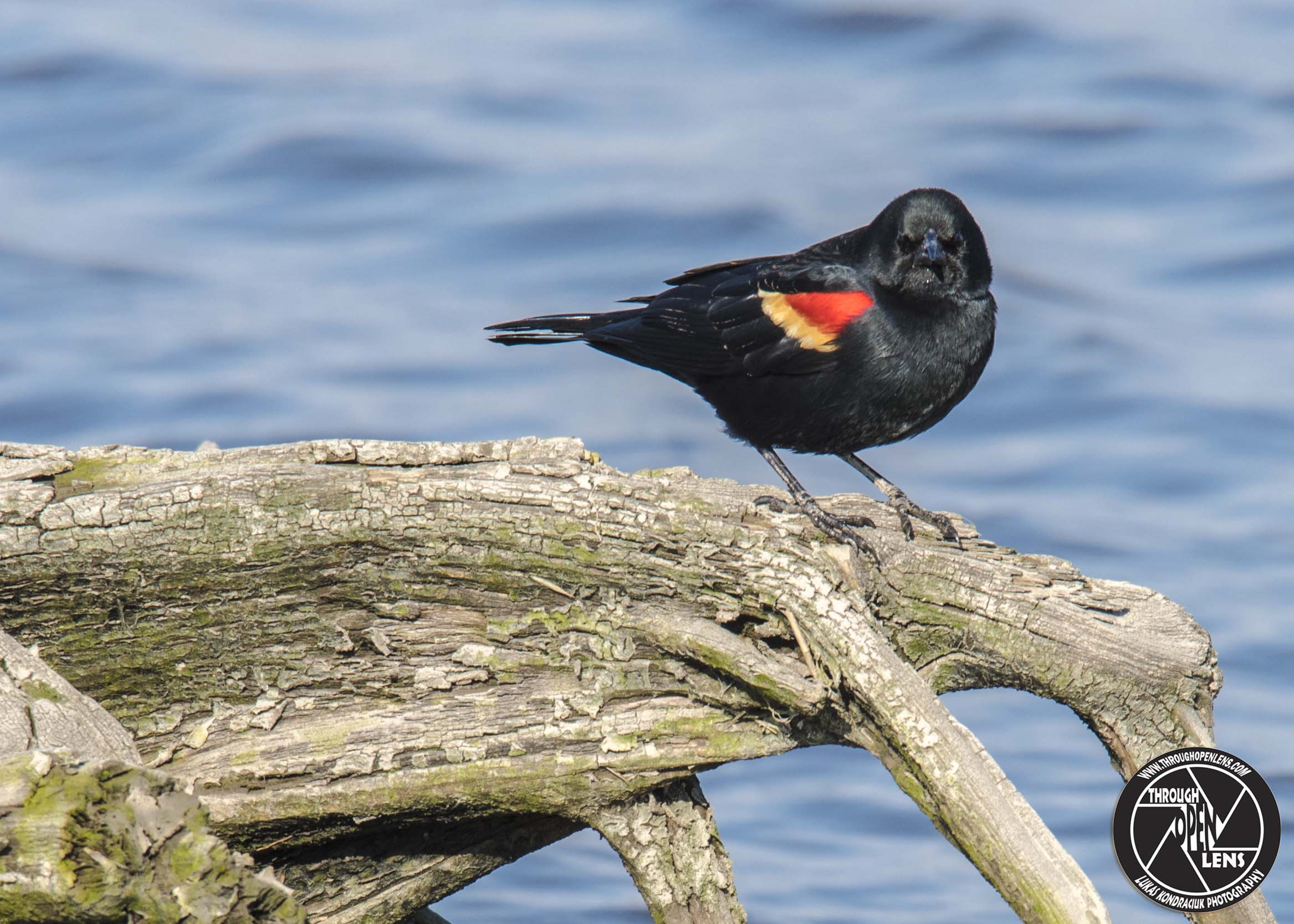
F/9.0, 1/320, ISO 320.
Red-winged Blackbird
What did the ghost eat at his birthday party?
I scream
Interesting Fact: Male Red-winged Blackbirds spend much of the breeding season sitting on a high perch over their territories and singing their hearts out. Females tend to slink through reeds and grasses collecting food or nest material. Both males and females defend nests from intruders and predators. ( https://www.allaboutbirds.org/guide/Red-winged_Blackbird/lifehistory )

F/8.0, 1/250, ISO 200.
Red-breasted Merganser
Two men meet on opposite sides of a river.
One shouts to the other, “I need you to help me get to the other side!”
The other guy replies, “You’re on the other side!”
Interesting Fact: Red-breasted Mergansers are among the fastest flying ducks, clocking speeds of up to 81 miles per hour. ( https://www.allaboutbirds.org/guide/Red-breasted_Merganser/lifehistory )
 Through Open Lens