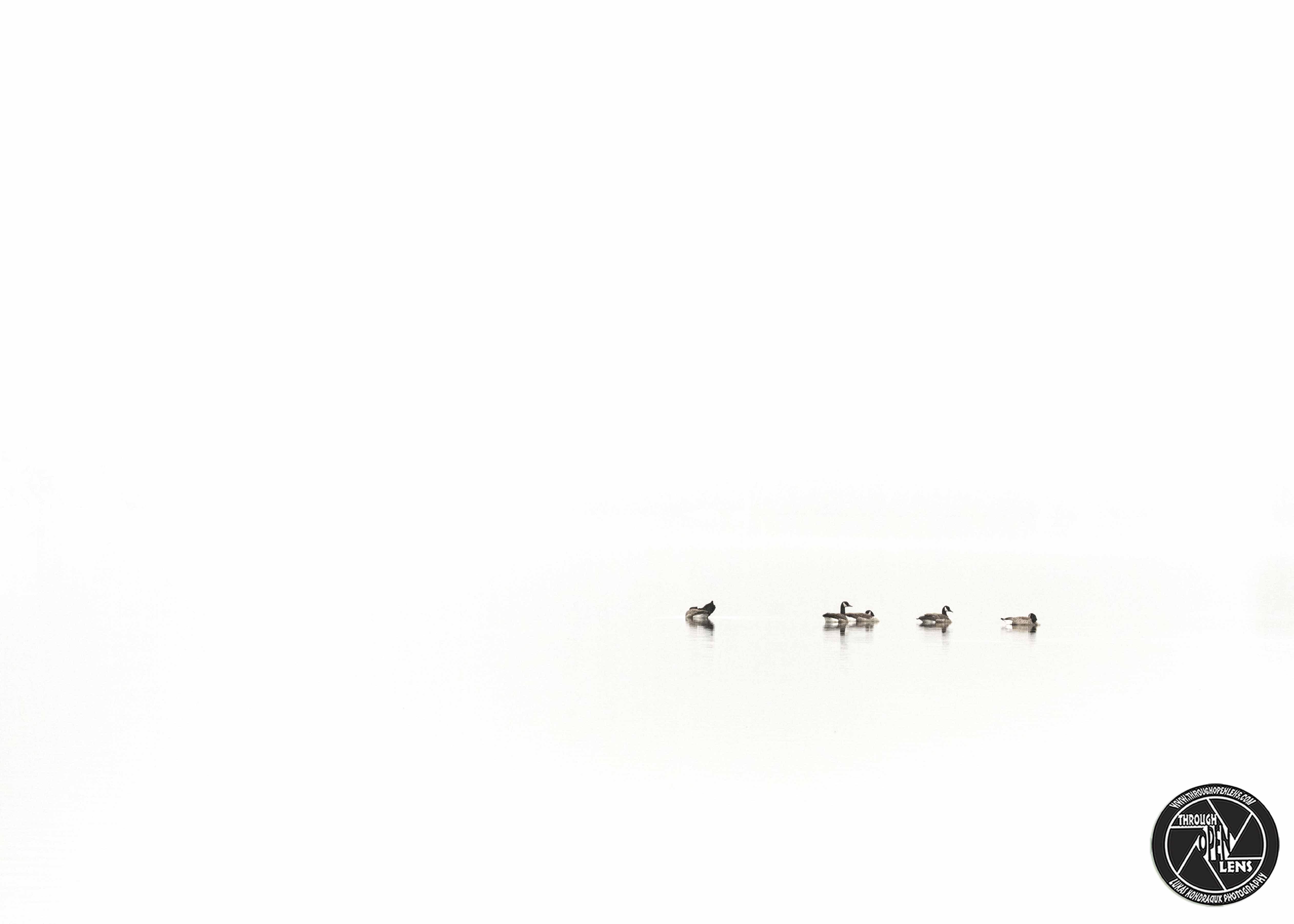
The Fog Always Lifts.

F/9.0, 1/320, ISO 800.

Canada Goose

What do clouds do when they become rich?

A. They make it rain!

Interesting Fact: Nest Placement on the ground, usually on a muskrat mound or other slightly elevated site, near water. They prefer a spot from which they can have a fairly unobstructed view in many directions. Female selects the site and does much of nest construction. She adds down feathers and some body feathers beginning after the second egg is laid. She does all the incubation while her mate guards her and the nest.  ( https://www.allaboutbirds.org/guide/Canada_Goose/lifehistory )
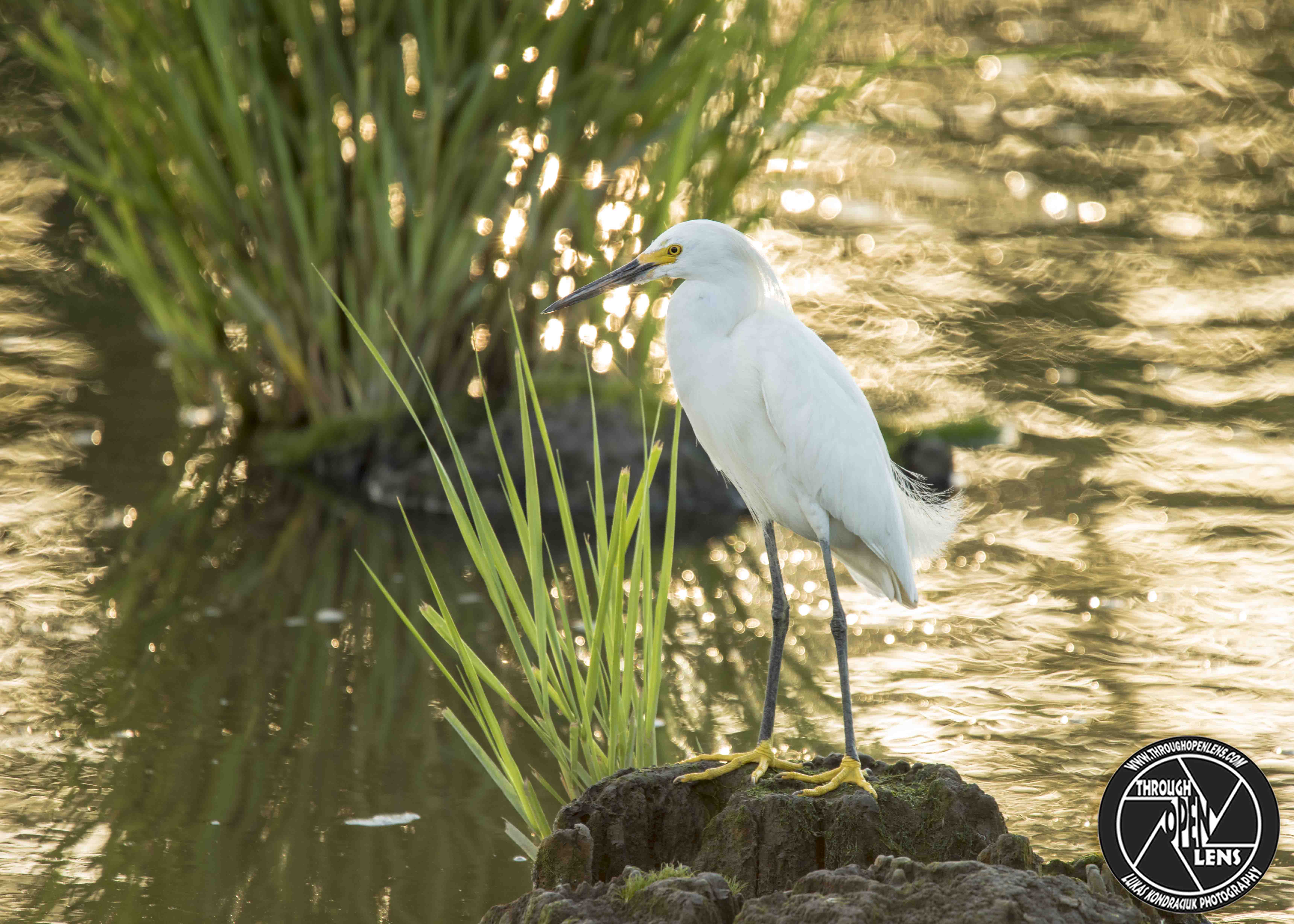
Leave A Little Sparkle Wherever You Go!

F/6.3, 1/160, ISO 250.

Snowy Egret

What does a pig put on its paper cut?

Oinkment!

Interesting Fact: The Snowy Egret eats mostly aquatic animals, including fish, frogs, worms, crustaceans, and insects. It often uses its bright yellow feet to paddle in the water or probe in the mud, rounding up prey before striking with its bill. Snowy Egrets feed while standing, walking, running, or hopping, and they may vibrate their bills, sway their heads, or flick their wings as part of prey gathering. They even forage while hovering. ( https://www.allaboutbirds.org/guide/Snowy_Egret/lifehistory )

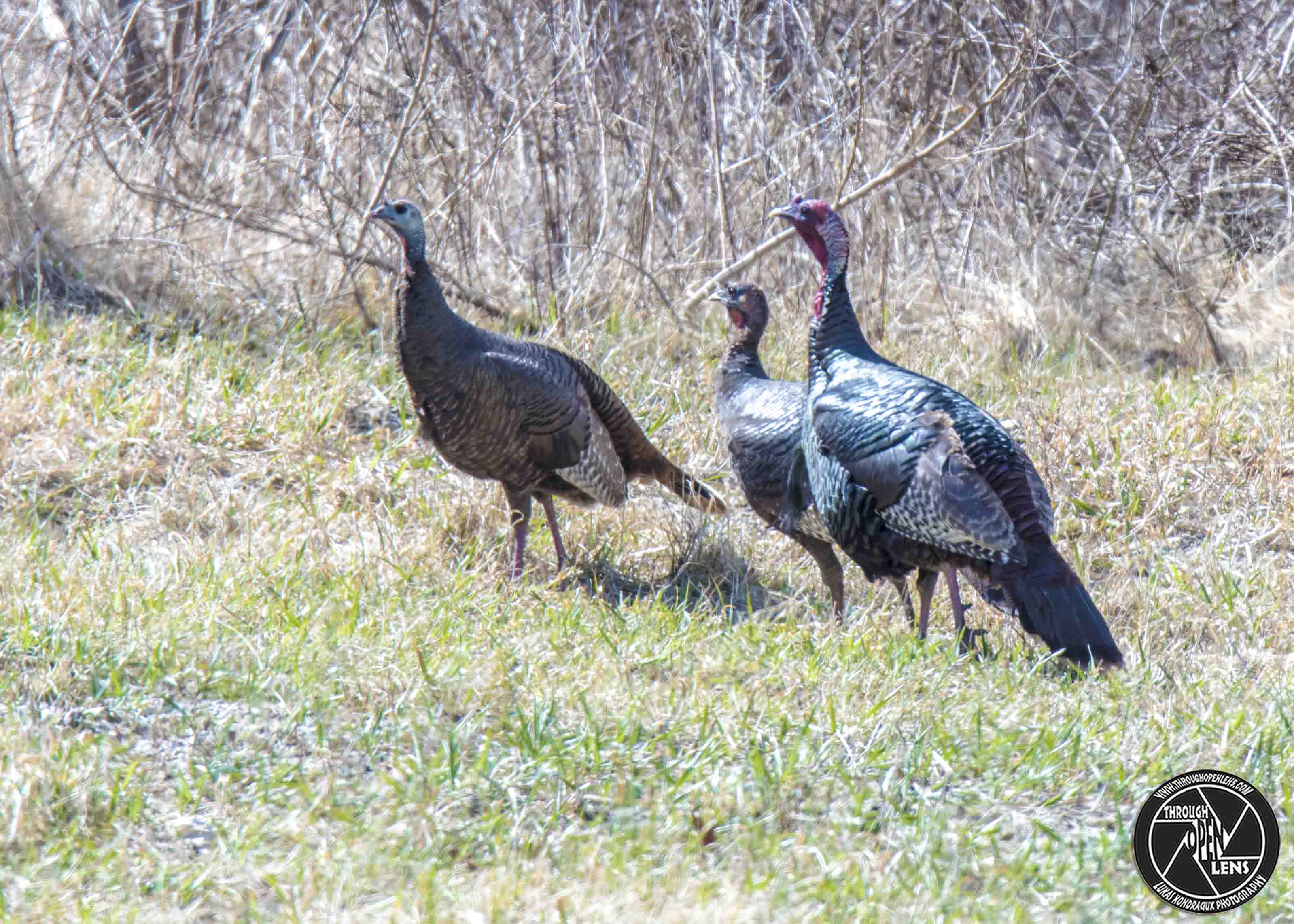
Wild Bunch!

F/9.0, 1/320, ISO 320.

Wild Turkeys

Why couldn’t the leopard play hide and seek?

Because he was always spotted.

Interesting Fact: The female scratches a shallow depression in the soil, about 1 inch deep, 8–11 inches wide, and 9–13 inches long. Wild Turkeys use only the dead leaves or other plant materials already present at the nest site. ( https://www.allaboutbirds.org/guide/Wild_Turkey/lifehistory )


We Are Online Now.

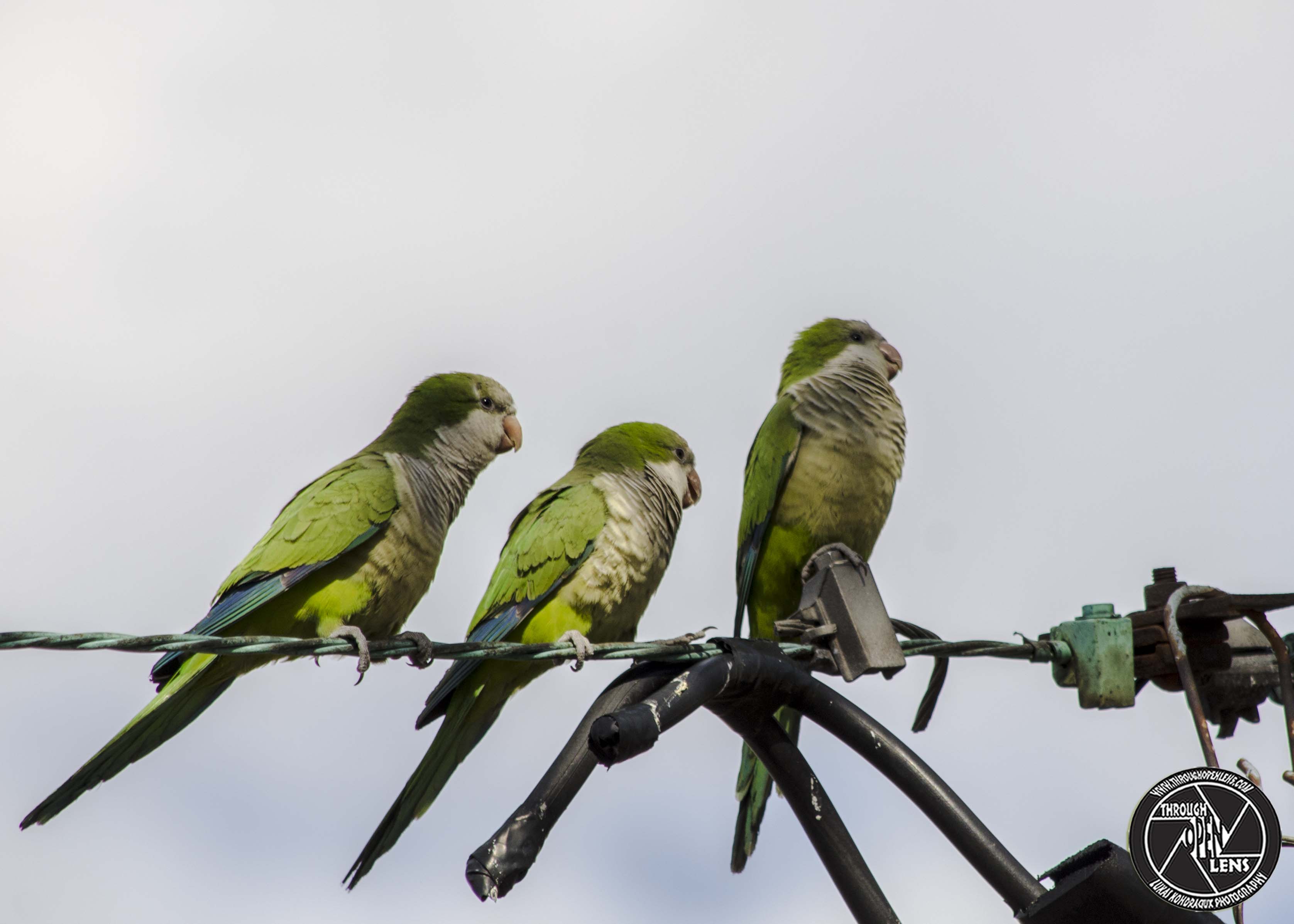
F/7.1, 1/800, ISO 200.

Monk Parakeets

Where does a bee keep his stinger?

In his honey!

Interesting Fact: Monk Parakeets spend a lot of time preening each other. These long-lived birds form socially monogamous pairs, and courtship involves a pair preening each other and grasping each other by the beak while shaking their heads.  ( https://www.allaboutbirds.org/guide/Monk_Parakeet/lifehistory )

Great Ideas Need Landing Gear As Well As Wings.

F/9.0, 1/250, ISO 320.

Great Blue Heron

Why did the chicken disappoint his mother.

He wasn’t what he was cracked up to be!

Interesting Fact: Great Blue Herons eat nearly anything within striking distance, including fish, amphibians, reptiles, small mammals, insects, and other birds. They grab smaller prey in their strong mandibles or use their dagger-like bills to impale larger fish, often shaking them to break or relax the sharp spines before gulping them down. ( https://www.allaboutbirds.org/guide/Great_Blue_Heron/lifehistory )

Ehh, What’s Up Duck?

F/5.6, 1/500, ISO 200.

Mallard 

Why did the duck cross the road?

Because there was a quack in the sidewalk. 

Interesting Fact:  Ducks have webbed feet, which they use for paddling beneath the water. Their feet have no nerves or blood vessels, which mean that they won’t feel chill from swimming in icy water. ( https://americanexpedition.us/mallard-duck-information-facts-photos-and-artwork )

Daydreaming Again!

F/8.0, 1/250, ISO 160.

Hispaniolan Woodpecker

Bacon and eggs walk into a bar and order a beer,

the bartender says sorry, we don’t serve breakfast.

Interesting Fact: This woodpecker is quite vocal, emitting a range of sounds including yapping, squeaking, rolling and nasal calls. Drumming is done only occasionally. ( https://en.wikipedia.org/wiki/Hispaniolan_woodpecker )

If You Talking About My Neck, I’m Not Responsible For What Happens Next…

F/9.0, 1/320, ISO 160.

Great Egret 

Why are pirates so mean?

I don’t know, they just arrrrrrrrr!

Interesting Fact: Males choose the display areas, where nests are later constructed. The nest itself is up to 100 feet off the ground, often over water, usually in or near the top of a shrub or tree such as a redwood, tamarisk, live oak, eastern redcedar, yaupon holly, wax myrtle, mangrove, Australian pine, buttonwood, Brazilian pepper, black willow, or privet. Great Egrets occasionally nest on the ground or on artificial platforms. ( https://www.allaboutbirds.org/guide/Great_Egret/lifehistory )

One Lucky Gal!

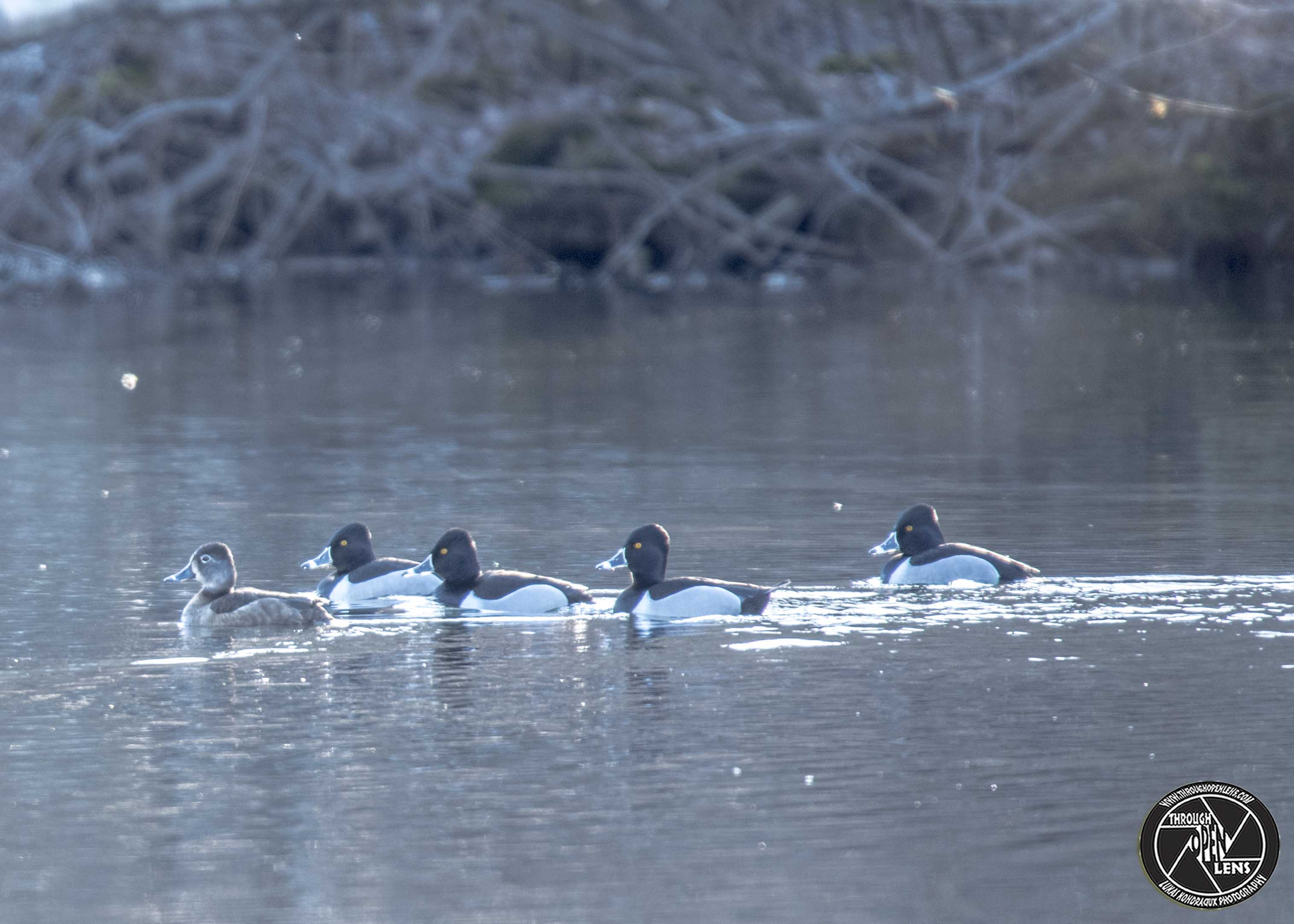
F/6.3, 1/250, ISO 500.

Ring-necked Duck

Why can’t you hear a pterodactyl in the bathroom?

Because it has a silent pee.

Interesting Fact: Ring-necked Ducks put their nests among dense sedges and other emergent plants in marshes. Pairs choose these sites by swimming at the vegetation edge or by making low circling flights over potential spots. They typically build their nests directly over the water or on floating vegetation; this helps protect the nests from land-based predators. ( https://www.allaboutbirds.org/guide/Ring-necked_Duck/lifehistory )

Empty Nest? Celebrate it! You Are Now Free As A Bird!

F/8.0, 1/250, ISO 320.

Great Blue Heron

Why did the policeman smell bad?

He was on duty.

Interesting Fact: Great Blue Herons nest mainly in trees, but will also nest on the ground, on bushes, in mangroves, and on structures such as duck blinds, channel markers, or artificial nest platforms. Males arrive at the colony and settle on nest sites; from there, they court passing females. Colonies can consist of 500 or more individual nests, with multiple nests per tree built 100 or more feet off the ground. ( https://www.allaboutbirds.org/guide/Great_Blue_Heron/lifehistory )