I Don’t Stalk. I Investigate!

F/7.1, 1/200, ISO 320.

Black-and-white Warbler 

What do you call a guy who never farts in public?

A private tutor.

Interesting Fact: The Black-and-white Warbler is the only member of the genus Mniotilta. The genus name means “moss-plucking,” a reference to its habit of probing bark and moss for insects.  ( https://www.allaboutbirds.org/guide/Black-and-white_Warbler )

Flap Your Wings Like Bird!

F/6.3, 1/500, ISO 1000.

Golden-crowned Kinglet

Two fish are in a tank.

One turns to the other and says, “Hey, do you know how to drive this thing?”

Interesting Fact: Although it used to nest almost exclusively in boreal spruce-fir forests, the Golden-crowned Kinglet has been expanding its breeding range southward into conifer stands of the Midwest and Appalachians. ( https://www.allaboutbirds.org/guide/Golden-crowned_Kinglet/lifehistory )

You Are My Sunshine

F/7.1, 1/200, ISO 320.

Palm Warbler

Why didn’t the sailors play cards?

Because the captain was on the deck.

Interesting Fact: Canada’s boreal forests stretch for miles and miles. The great boreal forest, often called “North America’s bird nursery,” is the summer home to billions of migratory birds and an estimated 98% of all Palm Warblers. ( https://www.allaboutbirds.org/guide/Palm_Warbler )

It Takes Nothing To Join The Crowd. It Takes Everything To Stand Alone.

F/9.0, 1/320, ISO 200.

Killdeer

What’s the difference between a guitar and a fish?

You can tune a guitar, but you can’t tuna fish.

Interesting Fact: Gravel rooftops attract Killdeer for nesting, but can be dangerous places to raise a brood. Chicks may be unable to leave a roof because of high parapets and screened drain openings. Adults eventually lure chicks off the roof, which can be dangerous – although one set of chicks survived a leap from a seven-story building. ( https://www.allaboutbirds.org/guide/Killdeer )

Haven’t You Heard That The Bird Is The Word ?!

F/5.6, 1/125, ISO 125.

Anna’s Hummingbird

What did the summer say to the spring?

Help! I’m going to fall.

Interesting Fact: Hummingbirds are very smart and they can remember every flower they have been to, and how long it will take a flower to refill. ( http://www.worldofhummingbirds.com/facts.php )

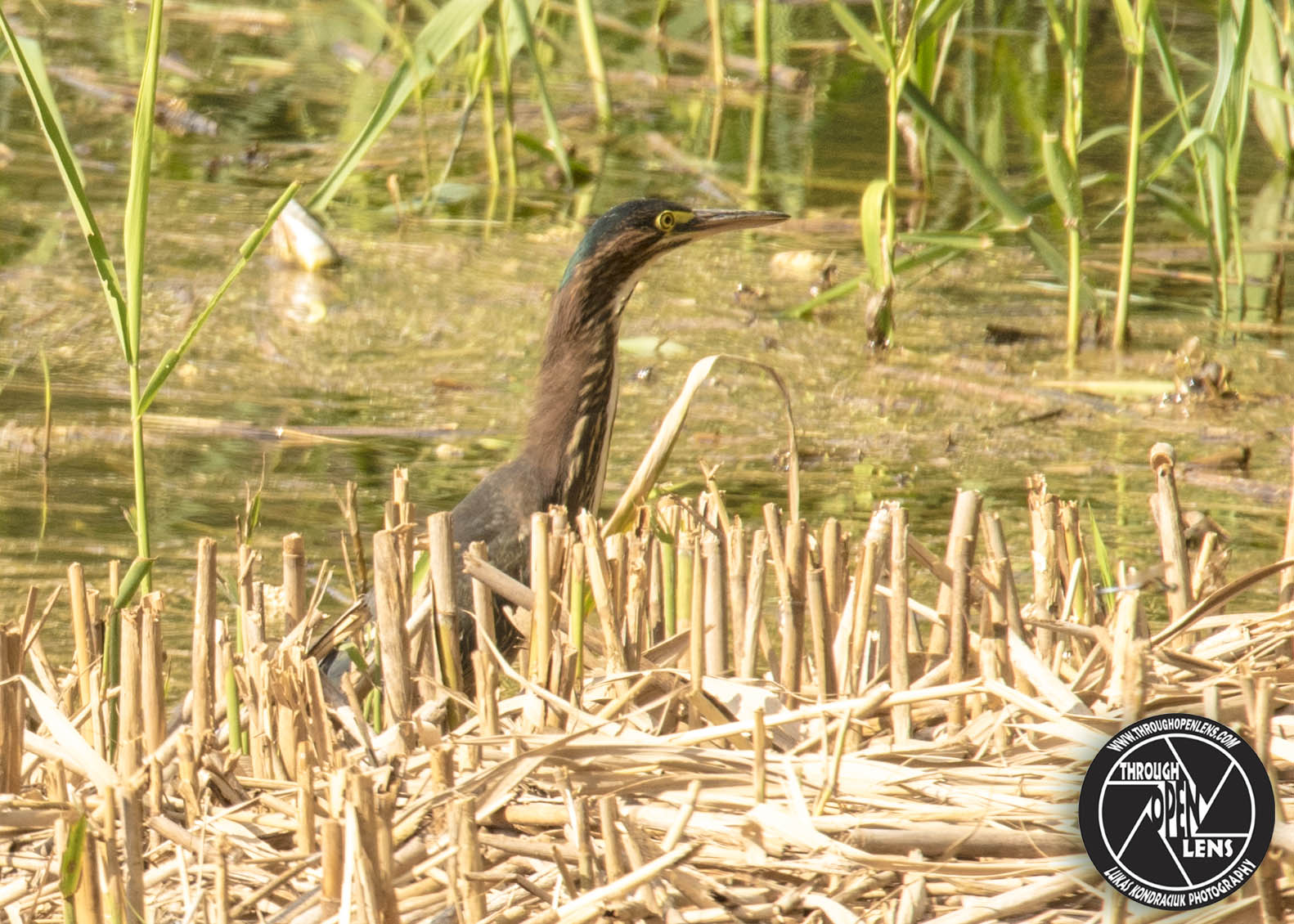
Peek A Boo!

F/9.0, 1/320, ISO 250.

Green Heron

Why are ghosts so bad at lying?

Because you can see right through them!

Interesting Fact: Green Herons usually hunt by wading in shallow water, but occasionally they dive for deep-water prey and need to swim back to shore—probably with help from the webs between their middle and outer toes. One juvenile heron was seen swimming gracefully for more than 60 feet, sitting upright “like a little swan,” according to one observer. ( https://www.allaboutbirds.org/guide/Green_Heron/lifehistory )

You Big Silly Goose!

F/11.0, 1/500, ISO 320.

Brant Goose

How do baseball players stay cool?

They sit next to their fans.

Interesting Fact: An abundant small goose of the ocean shores, the Brant breeds in the high Arctic tundra and winters along both coasts. The Brant along the Atlantic have light gray bellies, while those off the Pacific Coast have black bellies and were at one time considered a separate species.  ( https://www.allaboutbirds.org/guide/Brant/lifehistory )

I Peck You!

F/9.0, 1/200, ISO 160.

Hairy Woodpecker

What did the blanket say to the bed?

Don’t worry, I’ve got you covered!

Interesting Fact: Hairy Woodpeckers sometimes drink sap leaking from wells in the bark made by sapsuckers. They’ve also been seen pecking into sugar cane to drink the sugary juice. ( https://www.allaboutbirds.org/guide/Hairy_Woodpecker/lifehistory )

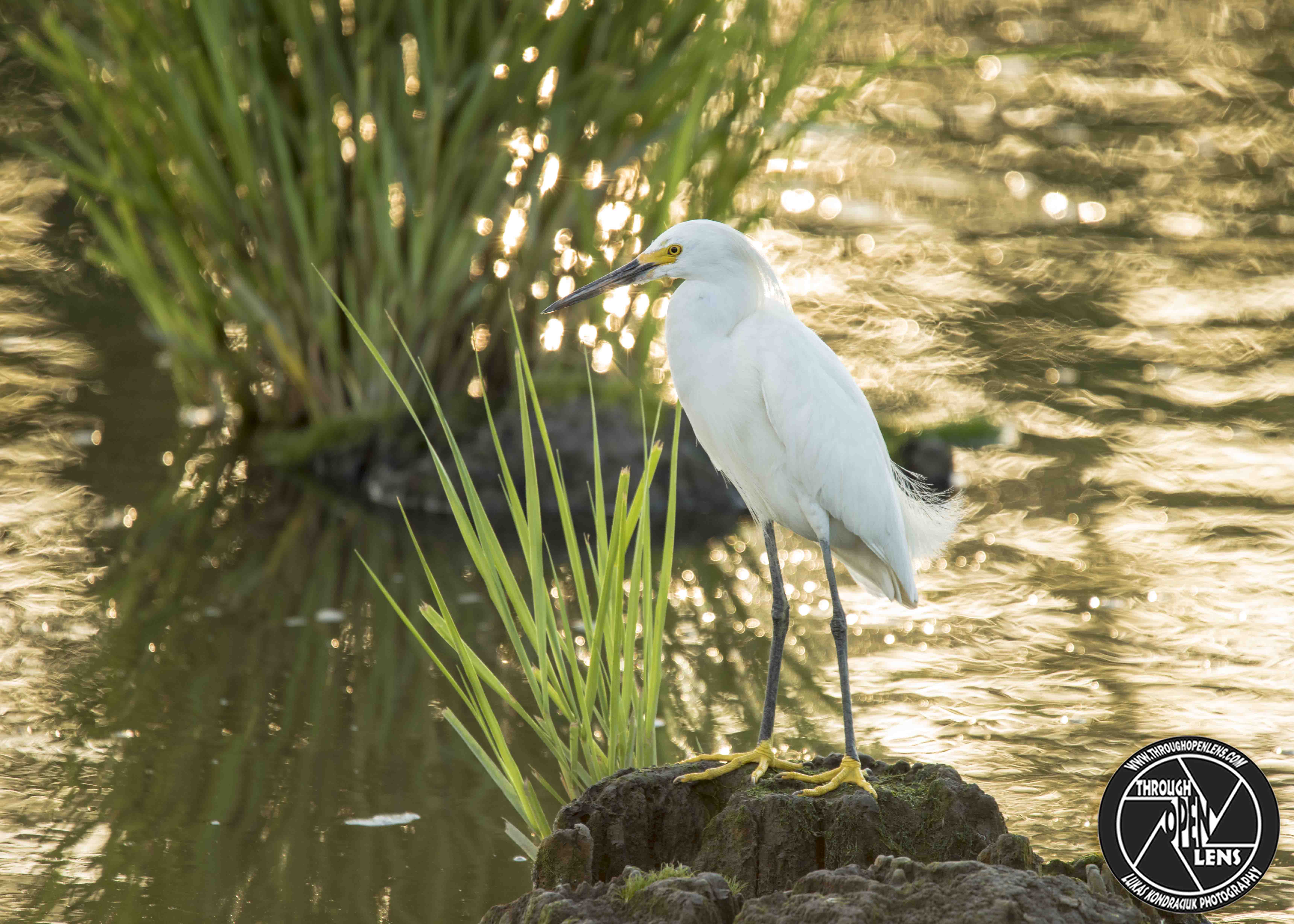
Leave A Little Sparkle Wherever You Go!

F/6.3, 1/160, ISO 250.

Snowy Egret

What does a pig put on its paper cut?

Oinkment!

Interesting Fact: The Snowy Egret eats mostly aquatic animals, including fish, frogs, worms, crustaceans, and insects. It often uses its bright yellow feet to paddle in the water or probe in the mud, rounding up prey before striking with its bill. Snowy Egrets feed while standing, walking, running, or hopping, and they may vibrate their bills, sway their heads, or flick their wings as part of prey gathering. They even forage while hovering. ( https://www.allaboutbirds.org/guide/Snowy_Egret/lifehistory )

Great Ideas Need Landing Gear As Well As Wings.

F/9.0, 1/250, ISO 320.

Great Blue Heron

Why did the chicken disappoint his mother.

He wasn’t what he was cracked up to be!

Interesting Fact: Great Blue Herons eat nearly anything within striking distance, including fish, amphibians, reptiles, small mammals, insects, and other birds. They grab smaller prey in their strong mandibles or use their dagger-like bills to impale larger fish, often shaking them to break or relax the sharp spines before gulping them down. ( https://www.allaboutbirds.org/guide/Great_Blue_Heron/lifehistory )