Simon Says, Pause!

F/5.3, 1/160, IOS 800.

Great Blue Heron 

What do you call when Batman skips out on church?

Christian Bale.

Interesting Fact: Great Blue Herons have specialized feathers on their chest that continually grow and fray. The herons comb this “powder down” with a fringed claw on their middle toes, using the down like a washcloth to remove fish slime and other oils from their feathers as they preen. Applying the powder to their underparts protects their feathers against the slime and oils of swamps. ( Great Blue Heron Overview, All About Birds, Cornell Lab of Ornithology )
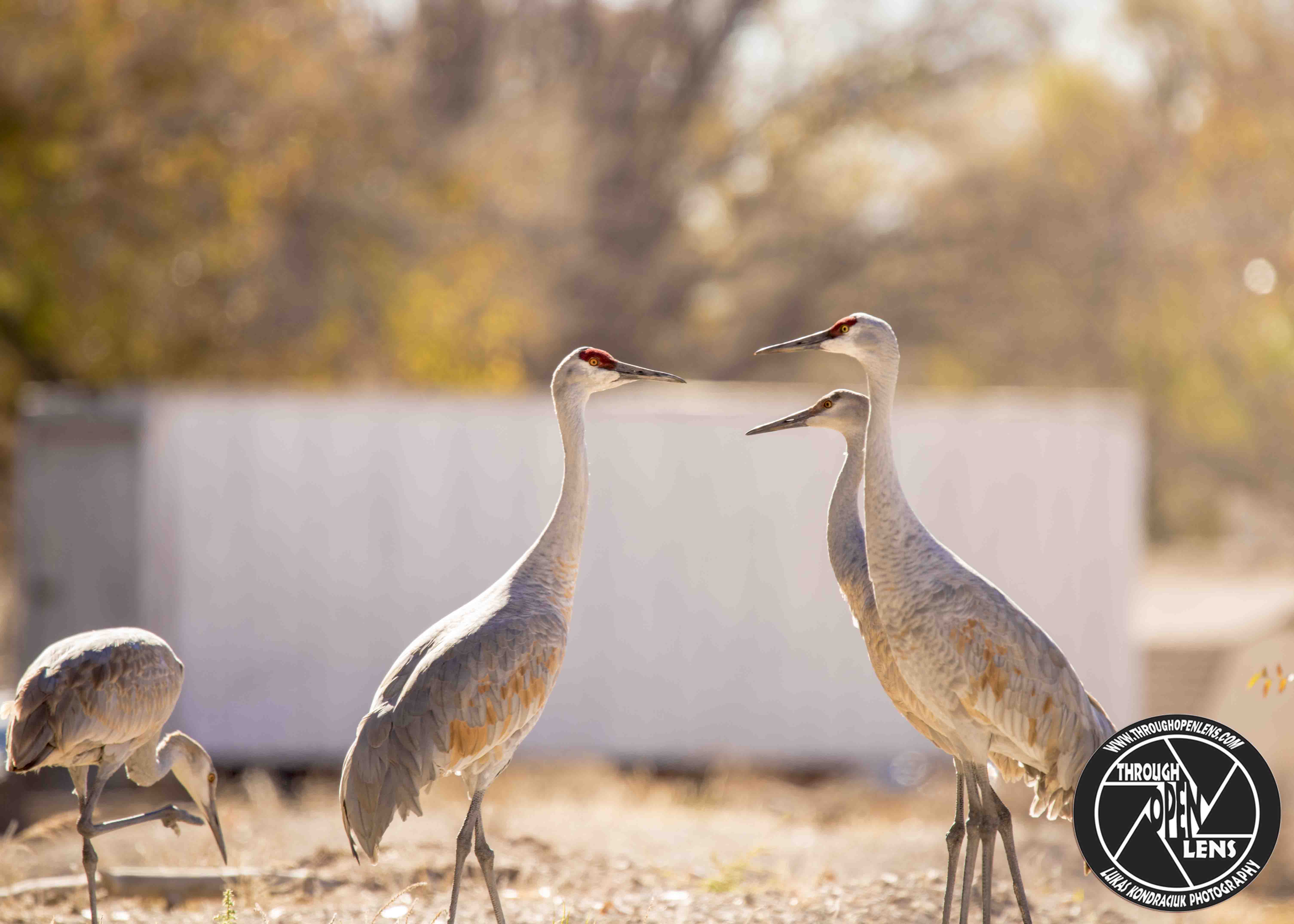


Hey Bro! Want To Have A Staring Contest?!

F/8.0, 1/250, ISO 200.

Sandhill Crane

What did the tie say to the hat?

You go on ahead and I’ll hang around.

Interesting Fact: The elegance of cranes has inspired people in cultures all over the world—including the great scientist, conservationist, and nature writer Aldo Leopold, who wrote of their “nobility, won in the march of aeons.”  ( https://www.allaboutbirds.org/guide/Sandhill_Crane/ )

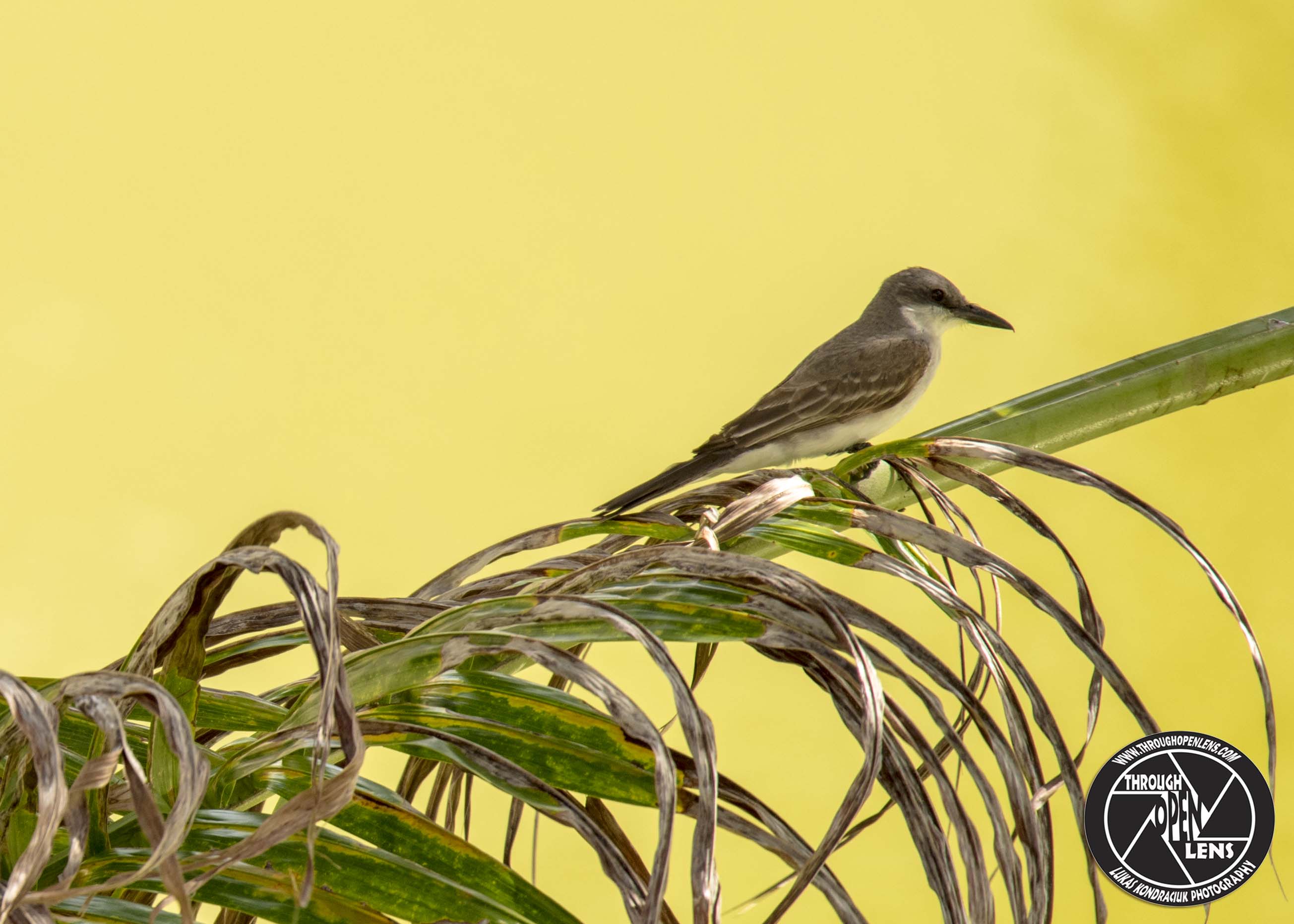
If Being Awesome Was A Crime, I’d Be Serving A Life Sentence!

F/8.0, 1/250, ISO 250.

Gray Kingbird

Where do most zombies live?

On DEAD end streets!

Interesting Fact: Like other kingbirds, these birds aggressively defend their territory against intruders, including mammals and much larger birds such as caracaras, red-tailed hawks and broad-winged hawks. ( https://en.wikipedia.org/wiki/Gray_kingbird )

Its So Fluffy!

F/11.0, 1/500, ISO 400.

Black capped Chickadee 

What is always coming but never arrives?

Tomorrow.

Interesting Fact: Chickadees are active, acrobatic, curious, social birds that live in flocks, often associating with woodpeckers, nuthatches, warblers, vireos, and other small woodland species. They feed on insects and seeds, but seldom perch within several feet of one another while taking food or eating. ( Black-capped Chickadee Life History, All About Birds, Cornell Lab of Ornithology )


Keep Looking Up Thats The Secret Of Life!

F/8.0, 1/250, ISO 400.

Red-Bellied Woodpecker

Dentist: This will hurt a little.

Patient: OK.

Dentist: I’ve been having an affair with your wife for a while now.

Interesting Fact:  These birds often stick to main branches and trunks of trees, where they hitch in classic woodpecker fashion, leaning away from the trunk and onto their stiff tail feathers as they search for food hiding in bark crevices. ( https://www.allaboutbirds.org/guide/Red-bellied_Woodpecker/lifehistory )

Flap Your Wings Like You Mean It.

F/13.0, 1/500, ISO 400.

Bufflehead Duck ( Male )

What do you call a belt with a clock on it?

A waist of time.

Interesting Fact: To dive, Bufflehead compress their plumage to squeeze out air, then give a slight forward leap and plunge powerfully downward. They hold their wings tightly against their bodies underwater and use only their feet to propel themselves. ( Bufflehead Life History, All About Birds, Cornell Lab of Ornithology )

Do You Feel Ducky, Punk!

F/13.0, 1/640, ISO 400.

Hooded Merganser Male

Where do you take a sick boat?

To the dock.

Interesting Fact: Unlike dabbling ducks, Hooded Mergansers swim low in the water. Their legs are far back on their bodies, which helps in diving but makes them awkward on land. They take flight by running across the water, flying with fast wingbeats and never gliding until they are about to land (by skidding to a stop on the water). ( Hooded Merganser Life History, All About Birds, Cornell Lab of Ornithology )


You Make Me Blush!

F/10.0, 1/400, ISO 250.

House Finch

Why are some fish at the bottom of the ocean?

Because they dropped out of school!

Interesting Fact:  House Finches were introduced to Oahu from San Francisco sometime before 1870. They had become abundant on all the major Hawaiian Islands by 1901 ( https://www.allaboutbirds.org/guide/House_Finch )

Freeze!

dark-eyed-junco

F/10.0, 1/160, ISO 400.

Dark-eyed Junco

How do you know if there’s a snowman in your bed?

You wake up wet!

Interesting Fact: Male juncos are very territorial in summer, chasing off intruders in rapid flights accompanied by excited call notes. When males court females, they fan or flick open their wings and tail, hop up and down, and pick up pieces of nest material or moss; females seem to prefer males that show more white in the tail. During winter, Dark-eyed Juncos form fairly large flocks, and where wintering ranges overlap you may find several subspecies in a single flock. Juncos also forage with other sparrows and bluebirds. Junco flocks typically have a hierarchy or pecking order, and earlier arrivals tend to rank higher in the group than later arrivals. ( https://www.allaboutbirds.org/guide/Dark-eyed_Junco/lifehistory )

50 Shades Of Red In My Eyes

F/ 6.3, 1/640, ISO 200.

Canvasback 

What type of book has only characters and no story?

A telephone book.

Interesting Fact: A large diving duck, the Canvasback breeds in prairie potholes and winters on ocean bays. Its sloping profile distinguishes it from other ducks. ( https://www.allaboutbirds.org/guide/Canvasback/id )