Funny How Everything Goes Your Way When You Stop Giving A F*ck!

F/6.3, 1/160, ISO 125.

Tricolored Heron

Where do sheep go for summer vacation?

The Baa-hamas

Interesting Fact: Angsty teenagers aren’t just a human phenomenon. As Tricolored Herons get older they often lunge and snap at their parents when they arrive at the nest with food. To appease the youngsters, parents greet them with bows.  ( https://www.allaboutbirds.org/guide/Tricolored_Heron/overview )  

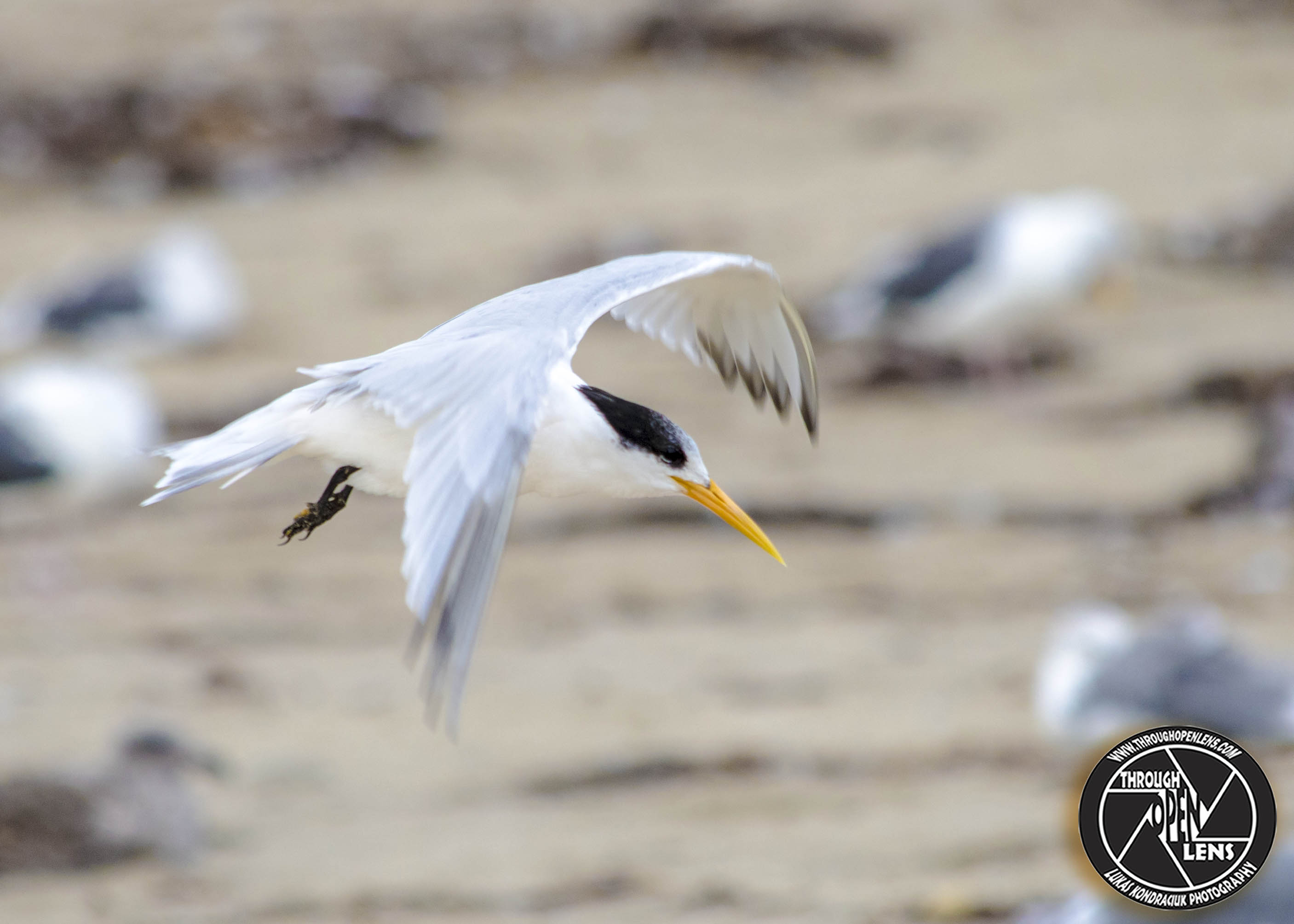
INCOMING!!!

F/5.6, 1/500, ISO 200.

Elegant Tern

What happened when a faucet, a tomato and lettuce were in a race?

The lettuce was ahead, the faucet was running and the tomato was trying to ketchup.

Interesting Fact: Approximately 90-97% of all Elegant Terns nest in one colony on Isla Rasa in the Gulf of California, Mexico. ( https://www.allaboutbirds.org/guide/Elegant_Tern/lifehistory )

Just Because I’m Awake Doesn’t Mean I’m Ready To Do Things.

F/8.0, 1/250, ISO 250.

Tricolored Heron ( Juvenile )

What is a bee that cant make up his mind?

A maybe.

Interesting Fact: Angsty teenagers aren’t just a human phenomenon. As Tricolored Herons get older they often lunge and snap at their parents when they arrive at the nest with food. To appease the youngsters, parents greet them with bows. ( https://www.allaboutbirds.org/guide/Tricolored_Heron/overview )

Quit Staring AT Me!

F/6.3, 1/80, ISO 500.

Common Gallinule

What do u call a police officer that works in bed?

A undercover cop.

Interesting Fact: Males and females construct a wide bowl of grasses and sedges. Males tend to collect most of the nesting material while females arrange and anchor it to emergent vegetation near the water’s edge. Common Gallinule nests are around 10–12 inches wide.  ( https://www.allaboutbirds.org/guide/Common_Gallinule/lifehistory )

You Like My Legs?

F/7.1, 1/200, ISO 250.

Greater Yellowlegs

A bear walks into a bar. He says, “I’ll have a gin… … … … … … … and tonic.”

The bartender says, “Sure, but what about the big pause?”

The bear says, “I was born with them.”

Interesting Fact: A common, tall, long-legged shorebird of freshwater ponds and tidal marshes, the Greater Yellowlegs frequently announces its presence by its piercing alarm calls. ( https://www.allaboutbirds.org/guide/Greater_Yellowlegs/lifehistory )

Born To Stand Out Not To Fit In!

F/9.0, 1/320, ISO 200.

American Flamingo

What’s the opposite of a flamingo?

A flamin-stop.

Interesting Fact: At the beginning of the nesting season, they perform mass courtship displays, where hundreds move together in a coordinated walk. ( http://identify.whatbird.com/obj/940/overview/American_Flamingo.aspx )

Everything In Your Life Is Reflection Of A Choice You Have Made, If You Want A Difrent Result, Make A Different Choice.

F/10.0, 1/400, ISO 320, Photoshop CS6.

Mute Swan

A pirate was on his ship and his watchman comes to him and says, “1 enemy ship on the horizont.”

The captain says, “Bring me my red shirt, no men get injured or die.”

So the watchman comes to him and asks, “Why did you want your red shirt?”

The captain says, “Because if i get injured they won’t see and keep on fighting.”

So the watchman comes to him again and says, “20 enemy ships on the horizont.”

The captain says, “Bring me my brown pants.”

Interesting Fact:  Mute Swans can adapt to degraded habitat and actually benefit from the spread of the invasive common reed Phragmites australis, which flourishes in disturbed sites. As the reeds spread into lakes and ponds, the swans can build nests farther offshore in the reed beds, where they’re safer from egg predators. ( https://www.allaboutbirds.org/guide/Mute_Swan/lifehistory )

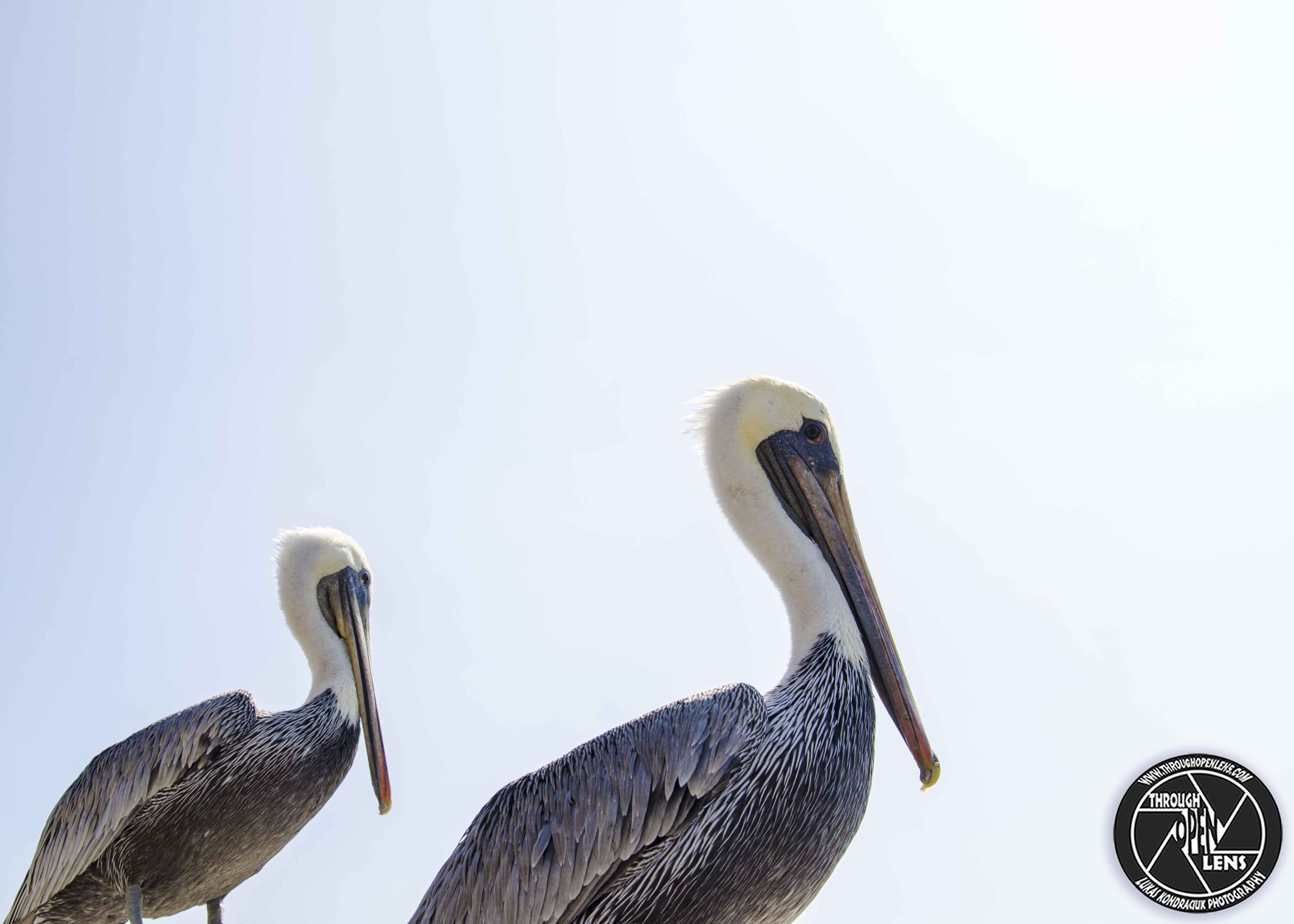
Strike A Pose

F/9.0, 1/320, ISO 100.

Brown Pelicans

I bought some shoes from a drug dealer.

I don’t know what he laced them with, but I’ve been tripping all day.

Interesting Fact: The closely related Peruvian Pelican lives along the Pacific Coast of South America from southern Ecuador to Chile. It’s a little larger than a Brown Pelican, with fine white streaking on its underparts and a blue pouch in the breeding season. These two species are the only pelicans that plunge-dive for their food. ( https://www.allaboutbirds.org/guide/Brown_Pelican/lifehistory )

I’m On A Seafood Diet. I See Food, I Eat It.

F/10.0, 1/400, ISO 160.

Red-tailed Hawk

What did one elevator say to the other elevator?

I think I’m coming down with something!

Interesting Fact: Mammals make up the bulk of most Red-tailed Hawk meals. Frequent victims include voles, mice, wood rats, rabbits, snowshoe hares, jackrabbits, and ground squirrels. The hawks also eat birds, including pheasants, bobwhite, starlings, and blackbirds; as well as snakes and carrion. Individual prey items can weigh anywhere from less than an ounce to more than 5 pounds. ( https://www.allaboutbirds.org/guide/Red-tailed_Hawk/lifehistory  )

I Had A Very Unhappy Egghood…

F/10.0, 1/320, ISO 320

Brown-headed Cowbird

What did the traffic light say to the car?

Don’t look, I’m changing.

Interesting Fact: Cowbird eggs hatch faster than other species eggs, giving cowbird nestlings a head start in getting food from the parents. Young cowbirds also develop at a faster pace than their nest mates, and they sometimes toss out eggs and young nestlings or smother them in the bottom of the nest. ( https://www.allaboutbirds.org/guide/Brown-headed_Cowbird/lifehistory )