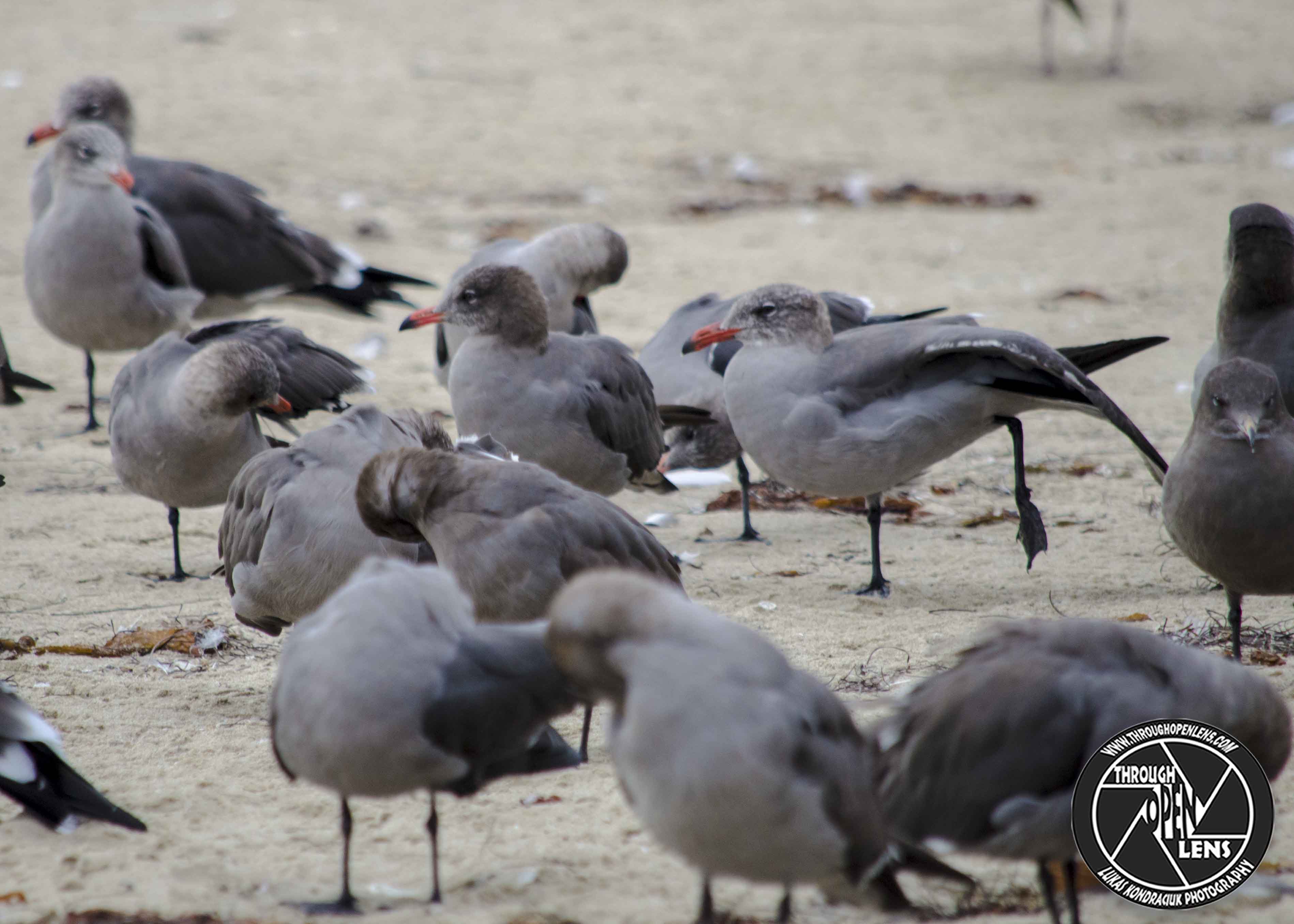
Simon Sez Stand On One Leg!

F/5.6, 1/500, ISO 400.

Heermann’s Gull

How do you communicate with a fish?

Drop him a line!

Interesting Fact: The Heermann’s Gull is the only North American gull that breeds south of the United States and comes north to spend the nonbreeding season. After breeding is over in July, the gull quickly comes north all the way to southern Canada. It heads back southward by December, and most breeders are at the breeding islands by March. ( https://www.allaboutbirds.org/guide/Heermanns_Gull/lifehistory )

I Give Out Swimming Lessons

F/8.0, 1/250, ISO 640.

Double-crested Cormorant

What do you call a bear with no socks on?

Bare-foot.

Interesting Fact: Large pebbles are occasionally found in cormorant nests, and the cormorants treat them as eggs. ( https://www.allaboutbirds.org/guide/Double-crested_Cormorant )

Swim At Your Own Risk

mute-swan-swimming

F/5.6, 1/125, ISO 320.

Mute Swan

Why did the teacher jump into the water?

She wanted to test the water!

Interesting Fact: The black knob at the base of the male Mute Swan’s bill swells during the breeding season and becomes noticeably larger than the female’s. The rest of the year the difference between the sexes is not obvious.  ( https://www.allaboutbirds.org/guide/Mute_Swan/lifehistory )

Change Is Hard. Have You Ever Tried To Bend A Coin?

F/7.1, 1/200, ISO 160.

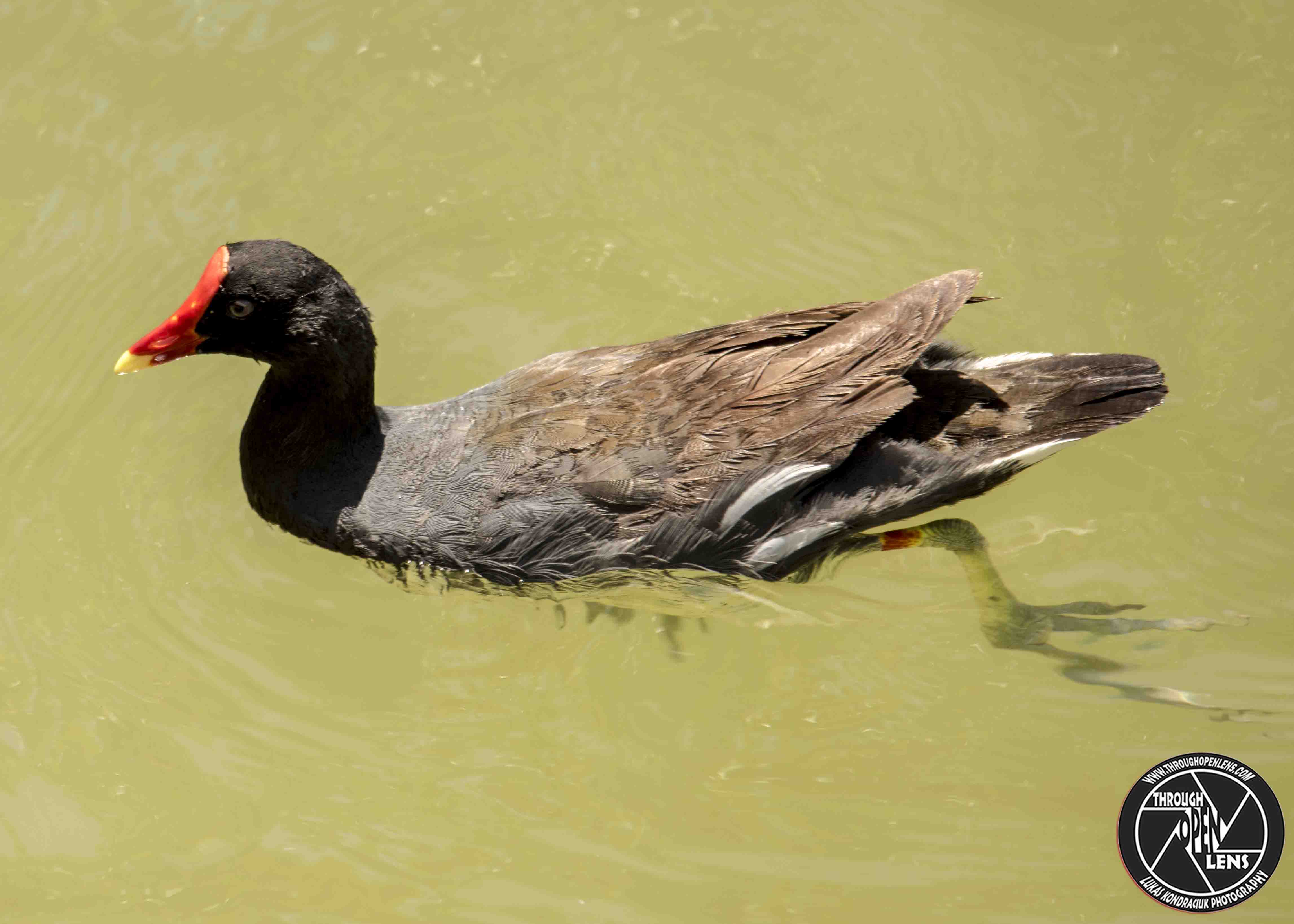
Common Gallinule

Why didn’t the skeleton go to the dance?

Because he had no-body to go with

Interesting Fact: Common Gallinules build nests to raise their young, but they also build platforms of matted vegetation to display for potential mates. ( https://www.allaboutbirds.org/guide/Common_Gallinule )

Don’t Questions My Parenting!

F/6.3, 1/80, ISO 500.

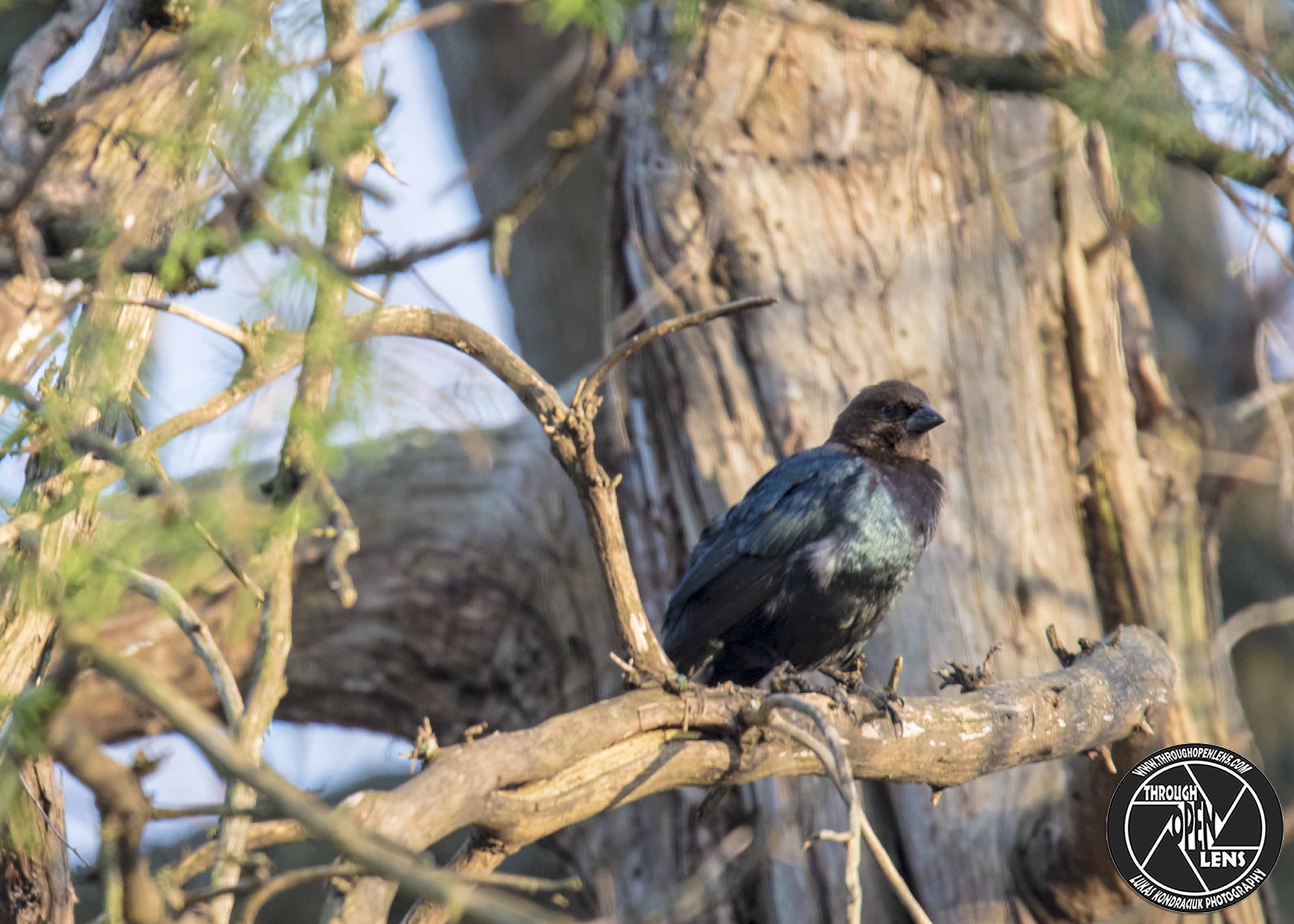
Brown-headed Cowbird

I’ve just opened a new restaurant called Karma.

There’s no menu, we just give you what you deserve.

Interesting Fact: The Brown-headed Cowbird is North America’s most common “brood parasite.” A female cowbird makes no nest of her own, but instead lays her eggs in the nests of other bird species, who then raise the young cowbirds. ( https://www.allaboutbirds.org/guide/Brown-headed_Cowbird )

Alone We Are Strong… Together We Are Stronger!

F/9.0, 1/320, ISO 200.

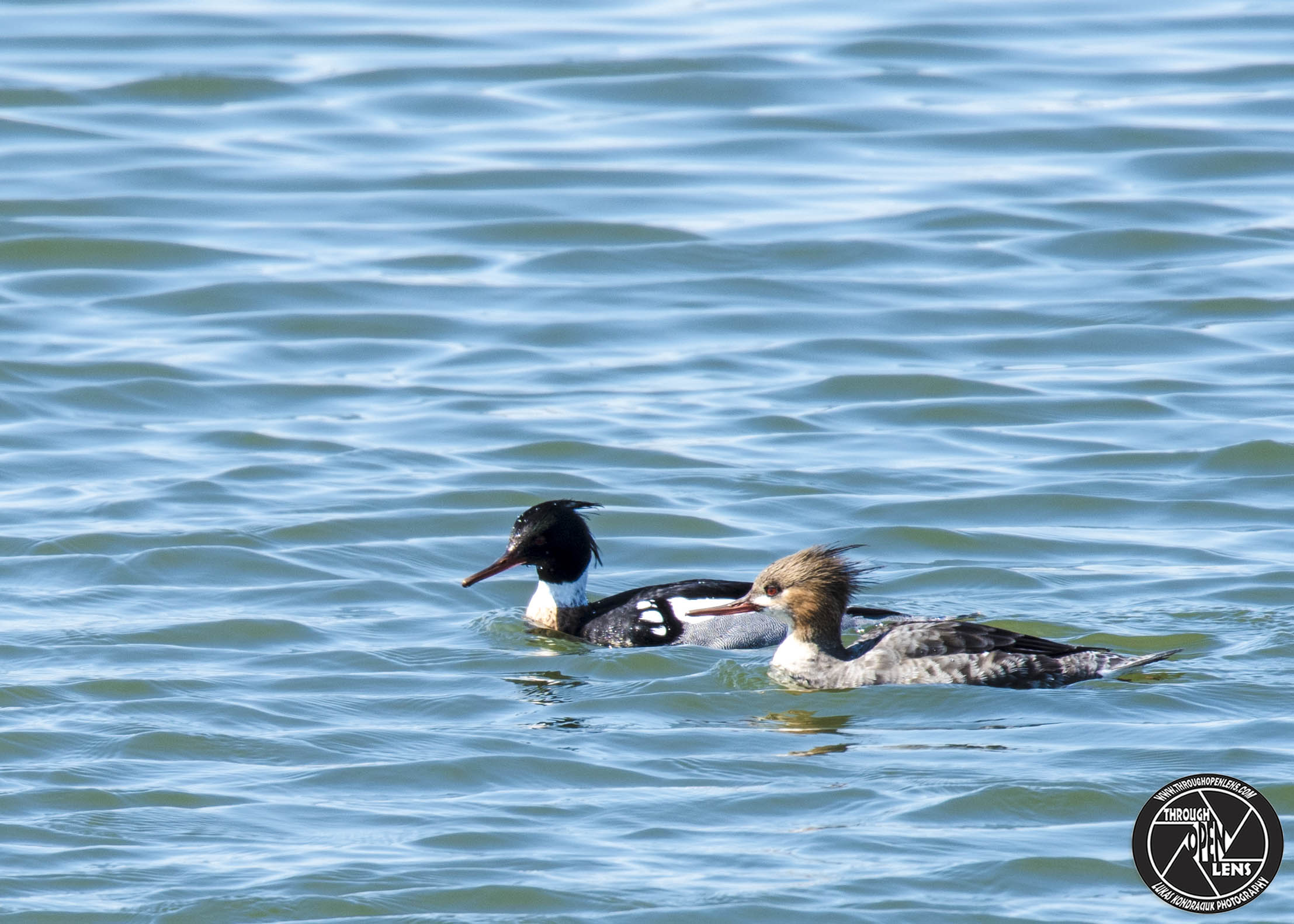
Red-breasted Merganser

Why can’t a leopard hide?

Because he’s always spotted!

Interesting Fact:  The Red-breasted Merganser breeds farther north and winters farther south than the other American mergansers. ( https://www.allaboutbirds.org/guide/Red-breasted_Merganser/lifehistory )

Here I Am Rock You Like A Hurricane!

F/8.0, 1/125, ISO 400.

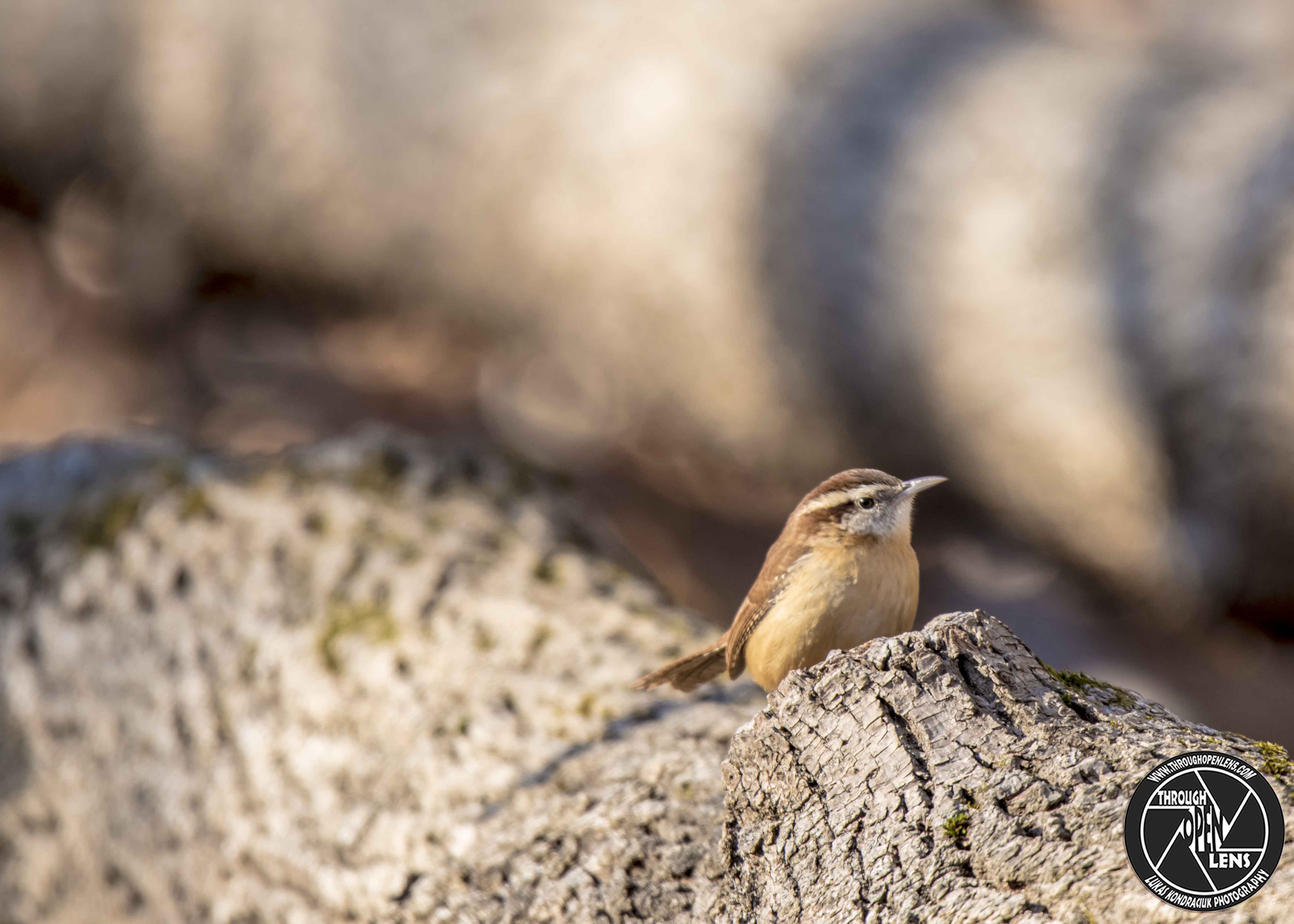
Carolina Wren

What did one autumn leaf say to the other?

I’m falling for you.

Interesting Fact: They climb up vines, trunks, and branches, poking into squirrel nests and probing nooks and crannies in search of insects. Carolina Wrens use their curved bills to turn over decaying vegetation and to hammer and shake apart large bugs. They roost in bird boxes, abandoned hornet nests, hanging plants, garages, barns, old nests, and other shelters. A weak flyer, this wren makes brief, quick aerial forays over short distances. Pairs stay bonded year-round, with no vacation from singing or defending territory. ( https://www.allaboutbirds.org/guide/Carolina_Wren/lifehistory )

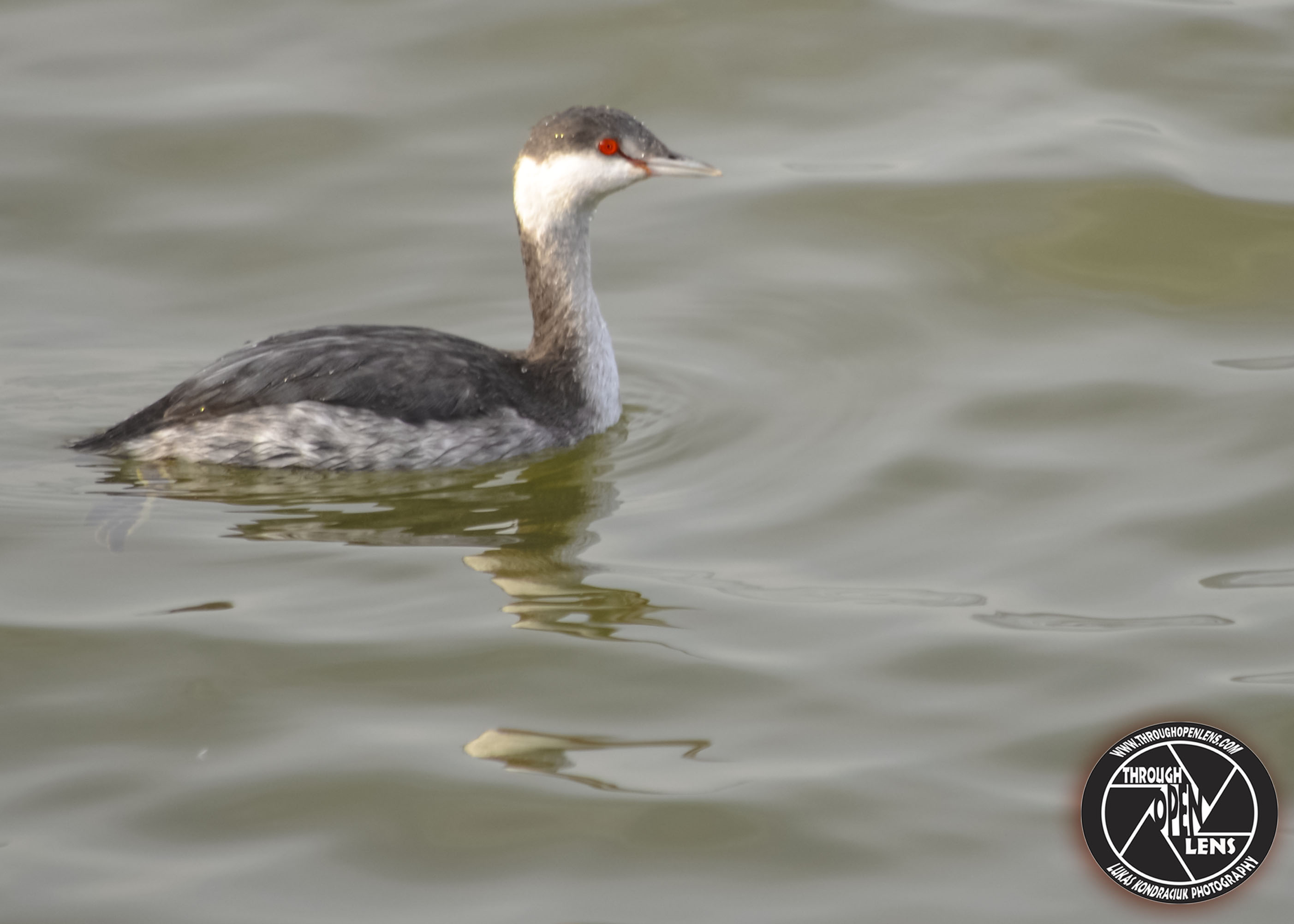
If I’m Going To Get Wet, I May As Well Swim.

horned-grebe

F/5.6, 1/200, ISO 500.

Horned Grebe

Why won’t they allow elephants in public swimming pools?

Because they might let down their trunks.

Interesting Fact: The Horned Grebe regularly eats some of its own feathers, enough that its stomach usually contains a matted plug of them. This plug may function as a filter or may hold fish bones in the stomach until they can be digested. The parents even feed feathers to their chicks to get the plug started early. ( https://www.allaboutbirds.org/guide/Horned_Grebe/lifehistory )

Got An Itch That I Can’t Reach!

F/10.0, 1/400, ISO 320.

Mallard

What do you call a duck that steals?

A robber ducky.

Interesting Fact: Mallards nest on the ground on dry land that is close to water; nests are generally concealed under overhanging grass or other vegetation. Occasionally, Mallards nest in agricultural fields, especially alfalfa but also winter wheat, barley, flax, and oats. Both urban and wild populations readily nest in artificial nesting structures. Pairs search for nest sites together, typically on evening flights circling low over the habitat. Occasionally nests are placed on floating mats of vegetation or woven into plant stems that rise out of the water. ( https://www.allaboutbirds.org/guide/Mallard/lifehistory )

Don’t Look Back With Regret, Look Foward With Hope.

F/10.0, 1/400, ISO 160.

Black-capped Chickadee

What do you call a gorilla wearing ear-muffs?

Anything you like! He can’t hear you!

Interesting Fact: There is a dominance hierarchy within flocks. Some birds are “winter floaters” that don’t belong to a single flock—these individuals may have a different rank within each flock they spend time in. ( https://www.allaboutbirds.org/guide/Black-capped_Chickadee/lifehistory