Family Are Like Fudge… Mostly Sweet With A Few Nuts.

F/6.3, 1/160, ISO 100.

Canada Goose and Goslings 

What did the baby corn say to the mama corn?

Where’s POP corn?

Interesting Fact: During spring, pairs break out from flocks and begin defending territories. Spacing of these pairs is variable and depends on availability of nest sites and population density; where population is large, even after a great many fights birds may end up nesting in view of one another, and some populations are semi-colonial. ( https://www.allaboutbirds.org/guide/Canada_Goose/lifehistory )

Just Sitting Here On The Corner Of Awesome And Bombdiggity.

F/8.0, 1/125, ISO 100.

Peregrine Falcon

Why did Mickey Mouse go to space?

To visit Pluto.

Interesting Fact: The Peregrine Falcon is one of the most widespread birds in the world. It is found on all continents except Antarctica, and on many oceanic islands. ( https://www.allaboutbirds.org/guide/Peregrine_Falcon/lifehistory )

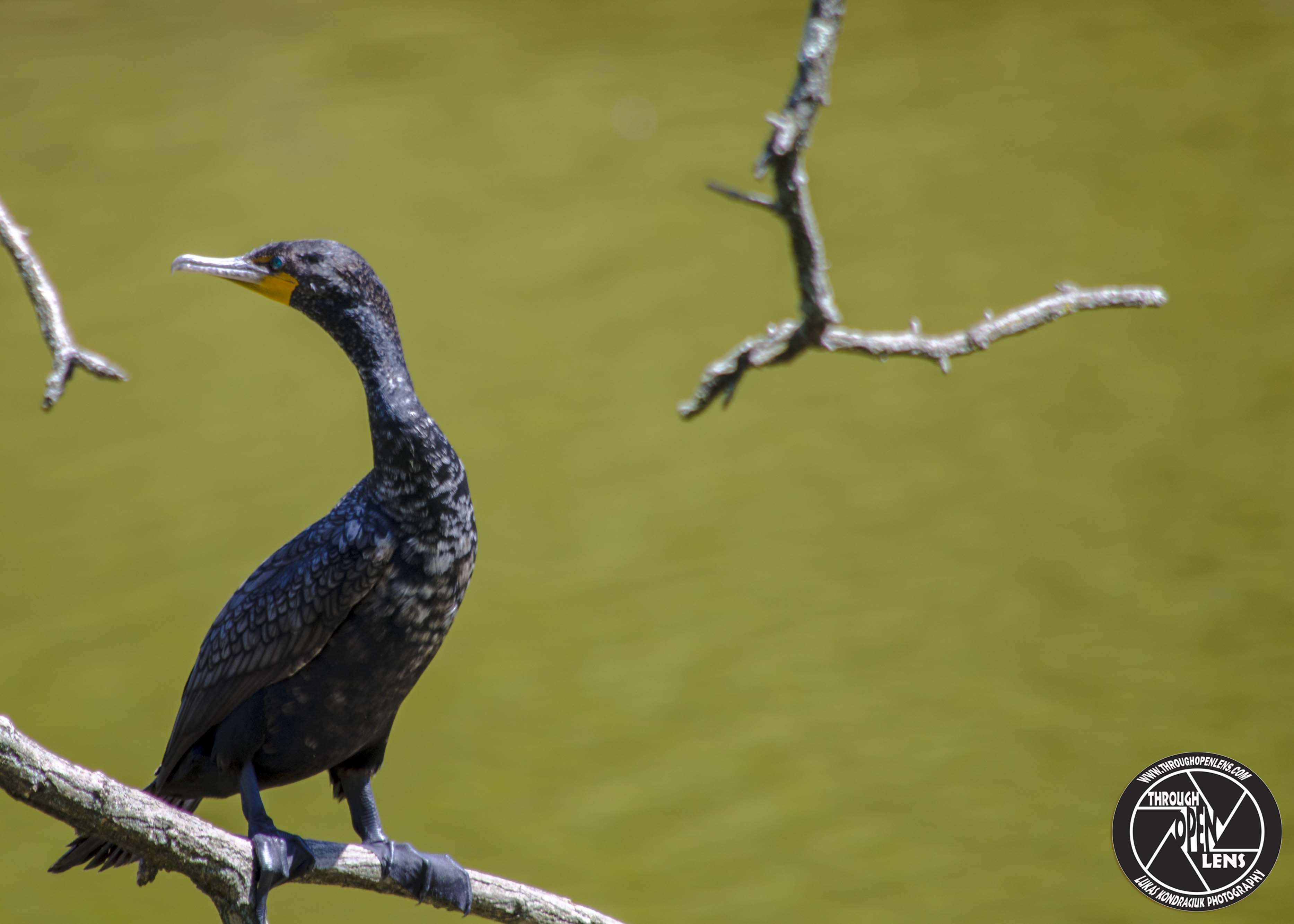
What Was That?!

F/5.6,1/160, ISO 100.

Double-crested Cormorant

What is the difference between the government and the Mafia?

One of them is organized.

Interesting Fact: Double-crested cormorants are gregarious birds that are almost always near water. Their main two activities are fishing and resting, with more than half their day spent on the latter. When at rest, a cormorant will choose an exposed spot on a bare branch or a windblown rock, and often spread its wings out, which is thought to be a means of drying their feathers after fishing. ( https://www.allaboutbirds.org/guide/Double-crested_Cormorant/lifehistory )


I Think We’re Going To Need A Bigger Rock!

F/5.6, 1/500, ISO 200.

American Black Ducks ( Juveniles )

Why can’t you trust an atom?

Because they make up everything.

Interesting Fact:  Normally found in eastern North America, American Black Ducks occasionally show up on the West Coast, Europe, and even Asia. Some of these birds may be escaped pets, but others are known to be wild ducks: for instance, one female banded in New Brunswick, Canada, turned up later in France. ( https://www.allaboutbirds.org/guide/American_Black_Duck/lifehistory )


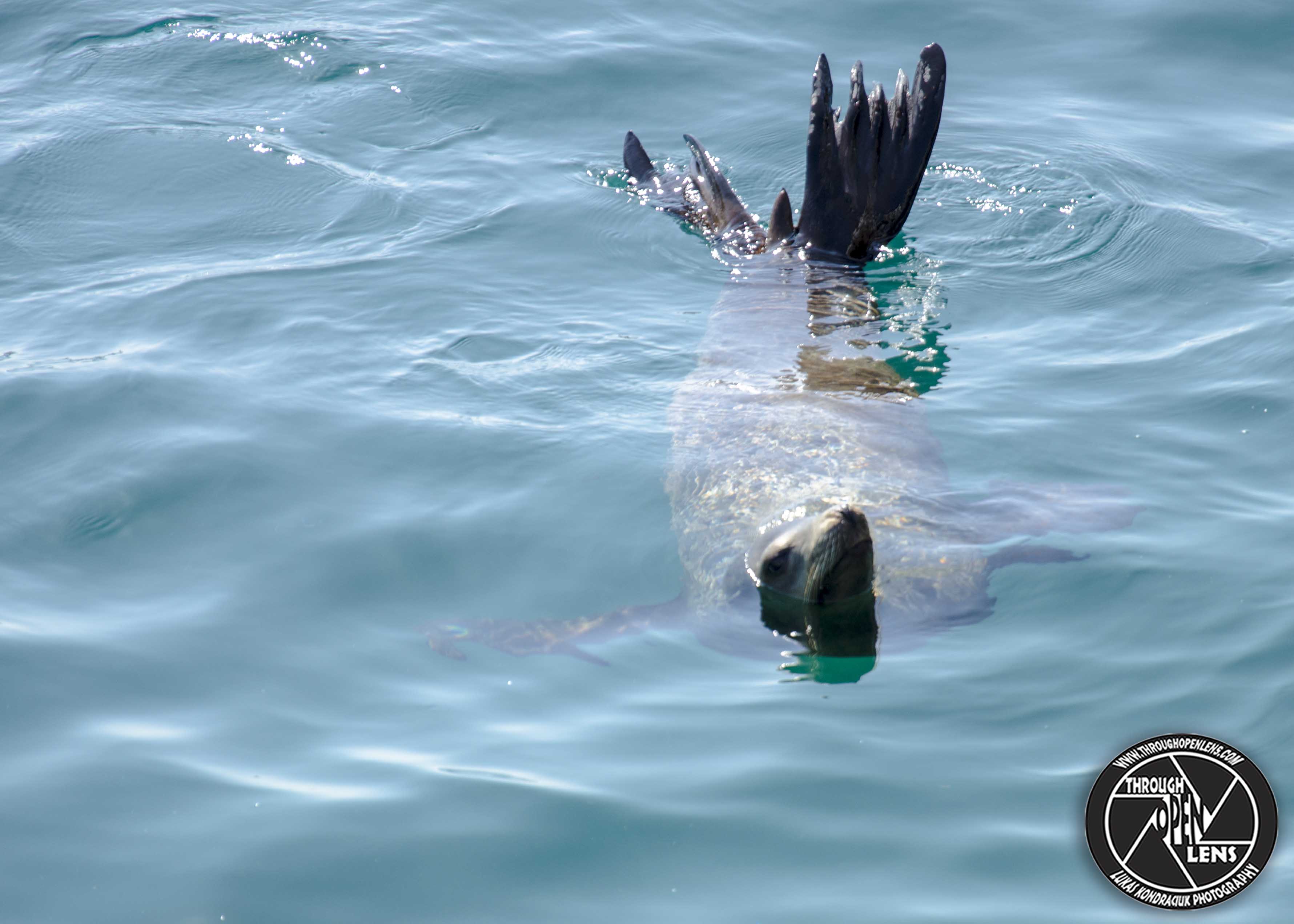
Just Smile And Wave!

F/5.6, 1/320, ISO 100.

California Sea Lion 

Why do sea lions go to Tupperware parties?

To find a tight seal!

Interesting Fact: When diving deep, California sea lions slow their heart rates to allow them to remain underwater for nearly ten minutes before surfacing to breathe. This ability gives them an edge in the pursuit of the fish, squid, and shellfish that make up their primary diet. ( http://www.nationalgeographic.com/animals/mammals/c/california-sea-lion/ )

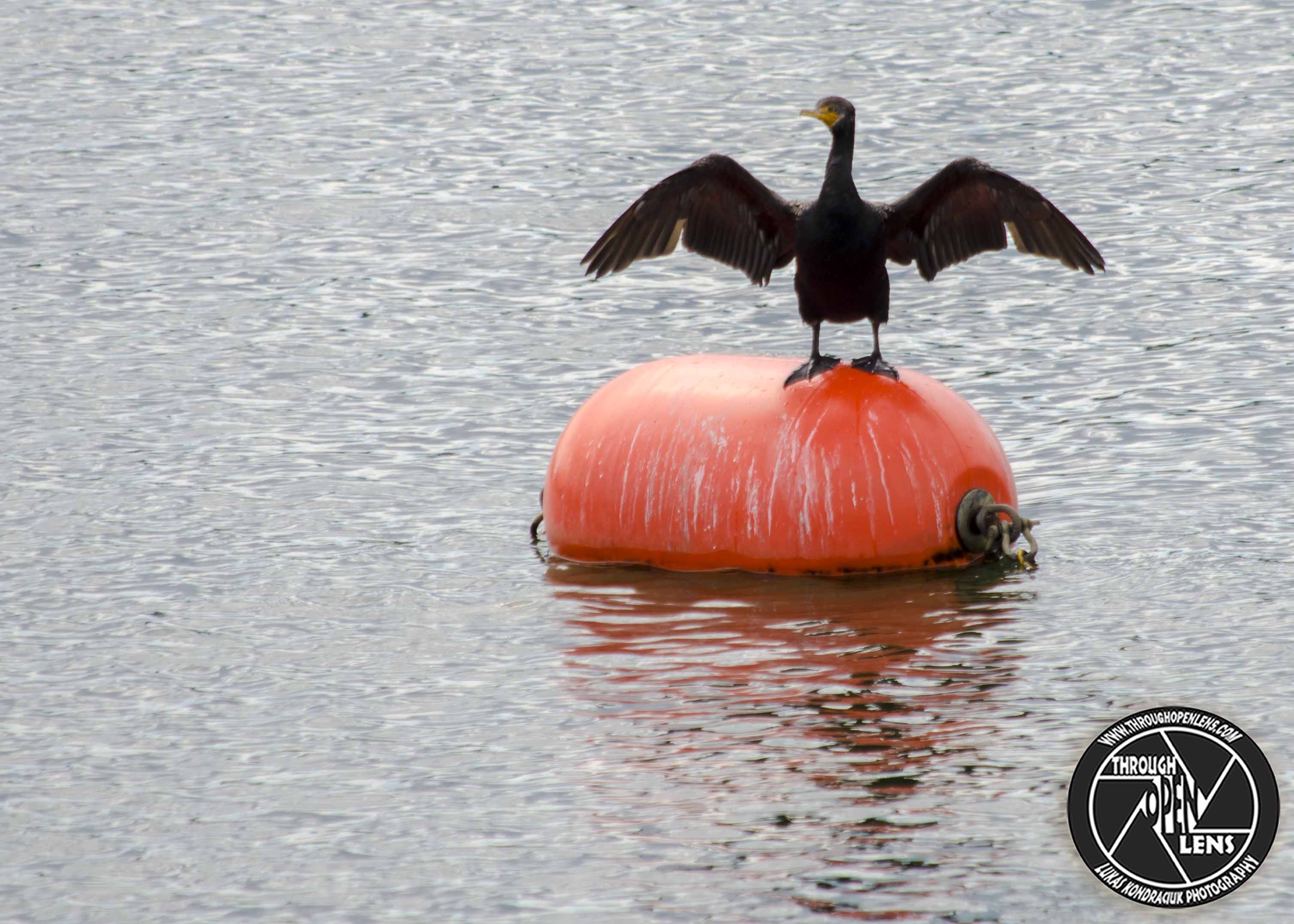
I Don’t Need Therapy, I Need A Hug!

F/9.0, 1/320, ISO 100.

Double-crested Cormorant

Tom had asked Fred to help him out with the deck after work, so Fred went straight over to Tom’s place. When they got to the door, Tom went straight to his wife, gave her a hug and told her how beautiful she was and how much he had missed her at work.
When it was time for dinner, he complimented his wife on her cooking, kissed her and told her how much he loved her. Once they were working on the deck, Fred told Tom that he was surprised that he fussed so much over his wife. Tom said that he’d started this about 6 months ago, it had revived their marriage and things couldn’t be better.
Fred thought he’d give it a go. When he got home, he gave his wife a massive hug, kissed her and told her that he loved her. His wife burst into tears. Fred was confused and asked why she was crying.
She said, “This is the worst day of my life. First, little Bobby fell off his bike and twisted his ankle. Then, the washing machine broke and flooded the basement. And now, you come home drunk!”

Interesting Fact: The double-crest of the Double-crested Cormorant is only visible on adults during breeding season. The crests are white in cormorants from Alaska, and black in other regions.  ( https://www.allaboutbirds.org/guide/Double-crested_Cormorant/lifehistory )

From Small Beginnings Come Great Things

F/5.6, 1/200, ISO 100.

Canada Goose Goslings

What do you get when you cross fish and an elephant?

Swimming trunks.

Interesting Fact: Young often remain with their parents for their entire first year, especially in the larger subspecies. As summer wanes birds become more social; they may gather in large numbers at food sources; where food is limited and patchy, may compete with displays and fights.  ( https://www.allaboutbirds.org/guide/Canada_Goose/lifehistory )

Oops, Wrong Tern!

F/7.1, 1/800, ISO 200.

Common Tern

What did the stamp say to the envelope?

Stick with me and we will go places!

Interesting Fact:  The incubating adult Common Tern flies off its nest to defecate 5-50 m (16-160 ft) away. It deposits its feces indiscriminately in nearby water or on the territories of other terns. ( https://www.allaboutbirds.org/guide/Common_Tern/lifehistory )

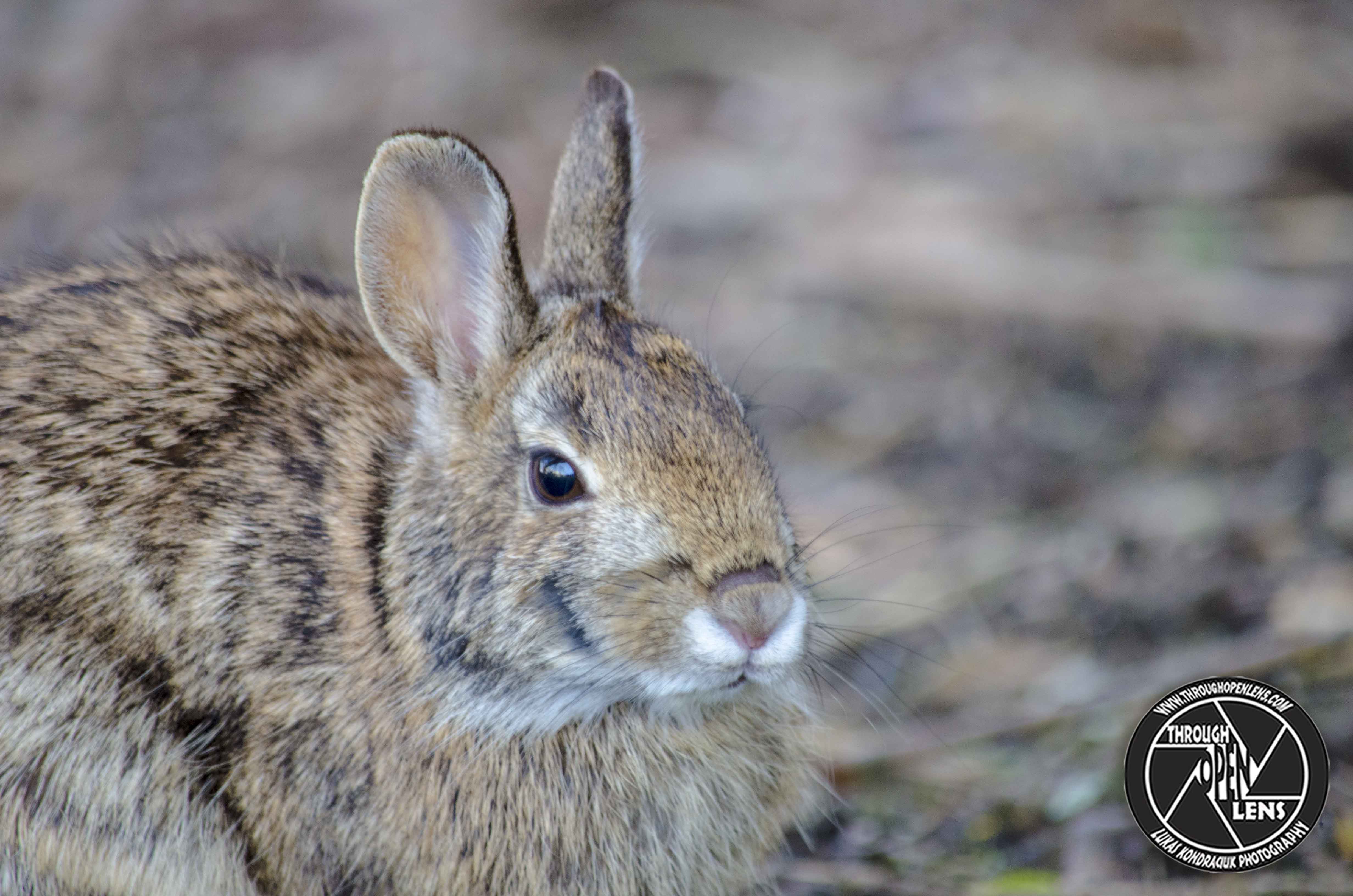
If You See Rabbit Laying Little Brown Eggs, Don’t Eat Them, IT’S NOT CHOCOLATE!

Happy Easter Everyone! 

F/5.6, 1/125, ISO 900.

Cottontail Rabbit

What happened to the Easter Bunny when he misbehaved at school?

He was eggspelled!

Interesting Fact: The Easter Bunny (also called the Easter Rabbit or Easter Hare) is a folkloric figure and symbol of Easter, depicted as a rabbit bringing Easter eggs. Originating among German Lutherans, the “Easter Hare” originally played the role of a judge, evaluating whether children were good or disobedient in behaviour at the start of the season of Eastertide.[1] The Easter Bunny is sometimes depicted with clothes. In legend, the creature carries colored eggs in his basket, candy, and sometimes also toys to the homes of children, and as such shows similarities to Santa Claus or the Christkind, as they both bring gifts to children on the night before their respective holidays. The custom was first[2][unreliable source?] mentioned in Georg Franck von Franckenau‘s De ovis paschalibus[3] (‘About Easter Eggs’) in 1682, referring to a German tradition of an Easter Hare bringing Easter eggs for the children. ( https://en.wikipedia.org/wiki/Easter_Bunny )

Don’t Look Back You’re Not Going That Way

F/5.6, 1/500, ISO 220.

Least Sandpiper

Browsing in a pet shop, a man sees a beautiful parrot with a red
string tied to its left leg and a green string tied to its right
leg, and asks the store owner about the different colored strings.
“This is a highly-trained parrot,” the owner explains. “If you
pull the red string, he’ll speak French.  If you pull the green
string, he’ll speak Spanish.”
The customer asks, “What happens if I pull both strings?”
“I’ll fall off my perch, dummy!” screeches the parrot.

Interesting Fact: Eastern populations probably fly nonstop over the ocean from the Gulf of St. Lawrence and New England to wintering grounds in northeastern South America, a distance of about 1,800 to 2,500 miles. ( https://www.allaboutbirds.org/guide/Least_Sandpiper/lifehistory )