You Know What Guys I Am Getting Sick Of The V Formation!

F/10.0, 1/400, ISO 640.

Ruddy Duck

What do you get when you put four ducks in a box?

A box of quackers!

Interesting Fact: The Ruddy Duck has spiky tail feathers that are used in courtship displays. ( http://identify.whatbird.com/obj/116/overview/Ruddy_Duck.aspx )

I Am In To Head Banging, What Music Do you Like?

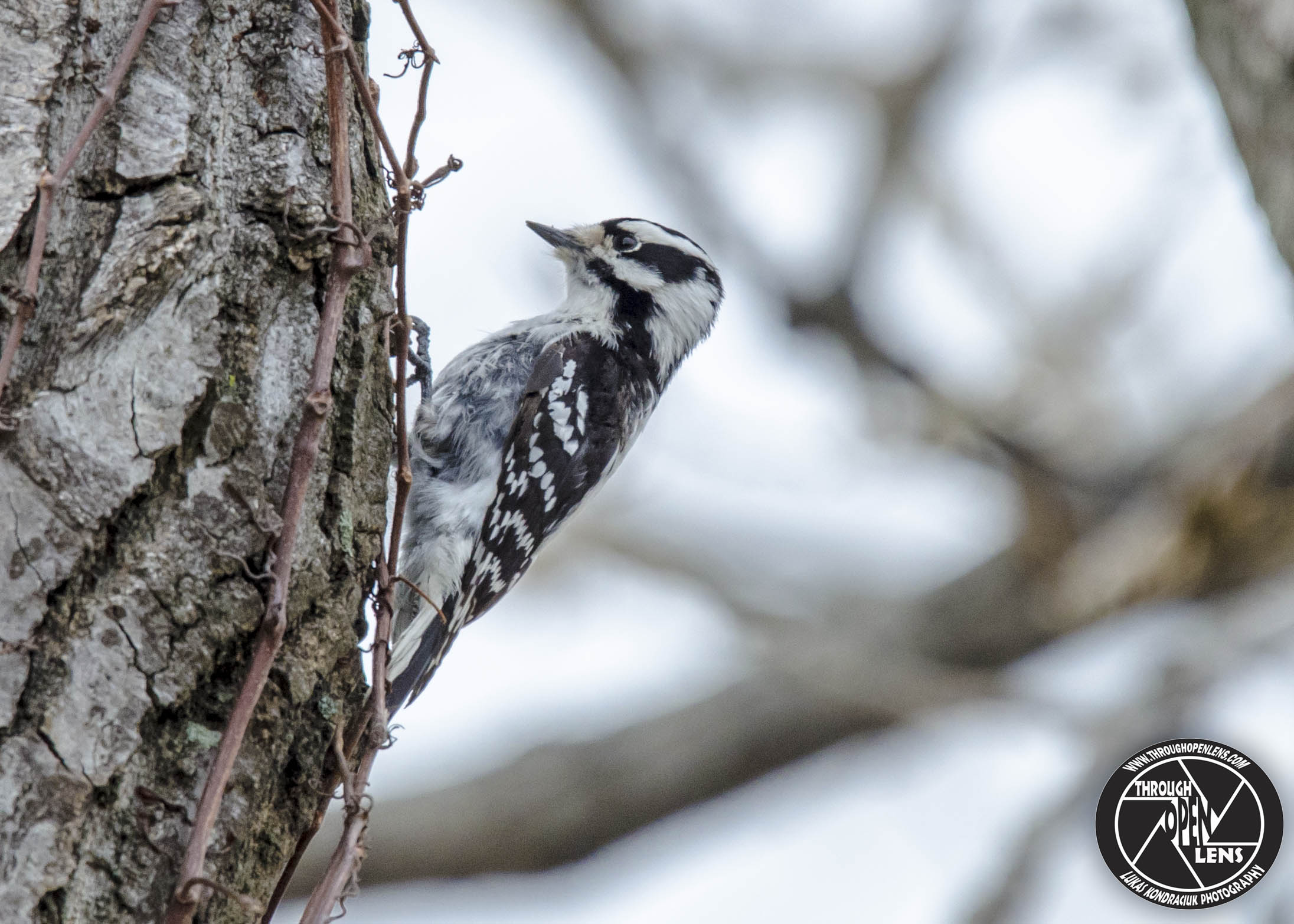
downy-woodpecker-2

F/6.3, 1/1000, ISO 800.

Downy Woodpecker

There are three guys in a helicopter and they each get to choose what they want to throw out.

The first guys chooses an apple. So he takes an apple and throws it out.

The second guy chooses a brick. So he takes a brick and throws it out.

The third guy chooses a grenade. So he pulls the pin and throws it out.

They land a while later and are walking along when they find a man rubbing his head.

They ask, “What happened to you?”

He answers, “An apple hit me on the head.”

They’re walking along again and find a man lying unconscious on the ground.

They ask the cop, “What happened to him?”

He answers, “A brick hit him on the head.”

They’re walking again, when they find a man laughing hysterically.

They ask, “What happened to you?”

He answers, “I farted and the house blew up behind me!”

Interesting Fact: In winter Downy Woodpeckers are frequent members of mixed species flocks. Advantages of flocking include having to spend less time watching out for predators and better luck finding food from having other birds around. ( https://www.allaboutbirds.org/guide/Downy_Woodpecker/lifehistory )


GERONIMO!

F/ 6.3, 1/1000, ISO 640.

Great Blue Heron

A magician was performing on cruise ship and each night while performing his pet parrot keeps saying:

“its up his sleeve”

” its in his pocket”.

“its in his shoe”.

“in his pants”.

Etc. and the magician was loosing his patience. one night while performing his tricks the ships boilers blew and the ship sank, the lucky magician was able to grab onto a ships table and float on the sea for a few days. the parrot in the mean time seemed non plussed and was looking quizzically at the magician for a few days whilst drifting. On the 4th day the parrots looks at his master and says:

“I give up… what did you do with the ship?”

Interesting Fact: Great Blue Herons have specialized feathers on their chest that continually grow and fray. The herons comb this “powder down” with a fringed claw on their middle toes, using the down like a washcloth to remove fish slime and other oils from their feathers as they preen. Applying the powder to their underparts protects their feathers against the slime and oils of swamps. ( https://www.allaboutbirds.org/guide/Great_Blue_Heron/lifehistory )

Save Water Take Baths With A Friend!

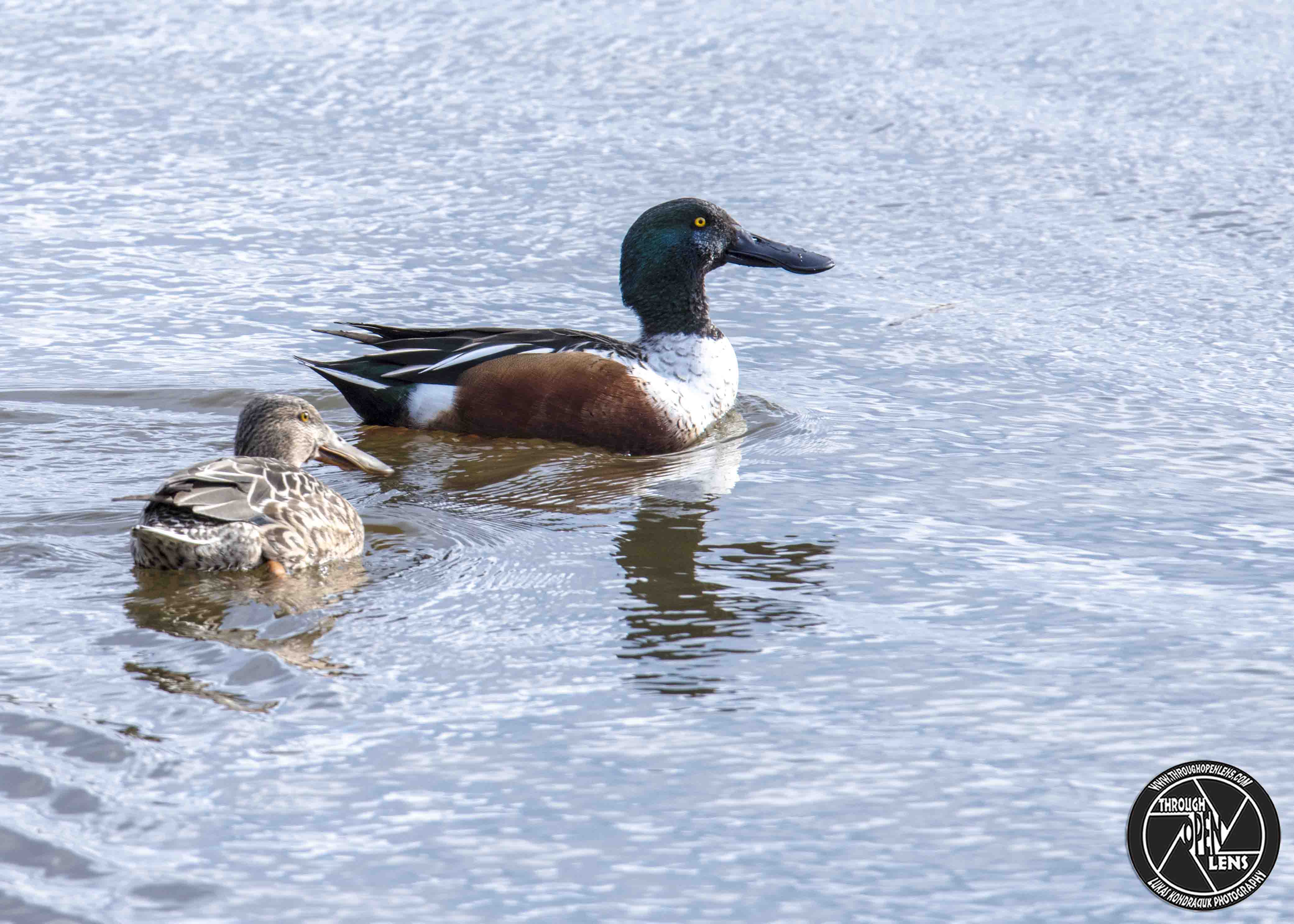
F/11.0, 1/500, ISO 400.

Northern Shoveler

What did the duck say when he dropped the dishes?

“I hope I didn’t quack any!”

Interesting Fact: Females use their body, feet, and bill to make a small depression on the ground about 8 inches wide. The nest scrape is usually surrounded on at least three sides by vegetation and lined with downy feathers. ( https://www.allaboutbirds.org/guide/Northern_Shoveler/lifehistory )


With The New Day Comes New Strength And New Thoughts

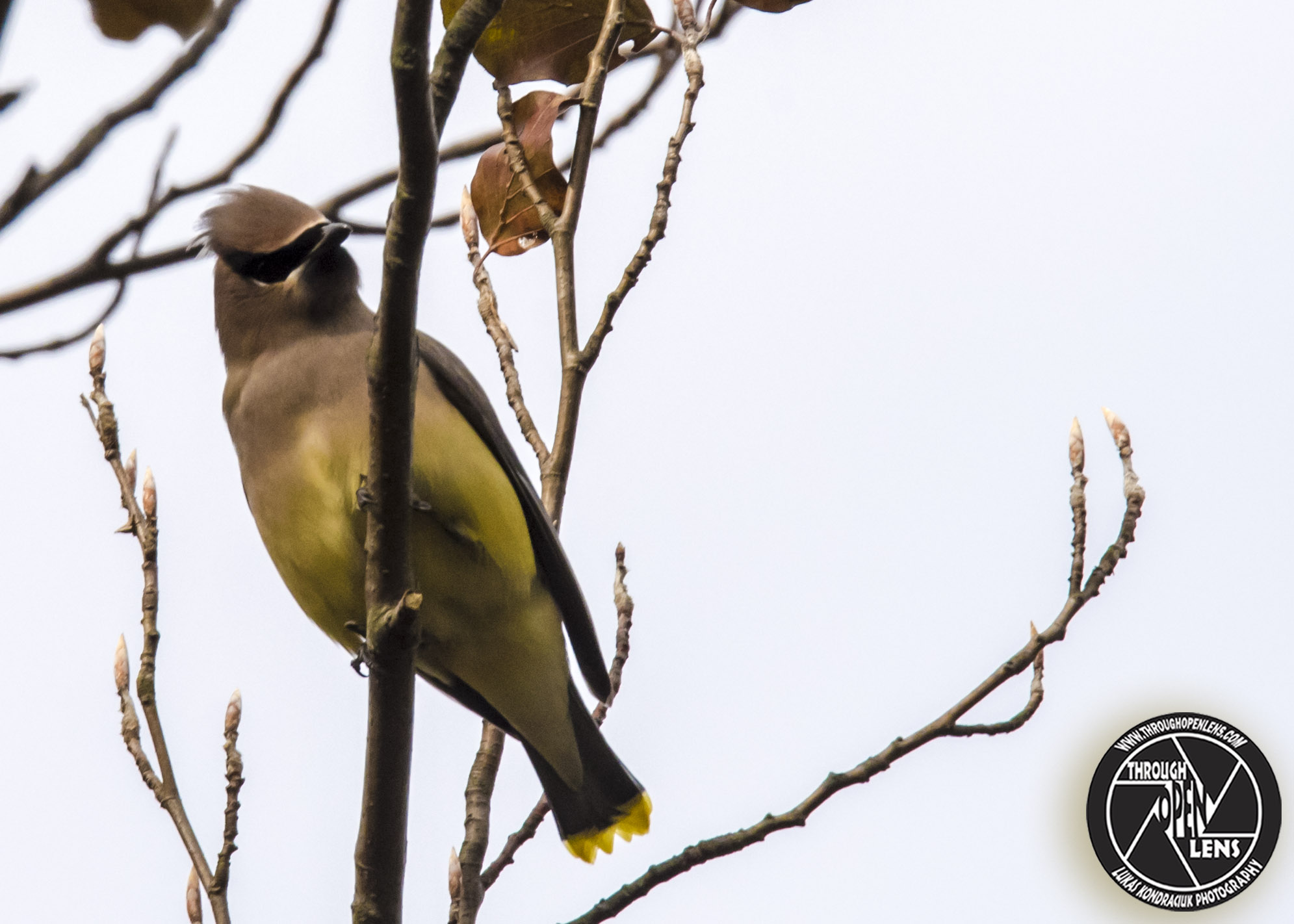
F/11.0, 1/500, ISO 400.

Cedar Waxwing

What do you call a cow that eats your grass?

A lawn moo-er.

Interesting Fact: The name “waxwing” comes from the waxy red secretions found on the tips of the secondaries of some birds. The exact function of these tips is not known, but they may help attract mates. ( https://www.allaboutbirds.org/guide/Cedar_Waxwing/lifehistory )

Got An Itch That I Can’t Reach!

F/10.0, 1/400, ISO 320.

Mallard

What do you call a duck that steals?

A robber ducky.

Interesting Fact: Mallards nest on the ground on dry land that is close to water; nests are generally concealed under overhanging grass or other vegetation. Occasionally, Mallards nest in agricultural fields, especially alfalfa but also winter wheat, barley, flax, and oats. Both urban and wild populations readily nest in artificial nesting structures. Pairs search for nest sites together, typically on evening flights circling low over the habitat. Occasionally nests are placed on floating mats of vegetation or woven into plant stems that rise out of the water. ( https://www.allaboutbirds.org/guide/Mallard/lifehistory )

Music Helps Me Escape From The Reality I Live In

F/6.3, 1/320, ISO 400.

Song Sparrow

What did the Mummy movie director say when the final scene was done?

Ok, that’s a wrap.

Interesting Fact:  Some scientists think that Song Sparrows of wet, coastal areas have darker plumage as a defense against feather mites and other decay agents that thrive in humid climates. The darker plumage contains more of a pigment called melanin, which makes feathers tougher and harder to degrade than lighter, unpigmented feathers. ( https://www.allaboutbirds.org/guide/Song_Sparrow/lifehistory )

Do I Look Like Cyclops From X-MEN!

F/13.0, 1/640, ISO 400.

Cedar Waxwing

Why was Tigger looking inside the toilet

He was looking for Pooh!

Interesting Fact:  Many birds that eat a lot of fruit separate out the seeds and regurgitate them, but the Cedar Waxwing lets them pass right through. Scientists have used this trait to estimate how fast waxwings can digest fruits. ( https://www.allaboutbirds.org/guide/Cedar_Waxwing/lifehistory )

It’s Been A Rough Week So Far… But On Positive Note, I Didn’t Need Any Bail Money And Didn’t Have To Hide Any Bodies!

F/6.3, 1/800, ISO 800.

Rough-legged Hawk

Daughter: “Mom, where do tampons go?”

Mom: “Where the babies come from, darling.”

Daughter “In the stork?”

Check out this really funny jokes: http://www.short-funny.com/#ixzz5540ew6c6

Interesting Fact: The Rough-legged Hawk’s cliffside nest, a bulky mass of sticks, sometimes contains caribou bones. Nesting pairs need a lot of space: usually only a single pair will nest on a quarter-mile-long cliff. However, the pair may nest within 100 feet of Gyrfalcons, Peregrine Falcons, or Common Ravens. ( https://www.allaboutbirds.org/guide/Rough-legged_Hawk/lifehistory  )

I Patrol The Sky And I Am Super High!

F/11.0, 1/500, ISO 320.

Peregrine Falcon

A Jen caught her husband Bob on the weight scale, sucking in his stomach.

Jen: “That won’t help you, Bob, you know?”

Bob: “Oh it helps a lot,” says the man, “it’s the only way I can see the numbers!”

Interesting Fact: People have trained falcons for hunting for over a thousand years, and the Peregrine Falcon was always one of the most prized birds. Efforts to breed the Peregrine in captivity and reestablish populations depleted during the DDT years were greatly assisted by the existence of methods of handling captive falcons developed by falconers. ( https://www.allaboutbirds.org/guide/Peregrine_Falcon/lifehistory )